REVIEW · ZANZIBAR
Zanzibar Stone Town Historical Tour and Spice Farm Tour
Book on Viator →Operated by Zanali taxi & excursions · Bookable on Viator
Spices and Stone Town in one neat run. You’ll hit the highlights of Stone Town—including the House of Wonders—and then get real hands-on spice time at Jambo Spice Farm with tasting built in. I like that the tour also treats the Old Slave Market site seriously, not as a quick photo stop, even if the farm shop can feel pricey if you want to bring everything home.
This is a tight 3 hours 30 minutes with a private group and pickup around Stone Town, starting at Forodhani. In the best cases, guides like Ali (and Daudi on another outing) keep things relaxed and organized, and they’ll answer your questions without rushing you. One thing to plan for: you’ll likely want spending money, because spice products at the farm are not cheap.
In This Review
- Key highlights at a glance
- Entering Stone Town and Jambo Spice Farm, on a realistic timeline
- Where the tour starts: Forodhani meeting point and Stone Town pickup
- House of Wonders stop and the Freddie Mercury sighting from the outside
- People’s Palace Museum: the Sultans’ Palace with admission included
- The Old Slave Market and Anglican Cathedral: heavy ground, handled directly
- Jambo Spice Farm: picking, tasting, and a traditional lunch with local spices
- Guides and flexibility: when Ali and Daudi make the day feel personal
- Price and value: what $50 buys you (and what you’ll still pay)
- Who should book this tour—and who might want something else
- Should you book: my call on this Stone Town and Spice Farm combo
- FAQ
- How long is the Zanzibar Stone Town and Spice Farm tour?
- Where does the tour start and end?
- Is hotel pickup included?
- What’s included in the price?
- What’s not included?
- Do I need to buy tickets for the main stops?
- Is this a private tour?
- What’s the cancellation policy?
Key highlights at a glance
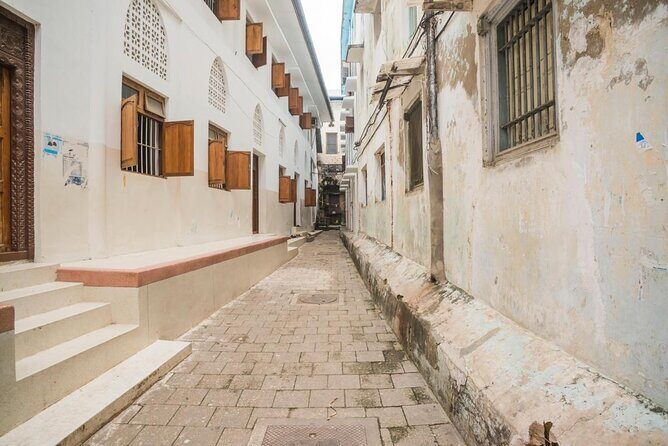
- House of Wonders + Freddie Mercury connection (outside only)
- People’s Palace Museum (Sultans’ Palace) with admission included
- Old Slave Market and Anglican Cathedral stop with a thoughtful tone
- Jambo Spice Farm for about 2 hours, with picking and tasting
- Traditional meal with local spices, plus water and fruit included
- Pickup and drop-off around Stone Town, with a mobile ticket
Entering Stone Town and Jambo Spice Farm, on a realistic timeline

This combined tour works well if you want Zanzibar in two styles: the built-up, historic side of town first, then the smell-it-before-you-see-it world of spices. The timing is practical. You’re out for about 3 hours 30 minutes total, with clear chunks set aside for the museum, the Old Slave Market area, and the farm.
I also like the format: it’s not just a bus ride with random stops. It’s a guided walk-and-visit plan that gives you time to look around without feeling like you’re sprinting. And because it’s private, you’re not stuck waiting on a large group that’s moving at a different pace.
If you’re thinking about squeezing Stone Town sights into a limited day, this tour is a smart way to do it without turning your afternoon into a scramble.
You can also read our reviews of more historical tours in Zanzibar


Where the tour starts: Forodhani meeting point and Stone Town pickup
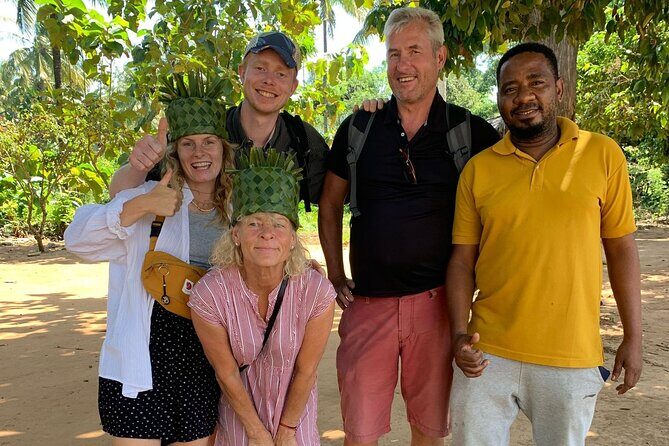
You meet at Forodhani in Zanzibar, and the tour ends back at the same meeting point. That matters more than it sounds, because Stone Town can feel confusing at first. Starting and finishing in the same place makes it easier to plan the rest of your day.
Pickup is offered from your hotel, but it’s described as around Stone Town only. If you’re staying outside that zone, you might need to confirm what’s possible. (In one case, Ali arranged pickup for someone staying in Paje for an extra fee, which suggests flexibility when schedules line up.)
You’ll also get a mobile ticket, so you’re not hunting for paper confirmations on a busy day.
House of Wonders stop and the Freddie Mercury sighting from the outside
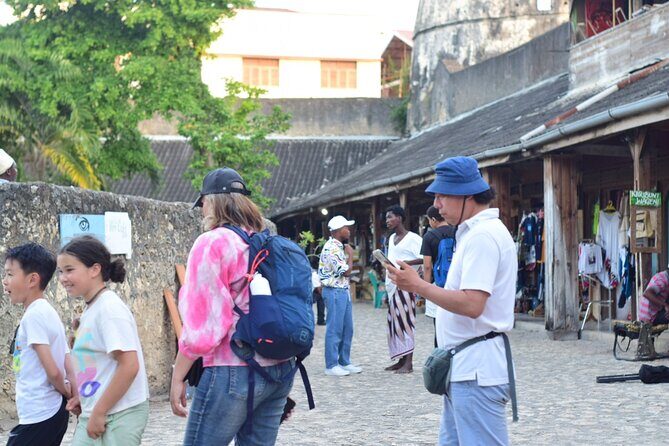
Right away you get two things that bookend Stone Town’s personality: big landmark energy and pop-culture curiosity. The first stop is the House of Wonders, known for its impressive architecture and its exhibitions tied to Zanzibar’s heritage.
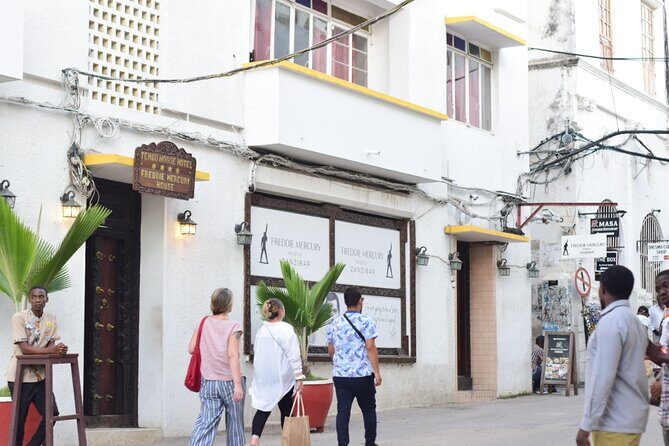
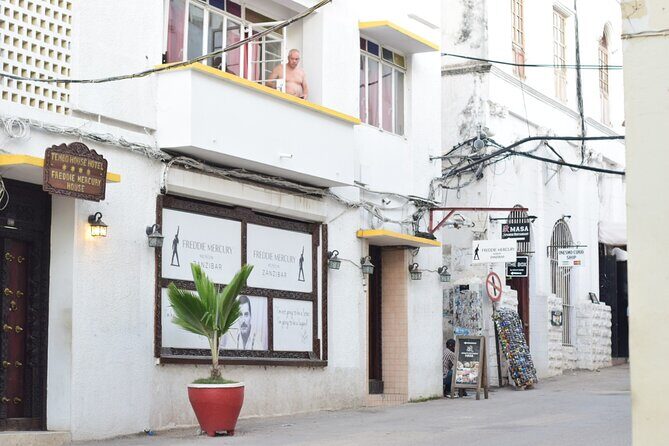
Then you pass the former residence linked to Freddie Mercury. You don’t go inside, but you still get the visual and the context. This is a good way to connect the city’s eras and influences without turning the tour into a museum-only day.
One practical note: because this is a walking-heavy town portion, wear shoes that can handle uneven streets and curb edges. Your feet will do most of the work in Stone Town.
People’s Palace Museum: the Sultans’ Palace with admission included
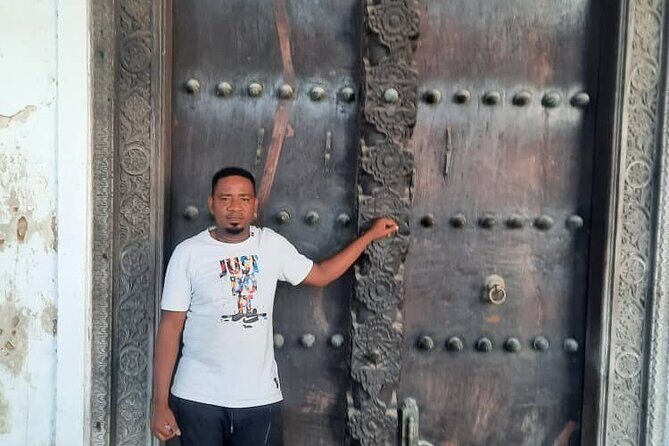
Next up is People’s Palace Museum, also described as the Sultans’ Palace. This stop is built for people who want a cleaner look at power and artifacts, with admission included and about 30 minutes on-site.
What makes this part valuable is the pacing. Thirty minutes is long enough to see the main displays and gather context, but it’s not so long that you feel stuck when you’d rather keep walking. If you’re traveling with mixed interests, this kind of museum stop can balance out the later spice-farm fun.
Possible drawback: if you’re short on time and you mostly want photos of streets and doors, you might find the museum portion a bit more structured than you expected. Still, the included ticket and the focused time window keep it efficient.
The Old Slave Market and Anglican Cathedral: heavy ground, handled directly
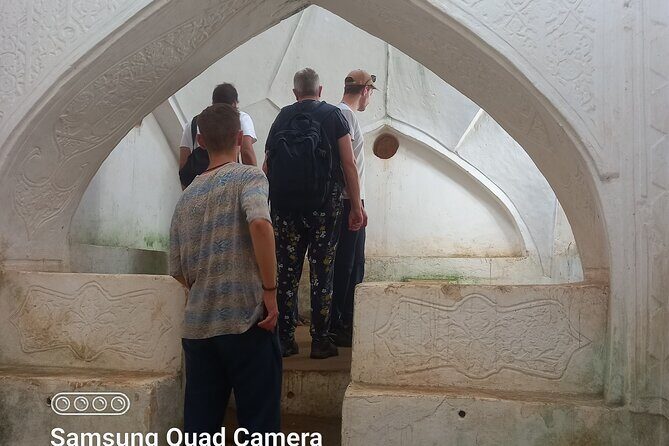
Then you move to one of the most important stops: the Old Slave Market site and the Anglican Cathedral built on those grounds. The tour frames this clearly: you learn about the dark history of the slave trade in the region and how it affected Zanzibar.
This part also includes admission (so you’re not scrambling for entry), and the stop is about 45 minutes. Forty-five minutes is a lot of time when the topic is heavy. The upside is that it’s not just a quick pass-through. You’ll have room to take it in and ask questions rather than being rushed toward the next photo.
I’d treat this as a stop that sets the emotional tone for the rest of your day. After it, the spice farm can feel lighter in a good way—but you’ll feel the contrast.
A few more Zanzibar tours and experiences worth a look





Jambo Spice Farm: picking, tasting, and a traditional lunch with local spices
The second half is where the senses take over. At Jambo Spice Farm, you spend about 2 hours with guides who explain how spices are cultivated and processed. The farm experience includes aromatic spice names like cloves, cinnamon, and cardamom, plus hands-on activities such as picking and tasting fresh produce.
This is the part I’d recommend most strongly if you learn best through doing. The tasting makes the explanations stick, and you’re not just hearing names—you’re connecting them to smell and flavor.
Food is included here too. You’ll have a traditional meal featuring local spices, and the tour also includes water and fruits during the day. That’s a practical win because spice tours can get pricey if you’re forced to buy meals separately.
One caution: the farm shop sells spices and related items, but it’s been called out as not cheap. If you’re the type who likes to bring back full bundles, go in with a budget—or plan to compare prices elsewhere after the tour if that’s your style.
Guides and flexibility: when Ali and Daudi make the day feel personal

The tour experience depends a lot on the guide, and the standout theme here is follow-through. Ali is described as arriving right on time, driving safely, and giving clear explanations at both the farm and in Stone Town walking time. Daudi also gets strong praise for being excellent and caring about giving the right experience, not just checking boxes.
If you like your day tailored, that’s another plus. One account notes Ali was flexible and customized the experience. While you shouldn’t expect major schedule changes every time, it signals that your guide will likely adjust for questions and comfort—especially in the street-walking portion.
Also, the company owner is mentioned as patient in answering questions. That matters in Zanzibar, where it’s easy to feel like you’re being rushed through. Here, questions are part of the value.
Price and value: what $50 buys you (and what you’ll still pay)
At $50 per person, this tour sits in the “worth it” category for a day that includes both town sights and an actual farm experience. The key is what’s included:
- Experienced professional tour guide
- Water and fruits
- A traditional lunch with local spices
- Pickup and drop-off from hotels around Stone Town
- Service entrance fees
- Admission tickets where listed (People’s Palace Museum and Old Slave Market/Anglican Cathedral)
- Spice farm admission is described as free
What you don’t get: tips and personal expenses.
So you’re paying for more than a sightseeing walk. You’re paying for entry fees and a structured day, plus the meal. If you were to do these parts separately—entry tickets, transport, and a guide—your total would likely climb fast.
The one “hidden” cost risk is the farm shop. Since spice products are sold there and noted as not inexpensive, your final spend could depend on how much you want to take home.
Who should book this tour—and who might want something else
This tour is a strong fit if you:
- Want a practical Stone Town overview without spending your whole day figuring out routes
- Like hands-on learning, especially scent-and-taste experiences at a spice farm
- Appreciate guided context at the Old Slave Market site
- Prefer a private group so you can move at your pace
You might consider a different option if you:
- Plan to skip museums and prefer mostly street wandering (the People’s Palace Museum is scheduled in)
- Want to shop hard at the farm shop and care most about price (the farm shop can be higher than other places)
- Need pickup far beyond Stone Town, since pickup is described as around Stone Town only
Should you book: my call on this Stone Town and Spice Farm combo
If your day in Zanzibar needs both meaning and fun, I’d book it. The combination is smart: Stone Town gives you architecture and context, and Jambo Spice Farm gives you a sensory experience with a real meal included.
I especially like that the tour includes admission fees and time blocks that feel realistic—about 30 minutes at the museum, 45 minutes at the Old Slave Market area, and 2 hours at the spice farm. That structure protects your schedule, and it keeps the tour from turning into a rushed checklist.
Just go in with one expectation: you may end up tempted by farm-shop spices, and they may cost more than you want. If that won’t bother you, this is an easy yes for your first solid taste of Stone Town plus Zanzibar’s spice culture.
FAQ
How long is the Zanzibar Stone Town and Spice Farm tour?
The tour runs for about 3 hours 30 minutes.
Where does the tour start and end?
It starts at Forodhani in Zanzibar and ends back at the same meeting point.
Is hotel pickup included?
Pickup is included from your hotel around Stone Town only, and the tour also includes drop-off back to the meeting point.
What’s included in the price?
Included are an experienced tour guide, water and fruits, a traditional meal with local spices, pickup and drop-off (around Stone Town), and service entrance fees. Admission tickets for the listed sites are included.
What’s not included?
Tips and personal expenses are not included.
Do I need to buy tickets for the main stops?
Admissions are included for the stops that specify admission tickets, and the spice farm admission is described as free.
Is this a private tour?
Yes. It’s described as private, meaning only your group participates.
What’s the cancellation policy?
Cancellation is free up to 24 hours in advance for a full refund. Changes made less than 24 hours before the start time are not accepted.