REVIEW · ZANZIBAR
Zanzibar Spice Farm Tour
Book on Viator →Operated by Samsons Safaris · Bookable on Viator
Spices make Zanzibar make sense. This private spice farm tour connects what you taste with where it came from, and I love the way the guide turns a walk into a real history lesson. I also liked the fruit and spice sampling, because it’s not just looking at plants—it’s smelling and trying them on the spot.
One watch-out: the farm can feel very basic, and there may be no proper washroom on site. If you need facilities, plan ahead before you arrive.
In This Review
- Key things to know before you go
- Why This Spice Farm Walk Feels Like Zanzibar’s Living Classroom
- From 6 Degrees South to Tangawizi: Getting There Without Hassle
- Tangawizi Spice Farm: Smells, Tastes, and the Portuguese Spice Route
- The Guided Walk: How Your Guide Turns Plants Into Practical Knowledge
- Fruit and Spice Pairings: The Tasting Portion That Makes It Stick
- The Spice Stall Stop: What to Expect and How to Shop Smart
- Price and Value: Is $140 per Person a Good Deal?
- What to Wear and Bring for a Comfortable Shamba Walk
- Who Should Book This Tour (and Who Might Skip It)
- Should You Book Zanzibar’s Spice Farm Tour?
- FAQ
- FAQ
- How long is the Zanzibar spice farm tour?
- What does the tour cost?
- Where does the tour start?
- Is this tour private?
- What’s included in the price?
- What can I taste during the tour?
- Is there a restroom at the farm?
- Do I need cash for the spice stall?
- What’s the cancellation policy?
Key things to know before you go
- Tangawizi Spice Farm is a walking shamba where you learn how spices, herbs, and fruits grow.
- You’ll get a guided tour with tastings, plus bottled water included.
- The story includes Portuguese traders and how spices spread to Zanzibar in the 16th century.
- You can ask your guide questions about Zanzibar while you’re walking.
- The tour ends at a spice stall, and purchases are cash only.
Why This Spice Farm Walk Feels Like Zanzibar’s Living Classroom

Zanzibar has a knack for turning everyday things—like cooking, breathing, and wandering—into culture. On this tour, spices are the main character. You’ll walk through a working shamba and learn how plants move from soil to your kitchen.
I like that the tour has a clear focus. You’re not hunting for sights all over town. You’re learning one theme really well: Zanzibar spices, what they are used for, and where the spice trade story fits into the islands.
Your guide also keeps it interactive. You can ask questions while you’re walking, which makes the experience feel more like a conversation than a lecture. And because you sample fruit and spices along the way, the information sticks.
A few more Zanzibar tours and experiences worth a look



From 6 Degrees South to Tangawizi: Getting There Without Hassle
The tour starts with pickup and drop-off from your hotel area around Stone Town. Your meeting point is listed as 6 Degrees South, Plot 60, Waterfront, Shangani St, Zanzibar. Even if you’re meeting there, it’s easy to find, and it’s near public transportation, which helps if your plans shift.
Timing-wise, plan on about 3 hours total. The actual farm time is roughly two hours, with the rest built around meeting, walking, and returning to the starting point. That’s a good length for a day when you still want energy left for the beach, the market, or dinner plans.
This is also a private tour, so it’s just you and your group. That matters here. A spice walk works better when you can pause, ask questions, and slow down when something catches your nose.
Tangawizi Spice Farm: Smells, Tastes, and the Portuguese Spice Route
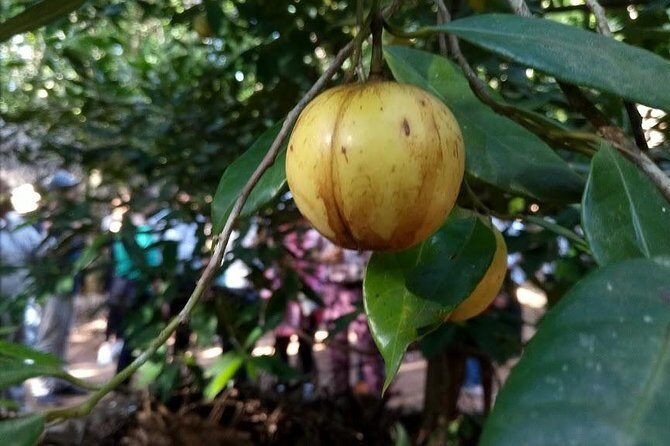
The main stop is Tangawizi Spice Farm, where you’ll walk through spice, herb, and fruit cultivation. You’ll see how crops are grown and how they get used in home cooking. This is the kind of lesson that sounds simple until you’re standing among the plants and realizing how many flavors come from a small area.
The historical thread is a big part of why this tour feels worthwhile. You’ll learn how spices were introduced to Zanzibar by Portuguese traders in the 16th century, with spices arriving via Portuguese connections to South America and India. That story gives context to why Zanzibar’s flavor profile became so distinctive.
As you walk, you’ll be smelling and tasting common spice and crop stars like:
- clove
- lemongrass
- nutmeg
- cinnamon
- turmeric
- vanilla
- coconuts
- papaya
- chili
- black pepper
- jackfruit
- cardamom
- cassava
- oranges
I like that list because it’s not just “tourist spices.” It’s also ingredients you can actually recognize in meals, snacks, and drinks back home.
The Guided Walk: How Your Guide Turns Plants Into Practical Knowledge
The guide is the engine here. They point out plants and explain what they are, how they’re cultivated, and what they’re used for. The learning feels practical because it’s anchored to real applications in cooking.
You’ll also get chances to ask questions about Zanzibar as you go. That can be anything from spice trade history to how locals use particular ingredients. With a private format, you don’t have to wait your turn or tune out because the group pace is too fast.
One extra detail that can make it memorable: guides may add playful moments beyond the lecture—things like making simple hats from palm leaves, and even demonstrating how someone climbs a coconut tree. Those touches are small, but they turn a farm walk into a story you’ll remember later.
Fruit and Spice Pairings: The Tasting Portion That Makes It Stick
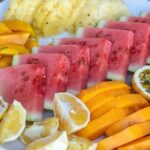
The best spice tours don’t end with facts—they end with your mouth. Here, you’ll sample fruits and spices paired together, so you can connect aroma to taste and taste to use.
This matters because your brain learns faster when you’re doing, not just watching. Tasting clove near a related plant, or trying something fruity alongside a spice, helps you understand balance. It also helps you imagine how these flavors show up in Zanzibar-style meals.
If you’re traveling with kids, this part is especially helpful. There’s a built-in “try this” element, and that keeps attention from wandering too far. Even if your kids aren’t spice fans yet, the fruit pairings can make it easier to say yes.





The Spice Stall Stop: What to Expect and How to Shop Smart

After the farm walk, the tour finishes at a spice stall where fresh packaged spices are sold. Purchases are cash only, so bring cash if you think you might buy something.
Here’s the practical truth: this stop can be hit-or-miss depending on your expectations. The farm experience itself is the main value. The stall is more of a sales endpoint, and it’s easy to feel disappointment if you came hoping for a relaxed tasting room.
A good way to handle it is to treat it like a marketplace—calm, curious, and with a budget. Ask questions about what you’re buying and compare what you get for the price. If something feels overpriced to you, skip it. You didn’t come to be pressured; you came to learn.
Also, keep in mind the farm is community-run and locally managed. That can be a good thing for you as a traveler, but it also means you’ll see product pricing set in a local context rather than “fixed tourist” pricing.
Price and Value: Is $140 per Person a Good Deal?
At $140 per person, you’re paying for more than entry. You’re paying for:
- a private guide experience (not a cattle-car group)
- hotel pickup and drop-off
- a guided spice farm walk (about two hours)
- bottled water plus fruit and spice tastings
- a finish at a spice stall
Is it cheap? No. But it can be good value if you want a guided, hands-on lesson and you’re short on time in Stone Town. If you’re the type who remembers details from experiences that include tasting, you’ll likely feel satisfied.
It’s also a solid option if you don’t want to navigate the farm logistics yourself. Zanzibar farms aren’t a “show up, wander, and get answers” kind of place. A guide makes the difference between seeing plants and understanding them.
I’d consider this a strong buy if you’re going with a small group and you want a structured half-day that doesn’t feel like a generic factory tour.
What to Wear and Bring for a Comfortable Shamba Walk
This is a walking tour in a working farm. That means you’ll want to dress for dirt, uneven ground, and humidity.
Bring:
- comfortable walking shoes with grip
- a light layer (breezes can vary)
- cash if you want to buy from the stall (cash only)
- water sense: bottled water is included, but plan for thirst
Wear:
- breathable clothes
- clothes you don’t mind getting a little farm-dust on
And if washroom facilities matter to you, don’t wait until you’re in the middle of the walk. The farm can be basic, and you might be limited on-site.
Who Should Book This Tour (and Who Might Skip It)
You’ll love this if:
- you enjoy food-related travel and want a direct connection to cooking
- you like guided walks that explain “why” instead of only “what”
- you want something more engaging than a quick photo stop
- you’re traveling as a family and need an activity that kids can participate in
You might skip it if:
- you want a polished, fully serviced attraction with lots of amenities
- you hate shopping pressure at the end of tours (the stall is part of the flow)
- you only care about scenery and aren’t interested in tasting or learning
This one is best as a daytime activity when you still want to be alert enough to pay attention to smells, textures, and explanations.
Should You Book Zanzibar’s Spice Farm Tour?
If you want an authentic Zanzibar food story you can taste, book it. The farm walk gives you hands-on learning about how spices and tropical fruits grow, and the Portuguese spice-route history gives the whole experience a satisfying backbone.
Just go in with realistic expectations about the ending stall. Keep your spending smart, and don’t assume it’s a no-pressure market. If you’re good with a guided tasting experience and you’re prepared for a simple farm setup, this tour is a great way to spend a few hours in Zanzibar without feeling like you stayed stuck in traffic or tourist traps.
FAQ
FAQ
How long is the Zanzibar spice farm tour?
The tour runs about 3 hours total, with around 2 hours at the spice farm.
What does the tour cost?
It costs $140.00 per person.
Where does the tour start?
The meeting point is listed as 6 Degrees South, Plot 60, Waterfront, Shangani St, Zanzibar, Tanzania.
Is this tour private?
Yes. It’s a private tour/activity, so only your group participates.
What’s included in the price?
Included are hotel pickup and drop-off, a guided spice farm tour, bottled water, and fruits and spice tasting.
What can I taste during the tour?
You’ll smell and taste spices and tropical fruits such as clove, lemongrass, nutmeg, cinnamon, turmeric, vanilla, coconuts, papaya, chili, black pepper, jackfruit, cardamom, cassava, and oranges.
Is there a restroom at the farm?
The farm is described as very basic in at least one review, and that same review notes there was no washroom on site.
Do I need cash for the spice stall?
Yes. Purchases at the spice stall are cash only.
What’s the cancellation policy?
Free cancellation is available up to 24 hours in advance for a full refund.