REVIEW · DAR ES SALAAM
Dar es salaam Reality Tour
Book on Viator →Operated by Afri Roots adventures · Bookable on Viator
Dar es Salaam looks different on two wheels. This half-day Reality Tour is built around everyday work—coffee, morning Swahili breakfast, traditional medicine, and khangas—so you’re seeing the city from street level, not tour-bus level. I like the real-life local stops and the fact that it avoids crowds for the most part. The one thing I’d treat as a careful check is the drink details: the highlights say alcohol may be included, but the fine print lists alcohol as not included.
This is a 5-hour morning outing that starts at 8:00 am at Kijiji cha Makumbusho / Village Museum in Mikocheni and loops back to the same meeting point. You’ll travel by bicycle or bajaj (provided), with a mobile ticket and a group capped at 30. If you’re flexible with timing and ask questions along the way, it’s a solid way to understand how Dar es Salaam runs.
In This Review
- Quick hits before you go
- The Dar es Salaam Reality Tour in plain terms
- What the 8:00 am start feels like (and why it helps)
- Bajaj or bicycle: how the tour moves through the city
- Stop by stop: what you’ll learn at each place
- The coffee maker who sells coffee for income
- Swahili breakfast makers and the rhythm of morning food
- A local traditional medicine place (questions help)
- The khanga shop and what people wear for meaning
- Drinks included: what to confirm before the morning starts
- Price and value: is $51.29 worth it?
- Group size and the “avoid crowds” promise
- Reliability and the one thing I’d watch closely
- Who should book this tour, and who might skip
- Should you book the Dar es Salaam Reality Tour?
- FAQ
- What is the duration of the Dar es Salaam Reality Tour?
- What time does the tour start, and where do I meet?
- How much does the tour cost?
- What is included in the tour price?
- Is food included?
- Is alcohol included?
- How many people are in the group?
- What is the cancellation policy?
Quick hits before you go
- Short and focused: about 5 hours, so you keep your afternoon free
- Transport included: you’ll use a bajaj or a bicycle as part of the tour
- City work, not just sights: coffee, Swahili breakfast, traditional medicine, and khanga shopping stops
- Small-group feel: maximum 30 travelers
- Drinks are included: but confirm whether alcohol is actually part of your package
- Weather matters: the tour requires good weather, with options if conditions are poor
The Dar es Salaam Reality Tour in plain terms
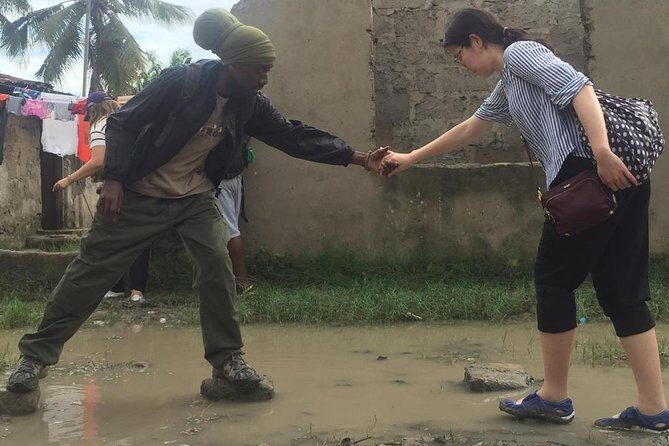
This is not a museum-and-monument checklist. The whole idea is to show you Dar es Salaam as locals experience it: people earning a living, selling daily necessities, and practicing traditions that don’t fit neatly into a brochure.
The stops you’ll make are telling in their own way. One is a coffee maker who sells coffee as income. Another focuses on Swahili breakfast—meaning early-day food culture and the hustle of morning customers. Then you’ll visit a local traditional medicine place, followed by a khanga shop. Even if you’re not a hardcore shopper or food nerd, the logic is clear: these are everyday businesses where you can ask questions and learn how life works.
It’s also built for people who want less time battling crowds. With only about half a day, you’re likely to feel less rushed, and you can pair it with other plans the same day without turning the morning into a life sentence.
You can also read our reviews of more tours and experiences in Dar es Salaam.

What the 8:00 am start feels like (and why it helps)
Starting at 8:00 am is smart for a reality-style tour. Mornings tend to be when small businesses are opening up and routines are starting to click into place. That means you’re more likely to see the day’s first customers and the working rhythm of each stop, instead of arriving after the main flow has passed.
You’ll meet at Kijiji cha Makumbusho / Village Museum (Mikocheni) using the address listed: 66FW+WG8, Dar es Salaam. Ending back at the meeting point also helps. You don’t have to think about how to get across town at the end, which matters when you’re combining this with other activities.
Bring practical morning essentials: comfortable shoes for walking between stops, sun protection, and a light layer in case the air-conditioning in nearby indoor spaces feels colder than outside. The tour runs about 5 hours, so you’ll also want to plan to be mentally present without needing a long lunch break.
Bajaj or bicycle: how the tour moves through the city
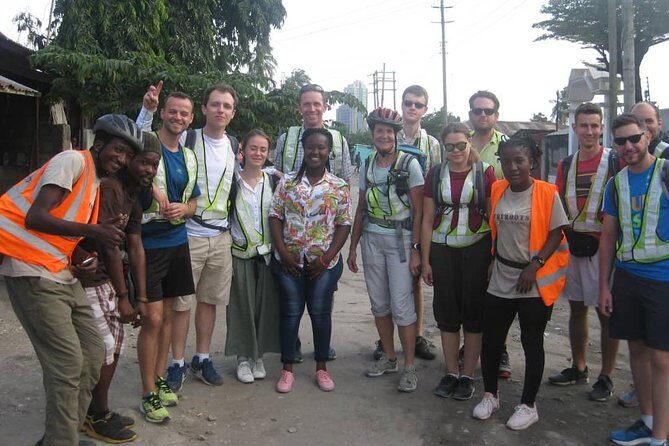
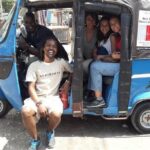
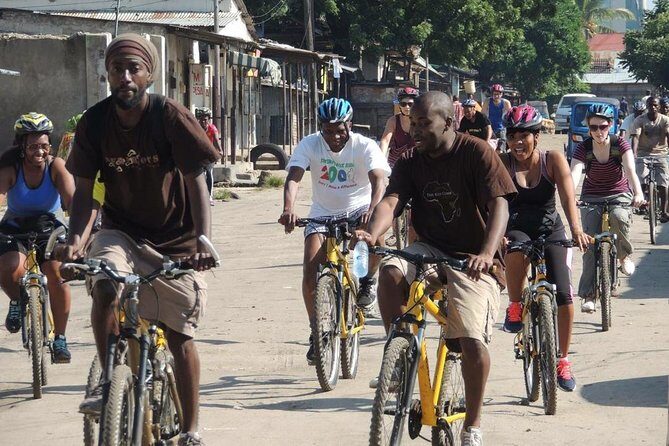
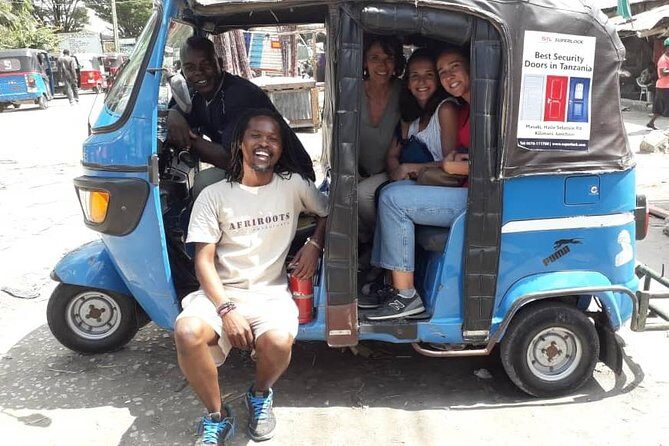
You’re not just sitting with a guide in a vehicle. You’ll travel by bajaj or bicycle, and that changes how you experience Dar es Salaam.
A bajaj ride is great if you want an easier commute between nearby neighborhoods and stops. It’s a simple way to cover ground without tiring yourself out too early. A bicycle option can feel more direct and hands-on, but it also asks more from you—especially if you’re not used to riding in city conditions or if the roads are uneven.
Either way, this transport is part of the tour value because it’s included. At $51.29 per person, you’re paying for a morning that bundles guide time + local access + transport, rather than paying separately for each piece.
My practical tip: decide in advance what you prefer. If you’re sensitive to bumps or traffic noise, lean toward bajaj. If you enjoy slower movement and don’t mind pedaling, bicycle can make the tour feel more personal.
Stop by stop: what you’ll learn at each place
This is where the tour earns its name. Each stop ties back to a working role in daily life, so your questions feel natural instead of forced.
The coffee maker who sells coffee for income
The first stop is a coffee maker who also sells coffee as their source of income. That’s a small detail, but it matters. You’re not just tasting a product; you’re seeing how someone turns a craft into a paycheck.
What you can expect here is a practical look at coffee as commerce: how the coffee maker presents their product, how customers interact, and how this fits into the broader neighborhood routine. If you like food culture and local entrepreneurship, this is the kind of stop that turns abstract travel into something you can picture at home.
Possible drawback: if you’re only interested in famous landmarks and big-ticket attractions, a coffee business won’t feel as dramatic. It’s more about understanding livelihoods than collecting highlights.



Swahili breakfast makers and the rhythm of morning food
Next comes a place where they make Swahili breakfast. Breakfast stalls are often where you can learn the most about a place without needing “tourist translation.” You get to see how people order, what habits look like at the start of the day, and how food preparation supports real customer needs.
Again, the value here isn’t in a single dish name—it’s in the atmosphere of work: the pace, the routine, and the way breakfast fits into local schedules. If you enjoy hearing the logic behind everyday choices, ask what people usually order and what makes their breakfast different.
Note: food is listed as not included. Drinks are included, but you should plan your budget if you want to add any bites along the way.
A local traditional medicine place (questions help)
Then you’ll visit a local traditional medicine place. This is one of the more culturally specific stops on the route, and it can be surprisingly educational if you approach it with curiosity.
You’ll likely see how the shop or practice is organized and how remedies are presented. You might also hear explanations about ingredients and uses, though the exact details depend on what’s available when you arrive. Bring respectful questions, and keep expectations realistic: this isn’t a clinical museum. It’s a working place where tradition meets day-to-day demand.
Why it’s worth including: traditional medicine shops often tell you a lot about how people trust certain practices and how health needs get met in the community.
The khanga shop and what people wear for meaning
Finally, you’ll stop at a khanga shop. Khanga fabric and garments carry cultural weight in East Africa, and a shop visit is a good way to understand the practical side of that meaning—how designs, colors, and patterns become something people choose for daily life.
If you like textiles, clothing culture, or just enjoy seeing how local markets work, this is a friendly way to wrap the tour. It’s also where you can slow down a bit and browse without the pressure of “must-see” timing.
Possible consideration: if you’re not interested in shopping, you may still enjoy the cultural context. If you do browse, set a spending limit ahead of time so you don’t get swept up in impulse buying.
Drinks included: what to confirm before the morning starts
Drinks are listed as included, and the highlights also say drinks including alcohol are included. But the separate section labeled not included lists alcohol.
So here’s my advice: treat this as something to verify directly with Afri Roots adventures before your tour date. Ask what kind of drinks are included in your specific booking—non-alcoholic only, or alcoholic options as well.
Why this matters: the tour includes drinks, but food is not included. If you’re planning to stay fueled and hydrated, knowing exactly what’s in the drinks menu helps you avoid an empty-energy surprise.
Either way, do yourself a favor and bring your own water too, especially in a hot-weather city. Included drinks are helpful, but you don’t want to run low halfway through a 5-hour morning.
Price and value: is $51.29 worth it?
$51.29 per person is not a budget in the ultra-cheap sense, but it’s also not priced like a luxury private tour. For that price, you get a half-day structure, a max group size of 30, transport by bajaj or bicycle, and drinks.
The biggest value pieces are:
- Transport included (no extra taxi charge between stops)
- Multiple local-business stops rather than one single attraction
- Drinks included
- A focused 5-hour window, which can save you time on planning
The main tradeoff is what’s not included: food (and possibly alcohol, depending on what you confirm). So if you’re the type who wants a full meal during tours, you’ll want to plan a restaurant stop after.
In short: if you want a structured look at daily life and don’t require everything to be spoon-fed (food included), this price can feel fair.
Group size and the “avoid crowds” promise
This tour caps at 30 travelers, which is small enough to feel like a real walking-and-conversation day instead of a mass event. Combined with the half-day timing, it supports the goal of avoiding the big crowd crush.
If you prefer a more personal experience—asking questions, comparing notes with your group, and moving at a human pace—this format is a good fit. If you strongly dislike groups altogether, you may want to look for an alternative private tour. But given the cap, this one is positioned as a middle path: social enough to feel lively, small enough to still feel local.
Reliability and the one thing I’d watch closely
The operator is Afri Roots adventures. The overall rating shown is 4.3 from 16 ratings, which suggests most people are satisfied.
Still, one red flag appears in the record: a no-show and trouble contacting the agency for reconfirmation, with refund issues mentioned afterward. That doesn’t mean every booking will go that way. But it does mean you should act like the adult in the room.
My practical move:
- Confirm your details well before the start time (not just at booking).
- Have the meeting point saved: Kijiji cha Makumbusho / Village Museum in Mikocheni.
- If you don’t hear back, don’t assume it’s fine. Reach out as early as you can.
Add the weather requirement into the mix too: the tour needs good weather. If you’re choosing this on a day with uncertain forecasts, keep your afternoon flexible so you have options if it shifts.
Who should book this tour, and who might skip
Book it if:
- You want real-life context more than landmark photos
- You like food and everyday culture, including markets and small businesses
- You’re comfortable asking questions and moving at a local pace
- You want a half-day activity that leaves you time afterward
Skip it if:
- You only want famous sights and polished, set-piece attractions
- You need food included with your tour price
- You expect alcohol to be included without confirming
- You can’t handle the reality-tour style of seeing neighborhoods as they are, not as they are curated for visitors
It’s also a decent choice for many visitors because most travelers can participate. Service animals are allowed too, and it’s near public transportation, which helps if you’re using local transit to get back to your base.
Should you book the Dar es Salaam Reality Tour?
If you’re in Dar es Salaam and you want to understand daily life, this tour is a smart use of a morning. The stop lineup makes sense for a reality-style concept: coffee for income, Swahili breakfast routines, traditional medicine, and khanga culture. Add in transport (bajaj/bicycle) and drinks, and the value starts to look reasonable.
But don’t treat this like a guaranteed “show up no matter what” experience. The reliability concern in the record is worth respecting. If you decide to book, confirm early, get your meeting point pinned down, and double-check the alcohol question because the info conflicts.
If you want a half-day, small-group taste of how Dar es Salaam actually works, this is the kind of tour that can pay off. Just do the small homework first, and you’ll feel much better walking into it.
FAQ
What is the duration of the Dar es Salaam Reality Tour?
The tour lasts about 5 hours.
What time does the tour start, and where do I meet?
It starts at 8:00 am. The meeting point is Kijiji cha Makumbusho / Village Museum, Mikocheni (66FW+WG8), Dar es Salaam, Tanzania.
How much does the tour cost?
The price is $51.29 per person.
What is included in the tour price?
The tour includes drinks and bicycle or bajaj transport.
Is food included?
No. Food is listed as not included.
Is alcohol included?
The highlights say drinks including alcohol are included, but the not included section also lists alcohol. You should confirm what’s included for your specific booking.
How many people are in the group?
The tour has a maximum of 30 travelers.
What is the cancellation policy?
You can cancel for a full refund up to 24 hours in advance. If you cancel within 24 hours of the start time, you won’t be refunded.