REVIEW · ARUSHA
Ultimate Guide For The Best 4-Days Serengeti Safari in Tanzania
Book on Viator →Operated by AFRICA NATURAL TOURS · Bookable on Viator
Two parks, four days, big-cat odds. This is a classic Northern Circuit-style safari that strings together Serengeti and Ngorongoro for repeated wildlife chances and a crater morning that’s timed for viewing. With an open-roof 4×4 setup and a professional English guide, the days are built around being out there when animals are most active.
I especially like the daily structure: a road transfer that stays close to the Ngorongoro rim on Day 1, then a full day in the Serengeti heart on Day 2. You also get concrete extras that make the trip feel organized, like purified drinking water, a medical kit, and a safari certificate.
One thing to weigh: this price covers the safari-side logistics, but it does not include flights, alcohol, tips, or any Arusha hotel nights before and after the safari. So you’ll want to budget for those gaps, especially if you’re arriving in Tanzania the day before.
In This Review
- Key things I’d clock before booking
- Why Serengeti and Ngorongoro in 4 Days Works
- Price and value: what $1,334 per person actually buys
- The safari setup: open-roof Land Cruiser and an English guide
- Day 1: Arusha to Serengeti with a rim-hugging transfer
- Day 2: Full-day Serengeti in the heart of the action
- Day 3: Serengeti to Ngorongoro—finishing strong, then shifting gears
- Day 4: Ngorongoro crater morning and the run back to Arusha
- Lodges and meals: mid-range comfort, safari-first priorities
- The wildlife sightings promise: how to interpret it sensibly
- Group size and pace: intimate in spirit, bigger in reality
- Who this 4-day Serengeti and Ngorongoro safari is best for
- Should you book this safari?
- FAQ
- How long is the safari?
- Where does the tour start and end?
- What parks are included?
- What type of vehicle is used for game drives?
- Is pickup included?
- What’s included in the price?
- What isn’t included?
Key things I’d clock before booking
- Open-roof 4×4 Land Cruiser keeps you close to the action and the views
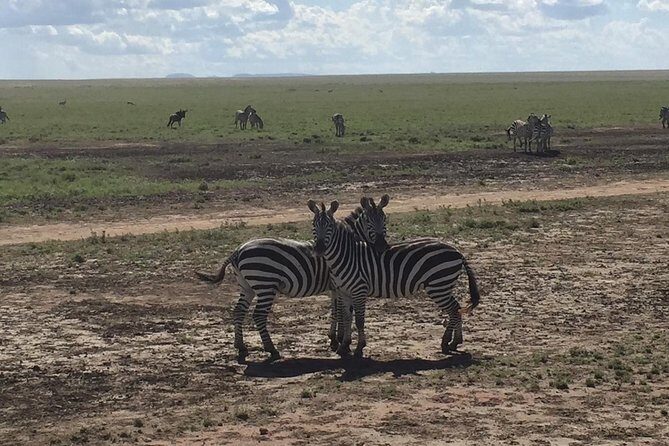
- Serengeti heart full day gives you a true block of game drives instead of rushed stops
- Ngorongoro crater timing after breakfast is designed to maximize sightings
- Mid-range lodge stays during the safari days (Serengeti heritage lodge and Anga’ta Tented lodge)
- All fees and taxes included helps prevent surprise add-ons at the counter
Why Serengeti and Ngorongoro in 4 Days Works
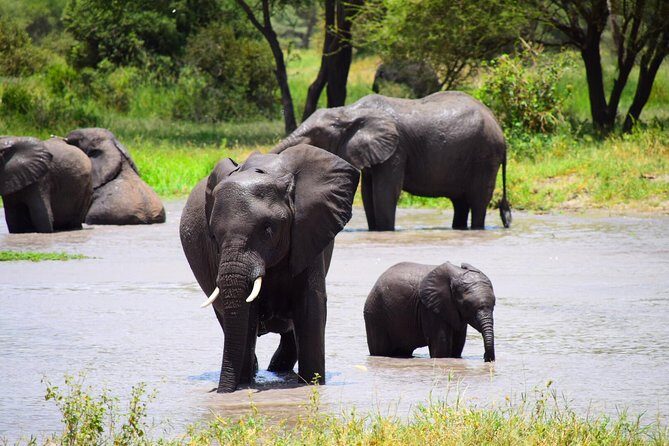
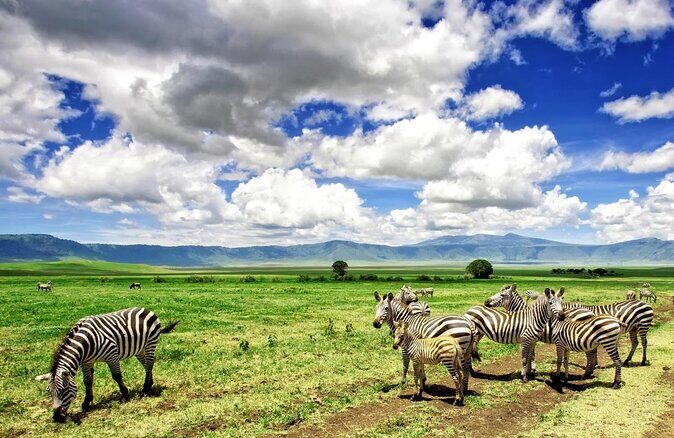
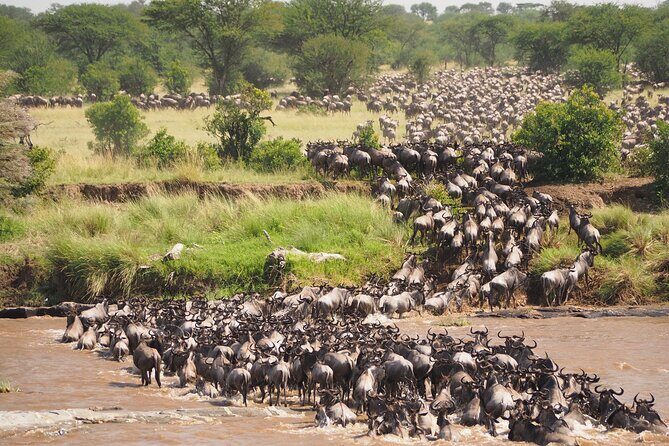
If you’re short on time but want the headline Tanzania safari moments, this route is built for that. Serengeti gives you the broad, animal-heavy experience—lions, leopards, elephants, cheetahs, zebras, wildebeest, and more. Ngorongoro crater is a different world: a massive caldera with dense wildlife and dramatic scenery, where the early-morning plan matters a lot.
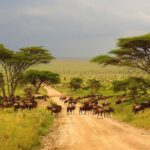
The real win is how the days are paced. You don’t just “pass through” Serengeti for a few hours. You get a full day out in the Serengeti heart, plus another game-drive day segment on the way out. That means more chances to see the animals you came for, and more flexibility if the best sightings happen in a different corner of the park than you expected.
You can also read our reviews of more guided tours in Arusha

Price and value: what $1,334 per person actually buys
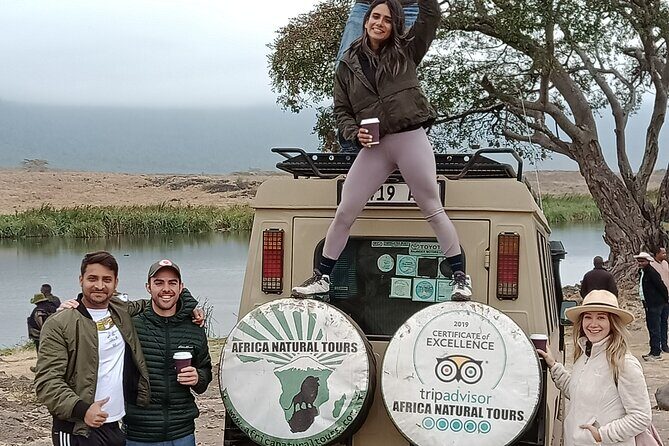
At $1,334 per person, you’re paying for a complete safari machine, not just a driver and a dream. The tour includes 4×4 transport with an open roof, an English-speaking guide, all fees and taxes, game drives, and even clean purified drinking water.
It also includes safari meals and lodging during the trip: you’ll be in budget accommodation on a full-body-basis model, with lodge stays built into the itinerary. And there are helpful “operations” items included too, like a medical kit and a briefing before the drives.
What isn’t included is just as important for value. Alcoholic beverages and tips are not part of the package. Flights and airport pick-up/drop-off are also not included, plus any hotel before and after the safari in Arusha. If you’re flying in the same day as departure, you’ll need to plan the timing carefully—or accept the cost of arriving with extra nights in Arusha.
The safari setup: open-roof Land Cruiser and an English guide
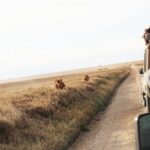
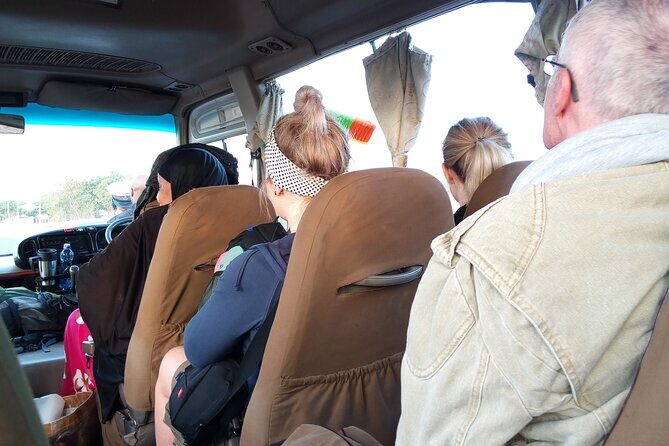
This tour uses a 4×4 Land Cruiser with open roof, which is a big deal for game viewing comfort and connection. You’ll be able to watch and photograph without the “window glare” problem, and you’ll feel like you’re part of the moment rather than boxed behind glass.
You also get a professional English guide, which matters because the best sightings come from more than luck. A good guide helps you interpret movement, track where wildlife tends to show up, and explain what you’re seeing as the day unfolds. In similar trips arranged by this provider, people have named guides such as Josephat and Me George, and also referenced staff like Nick, Shabani, and director Godfrey—so it’s clear they place real attention on the people running the experience.
Day 1: Arusha to Serengeti with a rim-hugging transfer
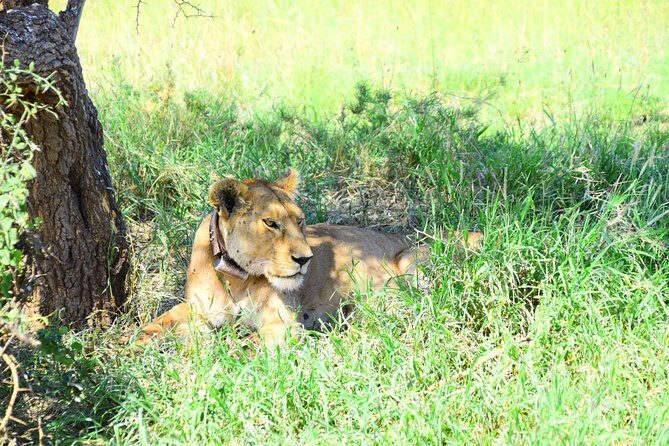
Day 1 is a driving day with purpose. You start early in the morning from Arusha and head toward Serengeti, taking a road close to the Ngorongoro crater rim. That choice isn’t just efficient—it increases your chance of wildlife sightings during the transfer, because animals aren’t only “in the park” once you’re officially inside.
The goal for this day is simple: get you into Serengeti with enough time for your first meaningful game drive. You’ll then sleep at the Serengeti heritage lodge, a mid-range lodge option that fits the “comfortable but not flashy” style many people want on a short safari.
What I like about Day 1: you’re not waiting around. Even the travel segment is treated as part of the safari.
What to watch for: early starts. If you’re sensitive to rushed mornings, this is the day where you’ll feel it first.
Day 2: Full-day Serengeti in the heart of the action
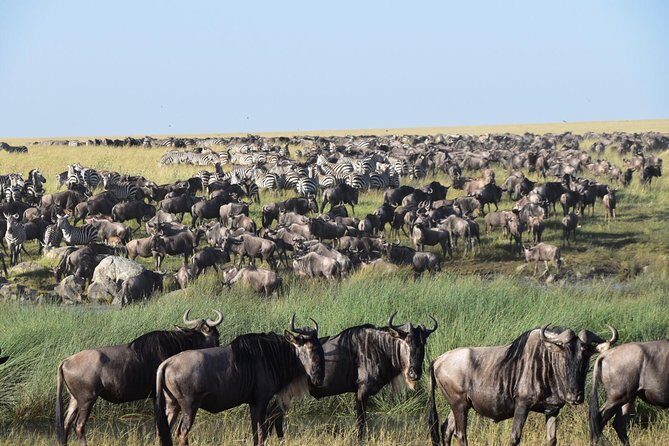
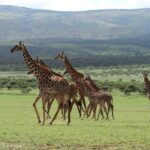
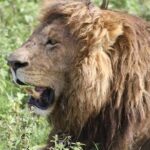
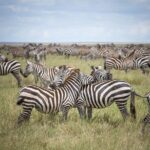
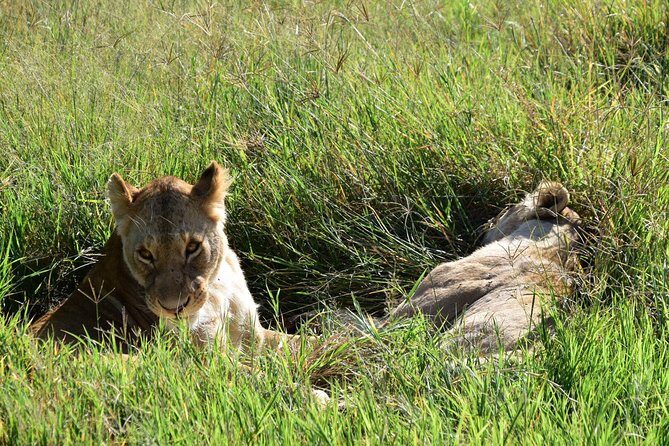
Day 2 is the centerpiece. You begin in the Serengeti heart area, where the park’s diversity really shows up. The tour specifically calls out the types of animals you’re likely to see: lions, leopards, elephants, cheetahs, water buffalo, zebras, and wildebeest.
This “full day” structure is valuable because Serengeti isn’t a one-spot show. Wildlife patterns shift through the day, and the best sightings often happen when you’re willing to wait, reposition, and scan carefully. A whole day also means you’re not forced into the “quick drive, quick photo, next stop” rhythm.
For many first-time safari visitors, this is where the experience turns from sightseeing into something more personal. One moment you’re watching plains and grasslands stretch out for miles; the next you’re tracking movement close enough to feel the size of the animals you’re seeing. And with the open-roof Land Cruiser, you’ll be able to get those close-up views without barrier issues.
The main downside of Serengeti full day? You’ll likely spend a lot of time in the vehicle. That’s normal on safari, but it’s still a long day. Come ready to enjoy the ride and the scanning, not just the final “wow moment.”
A few more Arusha tours and experiences worth a look
Day 3: Serengeti to Ngorongoro—finishing strong, then shifting gears
Day 3 is your transition day, and it’s handled with a smart order. You finish the last day of game drives in Serengeti, then you travel to Ngorongoro and stay at Anga’ta Tented lodge.
This matters because it prevents the classic mistake of moving to the crater too early. Serengeti is usually where you build most of your animal sightings—especially if you’re chasing predators or the mix of big herbivores—so finishing Serengeti before crater time gives you that full contrast.
By sleeping at Anga’ta Tented lodge, you’re also positioning yourself for the early start on Day 4. A tented lodge style can feel more “in the wild” than a traditional hotel, and in practice it also means you’re set up to go out quickly the next morning.
My take: Day 3 keeps your safari “story” logical—Serengeti intensity first, crater climax second.
Day 4: Ngorongoro crater morning and the run back to Arusha

Ngorongoro crater is scheduled with a time-sensitive approach. After early breakfast, you rush to the crater because it’s the best time for spotting animals. That early push is one of the most important elements of any crater safari. As the day goes on, conditions can change and animal activity can shift, so arriving early increases your odds of seeing more of the crater’s wildlife while visibility and movement are favorable.
Then you head back to Arusha town after the crater experience. The tour is built so your last day ends without dragging into late-night driving.
What you’re likely to experience here: dense wildlife in a contained setting. The description calls out the crater as home to over 30,000 animals, which tells you what kind of viewing density the area is known for. This is also the moment where a safari “feels different” from open plains viewing. Everything is compressed, and you can watch how animals use the crater’s slopes and water sources.
Lodges and meals: mid-range comfort, safari-first priorities
You’re not in luxury tents with spa menus, but you also aren’t in bare-bones camping. This tour uses mid-range lodge options during the safari days: Serengeti heritage lodge on Day 1 and Day 2, then Anga’ta Tented lodge on Day 3.
Meals are included as a large portion of fresh healthy food, and the tour provides clean purified drinking water. That combination matters more than you might think. Safari days can be physically draining simply from the time spent scanning and waiting, and having food handled keeps you focused on the game drives instead of searching for meals off-plan.
Alcoholic beverages are not included, so if you like to unwind with a drink in the evening, plan for it as an added cost.
The wildlife sightings promise: how to interpret it sensibly
The tour states that wildlife sightings are guaranteed. That kind of wording is common in safari marketing, but here’s the practical truth: animals move, weather changes, and parks are large. What you can trust is the structure designed to increase your chances: multiple days in Serengeti, dedicated game drive time, and an early crater morning when animals are more likely to be visible.
So I treat the guarantee as encouragement and a sign that the route is built around wildlife viewing, not museum-style box-checking. You’re getting enough time on the ground for sightings to happen naturally—rather than one rushed morning and one evening drive.
Group size and pace: intimate in spirit, bigger in reality
The tour describes itself as intimate with your group only, but it also notes a maximum of 100 travelers. Practically, that means the experience is likely organized in a way that keeps you with your group day-to-day, yet the overall operation can still involve a larger number of people across the wider schedule.
The driving days are also structured and predictable. You’ll start early mornings on travel-to-parks days, then spend long hours on game drives. This is not a relaxed “sleep late and wander” trip. It’s a safari schedule with a mission.
If you like clear structure and you’re okay with early starts and long vehicle time, you’ll fit well. If you hate mornings before sunrise and want spontaneity with low driving days, this may feel like too much.
Who this 4-day Serengeti and Ngorongoro safari is best for
This is a strong match if you:
- Want Serengeti and Ngorongoro in one tight trip
- Prefer an organized safari with transport, fees, and guide handled
- Like a big “headline” day (Serengeti full day) plus a crater climax day
- Are traveling in a group format and want mid-range comfort without hunting for logistics
It’s also a good choice for solo travelers because the tour includes the key scaffolding: vehicle, guide, lodging during safari days, and meals. That reduces decision fatigue.
If you’re chasing a super-luxury lodge experience or you want a slower pace with fewer long driving hours, you might want a different style of safari. This one is about wildlife time and smart timing, not high-end comfort upgrades.
Should you book this safari?
I’d book this if your goal is a classic Northern Circuit hit list—Serengeti for variety and Ngorongoro for density—within 4 days. The biggest reason is practical value: open-roof 4×4 transport, English guiding, fees and taxes, lodge stays during the safari, meals, and purified water are all built into one package at a set price.
I’d pause and re-check your total budget if you’re not already in Arusha. Since airport transfers and pre/post safari hotel nights aren’t included, your true trip cost can climb if you need extra nights. Also remember alcohol and tips are on you, so keep that in mind when planning evenings.
If you want a straightforward route that prioritizes game drives and early crater viewing, this is a solid way to spend your limited Tanzania time.
FAQ
How long is the safari?
The safari is about 4 days.
Where does the tour start and end?
It starts in the Arusha Region, Tanzania, and ends back at the meeting point in the Arusha area.
What parks are included?
You’ll visit Serengeti National Park and Ngorongoro Crater (Ngorongoro area) as part of the itinerary.
What type of vehicle is used for game drives?
The tour uses a 4×4 Land Cruiser with an open roof.
Is pickup included?
Pickup is offered, but airport pickup and drop-off are not included.
What’s included in the price?
Included items are transport (4×4 Land Cruiser with open roof), all fees and taxes, a professional English guide, game drives, briefing, purified drinking water, medical kit, safari certificate, and lodging and meals during the safari days.
What isn’t included?
Not included are alcoholic beverages, tips for the crew, accommodations before and after the safari in Arusha, and flights (domestic and international).