REVIEW · ARUSHA
Tarangire National Park Day Trip
Book on Viator →Operated by Rupia Adventure · Bookable on Viator
Elephants at dawn can be oddly calming. This Tarangire National Park day trip runs on a 6:00 am pickup from Arusha and gets you into the Tarangire National Park game country early, with time to actually enjoy what you’re seeing. It’s built for wildlife lovers who want the day to feel smooth, not frantic.
Two things I like a lot are the practical details and the animal density. You get lunchboxes and water for the drive and park hours, and the trip stays organized enough that even a mid-route stop for a cash machine can be handled. Most importantly, Tarangire is famous for very high elephant numbers in North Tanzania, and you can find animals here throughout the year thanks to the Tarangire River running year-round.
One possible drawback: this is a long day at around 12 hours, and sightings are never guaranteed. Even with good planning, spotting a python (or a big-moment predator) is still luck, and the whole experience depends on good weather.
In This Review
- Key things to know before you go
- From Arusha to Tarangire: the early start that makes sense
- Why Tarangire elephants are the main reason to come
- The park’s history lesson: why wildlife areas used to be hunting grounds
- A 12-hour day that stays organized (even when plans change)
- What you can realistically expect to see: big mammals, birds, and baobabs
- Avoiding the biggest crowd traps while still seeing the highlights
- Getting value from the $300 price tag
- Who this Tarangire day trip is best for
- Should you book this Tarangire day trip with Rupia Adventure?
- FAQ
- What time does the Tarangire National Park day trip start?
- How long is the day trip?
- Do you pick up from hotels in Arusha?
- How long is the drive to Tarangire National Park?
- What wildlife should I expect to see?
- Is birdwatching good at Tarangire?
- Can you see wildlife any time of year?
- Is lunch and water included?
- How do I get my ticket?
- What happens if the weather is bad or I cancel?
Key things to know before you go

- Small group size (max 4 travelers) for a more relaxed safari pace
- Early 6:00 am start so you miss the worst of the crowds and heat
- Elephants year-round with herds that can reach around 300 animals
- Lunchboxes and water provided, plus water kept cold in at least one vehicle setup
- Birdwatching with up to 550 bird species in Tarangire’s ecosystem
- A python sighting is possible, but not something to count on
From Arusha to Tarangire: the early start that makes sense
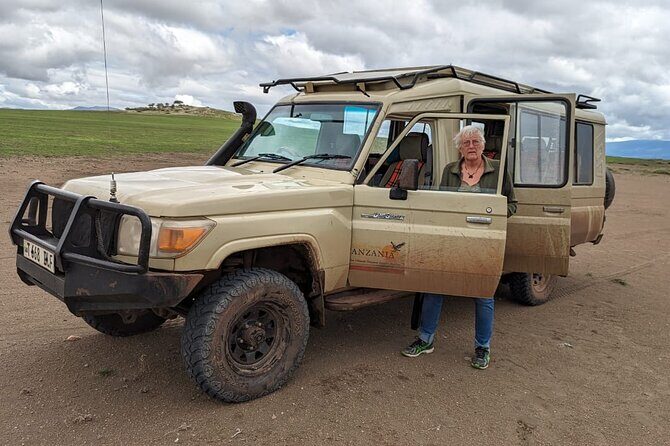
The day begins right away. You’ll be picked up from your Arusha hotel, then settle in for a drive of about 2–3 hours to reach the park area. Starting at 6:00 am matters more than it sounds. When you roll out early, you’re more likely to catch animals moving while temperatures are still reasonable and the day hasn’t fully “warmed up” yet.
There’s also something comforting about the route and timing. You’re leaving city routine behind fast, with no slow fade into the day. And because Tarangire is known for year-round wildlife activity, the morning isn’t just a “get there early” ritual. It’s when you can start stacking sightings rather than waiting for them.
If you’re the type who likes a clean, orderly plan, this trip is set up for that. One previous group even needed a cash machine stop on the way, and the guide helped make it work without turning the day into chaos. That’s the kind of practical support you appreciate when your plans depend on getting smoothly from one stage to the next.
A few more Arusha tours and experiences worth a look


Why Tarangire elephants are the main reason to come
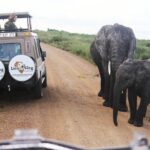
Tarangire earns its reputation for a simple reason: elephants. The park has the highest density of elephants in North Tanzania, and you can view them all year long. In practical terms, that means you’re not spending hours hoping you’ll find the “one elephant moment” other parks sometimes offer. Here, elephants are part of the daily rhythm.
You can also run into very large herds. The elephant herds here can reach around 300 animals, which is wild to imagine until you’re actually looking at a moving crowd of wildlife. When herds are that large, your chances improve. You’re more likely to see different behaviors too—trunk activity, dusting, family movement, and the way elephants travel between the places where food and water are available.
Another reason Tarangire is special is the water factor. The Tarangire River has water all year round, which supports wildlife movement even during the drier months. That doesn’t mean animals gather exactly the same way every day, but it does mean the park tends to stay alive rather than going quiet.
And yes, lions, giraffes, buffaloes, wildebeests, and zebras also live here. The key point is that elephants aren’t a bonus. They’re the foundation.
The park’s history lesson: why wildlife areas used to be hunting grounds
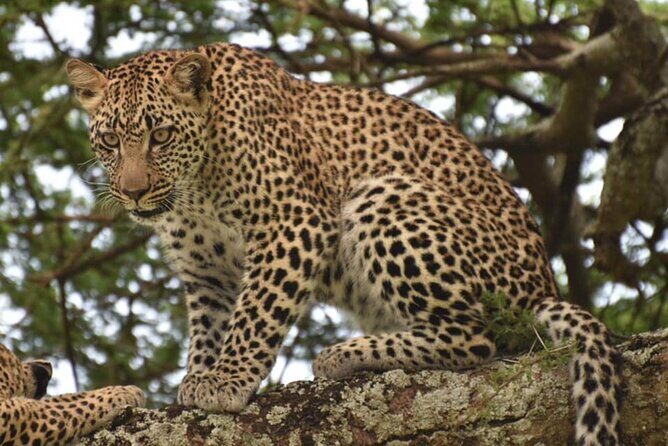
Tarangire sits in a region with a complicated past. In the area, Hemingway is often associated with big-game hunting safaris. When national parks were formed in 1970, seasonal marshes and savannah that people once hunted became protected areas.
But history didn’t stop there. The text and framing of this trip point out how those spaces were turned back into profitable hunting grounds at one stage. Today, thankfully, it’s cameras—not elephant guns—that do the work. For me, that history adds weight to the experience. It’s not just a safari day. It’s a reminder that protection and access can change wildlife outcomes fast—sometimes for the better, sometimes because people pushed for the wrong kind of use.
So when you’re out on the drive and the park gates open, you’re stepping into an ecosystem that’s been re-shaped by human choices over decades. That context makes the animal sightings feel even more meaningful, not just impressive.
A 12-hour day that stays organized (even when plans change)
A long day only feels long if the logistics are sloppy. Here, the structure is what helps. The trip runs for about 12 hours total, and it’s built around a full park day rather than a quick drive-by.
You’ll have time in the park, and you’ll also have food and drink taken care of. In one past trip, the group received a packed lunchbox plus plenty of water. That’s a real comfort on safari days. It also keeps you from turning wildlife time into snack time at the wrong moment.
In another highlight from a prior group, the vehicle had water stored with a fridge setup (a cooler effect), which makes a difference when the day is warm. Even if you don’t obsess over it, cool drinking water keeps fatigue down and helps you stay focused on the animals instead of waiting for the next break.
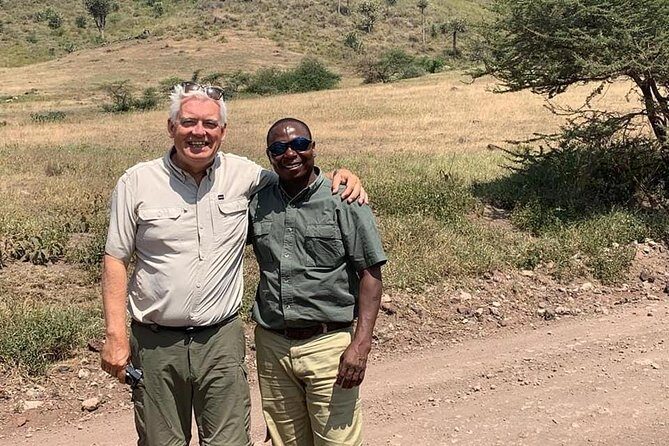
One small detail that signals good operations: guides and staff are responsive. Past groups noted support from the team, including office staff named Fabiola and a guide named Stanley for the park day. When you have real names behind the organization, it usually means there’s an actual team making sure things run.
What you can realistically expect to see: big mammals, birds, and baobabs
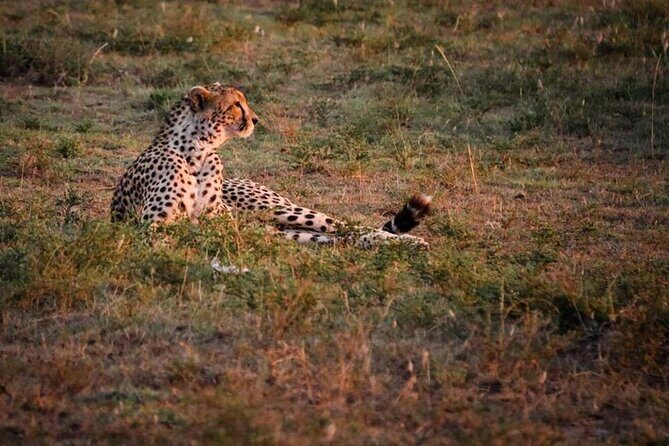
Tarangire is often framed as an elephant park, and that part is accurate. But I like how the park covers a lot of “wildlife interests” in one place.
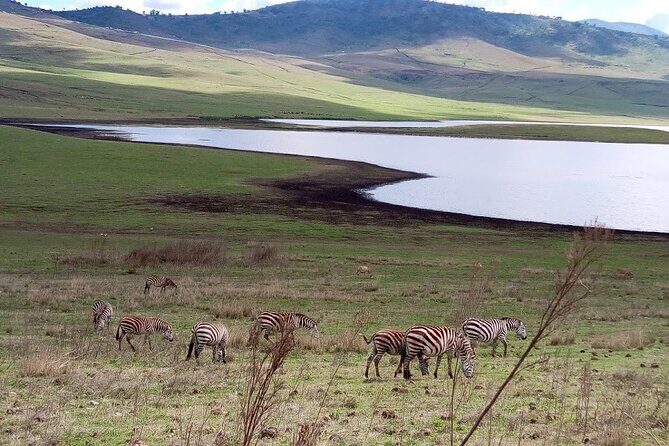
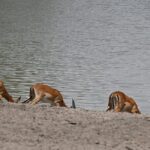
For big animals, the trip overview includes lions, giraffes, buffaloes, wildebeests, and zebras alongside elephants. That’s important because it widens your day. You can get an elephant moment early, then still have reason to stay alert for other species later.
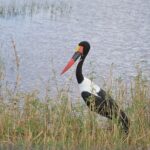
Then there’s the bird side. Tarangire has 550 different bird species, and that makes it one of the strongest options if you enjoy birdwatching without treating it like a special separate mission. Even if you’re not carrying hardcore equipment, birds add texture. They make the park feel busy in a quiet way—calls, movement in trees and ground cover, and the occasional sighting that feels more like a flash than a statue.
Baobabs also show up in the way people describe the park, which is great for photos and for atmosphere. The trees give the savannah a sculptural look, and they make the wildlife scenes feel grounded rather than like generic grass-and-sky.
And then there’s the “maybe” category: a python. The highlights mention that if you’re lucky, you might spot one. I’d treat that as a bonus, not a requirement. Safari days work best when you plan to be happy with whatever shows up first.
Avoiding the biggest crowd traps while still seeing the highlights

One of the stated upsides is that Tarangire helps you avoid busy crowds of other popular parks. That matters more than people expect. Big crowds can change your experience in small ways: more vehicles, slower movement, and animals that change behavior around constant noise and viewing pressure.
Tarangire’s reputation for peace and quiet gives you space to watch without feeling like you’re queued up. That makes it easier to notice details—how elephants move through the same paths repeatedly, where they pause to feed, and what changes when herds drift closer or farther from the road.
This quiet advantage pairs well with the group size too. The experience has a maximum of 4 travelers, which usually means less jockeying for views and fewer “stop-and-start” interruptions. You’re less likely to feel like a ticket number. Instead, it feels closer to a shared day with your small group and your guide.
Getting value from the $300 price tag
At $300 per person, the only smart way to judge the value is to ask what you’re buying besides a drive into the bush.
You’re buying:
- hotel pickup from Arusha and a full day out
- a controlled group size (max 4)
- guidance in a safari vehicle during park time
- packed lunchboxes and water included
- mobile ticketing and confirmation at booking
That package is what justifies the cost more than the wildlife list. Safari days take time, fuel, staff planning, and park access. A well-run operation reduces wasted hours, and in wildlife viewing, saved hours often equals more animal sightings—especially early in the day.
Also, Tarangire’s year-round wildlife and elephant density make it a strong option for people who don’t want to gamble on the “right season.” When a park is consistently alive, you’re less likely to feel like you paid for a maybe.
My practical take: if you want an elephant-focused day trip with fewer crowds, small-group attention, and decent creature comforts, the price looks reasonable. If you’re only interested in a single animal species and hate long days, you might want to compare alternatives.
Who this Tarangire day trip is best for

This is a strong fit if you:
- want a full-day safari without dealing with massive crowds
- care about elephants as the centerpiece
- enjoy birdwatching or at least want bird life in the mix (with up to 550 species)
- prefer a smaller group experience with a calmer pace
It’s also a good option for couples and small friend groups who want to share the day but still keep the vibe intimate. Because the maximum is 4 travelers, your guide can usually spend more time explaining what you’re looking at rather than juggling a big group.
If you’re traveling as a solo and you like meeting people through shared activities, the small group size can be a plus too. Just keep in mind the day is long—about 12 hours—so it’s best if you’re okay with an early wake-up.
Should you book this Tarangire day trip with Rupia Adventure?
If your goal is to see elephants in a park that stays active year-round, I’d book this. The elephant density, the year-round support from the Tarangire River, the birdwatching angle (550 species), and the small group size all point to a day that’s built to maximize your odds and keep the experience comfortable.
I’d hesitate only if you’re sensitive to long, early days or if you need guaranteed sightings of specific animals like a python. Safari luck is real. But the way this trip is set up—early start, packed food and water, and organized support—helps you squeeze the most wildlife value out of a single day.
FAQ
What time does the Tarangire National Park day trip start?
The trip starts at 6:00 am.
How long is the day trip?
The duration is about 12 hours.
Do you pick up from hotels in Arusha?
Yes, pickup is offered from your hotel in Arusha.
How long is the drive to Tarangire National Park?
The drive is about 2–3 hours to reach the park.
What wildlife should I expect to see?
You can expect elephants, lions, giraffes, buffaloes, wildebeests, and zebras. A python is possible if you are lucky.
Is birdwatching good at Tarangire?
Yes. Tarangire is home to about 550 different bird species.
Can you see wildlife any time of year?
Yes. The park has animal life year-round, and the Tarangire River has water all year round.
Is lunch and water included?
Yes. Lunchboxes and water are provided.
How do I get my ticket?
You receive a mobile ticket, and confirmation is received at the time of booking.
What happens if the weather is bad or I cancel?
The experience requires good weather. If it is canceled due to poor weather, you will be offered a different date or a full refund. You can cancel for free up to 24 hours in advance for a full refund.