REVIEW · ARUSHA
Tanzania Trip Amazing Tarangire Ngorongoro and Manyara
Book on Viator →Operated by Serengeti One Safaris · Bookable on Viator
Few places deliver awe this fast.
What I love about this Tanzania trip is the local-guided safari focus and the way it mixes big wildlife days with human-scale experiences, like the Mto Wa Mbu village walk and Materuni coffee and waterfall time. You also get the comfort of private transportation and meals planned for your group up to 6, so your day isn’t spent wrangling logistics. One thing to consider: it’s a packed route with long drives and full safari hours, so it rewards people who are ready for early starts and lots of time in the vehicle.
I especially like that the guide work is framed around your interests, not a fixed script. Names that show up in traveler stories include Willi (German-speaking), Joseph, Frank, and Clever, and the common thread is they stay alert for animals and adapt to how your group wants to pace the day. Expect a steady rhythm of park time, then camp, then more park time—no sleepy sightseeing detours.
In This Review
- Key highlights you’ll feel in real life
- Arusha arrival and town time that sets the tone
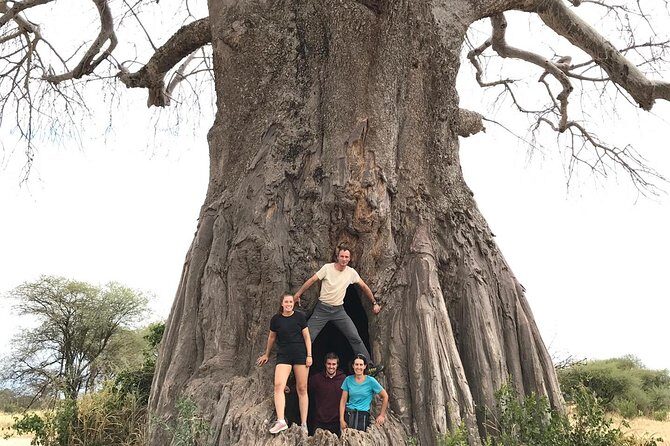
- Tarangire National Park: elephants, baobabs, and a long first wildlife day
- Lake Manyara and Mto Wa Mbu: wildlife in a compact park, people up close
- Ngorongoro Crater: the descent day with scale you can’t fake
- Materuni Waterfalls: coffee, village life, and a cool pool
- Price and value: what your $1,904.62 actually buys
- The guides make it: local expertise and real responsiveness
- How long days feel on the ground (and how to handle them)
- Who should book this Tanzania route (and who might hesitate)
- Should you book this tour?
- FAQ
- What parks and areas are visited on this 5-day trip?
- Is this tour private?
- What’s included in the price?
- Are entrance fees included for the activities?
- Does the tour include an air-conditioned vehicle?
- What happens if I need to cancel?
Key highlights you’ll feel in real life
- Private, up to 6-person safari: quieter vehicle vibes and easier pace control for your group.
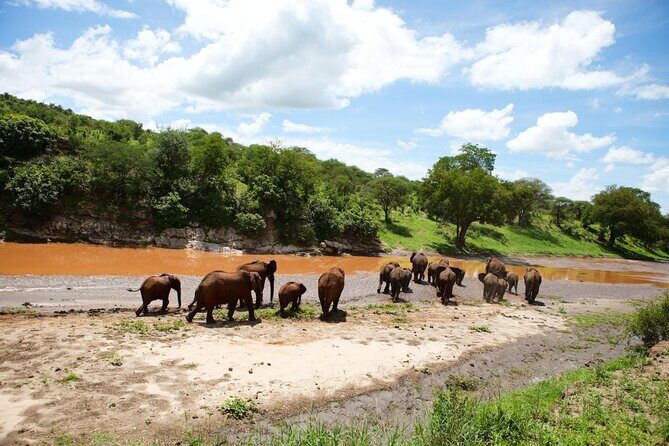
- Tarangire elephants plus baobab scenery: a classic Tanzania combo with lots of animal time.
- Lake Manyara variety in 6 hours: flamingos when conditions allow, plus predators and big herbivores.
- Ngorongoro crater scale: a proper caldera day with rainforest descent and big wildlife density.
- Culture stops that aren’t just photo stops: Mto Wa Mbu walking safari and Materuni village time.
- Coffee and waterfall day trip: Kilimanjaro foothills without needing extra planning.
Arusha arrival and town time that sets the tone
Your trip starts in Arusha, with pickup arranged and a guide meeting you when you arrive at JRO. You’ll transfer to your lodge, then get a break for about 2 hours before going out for a town tour. That pause matters. It helps you reset after travel and keeps day one from feeling like nonstop pressure.
Then you’ll do two simple but useful stops: the Arusha town tour and a visit to the Maasai market, where you can see how local sellers interact with tourists. It’s not a long cultural lecture—more like a low-stakes way to get oriented and meet people early, before you head into safari mode. Admission for these parts is listed as free, which also keeps costs under control.
Practical note: if you arrive with jet lag, use the 2-hour lodge break to recharge fully. You’ll be more alert for the short town walk, and it will pay off later when you’re spotting animals through the vehicle windows.
You can also read our reviews of more tours and experiences in Arusha.
Tarangire National Park: elephants, baobabs, and a long first wildlife day
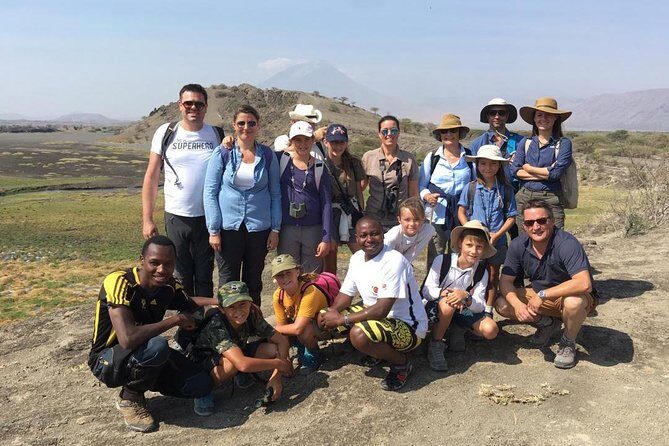
Day two is all about Tarangire National Park, and you’ll spend a solid chunk of the day there—listed at 8 hours. The drive from Arusha is typically 2–3 hours, and that’s your first chance to settle into safari rhythm: scanning for wildlife, watching the vegetation change, and getting used to the vehicle pace.
Tarangire is known for its elephants, and the park is named after the Tarangire River, which acts as a key water source for animals. What I like here is the park’s mix of terrain: it has hilly ground and different vegetation zones, plus the iconic savannah look with baobab and acacia trees. In plain terms, it’s the kind of place where you keep seeing “Tanzania” even before you spot the animals.
You’ll likely notice that animals can feel both close and far—close because elephants are common, far because the trees and open savannah break up your sightlines. That’s good for photography and great for staying patient. Overnight is at Maramboi tented camp, so you get the classic “camp under the sky” feeling after a full day on the move.
One consideration: Tarangire is long day energy. If you hate sitting in a vehicle, plan for comfort basics—good layers, sunscreen, and a place to stash water and snacks.
Lake Manyara and Mto Wa Mbu: wildlife in a compact park, people up close
On day three you’ll head to Lake Manyara National Park for about 6 hours of safari time. Even though it’s shorter than some other big park days, Manyara is known for variety: it can bring flamingoes, and it’s also a place where you can see lions and a wide range of classic species like elephants, giraffes, zebra, wildebeest, and Cape buffalo. You may also encounter smaller, easy-to-miss animals such as Kirk’s dik-dik and klipspringer.
I like this day because it’s not only “bigger is better.” It’s a compact safari where your guide can focus the drive and your viewing time stays efficient. You’re more likely to feel you’ve really covered the park than to just pass through it.
Then you shift gears to the Mto Wa Mbu area for a culture program. You’ll have hot lunch at Mto wa Mbu village, then do a walking safari and interact with local people. This is a big part of why this itinerary works: wildlife is only half the story. You get a better sense of daily life around the safari region without turning it into a shopping sprint.
Tip for this day: wear shoes you can walk in comfortably. A short village walk can still be dusty and uneven, and you’ll enjoy the animal-and-people mix much more if you’re not thinking about your feet.
Ngorongoro Crater: the descent day with scale you can’t fake
Day four is where the itinerary goes big: Ngorongoro Crater. After breakfast, you drive and then spend time on a long crater game drive—your day is listed at 10 hours. The crater itself is described as the largest caldera in the world that still keeps its walls intact, and those walls matter because they create a kind of enclosed ecosystem.
Here’s what makes it special, and what you’ll feel even if you’re not a geology nerd: there are about 30,000 animals in the crater and 350 different bird species, all with access to water year-round. And yes, the descent is part of the show. Once you enter, you pass through lush rainforest before heading down into the crater floor. Then you arrive at the crater floor, around 260 km², while the rim towers roughly 600 meters above you. The rim is also noted as about 2,200 meters above sea level, so the air can feel different.
What I like about Ngorongoro is that you’re not just searching for one animal. You’re scanning an entire system—big herbivores, predators, and birds—within a confined viewing space. A good guide also helps you understand where to look and when. That’s where local knowledge turns into real value.
One consideration: long crater days can mean more sitting, more sun exposure, and more walking at viewpoints if you choose to. Pack for comfort and plan to stay hydrated.
Materuni Waterfalls: coffee, village life, and a cool pool
Your final day is a change of pace: Materuni Waterfalls and Materuni village near the Kilimanjaro foothills. This is set up as a day trip that can work from Arusha or Moshi, and it’s described as a look into everyday Tanzania away from the usual tourist trail.
You’ll start after breakfast with the drive to Materuni village. Then you sample locally grown produce, which gives you a real-world taste of what people are working with. After that, there’s a chance to dip in a cool waterfall pool—so bring a swimsuit or quick-dry layer if that’s your style.
Coffee is a big highlight on this day. You’ll tour a local coffee plantation and learn how coffee is grown, then try your hand at roasting and grinding your own coffee. I like this because it’s not just a story you hear—it’s hands-on. Even if you’re not a coffee superfan, the process makes the taste make sense.
Practical note: waterfalls days can mean wet ground and mud. Wear shoes that can handle getting a little dirty, and consider a small dry bag for your phone and camera.
Price and value: what your $1,904.62 actually buys
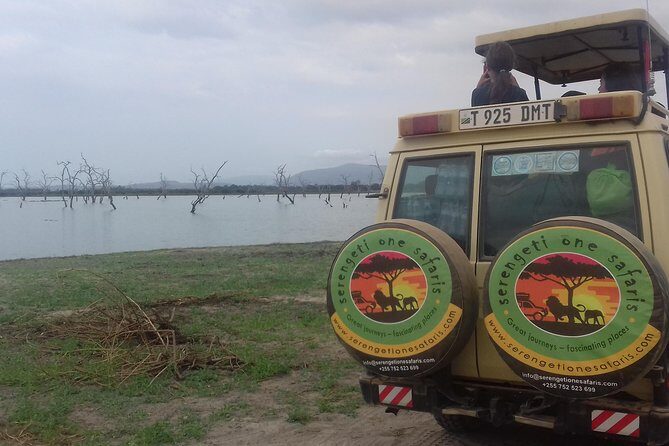
The price is $1,904.62 per group, sized for up to 6 people, and the tour is private. That means the cost per person depends on whether you fill the group. If you book with a full group of 6, you’re roughly at about $317 per person for this 5-day mix of parks, culture time, and meals. If the group is smaller, the per-person math rises—but you still benefit from the private setup and planned logistics.
This trip includes private transportation and meals: breakfast (4), lunch (4), dinner (4). That’s meaningful value in safari travel because eating out every day can quickly become expensive, and meal planning also reduces decision fatigue after long game drives.
What’s not included is listed as air-conditioned vehicle, plus use of scuba equipment (which is basically irrelevant here). So if you get overheated easily, plan for hot-weather comfort. Think layers you can manage in a warm vehicle, plus water and sun protection.
Also, you’re getting a mobile ticket, and confirmation is received at booking. For many people, that cuts down stress before departure.
The guides make it: local expertise and real responsiveness
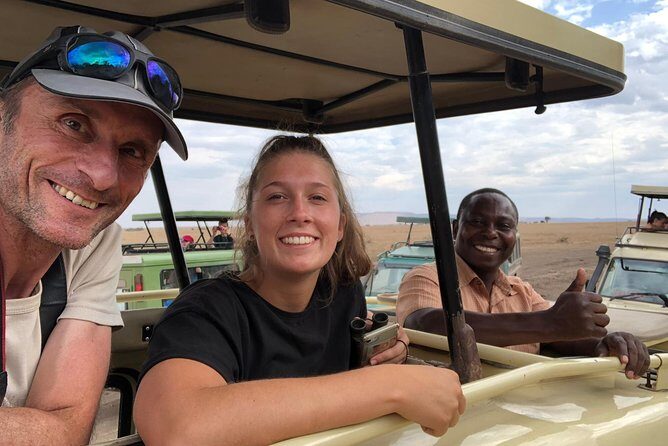
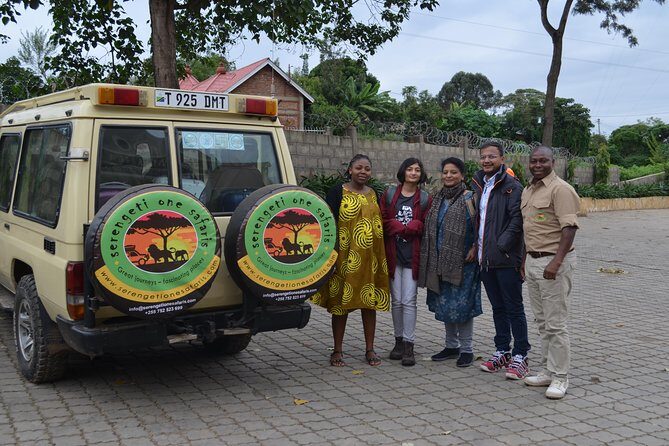
This experience stands out for one big reason: you’re guided by a local person who knows the area well and works based on your group’s interests. In the stories tied to this tour, guides show up as problem-solvers in the field—scanning ahead, finding good viewing angles, and keeping the day aligned with what the group wants to see.
Names that come up include Willi (German-speaking), Joseph, Frank, and a guide referred to as Clever. Multiple accounts mention the guide being a strong driver and staying alert for animals, plus adapting to schedules and preferences. One story also mentions camp staff and friendly camp management, including Johnson, which hints that the experience isn’t only about the driving and the parks—it’s about how the whole day feels.
What you should do as a smart client: at the start of the trip, tell your guide what you care about most. If you’re animal-first, say so. If you want more culture time, mention that early. A guide who adapts can save you hours of wasted searching.
How long days feel on the ground (and how to handle them)
This itinerary uses a classic safari pattern: longer park time, then camp or meals, then another long wildlife block. Expect at least one day that stretches to a full crater schedule, plus a Tarangire day that runs 8 hours and a Manyara day at 6 hours.
That doesn’t mean it’s uncomfortable. It means you should treat safari as a full-day activity, not a half-day sightseeing add-on. If you go in expecting short walks and quick photos, you may feel impatient. If you go in expecting patience and slow scanning, you’ll feel rewarded.
The cultural portions also take time. The Mto Wa Mbu walking safari and Materuni coffee and waterfall day trip give your brain a break from wildlife scanning while keeping the trip meaningful.
Small sanity tip: pack one small personal comfort item you love—favorite snack, light hat, or a good lip balm. Safari sun can be sneaky, and comfort helps you focus on what matters.
Who should book this Tanzania route (and who might hesitate)
This tour fits best if you want a mix of big wildlife and hands-on culture in one streamlined 5-day package. It’s set up for most people to participate, and it’s private, so it’s a decent choice for friend groups who want to keep control of the pace.
It might feel less ideal if you have mobility limits, because safaris include lots of sitting and crater viewpoints may require some standing and walking. Also, if you strongly dislike long driving days, you’ll want to weigh whether Tarangire plus Manyara plus Ngorongoro is your ideal pace.
For couples, it can be great because private transportation reduces the awkwardness of sharing your schedule with strangers. For families, it depends on kids’ endurance, especially on the longer park days.
Should you book this tour?
I think you should book this if you want a well-run, private Tanzania safari loop that doesn’t treat culture as an afterthought. The strongest points are the guide-led animal hunting, the efficient park coverage, and the fact that you get both Mto Wa Mbu village time and Materuni coffee and waterfalls. The value works especially well when your group fills the up-to-6 slots.
I’d reconsider if you need an air-conditioned vehicle, hate long days in the vehicle, or you’re looking for a totally relaxed itinerary with lots of free time. If that’s you, you can still enjoy Tanzania, but you may want a shorter or more flexible plan.
FAQ
What parks and areas are visited on this 5-day trip?
You’ll spend time in Tarangire National Park, Lake Manyara National Park, and Ngorongoro Crater. You’ll also do time in Arusha (including a town tour and the Maasai market) and a day trip to Materuni Waterfalls and Materuni village.
Is this tour private?
Yes. It’s a private tour/activity, and only your group participates. The group size is up to 6 people.
What’s included in the price?
The tour includes private transportation and meals: breakfast (4), lunch (4), and dinner (4). A pickup is offered, and you’ll also have a mobile ticket.
Are entrance fees included for the activities?
For the listed stops, admissions are marked as free for parts of Arusha and Tarangire, and included for Lake Manyara, Mto Wa Mbu culture program, Ngorongoro Crater, and Materuni Waterfalls.
Does the tour include an air-conditioned vehicle?
No. Air-conditioned vehicle use is listed as not included.
What happens if I need to cancel?
You can cancel up to 6 days in advance for a full refund. If you cancel later, refunds drop to 50% for cancellations 2–6 days before start time, and there is no refund if you cancel less than 2 days before. If the experience is canceled due to poor weather, you’ll be offered a different date or a full refund.