REVIEW · ZANZIBAR CITY
Zanzibar: Stone Town Tour with Slave Market Ticket
Book on GetYourGuide →Operated by Island Adventure Tours and Safaris · Bookable on GetYourGuide
Stone Town hits you fast, even at walking pace. In just 3 hours, you’ll move through Zanzibar’s UNESCO streets, where Swahili culture blends Arabic, Indian, European, and Portuguese influences into one compact maze of history and daily life.
I especially like two things here. First, the start at the Former East Africa Slave Market gives you a structured entry point into the trade routes and the people affected by them, and your ticket is included. Second, the tour is packed with famous stops you’d miss on your own—Beit el-Ajaib (House of Wonders), the Sultan’s Palace area, and the photo-worthy Freddie Mercury childhood-home stop—without turning the whole day into a museum marathon.
One consideration: tour quality can vary by guide and timing. In past bookings, I’ve seen complaints about a late guide or English that wasn’t easy to follow, so it’s worth confirming meet-up timing and going in ready with questions you care about.
In This Review
- Key things I’d watch for before you go
- Stone Town on foot: why 3 hours works
- What you’ll notice quickly
- The Former East Africa Slave Market ticket: heavy, but anchored
- How to handle this stop (practical advice)
- Narrow streets and Zanzibar doors: seeing architecture with context
- The “small details” that actually matter
- Darajani Market and City Market: where Zanzibar smells like Zanzibar
- If you plan to snack or buy spices
- Zanzibar Coffee House: a calm pause you’ll appreciate
- Sultan’s Palace: power, symbols, and stories
- Forodhani Gardens: where the tour turns to food
- Timing note
- House of Wonders (Beit el-Ajaib): the tallest stop of the day
- Old Portuguese Fort / Old Fort: from battles to surviving edges
- Freddie Mercury stop: the music connection, plus the ticket reality
- Notre Dame of Zanzibar: the final architectural contrast
- Shopping time: how to browse without losing track
- Price and logistics: is $29 a good deal?
- Who gets the best value
- Who may feel shortchanged
- Guide quality: what to do to protect your experience
- Who this tour suits best (and who should skip)
- Should you book this Stone Town tour with the slave market ticket?
- FAQ
- How long is the Stone Town tour?
- What does the ticket include?
- How much does it cost?
- Is the Freddie Mercury Museum included?
- Do I get hotel pickup?
- Is the tour mostly walking?
- What languages are offered?
- What are the main stops on the route?
- Where does the tour end?
- Can I cancel for a refund?
Key things I’d watch for before you go
- Slave Market ticket included: you start with the Former East Africa Slave Market, then continue on foot through the historic core
- A real walking route: you’ll cover narrow lanes, old buildings, and market streets, with some shopping time built in
- Forodhani Gardens is the food moment: expect street-snack options and classic choices like Zanzibar pizza and sugarcane juice
- Beit el-Ajaib is a centerpiece: the House of Wonders is described as the tallest building in East Africa
- Freddie Mercury stop has an extra ticket reality: you’ll likely need to pay separately for the Freddie Mercury Museum
Stone Town on foot: why 3 hours works
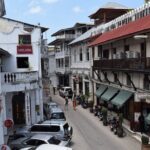
Stone Town is compact, but it’s not simple. The streets twist. The architecture changes block by block. When you walk with a guide, you don’t just see doors and balconies—you learn what you’re actually looking at: trade-era wealth, cultural mixing, and how the city grew around commerce and power.
In this tour, the timing works because you’re not trying to cover everything. You get a guided storyline plus time to browse markets. You also get the kind of practical rhythm that helps: stop, explain, look closely, then move on before the lanes start to blur together.
You can also read our reviews of more tours and experiences in Zanzibar City.


What you’ll notice quickly
- The narrow streets feel like they’re designed for secrets and shortcuts.
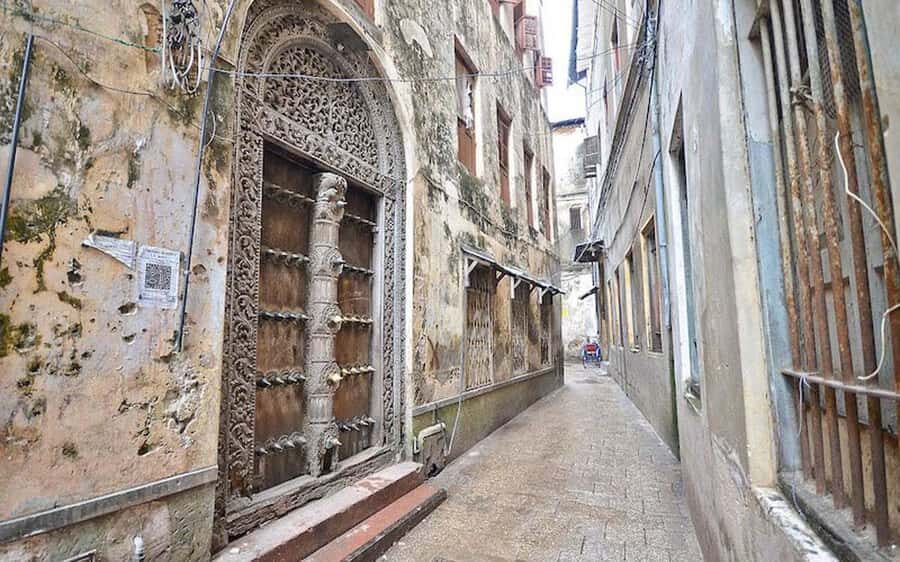
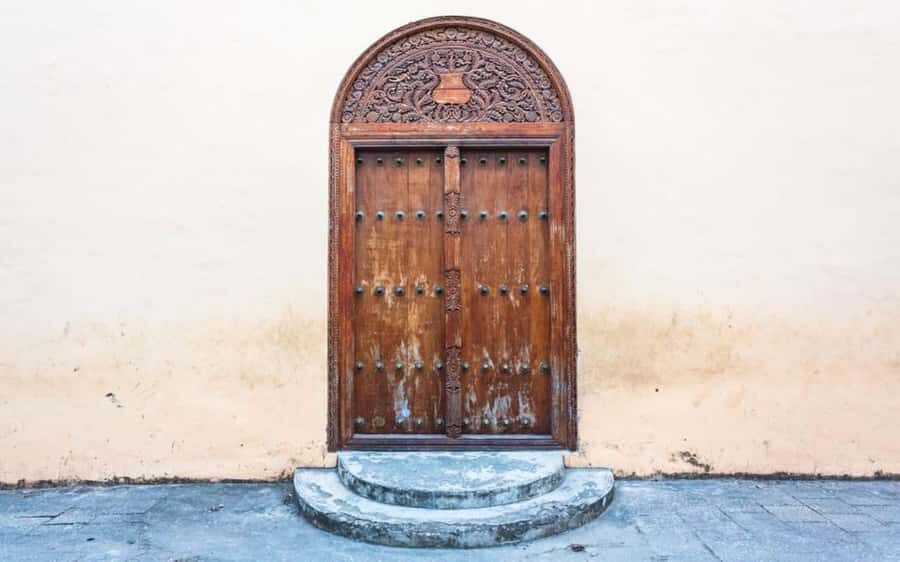
- The carved Zanzibar doors and grand balconies are not decoration—they’re statements of status.
- The city’s mix of influences is visible in styles, names, and places of worship.
If you’re the type who likes a clear “what to look for” list, you’ll get a lot out of this format.
The Former East Africa Slave Market ticket: heavy, but anchored
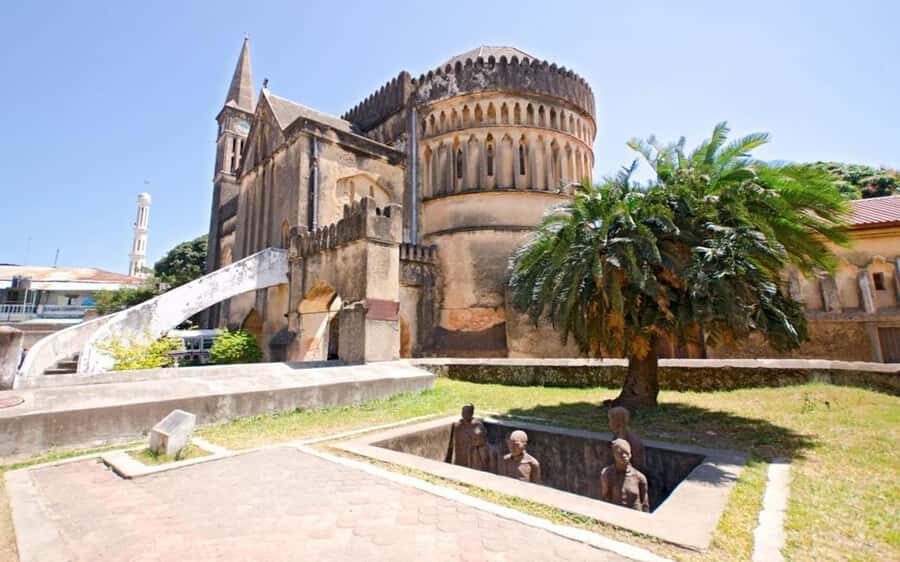
The tour begins at the Old Slave Market, which today functions as an Anglican Church. That matters. Starting here keeps the day from becoming a sightseeing slideshow. You learn about the East African slave trade routes and the human cost behind them, and you do it at the actual site that anchors the story.
Your ticket to the former slave market is included, which is a big value point on its own. It also reduces friction: you don’t have to hunt for entry lines while everyone else is already walking.
How to handle this stop (practical advice)
This is the kind of historical context that can feel emotionally intense. If you know you prefer lighter content, you might still want to go—but set expectations for the tone. Also, if you’re worried about the inclusion working smoothly, keep your eyes open for any ticket details the guide mentions at the start.
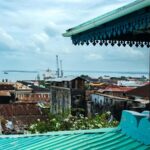
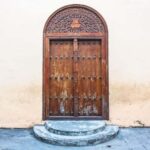
Narrow streets and Zanzibar doors: seeing architecture with context
After the first heavy stop, Stone Town becomes more legible. You start noticing patterns: door carvings, window shapes, old building facades, and how the city’s lanes connect major landmarks.
You’ll pass by places linked to the Swahili world and also the outside influences that shaped it over centuries. The goal isn’t to memorize dates. It’s to understand why the city looks the way it does.
You can also read our reviews of more shopping tours in Zanzibar City

The “small details” that actually matter
When a guide points out Zanzibar door design or explains the mix of influences, it helps you look longer at what you might otherwise skip. And if you like photos, the narrow lanes deliver better compositions than big, open plazas.
Darajani Market and City Market: where Zanzibar smells like Zanzibar
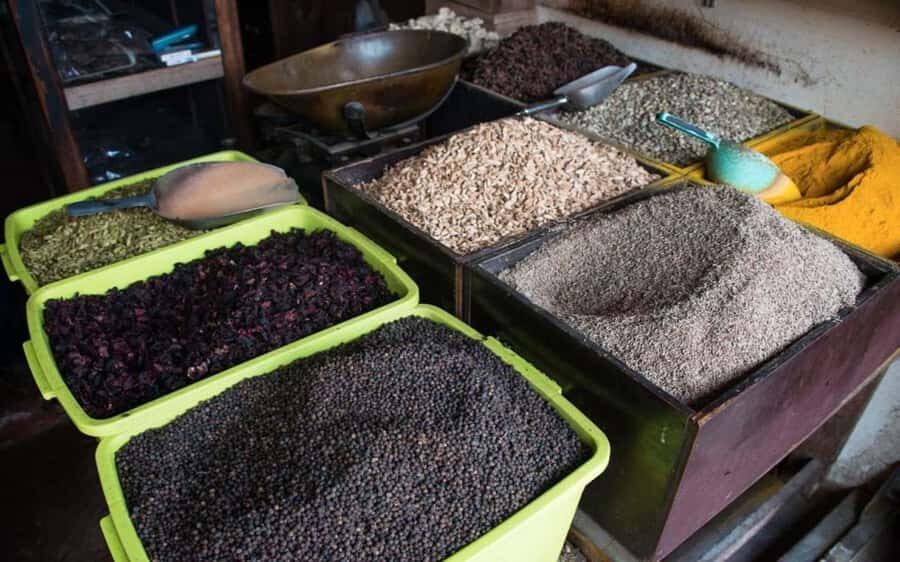
Market time is one of the strongest parts of a Stone Town visit, because it connects history to daily life. On this tour, you’ll visit Darajani Market, where you can see fresh fruits, vegetables, meats, fish, and spices. You’ll have a chance to shop, take photos, and try local treats.
You may also pass through the area connected to City Market established in 1904. Even when you’re just walking through, it’s a reminder that Stone Town isn’t preserved—it’s lived in.
If you plan to snack or buy spices
Bring small cash and expect haggling. Food and snacks aren’t listed as included, so treat market sampling as a choose-your-own-adventure part of the tour. If you’re sensitive to very strong flavors or smells, you can still enjoy the atmosphere without going overboard on tasting.
Zanzibar Coffee House: a calm pause you’ll appreciate
At some point during the street-walking stretch, you’ll stop at the Zanzibar Coffee House for a coffee break. This is a smart moment. It gives you a breather in the middle of the lanes and shopping, and it also helps you reset your brain after the heavier early history.
If you’re traveling in warm weather, that sit-down pause can make or break the experience. You’ll come away ready for the next landmark rather than rushing through it just to “finish the route.”
Sultan’s Palace: power, symbols, and stories
Next up is the Sultan’s Palace. Even if you’re not a palace person, this stop is useful because it shows you how political authority shaped the city’s layout and architecture. Think of it as a bridge between trade wealth and the built environment you’re seeing all around you.
The guide’s job here is to make the site understandable. Without that context, you’d mostly be looking at walls and yards. With it, you start seeing the bigger picture.
Forodhani Gardens: where the tour turns to food
Forodhani Gardens is described as a popular evening spot, and it’s easy to see why. You’ll find options like seafood, sugarcane juice, barbecues, and the famous Zanzibar pizza.
This part is great if you like the idea of ending a walking tour with something sensory—smell, sizzle, street energy. It’s also practical: you can decide what you actually want to eat rather than being locked into a fixed meal.
Timing note
Because the tour is only about 3 hours, your time here is not meant to be an all-night hangout. If you want a full dinner experience, you can treat this stop as a taste before you continue exploring on your own.
House of Wonders (Beit el-Ajaib): the tallest stop of the day
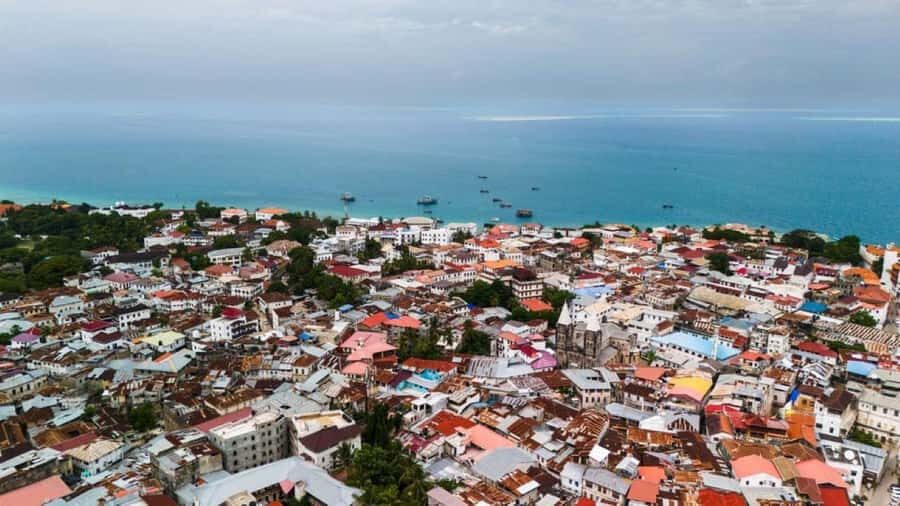
One of the most eye-catching landmarks on the route is the House of Wonders (Beit el-Ajaib), described as the tallest building in East Africa. It’s the kind of place that naturally grabs attention—so much so that it can easily become just a photo stop if the explanation is thin.
In this tour, the idea is that you get the “why” too: ceremonial history and the mysterious stories attached to it. That’s what turns it from architecture to meaning.
Old Portuguese Fort / Old Fort: from battles to surviving edges
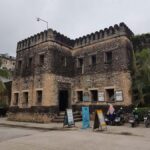
You’ll then head to the Old Fort, tied to the Portuguese era and described as having served multiple roles, including a battleground and a primitive railway station.
This is another stop where context matters. The fort isn’t just a structure. It’s a clue about how Zanzibar’s strategic importance played out over time—through conflict, commerce, and changing technology.
If you’re interested in how ports and empires overlap, you’ll likely find this segment especially satisfying.
Freddie Mercury stop: the music connection, plus the ticket reality
This tour includes a stop connected to Freddie Mercury, Queen’s frontman—specifically near his childhood home for photos and a bit of background.
Here’s the important part: entry to the Freddie Mercury Museum is not included, and it’s listed at about $8 per person. So you have two paths:
- If you care most about the outside story and photos, you may be fine without the museum entry.
- If you want the museum itself, budget the extra cost in advance so it doesn’t feel like a surprise mid-tour.
Past experiences also suggest that clarity matters. If you’re deciding on the museum, ask the guide how the timing fits your tour schedule.
Notre Dame of Zanzibar: the final architectural contrast
To close out the landmark set, you’ll visit the French Catholic Cathedral (Notre Dame of Zanzibar) in the heart of Stone Town.
This stop adds a different visual mood. Where you’ve spent the day moving through palace power, forts, and trade memory, the cathedral brings a church-and-community perspective. It’s a good landing point before you return to the maze of lanes for shopping and browsing.
Shopping time: how to browse without losing track
The tour ends with a leisurely walk through narrow streets where you can explore souvenir shops and boutiques before returning to your pick-up point or hotel.
For shopping, I like to treat it as a focused walk:
- Don’t buy everything on the first pass.
- Compare a couple of places for price and materials.
- If you’re buying spices or items for gifts, ask about what it is and how it’s packaged.
The guide can also help with practical buying questions, and that kind of support is where good guiding really shines.
Price and logistics: is $29 a good deal?
At $29 per person for about 3 hours, the tour can be good value—especially because the Former East Africa Slave Market entry ticket is included and bottled water is provided.
The main “cost check” is what’s not included. The Freddie Mercury Museum is extra (about $8), and of course personal shopping and food are on you. That’s normal, but it means the true cost depends on how hungry and how museum-inclined you are.
Who gets the best value
You’ll get strong value if you:
- Want a guided storyline through major landmarks
- Like markets and short shopping opportunities
- Appreciate context more than solo wandering
Who may feel shortchanged
If you prefer deep museum time, or if you dislike walking in hot weather, three hours may feel rushed. Also, because past bookings have included complaints about late guides or clarity of English, you should mentally plan to ask questions early and, if something feels off, address it immediately with the guide or provider.
Guide quality: what to do to protect your experience
The reviews connected to guides are mixed, and that’s not rare with walking tours in old-city settings. If you get a strong guide, the whole day clicks—especially around the darker historical anchor and the meaning of the architecture.
If you’re aiming for the best experience, here’s how I’d protect it:
- Arrive a bit early at the meet-up point.
- Have 2-3 questions ready so you can judge how well the guide answers.
- If language is an issue, ask for clarification on key topics right away.
Some bookings specifically name a guide named Mbwana/Nbwana as excellent—especially for explaining Zanzibar’s history and helping with questions and purchases. That’s a hopeful sign, but your best move is still active communication on the ground.
Who this tour suits best (and who should skip)
This tour is a great match if you want:
- A guided Stone Town introduction that hits major sites fast
- A starting point at the slave market site that sets the day’s tone
- Time for Darajani Market and a planned stop at Forodhani Gardens
- A manageable 3-hour walking route with a built-in coffee break
It’s less ideal if:
- You only want light, purely scenic stops
- You hate walking narrow streets and shopping crowds
- You need very specific museum access beyond what’s included
Should you book this Stone Town tour with the slave market ticket?
If you’re visiting Zanzibar for the first time and you want a guided way to understand Stone Town’s architecture, markets, and the trade-era history behind it, I think this is a solid booking. The inclusion of the Former East Africa Slave Market ticket is a strong plus, and the route is designed to give you both landmarks and everyday Zanzibar.
Book it if you like structure and context—and if you’re comfortable adding a little extra for the Freddie Mercury Museum if you want it. I’d hold a slightly more cautious expectation if you’re very sensitive to timing or language clarity. Arrive early, ask questions early, and keep your priorities clear.
If you do that, you’ll walk away with Stone Town not just as photos, but as a place you actually understand.
FAQ
How long is the Stone Town tour?
The tour lasts about 3 hours.
What does the ticket include?
It includes the guided tour services and an entry/admission ticket to the Former East Africa Slave Market, plus bottled water.
How much does it cost?
The price is listed as $29 per person.
Is the Freddie Mercury Museum included?
No. Entry/admission to the Freddie Mercury Museum is not included (listed at about $8 per person).
Do I get hotel pickup?
Pickup is included from Stone Town hotels.
Is the tour mostly walking?
Yes. It’s described as a 3-hour walking tour through narrow streets and shopping areas.
What languages are offered?
The guide is available in English, French, German, and Italian.
What are the main stops on the route?
You’ll visit landmarks including the Old Slave Market, Darajani Market, Zanzibar Coffee House, the Sultan’s Palace, Forodhani Gardens, the House of Wonders (Beit el-Ajaib), the Old Fort, the Freddie Mercury childhood-home area, and Notre Dame of Zanzibar.
Where does the tour end?
It wraps up with a return walk through narrow streets, then you return to your pick-up point or hotel.
Can I cancel for a refund?
Free cancellation is available up to 24 hours in advance for a full refund.