REVIEW · TANZANIA
2 Day Tanzania Tour
Book on Viator →Operated by Mbuni Tours And Safari · Bookable on Viator
Two days, two wildlife worlds, one big payoff. This compact safari connects Tarangire and Ngorongoro in a way that’s easy to plan, yet still feels like real safari time in northern Tanzania. You’ll move fast, learn a lot, and chase animals where the action is.
I especially like how Tarangire’s permanent water keeps wildlife moving and visible, even when the rest of the region gets dry. I also love the Ngorongoro part: that early crater descent down to prime viewing, then a picnic break near the hippo lake before more wildlife spotting.
One consideration: it’s a tight schedule with very early departures and long vehicle hours (each day is around 8 hours), so you’ll want to be comfortable with mornings and driving.
In This Review
- Key Highlights You’ll Feel Right Away
- Tarangire National Park: Baobabs, elephants, and real dry-season timing
- Day 1 Flow: From Arusha to Tarangire with an early start that pays off
- Ngorongoro Conservation Area: The crater descent and why it changes everything
- Day 2 Flow: Crater-floor viewing plus a real lunch break
- Private Safari with Nickson: how the human factor shapes your sightings
- Price and Value: Is $865 per person fair for this 2-day plan?
- Timing, Drives, and What to Expect in Two Very Full Days
- Who This Safari Suits Best (And Who Might Want Longer)
- Should You Book the Tarangire + Ngorongoro 2-Day Safari?
- FAQ
- What parks are included in this 2-day tour?
- Where do we meet, and what time does the tour start?
- Is hotel pickup offered?
- How is the Ngorongoro day structured?
- Are park admission tickets included?
- Is this tour private?
- What ticket format do you receive?
- What is the cancellation window?
Key Highlights You’ll Feel Right Away
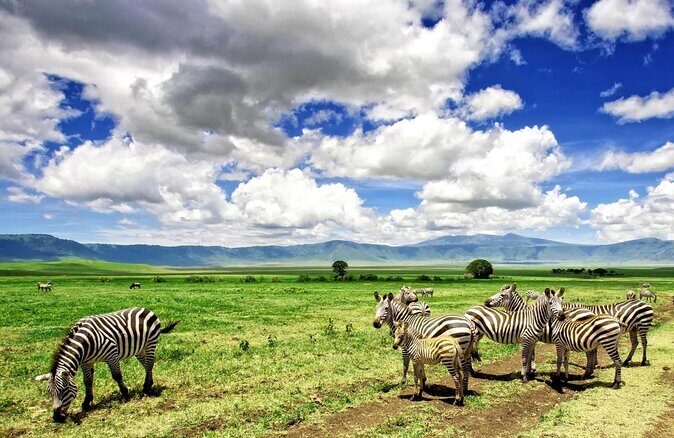
- Tarangire’s year-round water draw helps wildlife show up, especially in the dry season months.
- Crater-floor wildlife viewing at Ngorongoro with a memorable descent and a full day on the ground.
- Picnic lunch near the hippo lake adds a calm, scenic break between game drives.
- Private safari setup means your group stays together rather than getting mixed into strangers’ plans.
- Admission tickets included (listed as free) to keep your costs simpler on the ground.
- Mobile ticket and pickup support makes start-day logistics more straightforward.
Tarangire National Park: Baobabs, elephants, and real dry-season timing
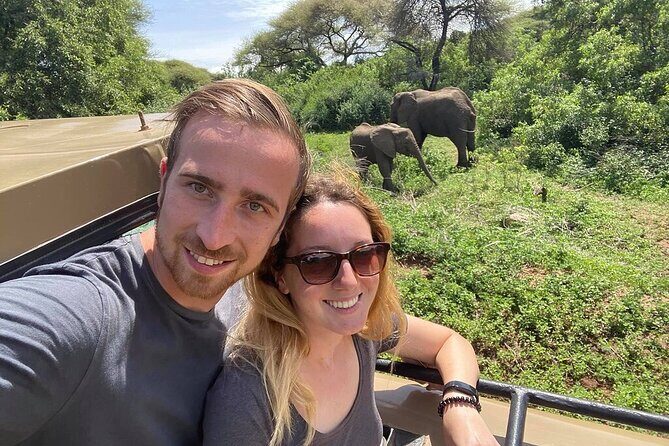
Tarangire is one of those parks that pays you back for starting early. The morning drive is part of the deal, because animals are more active and the light is better for spotting. Tarangire is also sized in a way that matters: it covers about 2,850 sq km, so you get room for varied habitat and multiple chances to find what you’re hoping for.
The big hook here is water. Tarangire’s landscape holds permanent water, which is why it can be such a strong choice in the dry season. The months called out for best conditions are June to October and December to February. In plain terms: when other places dry up, you’re more likely to see animals clustered around reliable water sources.
What that looks like in real safari terms is a park with strong visibility for elephants and other large mammals, plus predators when the timing is right. The park is also famous for its massive baobab trees. Even if you’re not chasing photos, baobabs give you a sense of place. They’re visual landmarks, and they help you understand how this ecosystem works: animals use the water and shade, and the birds and smaller creatures tend to show up as the day warms.
A practical note for your day 1: the program includes lunch inside Tarangire and then an afternoon game drive before moving to your lodge. That means you’re not just rushing through the park. You get a morning block for sighting potential and an afternoon block to catch different animal behavior.
The one thing to plan for is patience. Safari spotting is never guaranteed, but Tarangire’s water advantage gives you a better odds story than many short stops in other areas. If you want your safari to feel like you’re actually working the scene, Tarangire is a good place to do it.
A few more Tanzania tours and experiences worth a look

Day 1 Flow: From Arusha to Tarangire with an early start that pays off

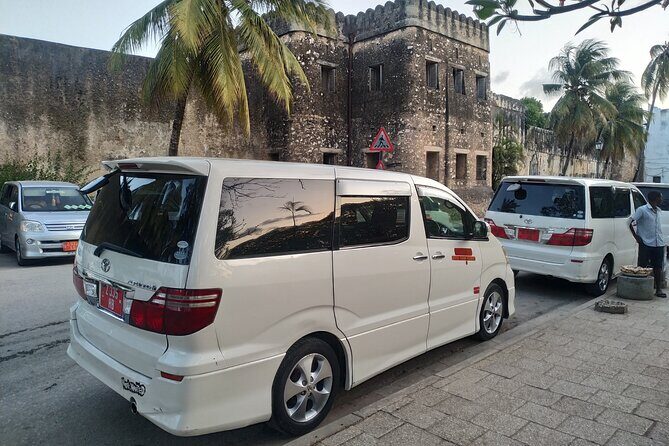
The tour begins in Arusha, with a listed meeting point at Shoppers Supermarket, Arusha and a start time of 6:00 am. That early start matters because it sets you up for a full day in the park rather than arriving halfway through the afternoon.
There’s also a hotel pickup noted for day 1, around 8:30 am. The important thing for you is that the schedule is built around timing: get out early, reach Tarangire while the light and animal activity are favorable, then stay through lunch and into the afternoon drive.
Day 1 is described as about 8 hours, and includes:
- Transfer to Tarangire
- Lunch inside the park
- Afternoon game drive
- Evening transfer to your lodge
Why this structure works: it balances travel time with actual viewing time. Some safaris feel like a long drive for a quick glimpse. This one keeps you on the game-drive track after lunch, when many people think spotting is slower. In reality, that afternoon drive can be when you catch different angles of behavior—animals moving between cover and water.
One small but useful detail: the itinerary lists admission ticket free for the day. That’s good value because it avoids an extra line-item cost surprise when you’re already paying a package price.
Ngorongoro Conservation Area: The crater descent and why it changes everything
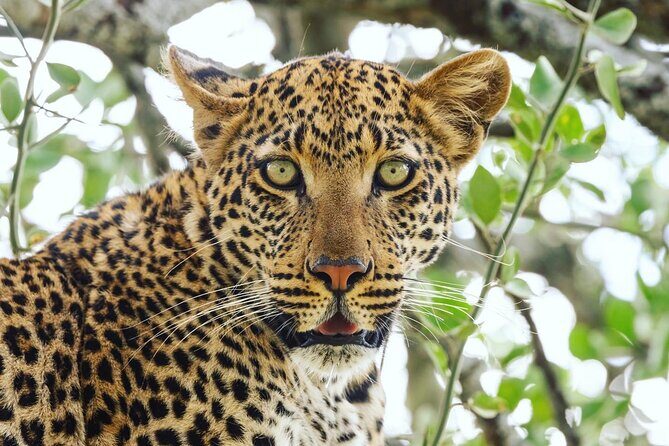
Ngorongoro is famous for a reason, but here’s the practical side that helps you set expectations. The experience is built around a very early start and a descend down to the crater floor for wildlife viewing. That crater setup changes your whole safari rhythm. Instead of a constant search, you’re scanning a defined stage where animals come into view at different distances.
The time on the crater floor is the point. The tour program includes a stop for a picnic lunch near the hippo lake, then more wildlife viewing in the afternoon. After that, you drive up the steep road out of the crater and return to Arusha.
What you should carry in your mind: the crater isn’t just a scenic “wow” moment. It’s a wildlife system packed into a bowl-shaped area. So when you’re positioned there early, your odds improve. Animals tend to settle into patterns—around water, grazing spots, and areas that offer cover. That’s why the plan includes both morning and afternoon blocks rather than one quick pass.
Also, the hippo lake detail is more than a quirky meal stop. Hippos can be part of your sighting story in and around that water area, and the lunch near there gives you a chance to observe the broader ecosystem without constantly driving.
The day 2 is also described as about 8 hours. You’re not only there to “see the crater.” You’re there long enough to do the descent, take the picnic break, then enjoy another game drive stretch before leaving.
And yes, the climb out is steep. That’s not the kind of thing you plan around with wishful thinking. If you’re prone to motion sickness, it’s worth taking your own precautions. If you’re okay with road time, the payoff is that you get to experience Ngorongoro the way it’s meant to be seen: from the top early, down on the floor, then up again before the day is done.
Day 2 Flow: Crater-floor viewing plus a real lunch break
Day 2 starts with that early push into Ngorongoro Conservation Area. From there, the program stays focused:
- Descend to the crater floor early for wildlife viewing
- Picnic lunch near the hippo lake
- Afternoon wildlife viewing
- Drive back up and return to Arusha
A lot of people think of safari lunches as a logistical pause. Here, it’s timed as part of your viewing plan. Sitting for a picnic near a water feature breaks the day into manageable chunks, so you don’t feel like your brain is stuck scanning for animals nonstop.
If you’re trying to maximize animal sightings, timing is everything. The schedule tries to give you both early and later viewing windows. Morning viewing often brings you calmer viewing conditions and active movement as the day warms. Afternoon viewing can reward you with different behaviors and shifts in where animals are spending their time.
You’ll also notice the “return to Arusha” part is included, which matters because it makes the tour feel like a true 2-day circuit rather than a one-park trip with a confusing halfway ending.
Private Safari with Nickson: how the human factor shapes your sightings
This is a private tour/activity, meaning only your group participates. That affects more than comfort. It also affects how flexible your guide can be. When you’re not sharing the ride and timing with other groups, you can often adapt more smoothly to what’s on the ground.
The reviews highlight a guide named Nickson, described as the best kind of guide for safari success: someone who knows the details, the people, and the land. In a place like this, local knowledge is the difference between passing by the right area and spending real time where sightings have momentum.
Two things that stand out from the feedback you’re given here:
- Accommodation and bucket-list focus: the safari is treated like a dream you’re trying to make real, not just a checklist.
- Learning as you go: the guide isn’t only driving; he’s also explaining what you’re seeing, which changes how you notice animals and behavior during the drives.
That’s what you want from a guide. When you understand why elephants are moving, or why certain animals show up near reliable water, the sightings feel more meaningful. You’re not just watching. You’re reading the park.
One more practical point: the itinerary includes pickup support and a mobile ticket, which helps keep your start-day nerves down. Safari days can already feel like a lot, so anything that removes stress is value, even if it doesn’t sound exciting.




Price and Value: Is $865 per person fair for this 2-day plan?
The price is listed as $865.00 per person for a 2-day safari, with pickup offered and a mobile ticket. At this level, you’re not paying for a long luxury stay or fancy add-ons. You’re paying for time in two major wildlife areas, a private arrangement, and the operational work that makes it all happen.
Here’s the value logic I use for safaris like this:
- You’re paying for two parks, not one rushed stop.
- The plan includes lunch inside Tarangire and a picnic as part of Ngorongoro.
- The listing shows admission tickets as free for both days, which helps keep your out-of-pocket costs predictable.
- You get private guiding for your group, which usually improves your experience quality compared with crowded shared safaris.
The main “value risk” is the tight schedule. Two days is enough for strong sightings, but not enough to be picky about every mood of the wildlife calendar. If you want a super slow pace, extra stops, or a longer buffer day for weather, then a short 2-day safari may feel compressed.
But if you’re okay with a fast, high-energy circuit, this pricing structure looks reasonable. You’re getting a focused route between two top Tanzania wildlife areas with an early-start plan designed around animal activity and viewing windows.
Timing, Drives, and What to Expect in Two Very Full Days
Let’s talk about the real-life version of this itinerary: time on the road. Day 1 is about 8 hours. Day 2 is about 8 hours. And both days start early. That means your body clock gets involved whether you’re ready or not.
What helps is knowing what early time buys you:
- Better chances at animal sightings
- Better light for viewing
- More time in each park before late-day changes
The tour also mentions “Admission Ticket Free” and includes lunch breaks that are placed inside the parks and on the crater floor route. That’s not a small detail. It means you’re not spending your day chasing meals outside the main wildlife schedule.
From a comfort standpoint, you should plan like this is an active day tour, not a sightseeing stroll. Bring what you usually need for safari driving: sun protection, water, and warm layers for early mornings and crater conditions (you might find it cooler at those times than you expect). The program itself doesn’t list what to pack, so keep your own essentials tight.
Also, because it’s a private tour, you’ll likely have less waiting around than a shared setup. Still, safari days involve stopping, scanning, parking, and moving when the guide decides it’s worth the effort. It’s part of the rhythm.
Who This Safari Suits Best (And Who Might Want Longer)
This 2-day circuit works best if you:
- Want a strong first Tanzanian safari experience without committing to a week
- Like the idea of two distinct wildlife settings: Tarangire’s water-and-baobab feel, then Ngorongoro’s crater floor viewing
- Appreciate a guided experience where you learn while you watch
- Are comfortable with early starts and a day-heavy schedule
It may be less ideal if you:
- Want a slower pace with minimal driving
- Get worn down by steep roads and long vehicle time
- Are the type who needs lots of flexibility for weather or extended searching
Good news: the listing says most people can participate and notes it’s near public transportation. Still, if you have mobility concerns, it’s smart to think about the steep crater road and long days before you commit.
Should You Book the Tarangire + Ngorongoro 2-Day Safari?
If your goal is a true “Tanzania starter safari” with big wildlife potential, I think booking this makes sense. You’re getting a smart pairing: Tarangire for water-dependent wildlife viewing and baobabs, then Ngorongoro for that iconic crater-floor day with a picnic near the hippo lake.
The biggest reason I’d feel confident recommending it is the human side. The guide named Nickson is repeatedly praised for knowing the details and being accommodating, and that kind of guiding matters most when animals are unpredictable and the landscape is complicated.
Now, if you hate early mornings or you’re hoping for a relaxed trip with lots of downtime, this may feel too fast. But if you can handle a couple of long, focused days, the structure is designed to maximize viewing opportunities.
FAQ
What parks are included in this 2-day tour?
The tour includes Tarangire National Park on day 1 and the Ngorongoro Conservation Area on day 2.
Where do we meet, and what time does the tour start?
The listed meeting point is Shoppers Supermarket, Arusha, Tanzania, with a start time of 6:00 am.
Is hotel pickup offered?
Yes. The itinerary notes pickup from your hotel early in the morning (around 8:30 am) for day 1.
How is the Ngorongoro day structured?
You start very early, descend to the crater floor for wildlife viewing, have a picnic lunch near the hippo lake, then do more wildlife viewing in the afternoon before driving back up and returning to Arusha.
Are park admission tickets included?
The itinerary lists admission ticket free for both day 1 and day 2.
Is this tour private?
Yes. It’s described as a private tour/activity, with only your group participating.
What ticket format do you receive?
You receive a mobile ticket.
What is the cancellation window?
You can cancel up to 24 hours in advance of the experience for a full refund.