REVIEW · ARUSHA
5 Days Safari Northern Circuit of Tanzania
Book on Viator →Operated by Kilimanjaro Adventure Safari Club · Bookable on Viator
Five days, four worlds, and one lot of wildlife. This northern circuit safari lines up Tarangire, Ngorongoro, the Serengeti plains, and Lake Manyara with midrange lodges or tented camps as your base. You’ll ride with a driver-guide, spend real time inside the parks, and keep moving across Tanzania’s biggest wildlife zones.
I like the way this trip starts in Tarangire with baobab trees and a strong chance of seeing large elephant numbers right away. I also like the Ngorongoro Crater plan: it’s one of the best East Africa settings for black rhino and Big Five viewing, all in a dramatic natural bowl.
One consideration: the days are long and the parks are spread across multiple drives, so you’ll spend plenty of time on the road between game drives.
In This Review
- Key Highlights to Know Before You Go
- Northern Circuit Safari in 5 Days: Big Wildlife, Tight Timing
- Day 1 in Arusha: The Wait That Makes the Safari Work
- Tarangire National Park: Baobabs, Elephants, and River Wildlife
- Ngorongoro Crater: Big Five Viewing in a UNESCO-Listed Bowl
- Serengeti National Park: Endless Plains and the Migration Timing Question
- Lake Manyara: Tree-Climbing Lions, Flamingos, and Variety
- Driving Hours, Picnic Lunches, and How to Make This Pacing Feel Good
- Price and Value: What $2,097 Covers on the Northern Circuit
- The Guide Factor: Names That Keep Showing Up
- Who This Safari Suits Best (and Who Should Think Again)
- Should You Book This 5-Day Northern Circuit Safari?
- FAQ
- Which parks are included on this 5-day safari?
- Where will you be picked up from, and what airports are covered?
- How long is the safari?
- Is this safari private or shared?
- Are park admission tickets included?
- What time does the tour start?
- What is the cancellation policy?
Key Highlights to Know Before You Go
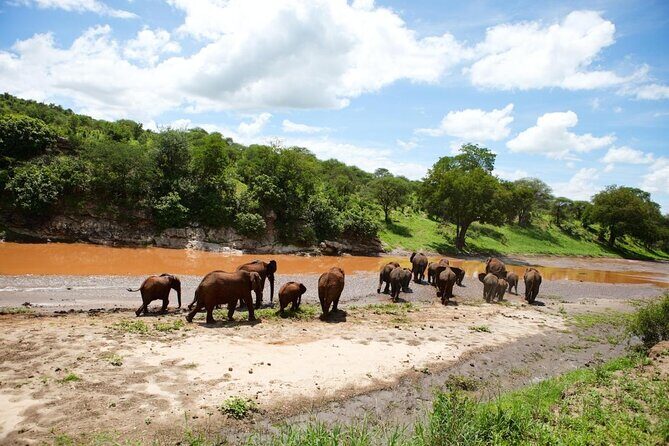
- Tarangire’s baobabs and elephant concentrations: elephants cluster around the river, with game drives built around that reality.
- Ngorongoro Crater for Big Five odds: the crater setting raises your chances, including for black rhino.
- Serengeti time matters: the migration moves based on rains, so season affects what you see on the plains.
- Picnic lunches inside the parks: you keep more time in wildlife areas and less time in transit.
- Midrange lodges or tented camps: comfortable enough to recover between intense days in the bush.
- Private group safari with pickup and a mobile ticket: it’s built for your group only, not a mixed crowd herd.
Northern Circuit Safari in 5 Days: Big Wildlife, Tight Timing
If you’ve got five days in northern Tanzania, this route is a smart way to squeeze in the signature parks without turning the trip into a weekly moving day. You get four different ecosystems and game-viewing styles: river country at Tarangire, crater wildlife at Ngorongoro, open-plains drama in the Serengeti, and the lake-and-woodland vibe of Lake Manyara.
I like that the pacing is built around time in the parks, not just driving past them. Most of your schedule is focused on game drives and park time, with picnic lunches that keep you closer to the action. It’s a good fit if you want variety—elephants and baobabs one day, crater predators the next, then endless Serengeti plains.
The tradeoff is that this is not a slow, relaxed safari. You’re doing real distances in a short window. If you hate early starts or long car time, that’s the main “think twice” item on the whole plan.
A few more Arusha tours and experiences worth a look
Day 1 in Arusha: The Wait That Makes the Safari Work
Day 1 is about getting set up in Arusha after you land—either at Kilimanjaro International Airport (JRO) or Arusha Airport (ARK). You’re met by your driver-guide or a representative and transferred to your accommodation for the night. This matters because it gives you a buffer for arrival timing, jet lag, and the little delays that can happen when you travel.
You’ll also want to pay attention to the operator’s listed meeting time: 8:30 pm. Since that can affect when your pickup happens, it’s worth lining it up with your flight plan early, so you’re not guessing on day one.
That first night in Arusha is also the moment to mentally switch gears. Tomorrow you’re going into parks where you’ll be spending long stretches looking for animals, not rushing through towns. It’s the kind of reset that makes the rest of the trip feel smoother.
Tarangire National Park: Baobabs, Elephants, and River Wildlife
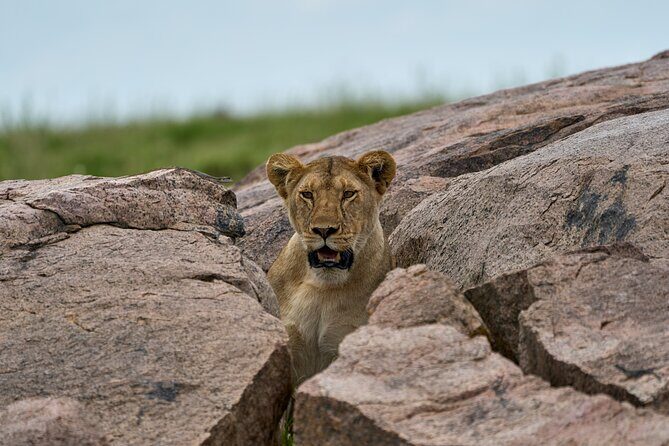
Tarangire is a strong first big safari hit because it has a very clear “why here” factor: the Tarangire River provides the only permanent water source in the area. When water is consistent, wildlife patterns are easier to find and you can get more productive game drives.
The park’s giant baobab trees are another quick win. They dwarf everything around them, so even if you’re not a hardcore photographer, you’ll feel like you’re in a place with its own scale and personality. And because many animals concentrate around the river corridor, your game viewing tends to focus rather than scatter.
This day includes game drives with a picnic lunch inside the park, plus additional time for extensive viewing. You’re not just doing a quick pass-through. You’re getting a full safari-style outing where you can watch different behaviors—resting, feeding, moving between water and shade—rather than catching one or two moments.
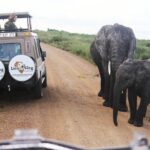
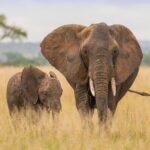
In terms of wildlife, Tarangire is known for a large elephant population, and it also supports lions, leopards, cheetahs, and other species. The numbers aren’t the only point. The experience is that “river gathering” feeling, where animals keep showing up because the environment is holding steady.
One practical note: because elephants are a big draw here, your best odds come from staying patient during the game-drive rhythm. Don’t expect everything to happen on the first stop. In parks shaped by water and shade, the best viewing often comes after the route clicks into place.
Ngorongoro Crater: Big Five Viewing in a UNESCO-Listed Bowl
Ngorongoro Conservation Area is where the trip turns cinematic. You descend into Ngorongoro Crater for game viewing, and the crater itself is a major deal: it’s one of the largest unbroken calderas on Earth, with massive wildlife concentration. The setting is so distinct that it feels like entering a separate world, with animals living in a natural bowl.
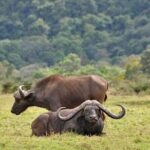
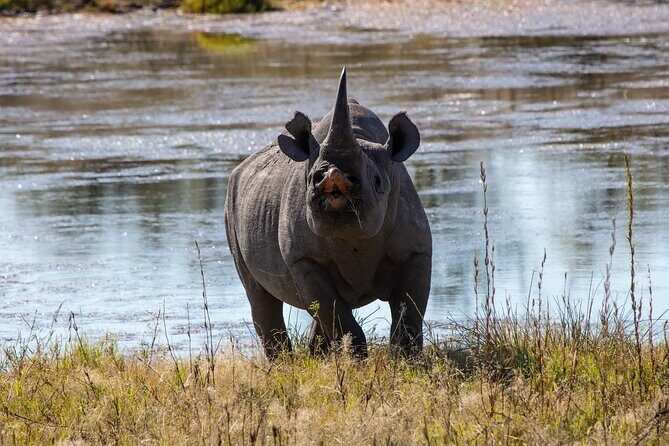
This is also a place built for Big Five expectations. The crater is highlighted as one of East Africa’s best spots to look for lions, leopards, black rhinos, elephants, and buffalo. If you’re chasing the “top of the list” animals, this is the kind of day you’ll remember even if you’re not a super-frequent safari person.
The black rhino mention is especially important. It’s not guaranteed sighting territory—but the crater is presented as a place where black rhino can be seen. That shifts the day from hope to strategy. Your guide’s route planning matters more here than anywhere else, because the crater’s geometry changes where animals are likely to appear.
Your schedule includes descent for viewing and then driving onward for dinner and an overnight stay. Translation: you’re doing something physically and mentally intense (the crater experience) and you’ll still need time to reset afterward.
Serengeti National Park: Endless Plains and the Migration Timing Question
Serengeti is where you’ll feel the scale. The “endless plains” idea isn’t marketing fluff here—it’s the core experience. You’re out searching for big cats, and the park’s biggest storyline is the migration: the largest mammal migration on Earth.
The migration timing is seasonal, and the plan gives you the calendar context. Over a million wildebeest and around 200,000 zebras flow south in October and November with the short rains. Then the movement reverses after the long rains in April, May, and June, when herds swirl west and north again.
What that means for you is simple: your sightings can shift with time of year. If you’re traveling during peak migration windows, you may see more intense herd movement and predator activity tied to that flow. If you’re outside those months, the Serengeti is still spectacular—but the “big moving river of animals” effect may not be as obvious.
This day includes early morning game viewing, plus a picnic lunch, then a drive onward to your overnight base in Karatu. That overnight stop in Karatu matters because it helps you get a full night of recovery after a long day of scanning open ground.
For me, the Serengeti value here is not just the animals—it’s the combination of big-cat searching with migration context. You’re not only looking. You’re understanding why animals are where they are, based on the rain-driven movement pattern.
A few more Arusha tours and experiences worth a look

Lake Manyara: Tree-Climbing Lions, Flamingos, and Variety
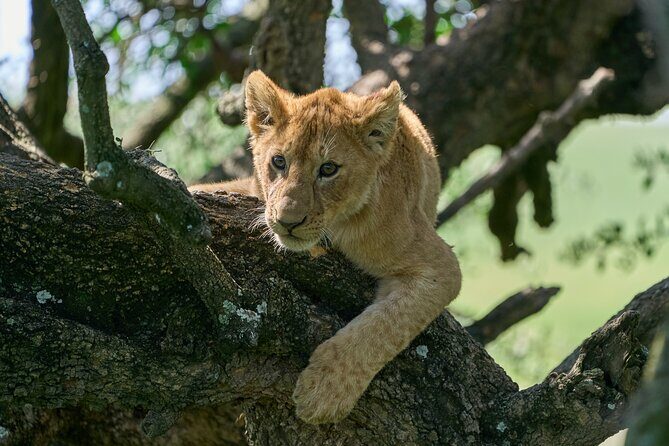
Lake Manyara adds contrast after Serengeti’s open plains. Here, the mix of habitats brings a different flavor of wildlife watching. You’ll do a game viewing drive with a picnic lunch, and the park is known for Manyara’s tree-climbing lions. That one detail alone can make people plan a trip, because it’s not the typical savanna lion scene.
Manyara also offers a strong chance of seeing elephants, including one of Africa’s larger concentrations in the area. And because the park sits with the lake environment, you can also see flocks of flamingos drawn to algae in the lake.
Game viewing here is typically about variety: different animals in different corners of the park, depending on water, shade, and food. The flamingos are a good reminder to keep looking at the whole system, not only at the big mammals.
After the drive and lunch, you’ll return to Arusha or head to the airport to catch your flight to the next destination. That end-of-trip structure is useful because it avoids the “one last day of rushing” feeling that can happen when safaris end far from where you need to be.
Driving Hours, Picnic Lunches, and How to Make This Pacing Feel Good
A safari like this lives and dies by logistics comfort. The plan is built around game drives inside parks, and it uses picnic lunches to keep you close to wildlife areas for longer stretches.
Still, you should expect long days of driving between parks. That’s not a problem in itself, but it does affect how you experience the trip. The trick is to treat travel time as part of the safari. Your best animal spotting often happens when you’re alert and paying attention to movement in the distance, not when you’re trying to mentally escape the car.
Another reality: in a tight circuit across multiple parks, the day-to-day rhythm is consistent. You’ll wake up, drive to the next wildlife focus, do game viewing, then drive again. That structure is great if you like momentum. If you prefer slow travel with many flexible breaks, you might find it tiring.
One more thing: because this is a private tour/activity for your group only, you should bring up your preferences early. If you want more time at certain sightings or fewer rushed stops, a private setup is the best place to ask.
Price and Value: What $2,097 Covers on the Northern Circuit
At $2,097 per person for about five days, you’re paying for more than “a ride and a dream.” You’re covering real driving time, a dedicated driver-guide setup, and park-focused days across major wildlife regions.
The value gets clearer when you look at admission coverage details provided in the schedule. The plan lists admission ticket handling as included for Tarangire and Ngorongoro, while Serengeti and Lake Manyara are marked as admission ticket free in the experience details. Day 1 is also listed as admission ticket free. That blend matters because park fees can be one of the biggest surprise costs when you piece together a safari yourself.
Then there’s the “comfort middle” of midrange lodges or tented camps. This is not a luxury lodge route with endless extras, and it’s not the kind of barebones camp where you feel cooked by the end of every day. It’s pitched as a practical balance: good enough for downtime after long drives, with the wildlife experience staying central.
I’d also point out that the tour offers pickup and includes mobile ticket delivery, plus group discounts (useful if you’re traveling as a small group). Those are the smaller pieces that reduce friction while you’re in Tanzania.
The Guide Factor: Names That Keep Showing Up
In safari land, the guide can make the difference between seeing animals and constantly thinking about seeing them. The pattern in this safari’s guide assignments is that your driver-guide is expected to be active—spotting animals, managing timing, and keeping the day on track.
Across the feedback you shared, guide names that come up include Dennis, Gerson, Denis, Rafa, Seleman, Elizer, Gaspar, Langeni, Justine, Dickrich, Francis Kamu, and Raphael. That’s a solid sign that the operator uses real people with hands-on wildlife guiding, not just a driver who drops you off.
What I like in the recurring theme is that the guides are described as patient and tuned into animal behavior and facts about places. If you want more than just sightings—if you want meaning—this kind of guiding rhythm is what turns drives into education.
For you, that means: ask questions. Ask why the animals are where they are, how the day’s route was chosen, and what to watch for next. With a guide who enjoys explaining, you’ll get more out of each game drive even on the days when wildlife is quieter.
Who This Safari Suits Best (and Who Should Think Again)
This 5-day northern circuit is a strong match if you want:
- A classic northern Tanzania lineup: Tarangire, Ngorongoro, Serengeti, and Lake Manyara.
- A balance of game viewing and rest, using midrange lodges or tented camps.
- A circuit format that keeps momentum and cuts down on extra travel planning.
It may be less ideal if you:
- Really dislike long drives or early starts.
- Want a slower trip with fewer park-to-park transitions.
- Travel in a season where you strongly expect the migration to be front-and-center. The Serengeti migration is calendar-based, so what you see can shift with the rains.
If you’re flexible and excited by variety, this route makes a lot of sense. You’re not choosing between parks—you’re stacking them.
Should You Book This 5-Day Northern Circuit Safari?
I’d book it if you want a fast, focused hit of northern Tanzania’s biggest wildlife regions, with park time as the main event. The combination of Tarangire’s elephants and baobabs, Ngorongoro’s crater-style concentration (including black rhino odds), Serengeti’s migration context, and Lake Manyara’s tree-climbing lions plus flamingos gives you variety without changing countries or spending extra weeks on the road.
The only real reason to hesitate is the pacing. If you know you get cranky after long car days, plan for that upfront. Otherwise, the value looks solid for the price, especially with admission handling built into the schedule and with a private-group experience.
One last practical note: this safari is non-refundable and can’t be changed, so you’ll want to be confident about dates before you lock it in.
FAQ
Which parks are included on this 5-day safari?
You’ll visit Tarangire National Park, Ngorongoro Crater (in the Ngorongoro Conservation Area), Serengeti National Park, and Lake Manyara National Park.
Where will you be picked up from, and what airports are covered?
You’ll be met on arrival at either Kilimanjaro International Airport (JRO) or Arusha Airport (ARK) and then driven to your accommodation in Arusha.
How long is the safari?
The experience runs for about 5 days.
Is this safari private or shared?
It’s listed as private, meaning only your group participates.
Are park admission tickets included?
Admission ticket handling is listed by day: it’s marked included for Tarangire (Day 2) and Ngorongoro (Day 3), while Serengeti (Day 4) and Lake Manyara (Day 5) are marked admission ticket free in the experience details. Day 1 is also marked admission ticket free.
What time does the tour start?
The listed meeting point start time is 8:30 pm.
What is the cancellation policy?
This experience is non-refundable and cannot be changed for any reason. If you cancel or ask for an amendment, you won’t receive a refund of the amount you paid.