REVIEW · ARUSHA
Private Group Serengeti Safari, Crater & Tarangire National Park
Book on Viator →Operated by Climb Kili · Bookable on Viator
Three parks, three days, and pure wildlife drama. This private group safari in Tanzania strings together Serengeti, the Ngorongoro Crater, and Tarangire with pickup from Arusha and guide-led game drives that keep you focused on what matters: animals and good sightings.
I like the private group setup because you’re not squeezed into a crowded vehicle schedule. I also love the way the timing prioritizes wildlife: a Serengeti drive that starts in the morning, then a full crater day when predators often show up strong.
One thing to consider: with only about 3 days, you’ll be doing a lot of driving and packing more park time into fewer hours—so plan for long days instead of a slow, laid-back pace.
In This Review
- Key highlights to know before you go
- Serengeti: the morning drive that sets the tone
- The numbers behind Ngorongoro’s “wow” factor
- Tarangire National Park: a full day of momentum
- Private group safari with real guide power (and known names)
- Value for $2,020 per person: what you’re actually buying
- Driving time and packing your day: the practical reality
- Lodging nights: what to expect and what varies
- Who should book this Serengeti, Crater & Tarangire private safari?
- Quick FAQ about this 3-day private safari
- FAQ
- Is this safari private?
- Where does the tour start and end?
- Does pickup happen in Arusha?
- How long is the safari?
- What parks are included?
- Is Ngorongoro Crater a full-day game drive?
- Are Olduvai Gorge and Masai Village included?
- Are admission tickets included?
- How soon will I get confirmation after booking?
- What’s the cancellation policy?
- Should you book this safari or look elsewhere?
Key highlights to know before you go
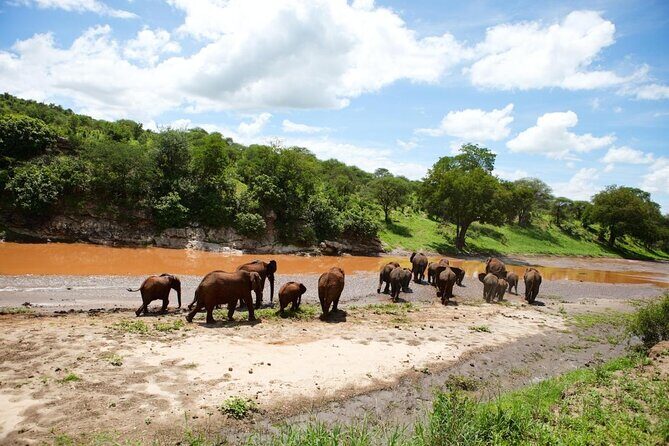
- Private group control: just your group in your safari vehicle, so your guide can adjust to what’s happening.
- Serengeti’s scale: estimates like up to 2 million wildebeest and hundreds of thousands of gazelles give you that big-plain feeling.
- Ngorongoro’s bowl effect: a crater floor that’s often great for predators and close-up sightings from safari vehicles.
- Optional add-ons at extra cost: Olduvai Gorge and Masai Village visits can be layered in if you want more culture or history.
- Tarangire as a full-day reset: after crater, you head into Tarangire National Park for another major game-drive block.
Serengeti: the morning drive that sets the tone
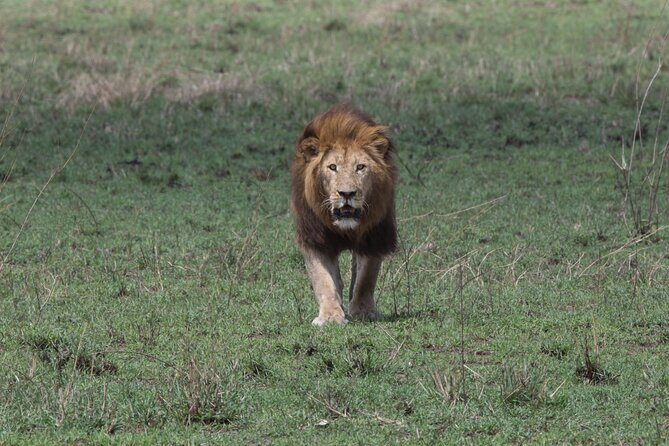
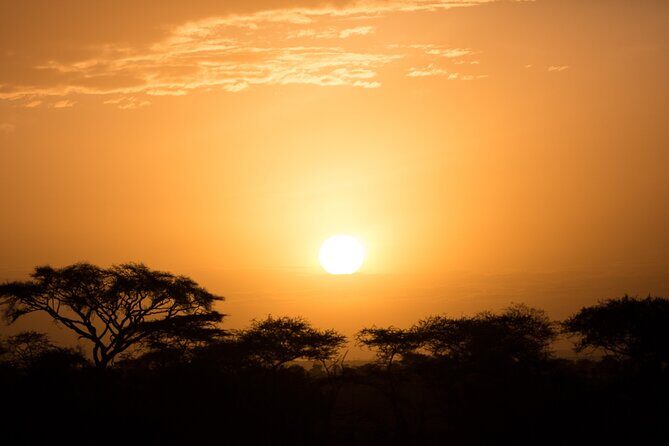
The Serengeti is where this safari gets its headline moment, and the schedule makes sure you’re on the road early enough to catch animals active before the day heats up. This is Tanzania’s largest and most popular wildlife sanctuary, and it earns that reputation fast. On these plains, the sheer numbers are part of the experience—especially the mix of grazing animals and the predators waiting for chances.
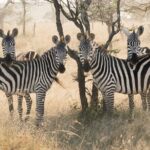
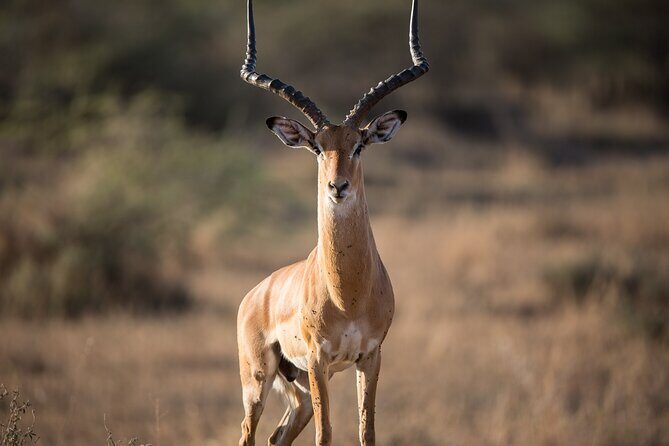
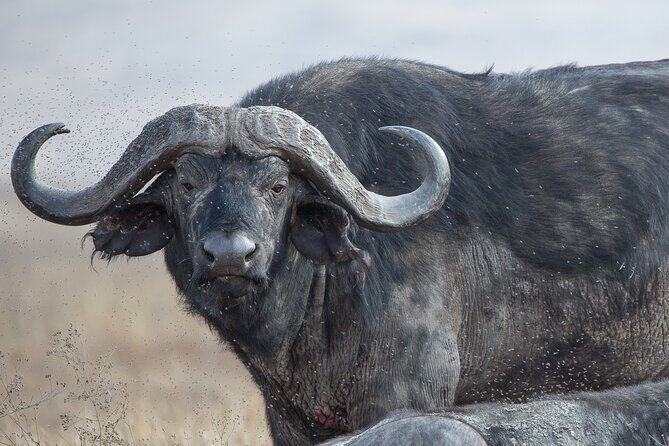
You’re going to see why the Serengeti is famous for abundance. The trip description points to estimates such as about two million wildebeest and perhaps half a million zebra, along with hundreds of thousands of Thompson’s gazelle and tens of thousands of species like impala, Grant’s gazelle, topi, hartebeest, eland, and more. That variety matters. It means your drive doesn’t feel like one-note spotting—you’re moving through habitats that support different herds and different behaviors.
Then you end the day at a lodge nearby for dinner and an overnight stay. That’s a practical rhythm: wildlife drive first, then real recovery time instead of bouncing around late.
What to watch for: On a private safari, your guide can often slow down when animals cluster or move, so you spend more time looking and less time guessing. It’s a small difference that adds up over a morning.
You can also read our reviews of more private tours in Arusha
The numbers behind Ngorongoro’s “wow” factor
Ngorongoro Conservation Area is where the trip shifts from open plains to something more enclosed—and that changes the whole feel of safari. The crater is the centerpiece, and the description doesn’t treat it like a random stop. It’s big, steep, and built like a natural arena.
Expect a descent into the crater for a full day game drive, with picnic lunch included. The crater’s size is described as about 12 miles / 19 km in diameter with walls around 1,900 feet / 610 meters high. Standing back and thinking about those dimensions helps. This isn’t a mild sightseeing hole. It’s a full bowl, with the kind of terrain that can concentrate wildlife when conditions line up.
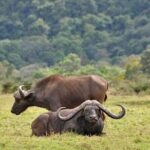
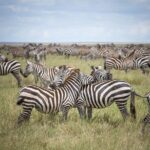
The crater floor is largely flat and open, and it’s covered in nutritious grasses. That matters because grasses support the herbivores, and herbivores bring predators. The trip notes that the mineral-rich floor is a favorite grazing area, and you’ll find large herds of zebra and other animals using the space.
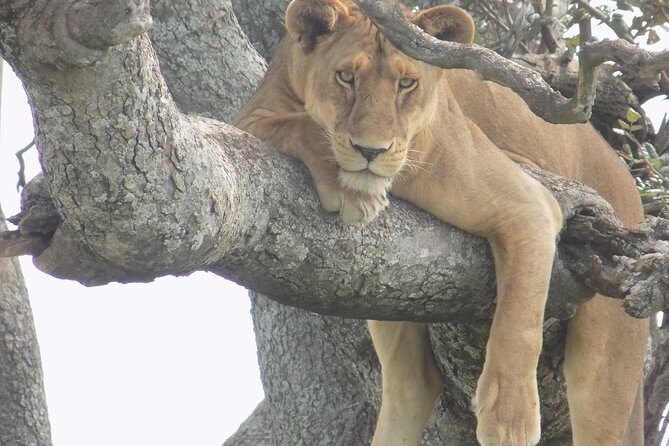
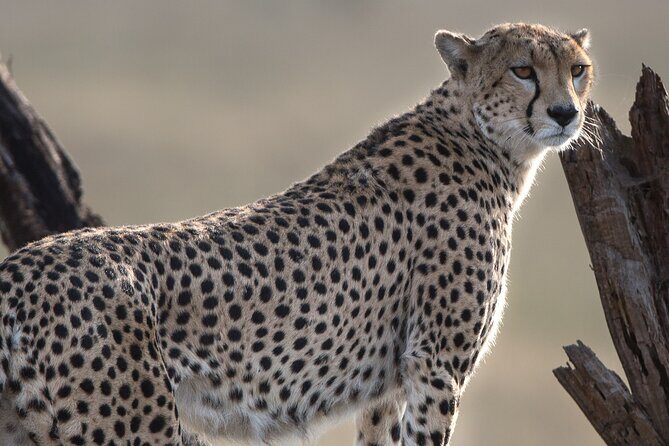
Predators are a major reason people chase Ngorongoro. The description highlights that lion presence can vary over time, but the lions that are there are often very adapted to safari vehicles—meaning they can be highly visible from the crater floor. Even when you don’t get a full-script Big Cat moment, crater drives tend to keep you in that “something might happen any minute” mode.
One optional fork: If you want more than wildlife, the schedule includes time in the crater region with the possibility of an extra visit to Olduvai Gorge and/or Masai Village, but that comes with an additional cost. If you’re trying to maximize animals, you can skip these and keep your full focus on the game drives. If you want culture or geology-style context, it’s an easy add—just budget the extra fee.
Tarangire National Park: a full day of momentum
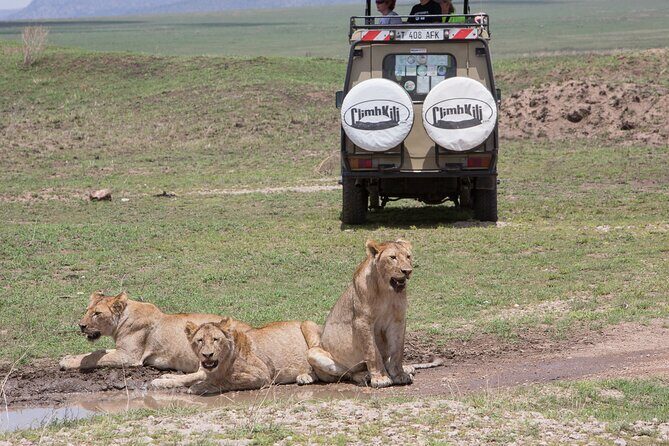
By the time you reach Tarangire National Park, you’ve already had the Serengeti scale and the crater’s dramatic enclosure. Tarangire becomes the next big wildlife block, and the structure keeps it simple: after breakfast, you drive to Ngorongoro Crater for descent and picnic lunch, then enjoy a full day of crater game drive before moving on to Tarangire for a full day game drive on the final day.
Even though the tour info you provided doesn’t list a long species catalog for Tarangire, the practical value is clear: you get another dedicated wildlife morning/afternoon window rather than squeezing Tarangire into a quick side stop. In a 3-day trip, that’s important. It reduces the risk of “we only saw animals from the highway” syndrome and gives you time to actually find good activity.
How to think about this day: You’re going to be rolling straight from the crater experience into another game-drive setting. That’s exhausting if you treat it like a checklist. But if you treat it like a string of chances—where your guide makes calls based on sightings—it usually feels energizing instead of overpacked.
Private group safari with real guide power (and known names)
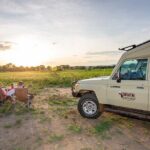
This is a private tour/activity, meaning only your group participates. That’s more than a marketing line. It changes your experience because your guide isn’t juggling multiple groups in a shared vehicle rhythm. You can stop when you need to stop. You can adjust when animals move. And your day doesn’t feel like you’re always waiting for someone else’s schedule.
The reviews you shared put a spotlight on guide skill and calm focus. Names that came up include Victor, Reggie, Emanuel, and Elliott—each praised for seeing wildlife closely and reading the landscape in a way that leads to better sightings. Emanuel, in particular, was described as very knowledgeable and sharp-eyed, with a calm driving style. Reggie was called out as an excellent lead guide, and Elliott was mentioned as a friendly airport greeter and guide for the safari stretch.
You should take those names as examples of the kind of service that the operator is capable of, not a guarantee you’ll get the exact same person. But the pattern is consistent: the experience gets better when the guide is paying attention and making smart choices with your time.
If you care about Big Cat odds, Ngorongoro is the part of this trip that most directly targets that energy, and the guide decisions there can make your day feel either quiet or electric. The good news: crater terrain often gives sightings structure, even when the animal schedule is unpredictable.
Value for $2,020 per person: what you’re actually buying
At $2,020 per person for about 3 days, you’re paying for more than wildlife. You’re paying for:
- A private group setup (less time wasted, more control)
- Multiple major safari areas in a short window
- Guide-led driving and day planning
- Lodge nights (including dinner and overnight stays described in the schedule)
- Picnic lunches during the crater portion
- Transport beginning and ending in Arusha
- Admission tickets listed as free in the tour notes
That last point matters. A lot of safaris get expensive once entry fees are added. Here, the trip notes show admission tickets as free/included. That doesn’t mean there are zero costs on your side, but it does mean the total experience feels more “one price” than “here’s the base and then surprise fees.”
Still, it’s not a bargain bargain. It’s premium-priced because you’re stacking the big-name regions (Serengeti + Ngorongoro Crater + Tarangire) in a private format. If you want to stretch your dollars, you might compare with shared-group safaris and longer itineraries. But if your goal is to maximize big parks without splitting your attention across multiple operators, this format makes sense.
My take: This is good value if you want a focused, guided, private experience that hits the core Tanzania highlights fast. It’s less ideal if you need a super-slow pace or you’re trying to keep every expense to the absolute minimum.
A few more Arusha tours and experiences worth a look
Driving time and packing your day: the practical reality
A 3-day safari is always a bit of a sprint. You’re not just visiting one park—you’re moving across major regions and spending long blocks in vehicles. The upside is you get more “wild moments” per day. The downside is you’ll feel the schedule.
Because the trip includes morning and afternoon game drives plus crater descent, your best mindset is to treat the vehicle time as part of the hunt. Bring the right mental energy: you’re looking, scanning, and listening. When you approach it like that, the time in transit becomes less annoying.
Also, the schedule includes the possibility of optional visits to Olduvai Gorge and/or Masai Village with additional cost. If you choose those, you’re trading a portion of your wildlife time for extra stops. Some people love that trade. Others just want maximum game-drive time. Decide based on what you want your photos to represent.
Lodging nights: what to expect and what varies
The tour notes keep lodging general but clear about nights and meals: after the Serengeti day, you have dinner and an overnight stay at a nearby lodge. On the crater day, you also have dinner and overnight at a lodge.
In the reviews you shared, specific property names came up on other Climb Kili safari experiences, including Wall Tent Camp and Farm of Dreams Lodge. You might see similar styles, but the key point for planning is this: you are getting real lodge/camp lodging as part of the package, not just day trips with no sleep.
What I’d do before booking: ask what exact lodge/camp you’ll use for your dates, especially if you care about tent style, bathroom setup, or view. Private safaris can swap lodging based on season and availability, even when the park schedule stays similar.
Who should book this Serengeti, Crater & Tarangire private safari?
This safari fits best if you:
- Want a private group experience starting and ending in Arusha
- Have only a few days and want three major wildlife regions
- Care more about guided game drives than about lengthy museum-style stops
- Like the idea of a structured crater day with picnic lunch and a full drive window
- Appreciate service that includes attention before and during the trip, like the kind of coordination praised in the experiences you shared
It may not be the best fit if you:
- Want a very slow schedule with lots of downtime between parks
- Don’t like long drive days in exchange for extra park coverage
- Prefer to skip all optional stops and you’re prone to feeling pressured by time. (You can usually focus on wildlife, but you need to be clear about your priorities.)
Quick FAQ about this 3-day private safari
FAQ
Is this safari private?
Yes. It’s a private tour/activity, so only your group participates.
Where does the tour start and end?
The tour starts in Arusha, Tanzania and ends back at the meeting point in Arusha.
Does pickup happen in Arusha?
Pickup is offered, and the ticket redemption point is listed as Arusha.
How long is the safari?
It’s listed as 3 days (approx.).
What parks are included?
The trip includes Serengeti National Park, Ngorongoro Conservation Area / Ngorongoro Crater, and Tarangire National Park.
Is Ngorongoro Crater a full-day game drive?
Yes. You descend into the crater and enjoy a full day crater game drive with picnic lunch.
Are Olduvai Gorge and Masai Village included?
They’re optional. Visits to Olduvai Gorge and/or Masai Village can be added for an additional cost.
Are admission tickets included?
The tour notes list admission ticket as free.
How soon will I get confirmation after booking?
Confirmation is received within 48 hours of booking, subject to availability.
What’s the cancellation policy?
The experience is non-refundable and cannot be changed for any reason. If you cancel or ask for an amendment, the amount you paid is not refunded.
Should you book this safari or look elsewhere?
Book it if you want a tight, high-impact safari that hits Serengeti, Ngorongoro Crater, and Tarangire with a private group feel and guide-driven game drives. The pricing looks more reasonable when you factor in that admission is listed as free and the schedule includes lodge nights plus picnic lunches.
Look elsewhere if you want a slower pace, want fewer driving hours, or you know you won’t enjoy crater-day logistics (descent and a full day in the bowl). In that case, a longer trip with more rest might fit better.
If you do book, I’d go in with one clear goal: prioritize wildlife time in the places where the trip structure is built for it—especially the crater day. Then let the optional add-ons be a bonus, not a requirement.