REVIEW · MOSHI
Mount Kilimanjaro Marangu Route
Book on Viator →Operated by Maua Adventures · Bookable on Viator
Kilimanjaro rewards patience and good planning. This Marangu route is built around hut-based trekking and altitude pacing, with included meals and a full team of guides, cooks, and porters. I also like that this trip comes with pickup offered and a mobile ticket, so you’re not scrambling on your first Tanzanian day. One thing to keep in mind: the summit push starts around midnight, so even if you’re fit, you’ll still be cold, tired, and moving slowly.
My favorite part is how the itinerary leans into acclimatization, especially the Zebra Rocks day and the extra time around Kibo Hut—those choices matter when you’re climbing to 5895m. I also appreciate that park fees and rescue fees are included, because that’s not the sort of detail you want to worry about mid-trek. The possible drawback is simple: Marangu can feel like a long, tough slog, and that works only if you take the slow pace seriously from the start.
In This Review
- Key highlights you’ll feel on the trek
- Moshi as your launchpad: meeting point and what pickup changes
- The Marangu route style: why hut-based trekking suits many people
- Day 1: forest walking toward Kilimanjaro, plus monkeys and a steady start
- Day 2: views and a long day on the mountain
- Day 3: acclimatization at Zebra Rocks (4020m) that actually matters
- Day 4: Last Water point and the Saddle, ending at Kibo Hut
- Day 5: the Big Day—midnight ascent, Hans Meyer Cave, Gillman’s Point, Uhuru Peak
- Day 6: heath and moor to Mandara Hut, then back through rainforest to the park gate
- Price and logistics: why $2,050 can be good value
- The team behind success: guides, cooks, and porters you’ll depend on
- Getting physically ready for Marangu: moderate fitness, real effort
- Weather reality on Kilimanjaro
- Should you book this Kilimanjaro Marangu climb with Maua Adventures?
- FAQ
- How long is the Kilimanjaro Marangu route on this tour?
- Where does the experience start and end?
- What meals are included on the mountain?
- What’s included in the price?
- What is not included?
- What fitness level do I need?
- Can I cancel for a full refund?
Key highlights you’ll feel on the trek
- Hut stays at Horombo, Kibo, and Mandara make a big difference versus camping discomfort
- A true acclimatization day at Zebra Rocks (4020m), not just a rushed stop
- Midnight summit timing that targets sunrise on the crater rim
- Real altitude landmarks like Hans Meyer Cave (5220m), Gillman’s Point (5681m), and Uhuru Peak (5895m)
- Small group size (max 15) for a calmer experience on narrow trails
- Maua Adventures crew support with guides, cooks, and porters included
Moshi as your launchpad: meeting point and what pickup changes
Your climb starts from Lindrin Lodge in Moshi. That matters more than it sounds. When you’re about to hike at high altitude, you want your logistics calm on day one: fewer pickups, fewer mix-ups, and less time burning energy before trekking even starts.
This trip also lists pickup offered, and you’ll receive a mobile ticket. In practice, that usually means fewer last-minute details to chase down when you arrive in Tanzania. The end point is back at the meeting location, which is also a quiet win. After 6 days on the mountain, the last thing you want is an hour of complicated transport.
You can also read our reviews of more tours and experiences in Moshi.
The Marangu route style: why hut-based trekking suits many people
Marangu is often described as one of the more straightforward ways up Kilimanjaro, mainly because you sleep in huts. In the itinerary you’ll hit three main hut stops: Horombo Hut, Kibo Hut, and Mandara Hut. That changes the feel of the trip.
Instead of improvising for cold and wet nights, you’re working around scheduled hut arrivals. You’ll still be dealing with cold at altitude, especially around the summit stage, but your night setup is more predictable. The route also builds in time at altitude, not just a straight line upward. That’s the difference between thinking the climb is a hike versus understanding it as an endurance and acclimatization test.
The trip runs with a maximum of 15 travelers, so you’re not stuck shoulder-to-shoulder with a huge crowd. On Kilimanjaro, smaller groups can mean smoother pacing—less pressure to match someone else’s speed, and more chances to rest when your body asks for it.
Day 1: forest walking toward Kilimanjaro, plus monkeys and a steady start
Day one is about easing into the mountain world. Your first stop is described as Mount Kilimanjaro forest, with monkey and walking, and it’s listed at about 4 hours.
This is a great day to adopt the right mindset. In forest zones you can still feel human and energetic. Don’t let that trick you into speeding up. Early effort tends to sneak up later at altitude, especially once the air gets thin. Keep your breathing steady, drink water regularly, and treat this day like the warm-up act—not the main show.
Practical tip: use today to get comfortable with the rhythm of hiking with a crew and staying close to group pace. You’ll feel it more on summit night when everything gets slower.
Day 2: views and a long day on the mountain
Day two is listed as 2 days 12 hours, which likely reflects a longer segment than a typical single-day trek block. Either way, the itinerary calls out views of Mount Kilimanjaro and walking, and the time commitment is clearly substantial.
This is the kind of day where you’ll notice the mountain changing. Even if the trail feels similar on the surface, your body is adjusting. Your reward is the visibility—when Kilimanjaro is clear, the views can make you understand why people plan trips years in advance.
Downside to watch for: long walking days can tempt you to under-rest. Don’t do it. If your group is moving, match the pace, but keep your breaks purposeful: short stops, water breaks, and steady focus rather than long delays that leave you cold and stiff.
Day 3: acclimatization at Zebra Rocks (4020m) that actually matters
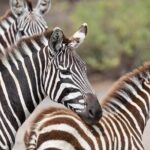
Day three is explicitly an acclimatization day, and it shouldn’t be underestimated. The itinerary is clear that this day improves your chance of reaching the summit. After a relaxing breakfast, you go for a 4-hour trek to Zebra Rocks (4020m). The name comes from the distinctive black-and-white striping of the rock formation, which makes for a memorable altitude milestone.
The best part of this day is what comes after. You return toward Horombo Hut, and there’s a warm lunch waiting for you. Then you get afternoon time to relax and regain strength for the next hike.
What this means for you: you’re not just collecting altitude. You’re practicing altitude. You gain elevation, then return to a hut zone to let your body recover. That’s the core logic of acclimatization.
Small consideration: plan your energy management carefully. If you push too hard because Zebra Rocks sounds cool (it is), you’ll pay for it later. Let the rock formation be a reason to keep steady, not a reason to race.
Day 4: Last Water point and the Saddle, ending at Kibo Hut
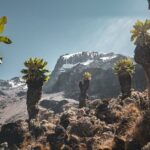
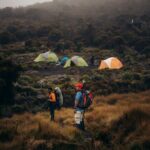
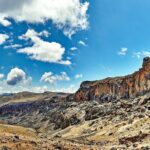
Today is described as long and tough. The trail passes the Last Water point, followed by a nearly vegetation-less plateau known as the saddle, which connects main summit Kibo with Mawenzi. Your destination is Kibo Hut, usually reached in about 5 to 6 hours.
This is one of those days where mental toughness matters as much as physical fitness. The terrain shifts, the air thins, and you’ll feel how thin the margin is between steady climbing and burning out early.
Why this day is valuable: it positions you close to the summit area without skipping the hut phase that you need for an eventual midnight start. Also, Kibo Hut becomes your base for sleeping before the big ascent. Getting there before you’re completely cooked helps.
At Kibo Hut, you’ll enjoy an early evening meal and then an early night, since the night will be short. Translation: treat dinner like fuel, not a social event. You’ll want to settle quickly.
Day 5: the Big Day—midnight ascent, Hans Meyer Cave, Gillman’s Point, Uhuru Peak
Day five is the summit stage, described as beginning your final ascent around midnight. It’s long and strenuous, and the itinerary highlights key waypoints that help you track progress even when you feel frozen and slow.
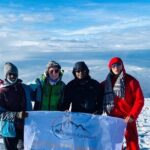
You pass Hans Meyer Cave (5220m) and climb steadily. At sunrise, you reach Gillman’s Point (5681m) on the crater rim. Then after another 1 to 2 hours, you reach Uhuru Peak (5895m).
When you get to the crater rim and start warming up, it can feel like your body suddenly remembers how to climb. But that doesn’t mean it gets easy. Uhuru Peak is still a big elevation number, and every step back toward Kibo Hut takes work.
The descent follows: on your way back to Kibo Hut, there’s a warm meal, and you get a 1 to 2 hour break before continuing down to Horombo Hut.
What I like about this way of structuring the day: it’s not just about reaching the top. It also builds in an organized return and warm food, which helps prevent that post-summit crash from turning into exhaustion spirals.
Practical advice: pack your mindset for two phases—midnight hours (cold, slow, repetitive) and morning hours (still hard, but more rewarding). Planning for both helps you stay calm.
Day 6: heath and moor to Mandara Hut, then back through rainforest to the park gate
Your final day moves through the heath and moor zone to Mandara Hut (2700m), where a warm lunch awaits. Soon after, you pass through tropical rainforest again and trek down to the Kilimanjaro National Park Gate (1860m) after a total trekking time of about 6 hours.
Then you say goodbye to your mountain guides and transfer back to your hotel in Moshi. Once you’re back, you’re in the zone for a warm shower and a real chance to celebrate. Even if you don’t do anything dramatic, that first comfortable wash after days at altitude is its own kind of victory.
One consideration: day six can feel deceptively tiring. Descent uses different muscles than ascent. Your legs might have had a lot of work already, so walking carefully and taking your time makes a big difference for comfort.
Price and logistics: why $2,050 can be good value
The price is $2,050 per person for an approximately 6-day Kilimanjaro climb. That’s not cheap, but it’s also not just paying for a pair of boots and a view.
Here’s what your money covers, based on what’s included:
- 3 meals daily while on the mountain (the itinerary lists breakfast and lunch/dinner counts across the trek)
- Professional mountain guides, cooks, and porters
- Park fees, camping fees & rescue fees
- 18% VAT on tour fees & services
- Pickup offered
- Mobile ticket
And what’s not included:
- tips to mountain crew
- flights
- laundry services
- personal items
So how does that add up for you? The biggest value is that your cost includes the heavy operational side: guiding, cooking, porter support, and essential fees. Rescue fees especially matter on high mountains—this is not where you want surprise add-ons.
Is $2,050 right for every budget? No. But if you want a structured trek with real crew support and included meals, you’re paying for a system that reduces your stress and keeps you focused on walking safely.
The team behind success: guides, cooks, and porters you’ll depend on
This route leans hard on the mountain crew. Your inclusion list includes professional mountain guides, cooks and porters, and that shows up in how the days are designed. You’ll have warm meals waiting in multiple places—like after the Zebra Rocks hike, on summit return, and on the final day at Mandara Hut.
That kind of food timing matters because it can stop energy from dropping too far. When you’re climbing at altitude, your energy isn’t stable. A planned lunch and dinner makes the difference between feeling functional again and just dragging.
It also helps that this trip is offered through Maua Adventures. Multiple trip notes connected to this provider name Jackson as the owner, with guides including Fadhir and Tony. Those names matter because you want consistency and clear communication when you’re preparing for midnight summit hours.
Getting physically ready for Marangu: moderate fitness, real effort
The tour says you should have moderate physical fitness. That’s a useful label, but you should still treat Kilimanjaro as serious training.
Even though parts of Marangu are hut-based and organized, the itinerary includes:
- forest walking on day one (about 4 hours)
- a long second day block
- a 4-hour climb to Zebra Rocks at 4020m
- a long tough day to Kibo Hut (about 5 to 6 hours)
- a summit stage beginning around midnight, with distances to extreme elevations
- a full descent day totaling about 6 hours trekking
So the real requirement isn’t gym fitness alone. It’s your ability to hike steadily for hours with altitude working against you. If you can handle long walks at a moderate pace, and you understand you’ll likely slow down as you gain elevation, you’re in the right zone.
Weather reality on Kilimanjaro
The experience notes that it requires good weather. If it’s canceled due to poor weather, you’ll be offered a different date or a full refund.
On the mountain, weather changes fast. Even when conditions are acceptable, expect cold at higher altitudes and early-morning temperatures around sunrise. The best move is to pack for temperature swings and follow your guides’ advice about pacing and staying warm.
Should you book this Kilimanjaro Marangu climb with Maua Adventures?
If you want a guided Kilimanjaro experience with hut stays, included meals, and a plan that prioritizes acclimatization, I think this fits well. The itinerary is built around real altitude points: Zebra Rocks (4020m), Kibo Hut positioning, and a summit plan that aims for sunrise at Gillman’s Point before pushing to Uhuru Peak (5895m).
You should book this trip if:
- you want a smaller group (max 15)
- you prefer structured support and meals rather than improvising
- you’re ready for a tough summit day that starts around midnight
- you like the Marangu style of hut trekking
You might want to think twice if:
- you dislike long, cold hikes and don’t handle discomfort well
- you’re expecting a gentle walk the whole way
FAQ
How long is the Kilimanjaro Marangu route on this tour?
The tour runs for about 6 days.
Where does the experience start and end?
It starts at Lindrin Lodge in Moshi and ends back at the same meeting point.
What meals are included on the mountain?
The tour includes 3 meals daily while on the mountain, with breakfasts, lunches, and dinners listed across the trek days.
What’s included in the price?
Included items are professional guides, cooks, and porters, park fees/camping fees/rescue fees, and 18% VAT on tour fees and services, along with the mountain meals.
What is not included?
Not included are items of personal nature, tips to the mountain crew, flights, and laundry services.
What fitness level do I need?
The tour says you should have a moderate physical fitness level.
Can I cancel for a full refund?
Yes. You can cancel up to 24 hours in advance for a full refund, based on the experience’s local time. The tour also notes it requires good weather; if canceled due to poor weather, you’ll get a different date or a full refund.