REVIEW · MOSHI
Kilimanjaro Northern Circult
Book on Viator →Operated by ZARA TOURS · Bookable on Viator
A quiet Kilimanjaro day is a rare thing. This Northern Circuit route is designed to keep you far from the main crowds, then steers you onto the stunning Shira Plateau from the start. You’ll hike with a slow, careful rhythm because the trailhead begins at high elevation, so your body can catch up.
I really like two things here: the small group size (up to 12) and the all-in mountain support, including guide team, porters, and full meals on the hike. I also appreciate the practical logistics built in, like the pickup option in Moshi and transport to/from the mountain area, so your time goes to walking, not paperwork.
One consideration: 4 days is short for Kilimanjaro, so you’ll need to accept a serious hiking pace and take altitude seriously. If you’re not comfortable with long days and cold nights, this plan may feel like a squeeze.
In This Review
- Key things to know before you go
- A quieter Northern Circuit from Moshi: why it feels different
- Day 1 in Moshi at Springlands Hotel: briefing, meals, and a clean start
- From Londorossi Park Gate to Mti Mkubwa (Big Tree) Campsite: forest walking on purpose
- Day 3 through giant heather moorland and Shira Ridge: altitude rhythm and stamina
- Day 4 across the Shira Plateau toward Kibo, then off the usual path to Moir Camp
- How the guide and porter team changes everything
- Gear, comfort, and what to pack (or rent)
- Price and value: is $2,598 worth it for this route?
- Who this 4-day Northern Circuit suits best
- Should you book this Kilimanjaro Northern Circuit?
- FAQ
- How long is the Kilimanjaro Northern Circuit trek?
- What’s the price for this trip?
- Where does the experience start?
- Is pickup offered?
- What’s included in the trip cost?
- Are oximeters available during the trek?
- Do I need to bring my own sleeping bag?
- What fitness level do I need?
- Are there different departure times?
Key things to know before you go
- A quieter Kilimanjaro route by design: This Northern Circuit is among the least-used paths, keeping you away from heavy foot traffic.
- Shira Plateau is the star: Day 4’s traverse aims you toward Kibo’s glaciered peak area with big open views.
- Slow start at high elevation: The trailhead starts high, so expect gradual pacing rather than a fast ramp-up.
- Full-board mountain meals: Breakfast, lunch, and dinner on the mountain are included, plus your accommodation is handled.
- Small group feel: Maximum 12 travelers, which usually means less crowding in camps and on the trail.
- Oximeter available on request: You can ask for one if you want that extra safety tool.
A quieter Northern Circuit from Moshi: why it feels different
Kilimanjaro can be loud. You’ll meet packed lines of trekkers on some routes, with lots of overlapping schedules and camp traffic. This one is built to feel calmer, because the Northern Circuit combination is described as the least-used route, putting you farther from other hikers for more of the journey.
That quiet is not just a nice-to-have. It changes the whole vibe of Kilimanjaro. When you’re not constantly navigating around other groups, you can settle into a steady pace, watch the sky shifts over the plateau, and actually notice the trail itself.
The trip is based out of Moshi, with the program set up to include transport and a structured mountain plan. You’re also offered several departure options throughout the day, which can make it easier to align with your arrival time in Tanzania.
One more curveball: one highlight listed for this experience is a close encounter with friendly dolphins. Kilimanjaro itself is inland, so details like where that happens aren’t spelled out here. If dolphins matter to you, it’s worth confirming the exact location and timing with Zara Tours before you commit.
You can also read our reviews of more tours and experiences in Moshi.

Day 1 in Moshi at Springlands Hotel: briefing, meals, and a clean start
Your first day centers on getting your legs and mind ready in Moshi. You’re met at Springlands Hotel Moshi, welcomed warmly, and guided through mountain and safari briefings. You also get your room there, and the hotel offers meals.
This matters more than it sounds. Kilimanjaro days start early, and altitude stress builds quietly. A solid briefing helps you understand how to pace yourself, how to watch for symptoms, and what to expect when the air thins.
Just keep one detail straight: the package includes lunches and dinners while you’re on the mountain, but it specifically notes that lunches and dinners at Springlands Hotel are not included. Breakfast and dinner are listed as included counts, but those are itemized separately for the trip days on the mountain. If you prefer to eat only with the package, plan your hotel meals accordingly.
From Londorossi Park Gate to Mti Mkubwa (Big Tree) Campsite: forest walking on purpose
Day 2 begins with a drive out of Moshi. You travel to the Londorossi Park Gate, then onward toward the Lemosho Glades area. The distance is short by Tanzanian standards (about 11 km), and the drive is listed around 45 minutes to reach the trail area.
Then the hike starts gently and sensibly. From the glades, you’ll walk for about three hours along forest trails to the Mti Mkubwa, or Big Tree Campsite. Forest sections on Kilimanjaro are a psychological gift: the air feels more forgiving, the footing is familiar, and you get time to find your stride before you hit the bigger altitude swings.
Also notice the theme of the route: “start slow.” The trailhead is at high elevation, which means you’re not getting the usual Kilimanjaro pattern where the first day feels easy because you’re still low. Here, the approach is designed to help you ease in, so you don’t waste your acclimatization on a fast, exhausting day.
What’s included on this day is full mountain support: guide team, porters, park fees, rescue fees required by the national park, and meals on the mountain. That takes away one major headache: figuring out the logistics of food, sleeping arrangements, and staffing while you’re trying to concentrate on your body.
Day 3 through giant heather moorland and Shira Ridge: altitude rhythm and stamina
On Day 3, the terrain starts changing in a way that forces a new pacing strategy. The trail gradually steepens, then moves into the giant heather moorland zone. It’s still walkable, but it’s more demanding, because you’re now hiking where the air is thinner and the ground can feel different underfoot.
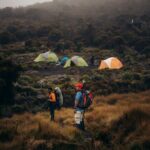
Then you cross the Shira Ridge, and the day finishes with a gentle drop to Shira Camp 1. Your camp is described as being near a stream on the Shira Plateau, which usually means a steadier source of water and a setting that feels slightly more alive than camps placed far from any water.
This day is important because it’s the bridge between “I’m warming up” and “I’m committing.” If you treat Day 3 like sightseeing, you’ll pay for it later. If you treat it like training for altitude, it sets you up better for the big views on Day 4.
The good news: you’re not hiking blind. You have certified, English-speaking guides, and porters carry the heavy stuff. The pace is not something you have to invent from scratch. It’s also one of the reasons this operator tends to get positive feedback for organization and trip smoothness.
Day 4 across the Shira Plateau toward Kibo, then off the usual path to Moir Camp
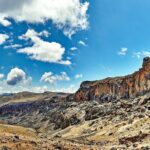
Day 4 is where the route leans into its promise. You trek across the Shira Plateau heading east toward Kibo’s glaciered peak area. The Shira Plateau is described as averaging around 12,500 feet, so expect cold air, strong sun (even through cloud), and a hike that feels both long and oddly open.
Then comes the quieter twist. Instead of staying with the most common routes, you veer away from tourist trails toward the northeast edge of the plateau. The goal is Moir Camp, described as isolated and seldom used.
That’s a big deal for the experience. A seldom-used camp usually means fewer people, fewer overlapping schedules, and more space to watch the light change. You’re also in a position to look out over the plateau, not just endure the climb.
One more practical thought: because this is a 4-day plan, your body may still be learning how to function at altitude by Day 4. If you feel off, slow down, sip water, and let your guide know early. The trip does offer oximeters upon request, which can help you monitor in a structured way, but it doesn’t replace good pacing.
How the guide and porter team changes everything
In Kilimanjaro trekking, the success part is not just summit stats. It’s how you handle the hard hours when you’re tired and cold. On this kind of route, the team really matters.
This tour includes certified, experienced English-speaking guides and porters’ salaries. Names showing up in the guide team in past experiences include Charles and Edi, plus Faustin and Sebastian, and in other instances Rashid, Nechi, and Paul. You can use those names as a signal: you’re not rolling the dice with random staffing.
From the pattern of feedback, two things stand out about the human side:
- Support that feels attentive from the start to the end
- Porters who work extremely hard to keep the trek moving and help when needed
That doesn’t mean you’ll be carried like baggage. It means you can focus on walking, hydration, and breathing without worrying about the camp build, gear hauling, or meal setup.
Food is part of this too. Mountain meals are included, with breakfast, lunch, and dinner counts built into the package. That matters because eating on time helps you keep energy steady at altitude, and it reduces the temptation to spend your energy scavenging snacks while you should be acclimatizing.
Gear, comfort, and what to pack (or rent)
The package covers a lot, but it doesn’t cover everything. The key gap is mountain equipment like sleeping bags. Some equipment may be available for rent, but you’d need to ask for the price list.
So plan your packing list with this in mind:
- Sleeping bag (or rental booked in advance)
- Warm layers for high altitude cold
- Sun protection, because plateau sun can hit hard
- Basic hiking gear you’re comfortable with for 4 long walking days
The trek also offers oximeters upon request, which is a comfort if you like having extra monitoring. Still, you should treat oximeters as a tool, not a guarantee.
Finally, remember that hotel meals on your first day aren’t fully included in the same way the mountain meals are. Springlands Hotel includes your room and provides meals, but the trip explicitly notes that lunches and dinners at the hotel are not included. If you have a tight budget, ask what’s included and plan your first-day meals.
Price and value: is $2,598 worth it for this route?
Let’s talk money in plain terms. This Northern Circuit experience is $2,598 per group for up to 12 travelers. Pricing like this is usually about what’s behind the scenes: permits, staffing, meals, transport, and camp logistics.
Here, your cost connects to several high-value inclusions:
- National park gate fees and the rescue fees required by the park
- Transport from Moshi to the mountain start area and back
- Accommodation for the trip days
- Guide team and porter coverage (porters’ salaries included)
- All meals on the mountain
- Oximeters available on request
Where you can get the best value is by treating this as a “package that removes friction.” If you’ve ever tried to piece together Kilimanjaro support yourself, you know how quickly costs add up and how stressful it gets when you’re juggling gear, permits, transport, and staffing at altitude.
Where the value question becomes personal is your comfort with time. A 4-day Kilimanjaro plan can be intense, and you’ll want to be realistic about your fitness. If you need more gradual acclimatization and more rest, the short duration could feel demanding.
Who this 4-day Northern Circuit suits best
This trek is positioned for moderate physical fitness. That sounds broad, so here’s how to interpret it.
You’ll be happiest on this route if you:
- Can handle several hours of walking per day without needing frequent breaks
- Are okay with altitude exposure, cold conditions, and a serious pace
- Prefer a quieter experience away from big trail crowds
You’ll want to think twice if you:
- Want a very relaxed itinerary with lots of downtime
- Struggle with steep moments and long trekking days
- Need lots of hand-holding because you’re new to high-altitude treks
The small group size helps. Maximum 12 travelers tends to mean less crowding and more attention when questions come up.
Also, if you’re the type who cares about solitude and the “open sky” feeling, this route is built for you. Moir Camp’s isolated, seldom-used vibe is the kind of detail that can turn a trek into a memory.
Should you book this Kilimanjaro Northern Circuit?
Book it if you want a quieter Kilimanjaro experience, you like the idea of the Shira Plateau as the visual highlight, and you’re ready for a 4-day plan with real hiking time. The value is strong when you factor in guides, porters, park fees, rescue fees, mountain meals, and transport.
Hold off or ask more questions before booking if you care deeply about the dolphin highlight and want exact details, or if you’re unsure whether a 4-day schedule is enough time for your comfort at altitude. Also confirm your sleeping bag plan early, since sleeping bags aren’t included and rentals depend on what’s available.
If your goal is to step onto the Shira Plateau, wander toward the Kibo area, and sleep somewhere quieter than the usual crowd circuits, this is a thoughtful option.
FAQ
How long is the Kilimanjaro Northern Circuit trek?
The duration is listed as about 4 days.
What’s the price for this trip?
The price is $2,598 per group, up to 12 travelers.
Where does the experience start?
The start is listed at Kilimanjaro Airport and also references Kilimanjaro National Park Tanzania.
Is pickup offered?
Pickup is offered as a feature of the experience.
What’s included in the trip cost?
National park gate fees and rescue fees required by the park are included. The package also includes transport from Moshi to the starting point and return, certified English-speaking guides, porters’ salaries, accommodation as per the itinerary, and all meals on the mountain.
Are oximeters available during the trek?
Yes. Oximeters are available upon request.
Do I need to bring my own sleeping bag?
Yes. Mountain equipment like sleeping bags is not included. Some equipment may be available for rent, and you’ll need to ask for the price list.
What fitness level do I need?
The guidance says travelers should have moderate physical fitness level.
Are there different departure times?
Yes. The experience offers a choice of several departures throughout the day.