REVIEW · ARUSHA
3 days Tarangire, Lake Manyara and Ngorongoro
Book on Viator →Operated by Wild Life Oasis Tours · Bookable on Viator
Three days is short, so this route is smart. You’ll get a tight loop of Tanzania’s big-name parks, with park entry handled and daily picnic lunches that keep the day moving.
What I like most is the focus on real game drives, not just driving to views. Tarangire sets the tone, Ngorongoro Crater does the heavy lifting, and Lake Manyara gives you a different feel. Also, the service angle stands out: Humphrey is known for organized communication, and drivers like George are the kind who know where to point the jeep for better sightings.
One possible drawback: you’re on budget camping sites, and not every camp is inside the park for every stop. If you want a resort feel and lots of downtime, this may feel more “adventure” than “pamper.”
In This Review
- Quick highlights (the stuff that matters)
- A 3-Day Safari Loop From Arusha: Tarangire, Lake Manyara, Ngorongoro
- Price and What You Actually Get for $750
- Where You Sleep: Budget Campsites (and Which Days Are Inside the Parks)
- Day 1 in Tarangire: Full-Day Game Drives With Picnic Lunch
- Day 2 in Ngorongoro Crater: Descend, Watch, Repeat
- Day 3 at Lake Manyara: One More Full Day, Then Back to Arusha
- Driving, Group Size, and How Your Guide Setup Shapes the Day
- Meals on Safari: Picnic Lunch, Then Real Camp Time
- Comfort Tips for Camping Safari: What to Pack for Real Use
- Who This Safari Fits Best (and Who Should Think Twice)
- Should You Book This 3-Day Tarangire, Lake Manyara, and Ngorongoro Safari?
- FAQ
- What parks are included in this 3-day safari?
- Where does the safari start and end?
- How many travelers are in the group?
- What is the price per person?
- What kind of accommodation is included?
- Are meals included?
- Are park admission tickets included?
- Is pickup included?
- Is a mobile ticket provided?
- What is the cancellation policy?
Quick highlights (the stuff that matters)
- Small-group safari (up to 6 travelers), so the driver can keep your day flexible
- Tarangire to Ngorongoro to Lake Manyara in one efficient circuit
- Park fees listed as free/included for the days on this plan
- Camping inside parks (most stops) for more time near the action
- Driver-guide quality, including well-regarded drivers like George
- Hungry-proof meals: lunch on the move plus campsite dinner and breakfast
A 3-Day Safari Loop From Arusha: Tarangire, Lake Manyara, Ngorongoro
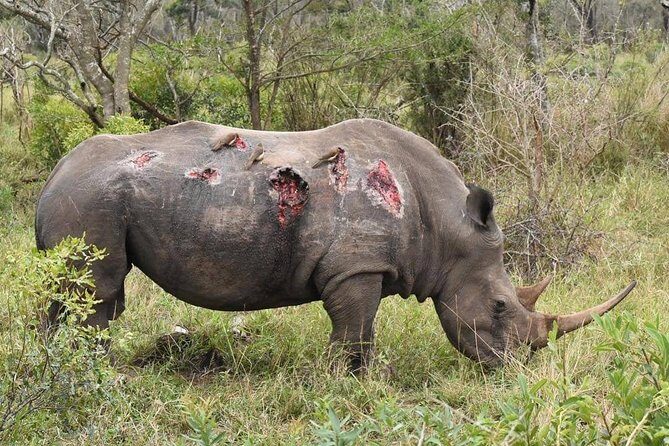
This safari is built for people who want the classic circuit without wasting days bouncing between far-off locations. Starting from the Arusha area, you’ll make three major stops—Tarangire National Park, Ngorongoro Conservation Area (Crater), and Lake Manyara National Park—with one main goal each day: game viewing during prime daylight.
In three days, you won’t see everything Tanzania has to offer. But you will hit the parks that safari first-timers usually come for. That’s the value: less “maybe,” more “yes, this is the core stuff.”
The schedule also keeps you from constantly packing and repacking. You sleep at campsites each night, eat at set times, and spend the daylight hours on the hunt—sometimes figuratively, sometimes literally (the animals are the ones hunting).
A few more Arusha tours and experiences worth a look
Price and What You Actually Get for $750
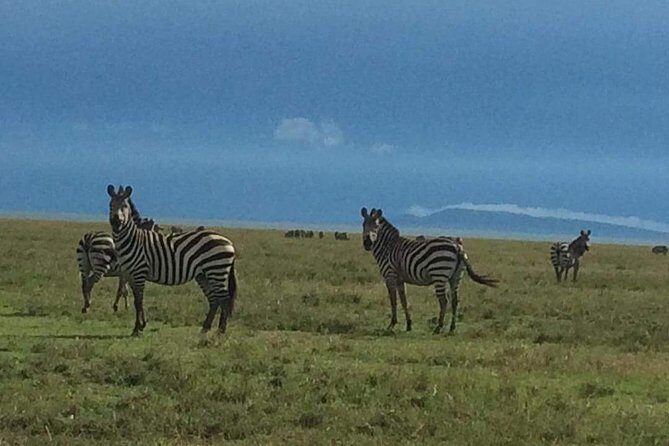
$750 per person sounds like a “budget safari” price for good reason. What makes it feel more worthwhile is that the package is set up like you aren’t paying extra for the essentials every day.
Here’s what’s built into the plan based on the tour details:
- Pickup is offered
- Mobile ticket is provided
- Admission ticket is listed as free for each of the three safari days
- Daily picnic lunches during game drives
- Campsite accommodation for two nights (budget camping sites during the safari)
Is $750 cheap for a safari? Compared with many add-on-heavy options, yes. But it’s not a “hand you a towel, everything is luxury” price. You’re paying for the itinerary, the vehicle time, the guiding effort, and the park-access structure.
My practical take: if you care about value, you should compare this package to ones where park fees, lunches, and basic logistics quietly cost extra. When those are already handled, the math gets easier fast.
Where You Sleep: Budget Campsites (and Which Days Are Inside the Parks)
Accommodation on this safari is budget camping sites during the safari. And that’s important, because it affects your expectations more than you might think.
The plan notes that most campsites are inside national parks, with the exception that Lake Manyara and Tarangire don’t follow the same “inside the park” rule. Translation: nights near Ngorongoro may feel more “on the safari circuit,” while other nights may be slightly more removed from the core park area depending on where the campsite is placed for that day.
What you gain by camping:
- More time close to the wildlife zones
- A real safari rhythm—drive, watch, eat, sleep, repeat
What to watch for:
- Budget camping means less comfort than lodge stays
- You’ll be tired by design, so you need to be okay with that trade
If you’re the type who loves the outdoors and you don’t need a spa, camping can feel like part of the experience instead of a downgrade.
Day 1 in Tarangire: Full-Day Game Drives With Picnic Lunch
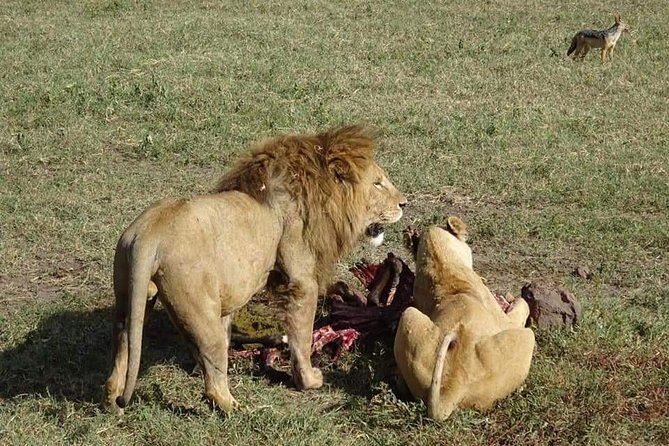
You leave Arusha around 8:30am after breakfast and head to Tarangire National Park for a full day of game viewing. The day is paced with a practical rhythm: drive into the park, hunt for animals during the hours that make them easier to spot, and then head to camp later for dinner and overnight.
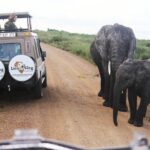
Tarangire is known for elephant activity, and that fits the “first day momentum” idea perfectly. After you’ve been in the jeep for a while, elephants and big herds can be the kind of early payoff that makes you relax and stop second-guessing everything. You get the benefit of starting with a park that often delivers big sightings without requiring you to be an expert tracker.
The plan also includes:
- Picnic lunches during the game viewing day
- Campsite dinner and breakfast after
A small detail I appreciate: picnic lunches reduce your time spent waiting around and keep you in the game-viewing flow. In safari terms, time is everything. If you lose it to logistics, the animals don’t care.
Possible drawback for Day 1: it’s a long day. Even with breaks, you’ll likely feel the “full-day drive” part. If you hate early mornings, build in patience for this one.
Day 2 in Ngorongoro Crater: Descend, Watch, Repeat
Day 2 is where this itinerary earns its reputation. After early breakfast, you drive to the Ngorongoro Conservation Area and descend into Ngorongoro Crater for game viewing on the crater floor.
The plan calls out:
- Early breakfast, then drive to the crater
- Descent into the crater floor for game viewing
- Picnic lunches served during the day
- Return to the campsite for dinner and overnight
Ngorongoro is famous for concentrating wildlife in a fairly contained area, and you feel that in the way the day is structured. Instead of spreading effort across tons of territory, you’re focused on one major stage for most of the day. That’s great for first-time safari travelers: it turns “maybe we’ll see something” into “we’re working a known hotspot.”
From the experience reports, sightings people remember include big cats and classic savanna animals—things like lions, leopards, and cheetahs—plus elephants, giraffes, and buffalo. I can’t promise you’ll see every species on your day, but this crater-focused approach is a strong way to increase your odds compared with a looser plan.
Practical note: crater days can feel visually intense. You might spend hours scanning and still feel like there’s more to look at. Bring patience and a camera that you can use quickly. When the action happens, it happens without warning.
Day 3 at Lake Manyara: One More Full Day, Then Back to Arusha
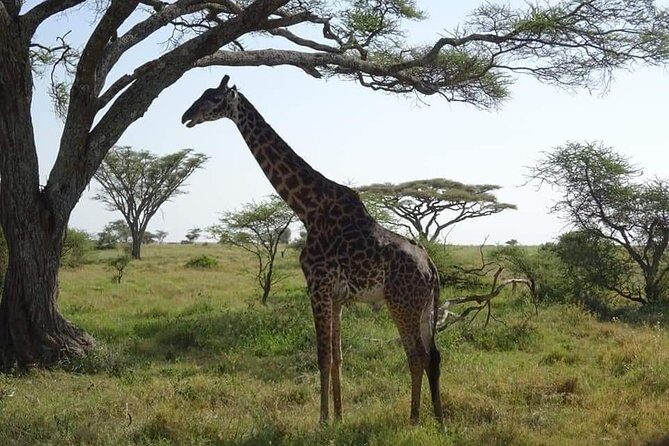
On Day 3 you start with breakfast, grab picnic lunches from your cook, and head to Lake Manyara National Park for a full day of game drives. In the afternoon you head back to Arusha for drop-off, with the schedule noting you should be back around 5pm to 6pm.
Lake Manyara tends to feel different from Tarangire and Ngorongoro. It’s a good “third act” stop because it breaks up the pattern of huge open savanna and crater viewing. The day is still about wildlife spotting, but the scenery and animal behavior can feel less like the “one big arena” feeling and more like varied patches to scan.
This day matters because it gives you a clean buffer before you leave the safari. You’re not arriving late at night. You’re not rushed the next morning for another park. You return to Arusha in the evening, which helps if you have an onward flight or a hotel night planned.
One consideration: by Day 3, you’ve already done two big safari days. Your body will remember the long drives. Hydrate early, and don’t underestimate how thirsty safari days make you.
Driving, Group Size, and How Your Guide Setup Shapes the Day
This tour is capped at a maximum of 6 travelers, which is a meaningful difference. Smaller groups tend to mean less waiting and fewer trade-offs. When you’re in a tight group, your driver can often manage timing more flexibly without feeling like you’re holding everyone hostage.
You also get a real guide component. In the experience feedback for similar trips with this operator, drivers like George are described as true pros—able to spot where to go and how to make the time count. And Humphrey’s name comes up for being helpful with organization and updates, including times when planning was disrupted and then reopened.
That matters because safari success is not just about park names. It’s about:
- where the vehicle positions
- when you enter areas
- how quickly you react to animal movement
- how calmly the day runs when plans shift
The best safari days feel smooth, like a plan that knows itself. A good driver makes that happen.
Meals on Safari: Picnic Lunch, Then Real Camp Time
On this plan, you’re not guessing about food. You have:
- Lunch (picnic lunches) during the park days
- Dinner at the campsite
- Breakfast on safari mornings
On Day 3, the detail that lunches are collected from your cook makes it clear the meal timing is managed. You won’t be stuck hunting for food while the daylight fades.
Good food matters because you’re burning energy all day. Even if you’re not hiking, wildlife spotting and long drives can wear you out. When meals are reliable, you stay focused on the important part: watching animals instead of thinking about logistics.
If you’re picky about snacks, pack extras. The plan covers core meals, but having a small backup like water and simple energy snacks can keep you comfortable between picnic breaks.
Comfort Tips for Camping Safari: What to Pack for Real Use
I’ll keep this practical, because safari packing isn’t about being fancy. It’s about being ready.
For a budget camping safari, plan for both warm daytime and cooler evening temperatures (especially after a long drive). Wear layers you can adjust fast inside the jeep. Bring:
- A hat and sunscreen for daytime driving
- A light jacket for morning/evening
- Binoculars if you have them (one piece of feedback suggests binocular rental options may exist, but don’t assume—bring your own if this is a priority)
- A way to keep electronics charged (power can be limited on camping nights)
Also, keep your camera workflow simple. If you’re constantly fumbling with lens caps or settings, you’ll lose moments when the animals decide to be interesting.
And please: bring a sense of humor. Camping days can be a little rough around the edges. If you treat it like part of the story, you’ll have an easier time.
Who This Safari Fits Best (and Who Should Think Twice)
This 3-day route fits best if you:
- Want a classic Tanzania starter circuit: Tarangire, Ngorongoro Crater, Lake Manyara
- Prefer a value-focused safari plan with park entry handled
- Are okay with budget camping and don’t need luxury accommodations
- Like the idea of small-group travel (up to 6 people)
- Want strong organization and a dependable driver setup
You might think twice if you:
- Want resort-level comfort every night
- Hate early starts and long drive days
- Expect a fully cushioned, low-effort experience
Safari is never exactly “relaxing,” but this one is designed to be efficient and well-run—meaning you spend your energy on wildlife, not on chaos.
Should You Book This 3-Day Tarangire, Lake Manyara, and Ngorongoro Safari?
Book it if your priority is seeing the big-name parks in a short time while keeping costs under control. The value comes from the structure: park fees listed as free/included for the safari days, daily picnic lunches, and a small group size that helps the day run smoothly. On top of that, the service reputation—Humphrey for organization and drivers like George for competent guiding—points to a trip that’s more “managed well” than “wing it.”
Don’t book it if camping and long driving days aren’t your thing. Also, if you want deep time in just one park, 3 days will feel tight. This itinerary is a sampler, but a strong one.
If you’re a first-time safari traveler and you want the essentials done right, this is a solid choice.
FAQ
What parks are included in this 3-day safari?
The itinerary covers Tarangire National Park, Ngorongoro Conservation Area (Ngorongoro Crater), and Lake Manyara National Park.
Where does the safari start and end?
It starts at the Kilimanjaro International Airport area (Kilimanjaro Airport Rd, Tanzania) and ends back at the same meeting point with drop-off.
How many travelers are in the group?
The tour has a maximum of 6 travelers.
What is the price per person?
The price is $750.00 per person.
What kind of accommodation is included?
Accommodation during the safari uses budget camping sites. Most campsites are inside national parks, except for Lake Manyara and Tarangire.
Are meals included?
Yes. The plan includes lunch, dinner, and breakfast each day, with picnic lunches served during the park drives.
Are park admission tickets included?
The tour details list admission ticket free for the safari days covered in the itinerary.
Is pickup included?
Yes, the tour offers pickup.
Is a mobile ticket provided?
Yes. The tour includes a mobile ticket.
What is the cancellation policy?
You can cancel for a full refund up to 24 hours before the experience starts. Free cancellation is listed, but cancellations made less than 24 hours before the start time are not refunded.