REVIEW · ARUSHA
6-DayThe Best of Northern Tanzania Safari
Book on Viator →Operated by Samora Explorers Ltd · Bookable on Viator
Few things beat a northern Tanzania safari.
What makes this one click is the way it strings together the big-name parks—Tarangire for elephants and baobabs, Serengeti for wide-open plains, plus Ngorongoro and Lake Manyara—without making you waste days on logistics. I also like that you’re met on arrival in Arusha, get a quick game-plan, then start your safari feeling ready instead of rushed.
My other favorite part is the safari setup: a private 4X4 safari vehicle with a professional driver-guide, and in Tarangire there’s an open-roof style viewing feel. In multiple guest notes, guides such as Iddy, Benjamin, Emidy, Shabani, and even Johnny and Gady get praised for spotting animals and keeping things calm (no frantic racing, just patient driving and good conversation).
One consideration: the itinerary is packed for six days, so you’ll spend plenty of time in transit between regions, and wildlife can’t be guaranteed. Even with Big Five chances at Ngorongoro Crater, you’re still relying on luck, timing, and animal movement—so set your expectations to What if? rather than I must see it.
In This Review
- Key highlights you’ll care about
- First contact in Arusha: arrival support that keeps day one smooth
- Price and what you actually get for $2,440 per person
- Tarangire National Park: elephants, baobabs, and a bird list that feels fake
- Serengeti National Park: a full day on the plains, with season-driven strategy
- From Serengeti to Ngorongoro Wild Camp: settling in before the crater day
- Ngorongoro Crater: the steep descent, Big Five chances, and the logic of early viewing
- Lake Manyara National Park: elephants, baboons, and lion-in-the-trees curiosity
- Guides like Iddy and Emidy: why the human side changes your sightings
- Day-by-day pacing: where it’s easy, where it’s tiring
- What to budget beyond the listed price
- Should you book this 6-day Northern Tanzania safari?
- FAQ
- How do you get from the airport to the lodge on the first day?
- Is this safari private or shared with other groups?
- What meals and drinks are included?
- Are park fees covered?
- Can I expect to see the Big Five?
- What extra costs should I plan for?
Key highlights you’ll care about
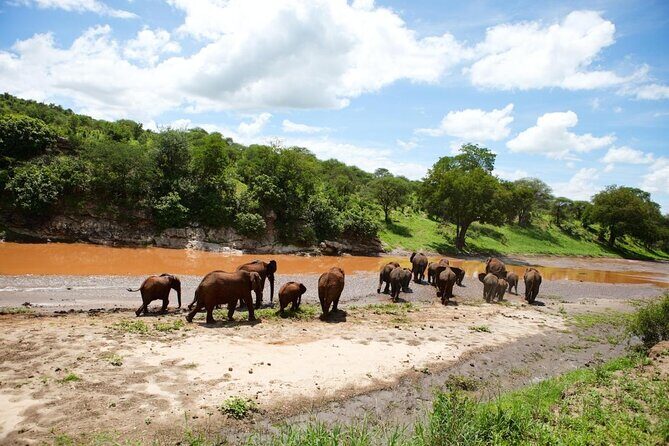
- Tarangire’s elephant-focused landscape: seasonal swamps, giant baobabs, and a lot of birds (500+ types mentioned).
- Serengeti for a full day: game drive plus picnic lunch, with timing that follows seasonal animal movement.
- Ngorongoro Crater early entry and dramatic scenery: steep descent from forested slopes into savannah dotted with acacia.
- Lake Manyara’s tree-time predators and heavy birding: elephants, baboons, and a lion population that spends much of its time in trees.
- Guides who communicate well: English plus German, French, Spanish, and Italian listed; guest feedback repeatedly calls out friendly expertise.
- What’s included reduces decision fatigue: park fees, meals, drinks, water, and transfers are part of the package.
First contact in Arusha: arrival support that keeps day one smooth
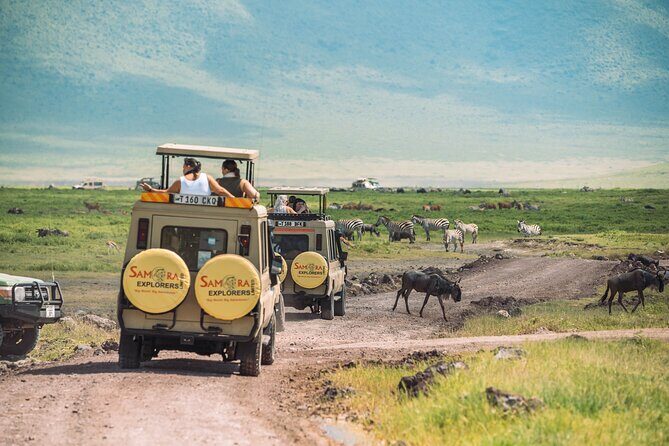
Your trip starts with a meet-and-greet at Kilimanjaro International Airport. A Samora Explorers Ltd staff member welcomes you, runs through what happens next, and answers questions before you head to the lodge. That matters more than people think. In Tanzania, your first hours can be confusing—paperwork, luggage, local timing, and unfamiliar routes. This setup is meant to take the edge off quickly.
After the handoff to your guide, you drive to your lodge and get time to relax. Day one is not about “maximum sightings.” It’s about getting your bearings, resting up, and being in a good mood for what comes next. The tour also includes private transportation from and to airports/destinations, so you’re not juggling taxis or trying to coordinate with other groups.
A few more Arusha tours and experiences worth a look
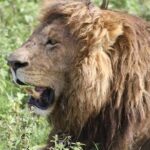
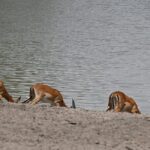
Price and what you actually get for $2,440 per person
At $2,440 per person for about six days, you’re paying for a true “main parks” northern circuit. You’re not just buying vehicle time—you’re buying the machinery that makes safaris work: a private 4X4, park access, and the staff that keeps the day moving.
Here’s what that number covers, based on what’s included:
- All park fees and all taxes/VAT (18% VAT)
- Park-related services such as crater service
- Private transfers from and back to the airport and between destinations
- A professional driver-guide (English, German, French, Spanish, Italian)
- Food and drinks: breakfast (5), lunch (6), dinner (5), plus beer and wine, and soft drinks
- Water during safari time (mineral water)
- Flying Doctor coverage listed as included
- Lodging described as perfect & comfortable accommodations (specific property details aren’t spelled out, but it’s part of the package)
What I like about this value model is that it reduces the surprise costs that can creep in on safari. Tips are not included (you’ll budget for those), and your international flights and travel insurance are also not included. But if you’re trying to avoid a scavenger hunt of add-ons, this package is structured to keep you focused on the parks.
Tarangire National Park: elephants, baobabs, and a bird list that feels fake

Tarangire National Park is your first true game-drive day, and it’s a great choice to start with. The landscape is described as bush savannah, seasonal swamps, and giant baobab trees—an instantly recognizable “Tanzania north” look. More importantly, Tarangire is highlighted as one of the best places in East Africa to see elephants.
Expect the elephant viewing to be the star of the show. The tour specifically notes you’ll be able to watch them from an open-roof safari vehicle, which is one of those small details that makes a big difference for photos and for feeling the moment. Elephants here aren’t just a checkbox. The park’s habitat concentrates wildlife, so you tend to get repeat opportunities rather than a one-and-done sighting.
You’ll also see Masai giraffes, gazelles, antelopes, buffaloes, lions, leopards, baboons, and more than 500 types of birds mentioned. That’s a lot, but the bird emphasis is realistic: if you enjoy spotting color and sound, Tarangire is where it starts.
After your game drive, you drive to Karatu for an overnight stay. One minor drawback: this means you’re doing a longer day early in the trip. It’s worth it, but if you hate late-night arrivals, plan to be tired on Day 2.
Serengeti National Park: a full day on the plains, with season-driven strategy
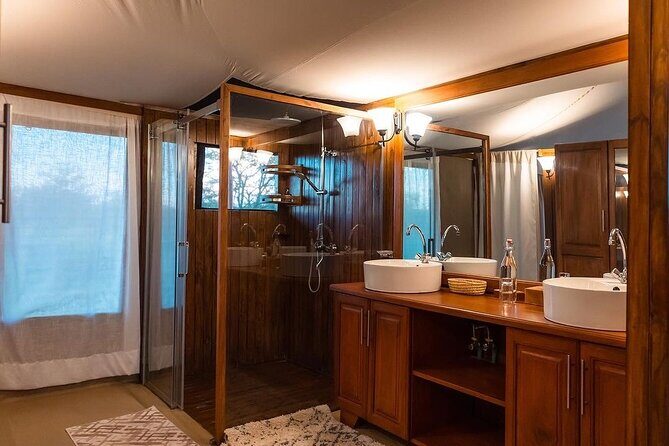
If you want “Africa as a feeling,” Serengeti delivers. This day is set up as a full-day game drive with a picnic lunch, and it’s described in sensory terms: ever-changing light, wildlife that doesn’t follow a schedule, and that classic Serengeti “cycle of life” vibe.
You might spend the day in the central park area or, depending on season, your guide will take you where the animals are more likely to be. That’s a key point. Serengeti isn’t one static location. It’s a moving system, and the tour acknowledges that your best sightings depend on timing and animal migration patterns.
The animal list is broad: lions, leopards, elephants, zebras, cheetahs, hippos, multiple antelope and gazelle species, plus reptiles and birds. What I like here is the balanced promise. It doesn’t pretend every species will show up. Instead, it frames Serengeti as a day where you follow sign, not a timetable.
The trade-off is simple: it’s a long day (it’s listed as 8 hours on this park day), so weariness can sneak in. The upside is that the driver-guide’s job is to keep you in the right areas, not to rush you past them.
From Serengeti to Ngorongoro Wild Camp: settling in before the crater day
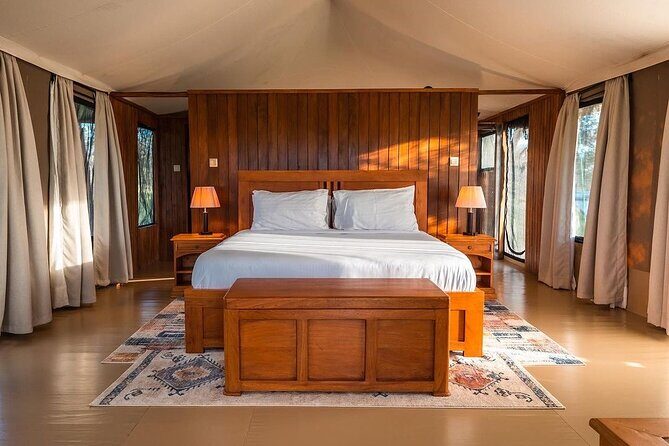
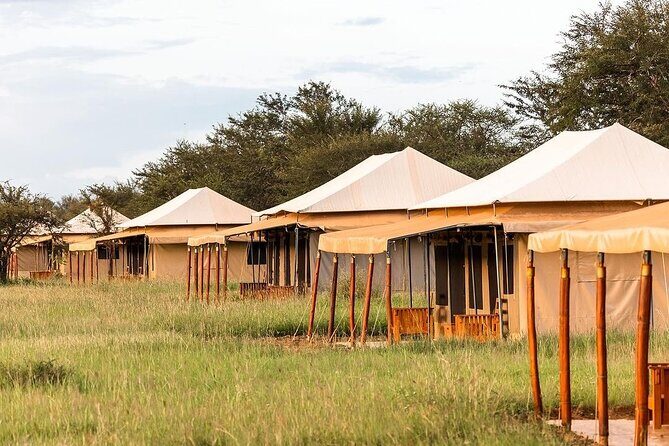
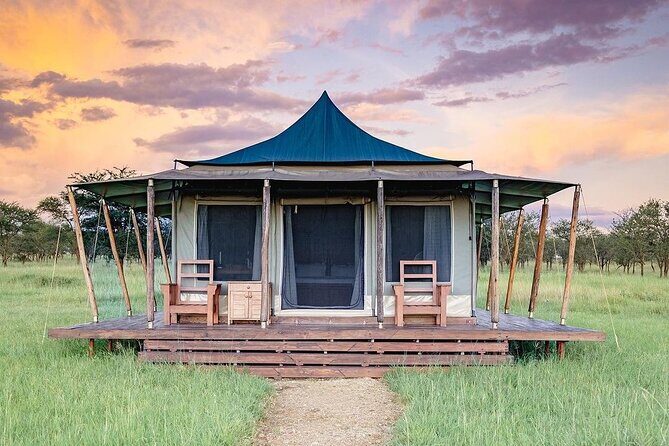
Day 4 is a transition day with another game-drive chunk, then time to settle into the Ngorongoro Wild Camp. The tour notes it as rustic yet comfortable, and it positions the camp as a true nature pause—good for resetting your body before the crater descent.
The timing matters here: you’re heading toward Ngorongoro Conservation Area, so you’re not just “moving hotels.” You’re moving into a different kind of environment. The scenery shifts and wildlife behavior changes, and getting the night inside the crater region helps you make the next day’s early start work better.
This is one of those stops that can be underrated until you feel it. When the crater day comes, you’ll be glad you had a calmer evening and a place to recharge.
Ngorongoro Crater: the steep descent, Big Five chances, and the logic of early viewing
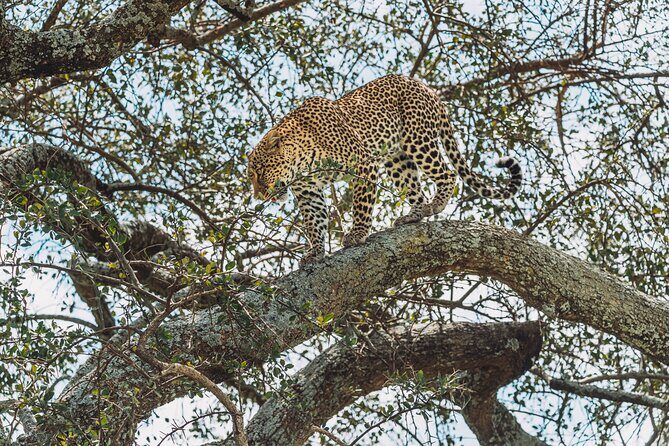
Ngorongoro Crater is where the tour aims for its most headline-grabbing wildlife moments. The day begins with early breakfast, then you enter the crater on a steep and narrow road. The route description is vivid and useful: forested slopes first, then a savannah dotted with occasional acacia trees.
That change in habitat is exactly why crater days feel different from open-plains days. Animals cluster, and you can often get a wide range of species in a smaller viewing area. The tour calls the wildlife breathtaking and notes the possibility of spotting the Big Five: lion, elephant, buffalo, rhino, and leopard.
You’ll also find warthogs, wildebeests, zebras, hippos, hyenas, and many more. Even if you don’t get every Big Five animal, Ngorongoro is still a “high density” kind of experience, which boosts your odds of seeing something interesting every stretch of the road.
You’ll have a morning full of game viewing and a picnic lunch. After that, you leave the crater in the afternoon and head back to Karatu for the night. This means your crater time is protected into a morning window, which is usually what makes a big difference for animal activity.
One more practical note: the tour includes crater service, which is relevant because crater logistics can be its own puzzle. Here, it’s handled inside the package.
Lake Manyara National Park: elephants, baboons, and lion-in-the-trees curiosity
Your final safari day is Lake Manyara National Park, where the plains meet the Rift Valley escarpment. That geography matters because it shapes birdlife and how wildlife uses the landscape.
The tour highlights several likely hits:
- up-close elephant sightings (not just “maybe”)
- lots of baboons
- a lion population that spends much of its time in trees
- rich birdlife and predator ambush behavior
That last bullet is the best kind of promise for a visitor who likes watching interactions. Many safari days can become “spot and stare.” Lake Manyara’s description pushes you toward movement and behavior, especially with the trees-and-predators angle.
Birdlife is also a strong reason to choose this park on a limited itinerary. If you’ve spent the earlier days chasing mammals, Manyara is your chance to slow down and listen with your eyes as much as your ears.
After your game drive, the safari ends back at the meeting point. The tour listing frames this as the end of the Tanzania part of your trip, and it’s a natural place to breathe before heading onward.
Guides like Iddy and Emidy: why the human side changes your sightings
Across the feedback, one theme keeps showing up: the guide isn’t just driving. People credit guides by name for doing the work that turns a good route into a great day.
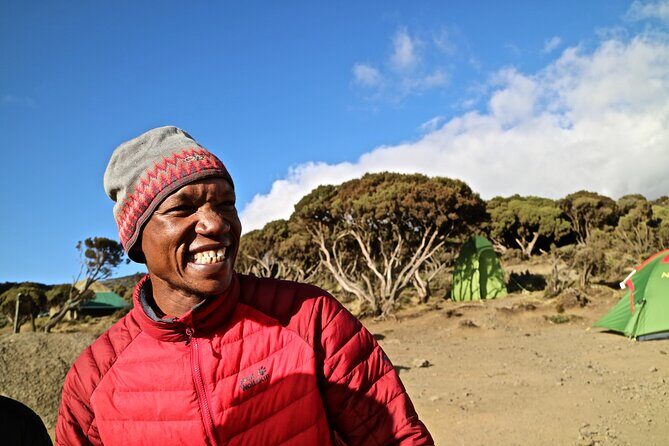
- Iddy gets repeated praise for being patient, friendly, and very good at finding animals. One guest even described him as knowing a lot about species and staying calm rather than rushing.
- Benjamin appears in notes as delivering the best experience possible, with animals people couldn’t have dreamed of.
- Emidy shows up in a “Big 5 and more” context, with a guest highlighting reptile spotting like crocodile and python.
- Shabani and cook Lothar are praised for fulfilling wishes, and for smooth organization and communication.
What you should take from that, as a future reader: your odds aren’t only about where you go. It’s also about how well the driver-guide reads the landscape—signs of animals, likely watering spots, and when to move versus when to hold position.
If you care about species variety (mammals plus reptiles plus birds), this tour’s guide emphasis is one of its strongest selling points.
Day-by-day pacing: where it’s easy, where it’s tiring
This is a fast-cycling safari. That’s not bad—it’s how you fit four major parks into six days—but you should match your expectations.
- Day 1 is your buffer day: airport meet-up, lodge time, prep for safari.
- Days 2 and 3 are your big game-drive blocks: Tarangire and Serengeti each expect long time on the road.
- Day 4 adds another game-drive portion and an overnight change into the Ngorongoro region.
- Day 5 is the crater day, and it’s structured around early viewing (early breakfast, steep descent, morning game time).
- Day 6 is lighter in feel only because it’s the last day, but it still runs as a full safari stop.
If you’re the type who enjoys “in the moment” driving and you don’t mind being in a vehicle a lot, this pacing fits well. If you’re sensitive to long rides, you might want to mentally plan for that fatigue.
What to budget beyond the listed price
Even strong safari packages have add-ons. Here’s what isn’t included:
- international flights and travel insurance
- visa
- tips for driver-guide: $10 per person per day
This last one matters. Tipping culture is real in Tanzania, and skipping it can feel awkward for you and unfair to the team. If you’re traveling as a couple or small group, budget it early so it doesn’t become a last-day stress.
Should you book this 6-day Northern Tanzania safari?
Yes—if you want the “greatest hits” of northern Tanzania in a tight window and you care about having a guide who can work the parks well. The strongest reasons to book are the park lineup (Tarangire, Serengeti, Ngorongoro Crater, Lake Manyara), the private 4X4 experience, and the package value that bundles park fees, meals, and drinks.
I’d hesitate only if you hate long travel days or if you’re coming with extremely rigid expectations about seeing specific animals. This route sets you up for top wildlife, but sightings still depend on timing and conditions.
If you’re the kind of traveler who loves elephants, plains wildlife, and crater drama—and you’re happy to trade a slower pace for major results—this is a smart way to spend a week in Tanzania’s north.
FAQ
How do you get from the airport to the lodge on the first day?
You’re met at Kilimanjaro International Airport by a Samora Explorers Ltd staff member, then your guide drives you to the lodge where you can relax and prepare for the next day. Private transportation from and to airports/destinations is included.
Is this safari private or shared with other groups?
This is a private tour/activity. Only your group participates, and it includes a private 4X4 safari vehicle.
What meals and drinks are included?
Breakfast is included for 5 days, lunch for 6 days, and dinner for 5 days. Beer and wine and soft drinks are included, along with mineral water on safari.
Are park fees covered?
Yes. All park fees and all taxes/VAT are included. The tour also lists crater service as included.
Can I expect to see the Big Five?
You may spot the Big Five at Ngorongoro Crater (lion, elephant, buffalo, rhino, leopard), but it’s not guaranteed. The itinerary describes it as chances based on luck and wildlife movement.
What extra costs should I plan for?
International flights, visa, travel insurance, and tips for the driver-guide ($10 per person per day) are not included. The tour also notes free cancellation if you cancel at least 24 hours before the experience start time for a full refund.