REVIEW · ARUSHA
From Arusha : Days Safari Northern Circuit to Maasai Boma
Book on Viator →Operated by Beach & Safari · Bookable on Viator
Elephants, caldera, and Maasai culture—fast. I love the Tarangire elephant sightings and the Ngorongoro Crater Big Five chances. The trade-off is the itinerary is busy, so the 4-day pace can feel a bit rushed if you want lots of downtime.
What helps is the mix: a Maasai Boma cultural exchange in the morning, then time to cool off at the Africa Safari Lake Manyara set by the lake. Past guests have also praised guides by name—like Jaffari and Kiaka—especially for turning drives into real learning about wildlife and Tanzanian daily life.
In This Review
- Key highlights to know before you go
- A tight 4 days across the Northern Circuit (and what that means for you)
- Day 1: Arusha pickup and Tarangire’s baobabs and elephants
- Day 2: Mto wa Mbu Maasai Boma visit, then Lake Manyara rest time
- Staying at Africa Safari Lake Manyara by the lake (what to expect)
- Day 3: Ngorongoro Crater and the Big Five target
- Day 4: Lake Manyara’s tree-climbing lions and lake views
- Price and logistics: what you’re really paying for
- Guides, group setup, and how to improve your odds
- Who this safari is best for (and who should consider something else)
- Should you book this Northern Circuit safari?
- FAQ
- How long is the safari?
- Where does the safari start?
- Which parks are included?
- Is there a Maasai village visit included?
- Will I have game drives?
- Where will I stay overnight?
- What meals are included?
- What costs are not included in the tour price?
- What time does pickup run?
- What happens if the tour is canceled due to weather or minimum travelers?
Key highlights to know before you go
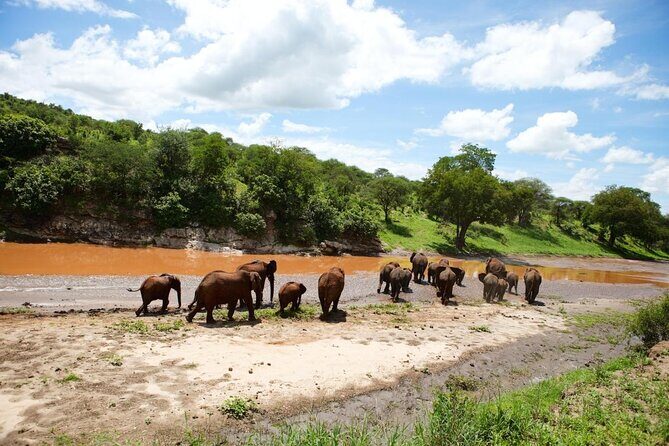
- Tarangire National Park: famous for baobab scenery and a big elephant presence in northern Tanzania
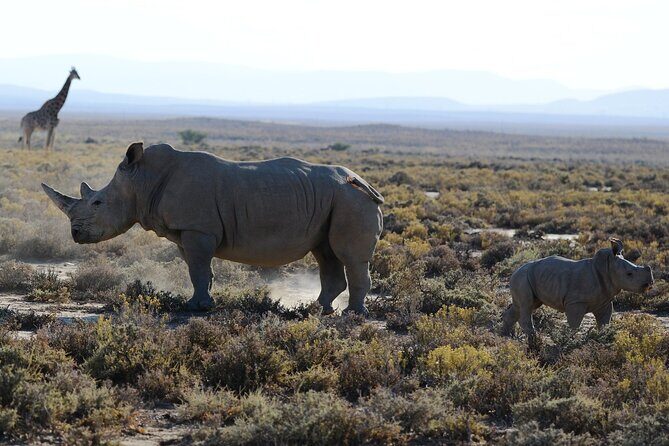
- Ngorongoro Crater game drive: the world’s largest intact volcanic caldera and a realistic Big Five target
- Maasai Boma visit in Mto wa Mbu: huts, beadwork, and traditional dance in a respectful setting
- Africa Safari Lake Manyara accommodation: full-board comfort with a place to relax between drives
- Lake Manyara tree-climbing lions: a well-known wildlife style that makes the final day special
A tight 4 days across the Northern Circuit (and what that means for you)
This safari is built for action. You’re starting from Arusha and moving through Tarangire, then Ngorongoro, then Lake Manyara—with a cultural stop in between. For many people, that’s the sweet spot: you get iconic sights without spending a full week on the road.
But speed has a cost. You’ll spend long hours traveling and searching for animals, and the “full day” feel is real. If you’re the kind of traveler who likes slow mornings, this tour can still work, but you’ll need to mentally switch into safari mode—early start, game drive focus, then crash at the lodge.
A nice detail: it’s set up as a private tour/activity, meaning it’s only your group, not a mixed crowd hopping in and out. There are also group discounts available depending on your party size, and you’ll receive a mobile ticket. That usually means fewer last-minute headaches.
A few more Arusha tours and experiences worth a look
Day 1: Arusha pickup and Tarangire’s baobabs and elephants
Your day starts with pickup from your hotel or the airport in Arusha. The run-time for that pickup itself is short, about 30 minutes, but it’s the start of everything—getting organized, meeting your driver-guide, and getting your first look at how the safari rhythm will work.
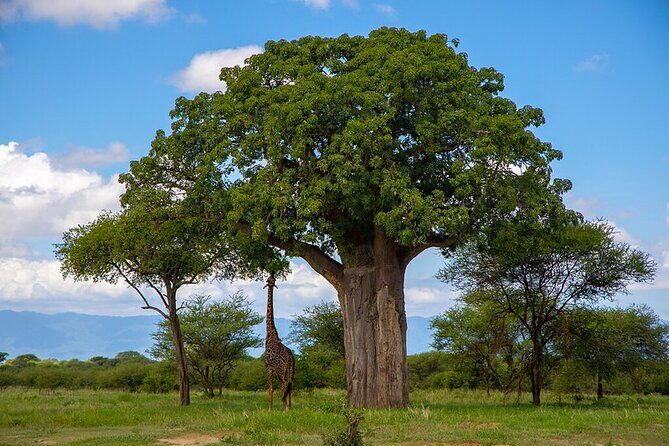
Then you hit Tarangire National Park for a long 6-hour game drive. Tarangire is often the first park I recommend in this region because it feels visually different. Baobab trees are a big part of the scenery, and they create that classic northern Tanzania look—tree silhouettes, open ground, and sudden wildlife moments.
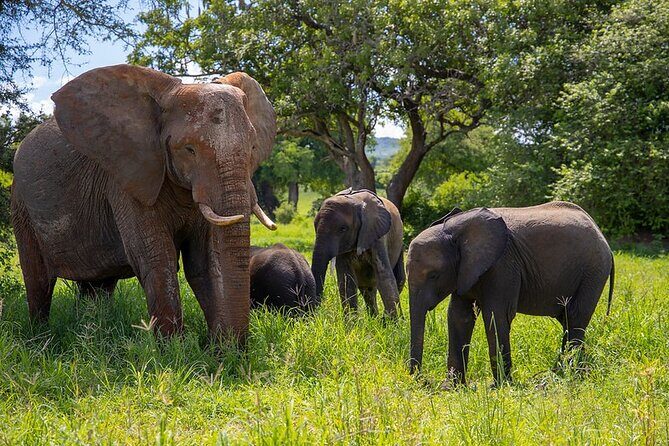
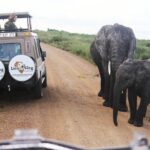
The other big reason Tarangire earns its reputation is elephants. This park is known for having the highest elephant population in northern Tanzania, and when elephants are on the move, it changes the whole drive. Even if you’ve seen elephants before, the density and behavior here tend to keep you glued to the road.
Practical tip for day 1: arrive mentally ready for lots of scanning. Game drives reward patience more than luck. If you can, bring binoculars and wear something comfortable for sitting for hours—because Tarangire’s most exciting moments often happen just after you think the day is quiet.
Day 2: Mto wa Mbu Maasai Boma visit, then Lake Manyara rest time
Day 2 is where this tour shifts from wildlife-heavy to culture-and-comfort. After breakfast, you’ll head to Mto wa Mbu for the Maasai experience.
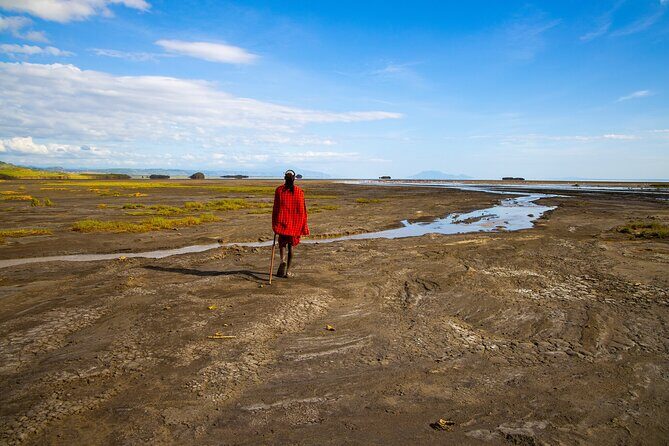
The Maasai Boma visit lasts about 3 hours. You’ll see traditional huts built from mud, sticks, and cow dung, arranged inside a circular fence of thorny bushes meant to protect people and cattle from predators. This is not a quick photo stop—you’re invited to practice a traditional dance, talk about daily life and customs, and admire Maasai beadwork made by women.
This part can be incredibly meaningful if you go in with the right attitude. Ask questions. Listen more than you speak. If you’re thinking about cultural respect, this is the day to slow down a bit and engage.
After that, the schedule turns into a breather: you get about 5 hours at Lake Manyara for relaxation at the Africa Safari Lake Manyara property. The tour specifically mentions a swimming pool, ordering a cocktail at the bar, and the option to book a massage at the spa (whether that’s included or paid extra isn’t stated, so treat it as optional).
Why I like this break: it prevents the safari from feeling like constant driving. You get a chance to reset—shower, recharge, and eat without rushing straight into the next long outing. Safari days can blur together fast, and this scheduled pause helps the trip feel more human.
Staying at Africa Safari Lake Manyara by the lake (what to expect)
You spend the night at Africa Safari Lake Manyara accommodation, and it’s described as being next to the lake. That matters more than it sounds. After a day of driving and warm-air exposure, being near water usually helps with that post-drive decompression.
One review mentioned sleeping in a tent inside the national park area, but with the comfort level of a hotel. That’s not guaranteed for every room or every season, but it hints at the style: you might get a more “in-the-wild” feeling than a standard city lodge.
The key point for your planning is that this tour runs as full board—meaning meals are handled across the trip. You’ll have breakfast (3), lunch (4), and dinner (3) included. That removes one of the biggest hassles of safari travel: figuring out food stops while also trying to keep game drive timing in sync.
Day 3: Ngorongoro Crater and the Big Five target
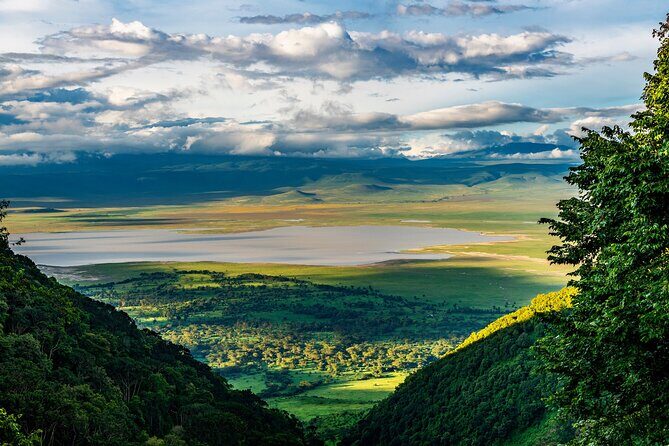
Day 3 is the headline for most people, and it deserves it. You go to Ngorongoro Crater for a 6-hour full day game drive.
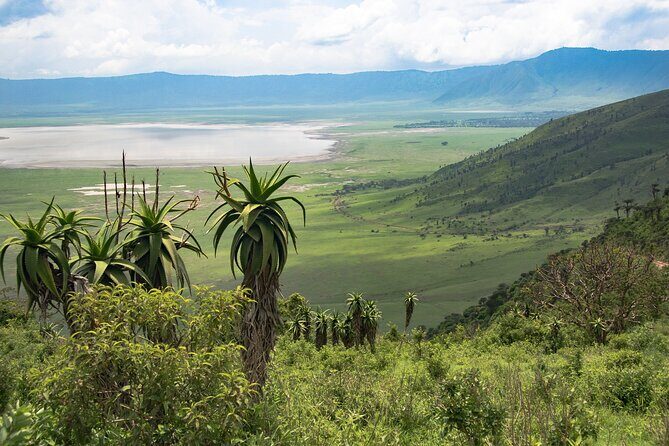
Ngorongoro is described as the world’s largest intact volcanic caldera and often called the 8th World Wonder. That’s marketing language, yes, but the practical truth is this: the crater bowl concentrates wildlife and gives you a big “wow” factor fast. You don’t just see animals; you see them in a dramatic setting shaped by geology.
The tour also says you can get a chance to see the Big Five here. I always tell you to take Big Five claims as a goal, not a guarantee—wildlife still has its own schedule. Still, Ngorongoro is one of the few places where your chances can be strong, because visibility and animal presence can be high depending on conditions.
A word about how to make this day work: dress in layers. Even if the days feel hot, crater weather can shift, and you’ll be sitting and scanning for hours. Also, keep an eye on where animals move—Ngorongoro often rewards reading tracks and behavior as much as just spotting at a distance.
If you get a guide who explains what you’re seeing, that’s the difference between a normal drive and a memorable one. Past guests highlighted guides such as Alphonse and George for sharing facts and helping them connect animals to the land and local culture.
Day 4: Lake Manyara’s tree-climbing lions and lake views
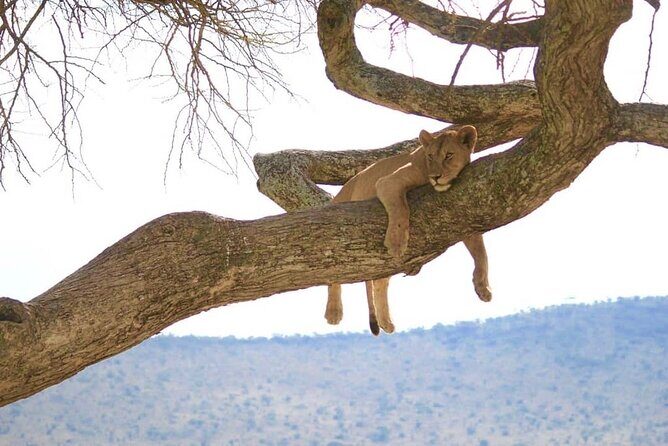
On the final day, you enjoy breakfast at the Africa Safari Lake Manyara accommodation, then you head out for another 6-hour game drive at Lake Manyara National Park.
Lake Manyara is famous for one specific thing: tree-climbing lions. Not every sighting happens every day, but the park is known for this behavior, and your drive is structured to give you real time to look. This makes day 4 feel like a chance to end with a distinctive story, not just another animal check-list.
Lake Manyara is also connected to views of the lake environment. The tour description calls out the beauty of the park during the game drive, and I agree: even when animals are quiet, the scenery and changing light can keep the drive interesting.
A practical consideration for day 4: your energy might be lower than day 1 or day 2. You’ll likely have some fatigue from the earlier long drives. Plan to be patient with yourself—focus on one or two “targets” for the day (like lions in trees) rather than expecting perfection across every kilometer.
Price and logistics: what you’re really paying for
The price is $1,510.00 per person for about 4 days. On paper, that can look high or fair depending on what’s included. In this case, the value improves because key costs are bundled.
Here’s what the tour says is included:
- Park fees
- Full-board meals: breakfast (3), lunch (4), dinner (3)
- Accommodation included (the Africa Safari Lake Manyara property)
- Transport between Arusha, the parks, and the overnight location
- Pickup from your hotel/airport in Arusha
- Admission ticket costs are effectively handled through the included park fees for the park days
What’s not included:
- Tourism Development Levy ($1.50 pp/pn) and village tax ($1.00 pp/pn) paid at check-in
- Personal expenses, drinks, and tips
My way of judging the price: if you had to book parks, lodging, and meals separately with a reputable operator and then add a guide, you’d likely spend more time and often more money. Here, the structure is tight and the daily rhythm is built for safari timing, which is hard to recreate on your own without experience.
The extra taxes at check-in matter, but they’re small compared to the overall cost—still, I’d budget them so you’re not surprised at arrival.
Guides, group setup, and how to improve your odds
This is a private tour/activity, so your group size is limited to whoever you booked with. That usually means fewer interruptions and better communication. It can also make it easier for your driver-guide to tailor stops and pacing.
One thing I like about this tour style: it’s not just “drive and point.” Reviews mentioned guides such as Kiaka, Deo Mao, Jaffari, Joel, George, Jeffred/Jefried, and Alphonse. The common thread was strong support on two fronts: spotting wildlife and explaining the culture and landscape in a way that made the trip feel grounded.
So what can you do to get the most from your guide?
- Ask simple questions when you see animals: what they’re doing, what the behavior suggests, and how it connects to local life.
- When you hear about something specific—like tree-climbing lion behavior—treat it as a reason to slow down your expectations and watch longer.
- If you have any must-see preferences, mention them early so your guide can build them into the day’s search.
Also, keep your expectations flexible. Wildlife doesn’t read schedules. A good guide works with what the day gives them.
Who this safari is best for (and who should consider something else)
This tour fits best if you want a classic northern safari sampler: Tarangire elephants, Ngorongoro crater drama, Lake Manyara’s special behavior, plus a Maasai village visit. If you’re on a time budget and still want variety, the route makes sense.
It’s also aimed at travelers with moderate physical fitness. That doesn’t mean hardcore hiking. It’s more about being comfortable with game drive seating, getting in and out of vehicles, and handling rural walking around the cultural stop.
If you want a trip that feels slow, quiet, and unstructured, this isn’t that. The value here comes from the tight sequence of experiences and the fact that your meals and park logistics are handled.
Should you book this Northern Circuit safari?
I think this is a strong pick if:
- You want real wildlife time in multiple top parks without stretching the trip to a week
- You like the idea of ending with Lake Manyara’s unique lions and daytime relaxation after culture
- You want full-board convenience so you can focus on the safari
I’d hesitate if:
- You dislike fast itineraries or long drives and need lots of downtime
- You prefer lots of free time to explore on your own (this tour is guided and structured)
If you book, do yourself a favor: pack smart for long sitting hours, be ready for changing conditions, and come into the Maasai Boma day with curiosity and respect. That’s when the trip feels less like a checklist and more like a real Tanzania experience.
FAQ
How long is the safari?
The tour runs for about 4 days.
Where does the safari start?
It starts in Arusha, with pickup offered from your hotel or from the airport.
Which parks are included?
You’ll visit Tarangire National Park, Ngorongoro Crater, and Lake Manyara National Park.
Is there a Maasai village visit included?
Yes. You’ll visit a traditional Maasai Boma in Mto wa Mbu for about 3 hours, with time for interaction such as conversation, dance, and beadwork.
Will I have game drives?
Yes. You’ll have game drives at Tarangire, Ngorongoro Crater, and Lake Manyara, each listed as about 6 hours.
Where will I stay overnight?
You’ll stay overnight at Africa Safari Lake Manyara accommodation, described as located next to the lake.
What meals are included?
Breakfast, lunch, and dinner are included as full board: breakfast is included 3 times, lunch 4 times, and dinner 3 times.
What costs are not included in the tour price?
Not included are personal expenses, drinks, tips, and specific taxes paid at check-in: Tourism Development Levy ($1.50 pp/pn) and village tax ($1.00 pp/pn).
What time does pickup run?
The available pickup window is listed as 6:00 AM to 10:00 AM, Monday through Sunday.
What happens if the tour is canceled due to weather or minimum travelers?
If poor weather cancels the experience, you’ll be offered a different date or a full refund. If it’s canceled because the minimum number of travelers isn’t met, you’ll be offered a different date or experience or a full refund. Free cancellation is available up to 24 hours in advance for a full refund.