REVIEW · MOSHI
Explore the 360° of Kilimanjaro
Book on Viator →Operated by Oclaa Adventures Tanzania · Bookable on Viator
One mountain. 360° by bike.
What makes this trip special is the mix of off-road riding and real-life culture around Moshi, from Maasai villages to Chagga homes, while you keep Kilimanjaro in view. I love the way the route shifts climates fast, from greener slopes to drier acacia country, and I also like the practical safety and support setup, including a support vehicle and a guide with a pulse oximeter. One thing to consider: the riding days are long (often 6–8 hours), and the tracks can be dusty or rocky, so you’ll want solid biking comfort and stamina.
I went into this kind of trip expecting scenery. I got it. But the stronger payoff is how the ride pulls you through places you normally pass by quickly in a car—villages, farms, and wildlife corridors—at a pace that lets you actually notice things.
In This Review
- Key Highlights You’ll Feel on This Ride
- Why a 360° Kilimanjaro Bike Loop Feels Different
- The Ride Reality Check: Terrain, Timing, and Effort
- Day 1 in Moshi: Getting Bikes Fitted and Rolling Near Town
- Day 2: Into Maasai Lands Through Coffee, Banana, and Acacia Country
- Day 3: Enduimet Wildlife Corridor and the Simba Farm Finish
- Day 4: Rongai Foothills and the Snowcap Cottages Edge
- Day 5: Lake Chala, a Caldera Night on the Kenya–Tanzania Border
- Day 6: Marangu Village, Chagga Culture, and Ndoro Waterfall
- Day 7: Village Backroads to Moshi and a Proper Toast
- Guides, Mechanics, and Safety Details That Actually Matter
- Price and Value: Is $2,100 Fair for What You Get?
- What to Pack (So Your Trip Doesn’t Get Annoying)
- Who This Trip Suits Best
- Should You Book This 360° Kilimanjaro Bike Trip?
- FAQ
- What time does the tour start each day?
- Is airport pickup included?
- How long is the cycling portion?
- What’s included with the trip?
- Do I need a sleeping bag?
- Can I cancel for a full refund?
Key Highlights You’ll Feel on This Ride
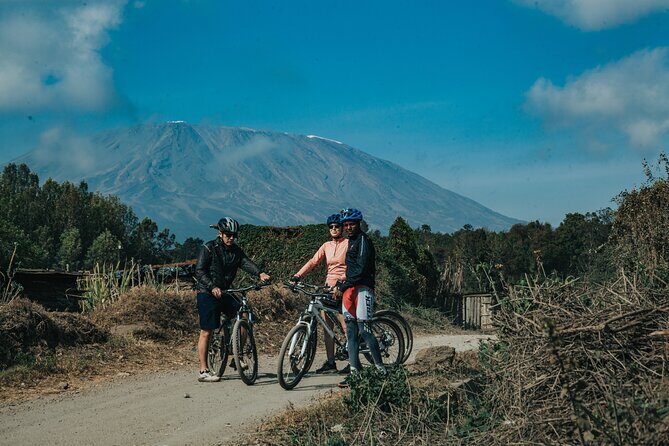
- Real Kilimanjaro perimeter riding: a 370 km loop that keeps you close to the mountain’s changing zones.
- Maasai cultural village night: music, songs, and food, plus a chance to understand how people live alongside wildlife.
- Enduimet Wildlife Management Area: a wildlife corridor linked with elephant movements and migration routes near Amboseli.
- Rongai forest edge at Snowcap Cottages: you’re positioned for strong views when skies cooperate.
- Lake Chala crater-lake sleepover: a dramatic volcanic setting on the Kenya–Tanzania border.
- Ndoro Waterfall detour in Marangu: short but meaningful walking and local context around Chagga traditions.
Why a 360° Kilimanjaro Bike Loop Feels Different
Most Kilimanjaro trips are about the summit. This one is about the footprint. By cycling around the base, you get the slow-burn version of the mountain—farmland texture, dry-season plains, and forest edges—without the extreme altitude push.
You’ll also feel the geography in a practical way. As the route turns from southern Kilimanjaro toward the western side, the world changes around you: more open acacia woodland, more dust on the tires, and (when you’re lucky) wildlife sighting possibilities in areas set aside for conservation.
And yes, culture is part of the ride, not just a scheduled stop. You spend time in a Maasai cultural village—plus you’ll move through Chagga areas later—so you get the human side of living at Kilimanjaro’s edge, where agriculture and livestock have to share space with migrating animals.
You can also read our reviews of more tours and experiences in Moshi.
The Ride Reality Check: Terrain, Timing, and Effort
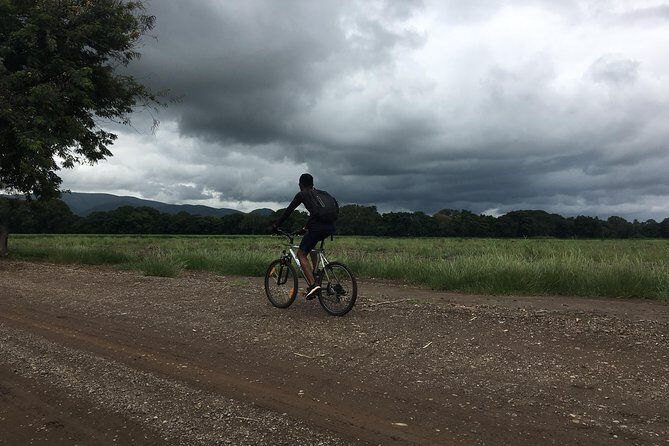
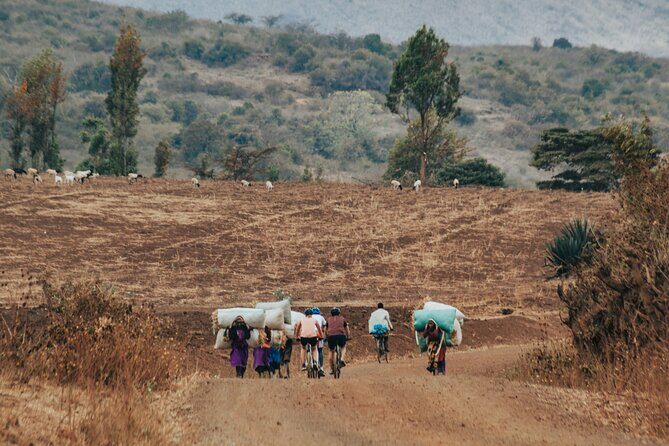
This is not a spin-class route. Expect a mix of off-road tracks and some paved roads, and plan for dusty sections and occasional rocky footing. The daily riding time runs roughly from 4 hours on one shorter day to about 8 hours on another, and most days land in the 6–7 hour range.
That means your “fitness target” is not just endurance. It’s also comfort on uneven ground. If your bike-handling is rusty—wet roads aren’t the issue here, dust and rocks are—practice on trails before you arrive.
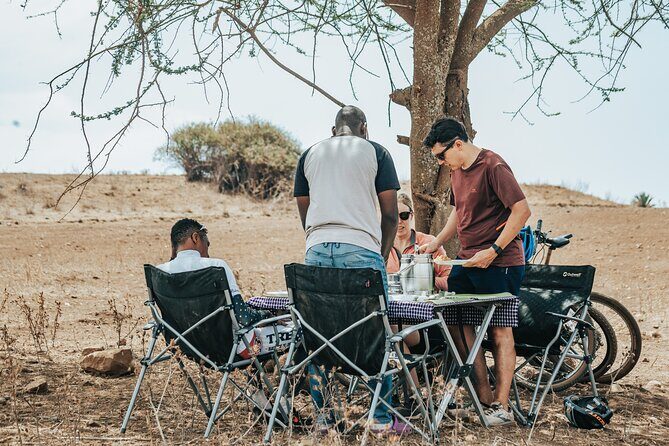
The good news is that the trip is structured with support. There’s a driver and support vehicle, plus a bike mechanic on the team. You’ll also get snacks and fruit along the way, and water is provided (3 liters of mineral water per biker during the trip, as listed). That matters when you’re working hard at the same time you’re enjoying the views.
Day 1 in Moshi: Getting Bikes Fitted and Rolling Near Town
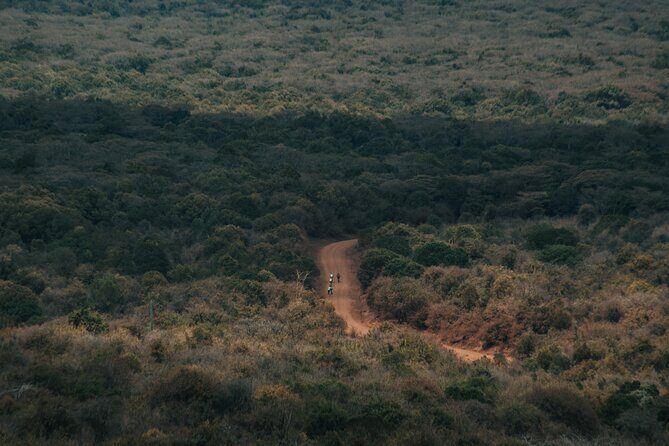
Day 1 is your “setup” day, and it’s handled thoughtfully. You’re picked up at Kilimanjaro International Airport (JRO) and transferred to Keys Hotel near Moshi, at the mountain’s base. After you meet your guide, you get your bike fitting—this is the kind of small thing that can prevent big problems later (numb hands, sore backs, bad pedaling angles).
If you arrive on a morning or afternoon flight, there’s time for a quick test ride through nearby coffee plantations and surrounding villages. That’s more than a warmup. It helps you get a feel for the local riding surface before the real loop begins.
The start time is 7:00 am, so you’re not wandering around all day in transit mode. You’ll likely sleep better knowing the first morning isn’t stressful.
Day 2: Into Maasai Lands Through Coffee, Banana, and Acacia Country
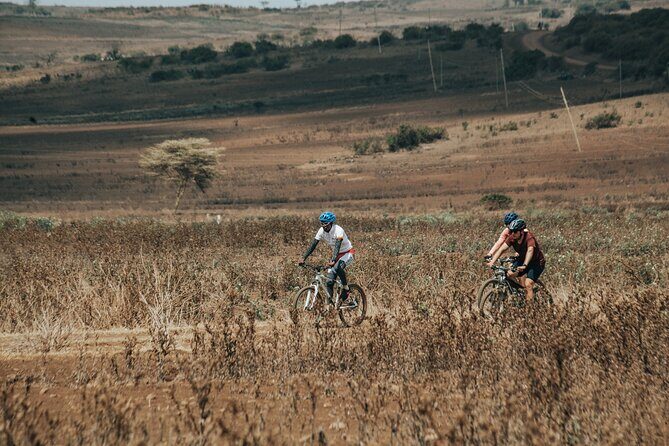
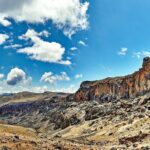
Today you head from the greener southern side of Kilimanjaro toward the more arid western side. The ride starts among coffee and banana plantations, then transitions into open plains and acacia woodlands.
This is one of the best days for understanding how quickly conditions can change around Kilimanjaro. You’re basically watching the ecosystem shift as you pedal—more dry-season grasses, more acacia tree structure, and (where wildlife is present) better chances for sightings from a moving bicycle.
You also reach Olpopongi – Maasai Cultural Village & Museum. This is the day’s cultural core. You’re not just shown an item or two; you’re given time to learn about customs, songs, and local food. That kind of direct contact is exactly why this trip feels more meaningful than a standard day ride.
Possible drawback: cultural stops can run on local timing, and riding days are long. If you prefer a very strict schedule, keep expectations flexible.
Day 3: Enduimet Wildlife Corridor and the Simba Farm Finish
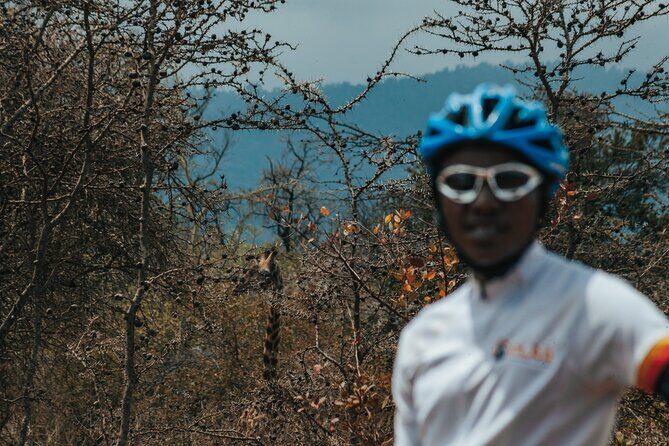
Day 3 pushes deeper into conservation country: the Enduimet Wildlife Management Area, one of Tanzania’s best-kept secrets according to the route description. It borders Amboseli National Park and functions as an important migratory route, including African elephants.
The cycling starts on wide open plains dotted with acacia trees. Then it gets greener as you approach the lower slopes of Kilimanjaro, where cultivation increases. That mix is satisfying—big sky riding early, then more farmland textures as you near the mountain base.
The day’s ride ends at Simba Farm, looking over the west Kilimanjaro plains. Finishing a riding day with a view like that is more than pretty. It gives you closure to a day that’s both active and observational—you can park your mind for a while and just watch how the plains open up.
Day 4: Rongai Foothills and the Snowcap Cottages Edge
Today you move toward the northeast side of Kilimanjaro, to Nalemoru village near the Kenyan border. This is where the Rongai route up Kilimanjaro starts, so you’re traveling in an area that has a real climbing legacy—just without the climb itself.
Your day goes through farmlands with views behind you of the west Kilimanjaro plains. You’ll cycle through several towns as you work toward the foothills and then into the Rongai forest.
The day ends at Snowcap Cottages, placed right on the edge of the Rongai forest. On a clear day, you can enjoy views of Kibo and Mawenzi peaks. Even if skies are hazy, being positioned at the forest edge usually keeps the air cooler and the walking-drift of forest sounds more present than on open plains.
Riding consideration: with longer days (this one is listed at about 8 hours), you’ll want to eat early and often, not just at the end. Snacks and fruit help, but your body still responds to steady fuel.
Day 5: Lake Chala, a Caldera Night on the Kenya–Tanzania Border
One of the best rewards on this itinerary is Day 5: the ride down toward Lake Chala. This is a crater lake right on the Kenya–Tanzania border, and the water is fed entirely by underground springs from Mount Kilimanjaro.
The visual payoff is huge. The lake is described as turquoise blue and green, with surrounding plants, trees, and wildlife. Even if you’re not chasing wildlife photos, a crater lake this close to volcanic terrain gives you a different kind of calm than the farms and plains.
That night’s camp is on the edge of the caldera lake, against a dramatic volcanic backdrop. This is the kind of night that makes the hard riding days feel worth it: you stop thinking about distance and start listening—to insects, wind, and the far-off rhythm of camp.
Day 6: Marangu Village, Chagga Culture, and Ndoro Waterfall
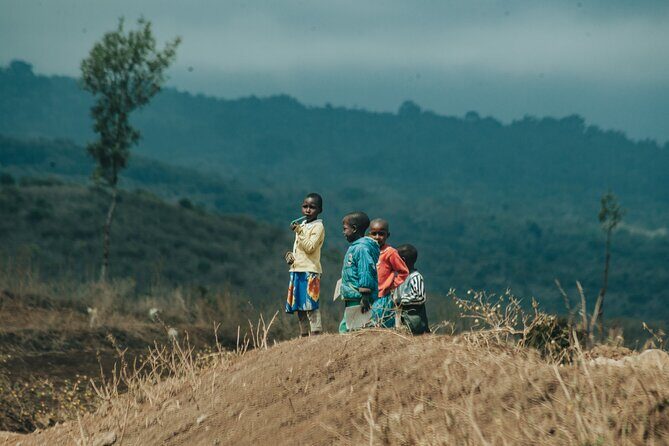
Day 6 combines a shorter ride with an actual walk. You ride up to Marangu village in the foothills, passing banana and coffee plantations along the way and meeting friendly Chagga people who wave and call out “Jambo!”
The cultural layer here comes with a detour to Ndoro Waterfalls. You can stretch your legs and walk down to the base of the falls, and a local Chagga guide shares local history and customs tied to the area, including the mention of Chagga cave and a legend about the waterfalls.
That combo—cycling effort, then a guided walking segment—works well. It breaks up the day’s physical load and gives you a human narrative you can’t get from passing by in a vehicle.
Practical note: wear shoes that handle uneven paths around waterfalls. This portion is listed as a detour, but it still counts as time on your feet.
Day 7: Village Backroads to Moshi and a Proper Toast
Your final day brings you back to Moshi. The first half includes steep ascents and descents, then the second half shifts into a gradual downhill ride toward town.
You cycle through suburbs and outskirts on back roads, ending at Keys Hotel, which marks the end of the six-day journey around Kilimanjaro by two wheels. The trip also includes a celebratory dinner with sparkling wine to toast your achievement.
That last-night ritual matters. It turns the effort you put into daily rides—hours of pedaling, dust in your gears, sore muscles—into something shared, rather than just “another day done.”
Guides, Mechanics, and Safety Details That Actually Matter
This tour’s quality isn’t only the route. It’s the people managing the moving parts.
You have tour guides, a bike mechanic, a driver, and a cook. That support stack matters because bike travel isn’t only about legs; it’s about having repairs handled fast and meals kept consistent so you don’t bonk halfway through the day.
One detail I really like is that the guide is equipped with a Pulse Oximeter used to take blood-oxygen level readings of clients, plus a complete first aid kit for emergencies. That’s not “scare the group” equipment; it’s the kind of readiness you hope you never need.
Also, I’ve seen the team praised by name. In previous trips, guides such as Octavian and drivers like Rashid (plus support from people like George) have been specifically mentioned for care, reliability, and attention to detail. You should still treat that as an example, not a guarantee—but it’s a good sign about how the company operates.
Price and Value: Is $2,100 Fair for What You Get?
At $2,100 per person, this isn’t a budget day ride. It’s a full guided, multi-day cycling expedition with real logistics, and you can judge value by the included items.
From what’s listed, the trip includes:
- all 3 meals a day (breakfast, lunch, dinner)
- breakfast and dinner explicitly called out, plus lunch
- snacks & fruits
- mineral water (3 liters per biker)
- accommodation before and after the trip
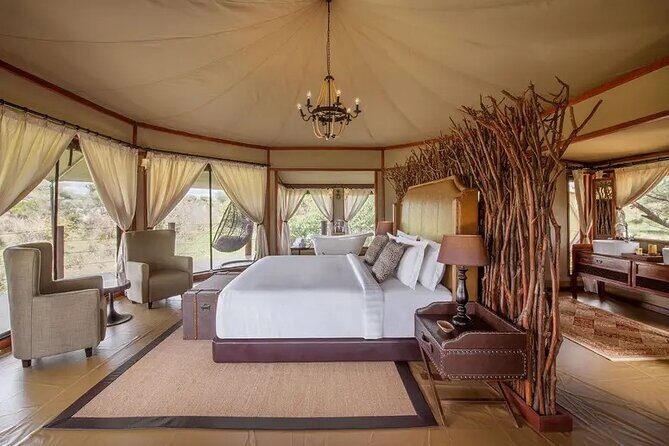
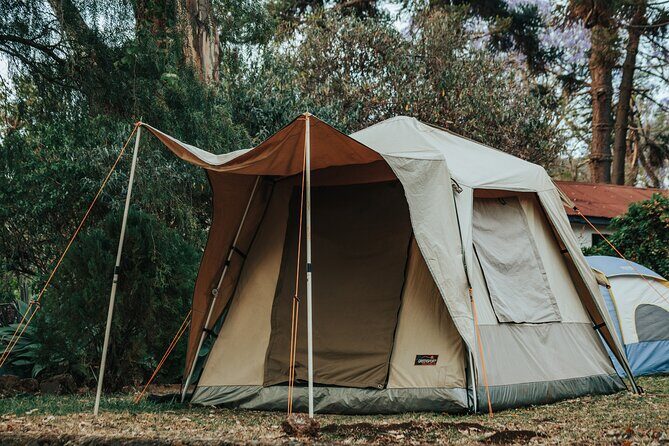
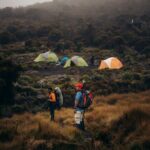
- camping gear like tents, sleeping mats, chairs, and tables
- support vehicle plus bike mechanic support
- guides and a team that includes cook and driver
- all fees and taxes
- an Oclaa Adventures T-shirt
You’re also riding roughly 370 km over multiple days, and you’re not just cycling—there are cultural and scenery stops like the Maasai cultural village, plus a crater lake night and waterfall detour.
So the question isn’t whether you’re paying for bikes. You’re paying for the operation: food, gear, a safety-ready guide toolkit, transport support, and a route that threads together Kilimanjaro’s changing sides.
If you’re already comfortable with camping and self-guiding, you might find cheaper independent options. If you want the route planning, meals, and safety handling done for you, this price can feel fair.
What to Pack (So Your Trip Doesn’t Get Annoying)
The trip doesn’t include a sleeping bag. You can rent one if you don’t have it when you arrive in Moshi, so you have a workaround. Pack personal medicine and items of a personal nature yourself.
Beyond that, I’d keep it simple and bike-focused:
- comfortable cycling clothes you can wash and reuse
- gloves for dusty days
- a repair kit mindset, even if a mechanic is on hand
- sun protection, because dust and bright skies go together
- water discipline, since you’ll be given mineral water but you still need to pace your drinking
You’ll also need to handle your Tanzania entry visa yourself, since it’s not included.
Who This Trip Suits Best
This is best for riders with moderate physical fitness who can handle 6–8 hours cycling on mixed surfaces. It’s also a good fit if you want culture and wildlife corridors, not just scenic viewpoints.
It’s been experienced by a family group including children aged 10 and 11, which suggests the operator is capable of supporting younger riders who are ready for the effort and can stay focused through long days. That said, kids’ endurance varies wildly, so you’ll want to be honest about what your group can handle.
If you want a self-paced ride with lots of “stop whenever you want,” a guided setup might feel structured. If you like having daily route flow plus planned stops, you’ll likely enjoy it.
Should You Book This 360° Kilimanjaro Bike Trip?
I’d book it if you want Kilimanjaro without the summit grind, and you enjoy travel where the bike is your main transport. The strongest reasons are the changing climates around the mountain base, the cultural stop in Maasai Lands, and the way the route keeps pushing into wildlife corridors and crater-lake drama.
I’d think twice if you’re sensitive to dust and uneven terrain, or if long riding days don’t match your current fitness. Also, if you dislike camping, you’ll need to know this includes camping gear and night stays on the route.
FAQ
What time does the tour start each day?
The meeting point start time is 7:00 am.
Is airport pickup included?
Yes. You’ll be picked up at Kilimanjaro International Airport (JRO) and transferred to Keys Hotel near Moshi.
How long is the cycling portion?
The trip is listed as 6 days total, with ride days ranging from about 4 to 8 hours depending on the day.
What’s included with the trip?
The package includes breakfast, lunch, dinner, snacks and fruits, mineral water (3 liters per biker), accommodation before and after, camping gear (tents, sleeping mats, chairs, tables), a support vehicle, and guides plus a bike mechanic, driver, and cook. It also includes all fees and taxes and an Oclaa Adventures T-shirt.
Do I need a sleeping bag?
Sleeping bag is not included. The data says you can rent one when you arrive in Moshi.
Can I cancel for a full refund?
Yes, free cancellation is offered. You can cancel up to 24 hours in advance for a full refund; within 24 hours of the start time, no refund is given.
If you want, tell me your biking experience (road vs trail, how many miles/hours you’ve ridden recently) and I’ll help you gauge whether the daily 6–8 hour effort fits your comfort level.