REVIEW · DAR ES SALAAM
Dar es Salaam History and Architectural Tours
Book on Viator →Operated by Dar es Salaam Architectural and Historical city Tours. · Bookable on Viator
Dar es Salaam tells stories in stone and wood. This private 7-hour tour mixes architecture with how people actually live and trade, with Bernard steering the day using clear, well-spoken history. I love that it links major religious landmarks to everyday city life, not just facts on a page.
I also like the practical pacing: you get short, focused visits—then a break for lunch and a few “go look around” moments—so the day stays fun instead of exhausting. One drawback to plan for is the heat: with lots of outdoor time in the markets, you’ll want to use every bit of the bottled water and snacks provided.
In This Review
- Key things I’d circle before you book
- Dar es Salaam Architecture and History: What You’re Really Seeing
- Price and Value: Is $150 Fair for a 7-Hour Private Tour?
- How the 9:00 AM Start Changes the Day (and Your Comfort)
- Stop-by-Stop: Cathedrals, Wood Carving, Markets, Museums, and Art
- St. Joseph’s Cathedral of the Archdiocese of Dar es Salaam (built 1903)
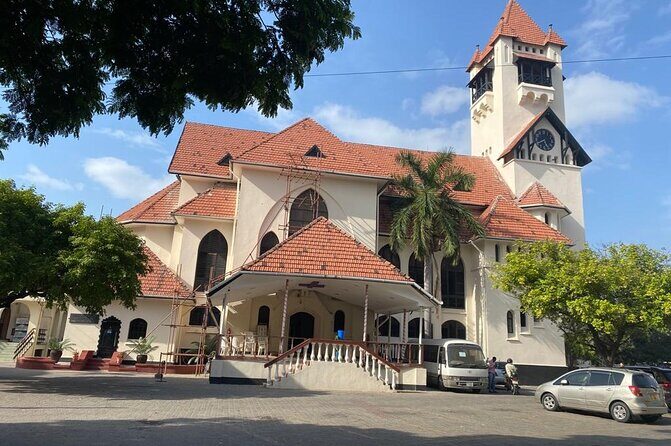
- Azania Front Lutheran Church: Bavarian style with palm trees
- Village Museum: traditional homes and how people lived
- Mwenge Woodcarvers Market: ebony wood, statues, masks, and chests
- Kivukoni Fish Market: where the city’s economy smells like work
- National Museum of Tanzania: five museums under one roof
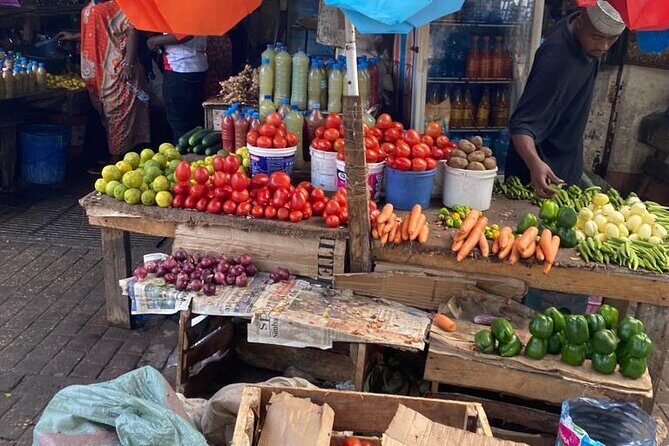
- Kariakoo Market: big-city buying across many blocks
- Mlimani City Mall: a modern counterpoint at 30,000 m²
- Tingatinga Arts Cooperative Society: color, masonite, and travel-friendly art
- Lunch, Snacks, and Staying Cool: The Real-Day Mechanics
- What This Tour Is Best For (and Who Might Want to Skip It)
- Quick Practical Tips Before You Go
- Should You Book Dar es Salaam History and Architectural Tours?
- FAQ
- What time does the tour start?
- How long is the tour?
- Is pickup included?
- What’s included in the price?
- Are admission tickets included at each stop?
- Is alcohol or dinner included?
- Is this a private tour?
- What about mobile tickets?
- What is the cancellation policy?
Key things I’d circle before you book
A full mix of sacred sites, museums, and markets in one 9-stop day
St. Joseph’s Cathedral’s 1903 setting on a former mosque site for layered history
Mwenge woodcarvers market in ebony black wood—great for seeing craft up close
A quick look at Tingatinga painting and why it travels well for souvenirs
Lunch and snacks included with bottled water for a hot-city schedule
Dar es Salaam Architecture and History: What You’re Really Seeing
Dar es Salaam can feel like a city of motion—cars, bicycles, boats, voices. What this tour does well is give you a way to read that motion through buildings and neighborhoods. You’re not just collecting photos. You’re picking up clues about faith, trade, art, and how the city grew into what it is now.
A standout for me is how the day connects different worlds. One moment you’re in a Catholic cathedral with early-1900s roots. The next you’re at an open-air fish market where the city’s economy shows up in people’s daily routines. That contrast makes the learning stick.
And the guide matters. Bernard brings a real sense of care for Dar es Salaam, and the stories land because they explain how the city works, not just when a building was built. That’s also why the tour earns its strong 5-star rating for being both entertaining and educational.
You can also read our reviews of more historical tours in Dar es Salaam
Price and Value: Is $150 Fair for a 7-Hour Private Tour?
At $150 per person, this isn’t a budget “hop-on, hop-off” deal. But when you price it against a full day—private transport, admissions, bottled water, snacks, and lunch—the number starts to make sense.
Here’s what you’re getting for the money:
- Private transportation through the city
- All fees and taxes included
- Bottled water during the tour (a real help in Dar’s heat)
- Snacks before lunch
- Local lunch included
- Admission tickets included at each stop you visit
What you’ll likely spend extra on is pretty straightforward: alcoholic drinks and dinner are not included. The tour provider suggests budget ranges of $30–$50 per person if you want a drink at a bar or a sit-down dinner after the tour ends.
If you want a day that doesn’t require planning on your feet—tickets, timing, and logistics handled—this price reads as good value.
How the 9:00 AM Start Changes the Day (and Your Comfort)
The tour starts at 9:00 am. That timing is smart because Dar es Salaam gets hot, and you’ll be outside more than you might expect. The day also leans toward shorter visits early on (around 30 minutes at several places) and longer blocks at markets and museums (around 1 hour at a few stops).
Because it’s a private tour (only your group), you’re not stuck waiting for strangers to wander slowly through every room. That flexibility can help if you want to ask questions or slow down at the spots that grab you.
And yes—there’s pickup offered, along with private transportation. Mobile tickets are used, so you won’t be scrambling for paper.
Stop-by-Stop: Cathedrals, Wood Carving, Markets, Museums, and Art

St. Joseph’s Cathedral of the Archdiocese of Dar es Salaam (built 1903)
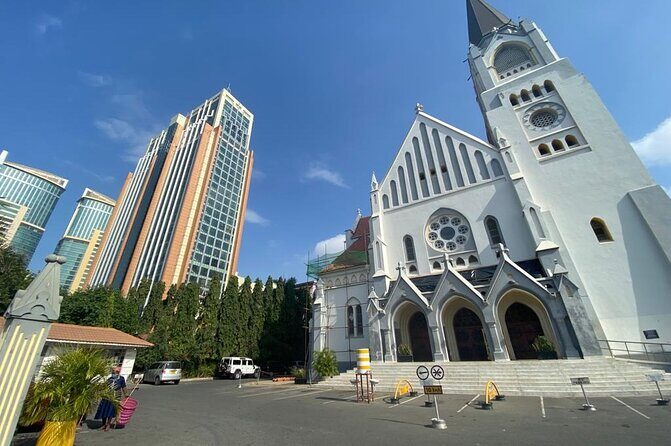
This is where you start learning the idea of layered space. St. Joseph’s Cathedral was built in 1903, and it sits on the same spot as Dar es Salaam’s first mosque. That fact alone gives you a quick lesson in how cities change—faiths, architecture, and community needs shift over time, sometimes on the same ground.
You’ll have about 30 minutes, with admission included. This stop is best if you like architecture with context—how a building reflects a time period and also how the city’s story moved around it.
Possible drawback: the visit is short, so if you’re the type who likes long photo sessions and lingering detail shots, you may want to pick a couple of angles and focus on them.



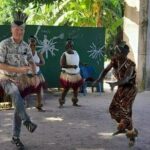


Azania Front Lutheran Church: Bavarian style with palm trees
Next comes a church that looks like a mashup of climates and continents—a Bavarian style church surrounded by palm trees, inspired by churches in Latin America and India. It’s a great reminder that architecture doesn’t only travel on paper; it travels through people, ideas, and connections.
Again, you get about 30 minutes. Admission is included, and you’ll have time to take in the look without feeling rushed.
Why it matters: it shows Dar es Salaam wasn’t stuck in one design language. It was taking in influences and reshaping them locally.
Village Museum: traditional homes and how people lived
The Village Museum is your hands-on break from big landmarks. It showcases traditional homes and living conditions of multiple Tanzanian tribes. This stop is built for understanding daily life, not just architecture as a concept.
You’ll spend about 1 hour here, and admission is included.
What I like about it for first-time visitors: it gives meaning to what you see later in markets. When you understand homes and routines, you’re better prepared to interpret the city’s culture in motion.
Possible drawback: since it’s a museum stop, you’ll want to pace yourself. If you rush through, you’ll miss the “how people lived” details that make it worth the hour.
Mwenge Woodcarvers Market: ebony wood, statues, masks, and chests
Mwenge Woodcarvers Market is a craft stop with real visual power. It’s at the heart of Dar es Salaam, and you’ll see statues, masks, and chests carved from strong black wood described as ebony.
You’ll have about 1 hour. Admission is included, and this is a good place to slow down and look closely. Carving tells a story: tools, patience, and symbolism show up in the shapes.
Practical note: this is also a place where you’ll likely be tempted to buy something. If you’re thinking of souvenirs, keep your travel weight in mind and plan where you’ll pack items.
Kivukoni Fish Market: where the city’s economy smells like work
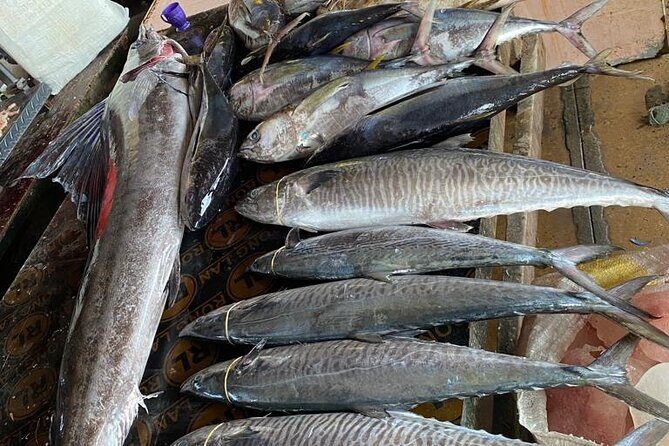
Kivukoni Fish Market is famous for being lively—fresh seafood, lots of movement, and a window into Dar’s fishing industry. You get about 30 minutes, with admission included.
This stop can be a sensory shock (in a good way for curious travelers). If you’re sensitive to strong smells, bring patience and keep your expectations realistic: you’re stepping into a working market, not a staged attraction.
Why it’s worth it: markets like this are where the city’s needs become visible. You see what people eat, how work moves through the day, and how trade keeps the city running.
National Museum of Tanzania: five museums under one roof
The National Museum of Tanzania is described as a consortium of five Tanzanian museums, with a purpose to preserve and show exhibits about the history and natural environment of Tanzania. You’ll spend about 1 hour, and admission is included.
What you get from this stop: structure. If the markets give you daily life and the churches give you belief and influence, the museum gives you broader context. It helps you connect Dar es Salaam’s story to the bigger picture of Tanzania’s land and people.
Possible drawback: one hour is not enough to become a museum expert. Treat it like a guided sampler—ask Bernard what to focus on and move with intention.
Kariakoo Market: big-city buying across many blocks
Kariakoo is known for wide-ranging markets that extend over many city blocks and contribute significantly to Dar es Salaam’s. You’ll have about 1 hour, with admission included.
This stop is less about one building and more about the city’s rhythm: people negotiating, moving goods, and making shopping part of daily life. It’s also a chance to see how goods flow between neighborhoods.
Practical consideration: markets are crowded and you’ll want to stay alert with your belongings. Keep your phone and camera secure, and avoid getting so absorbed that you drift away from your group.
Mlimani City Mall: a modern counterpoint at 30,000 m²
Then the tour shifts gears to the modern side of town at Mlimani City, a shopping mall on Sam Nujoma Road in Ubungo. It’s listed as one of the largest in the country, at 30,000 m² (320,000 sq ft).
You’ll spend about 1 hour, and admission is included.
Why include a mall on an architecture and history day? Because it’s part of the city’s present-day architecture and lifestyle. After churches, markets, and museums, you get contrast: this is where many people go for shopping and comfort in a more controlled environment.
Possible drawback: if you’re only interested in older architecture, you might feel this stop is more about modern convenience than heritage. Still, it’s useful context.
Tingatinga Arts Cooperative Society: color, masonite, and travel-friendly art
The day ends with Tingatinga painting. This style developed in the second half of the 20th century in Tanzania. The paintings are striking in color because they’re made on masonite, and they’re popular with tourists—especially Europeans and Americans—because they’re easier to transport.
You’ll spend about 30 minutes, with admission included.
This stop is great if you want something memorable you can carry. It also helps you understand why certain art forms become export-friendly. Material choices matter.
If you’re sensitive to loud studio sounds or busy sales floors, tell Bernard at the start that you’d like a quieter pace. A good guide can adapt how you experience a place.
Lunch, Snacks, and Staying Cool: The Real-Day Mechanics
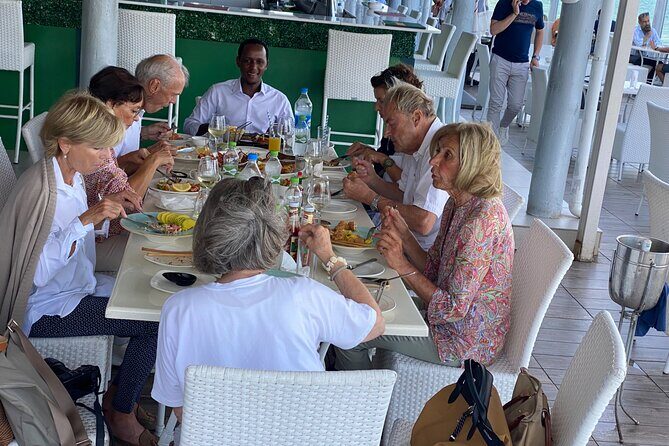
Included lunch is a big part of why this tour works. You’ll also get snacks before lunch, plus bottled water during the day. In a hot city like Dar es Salaam, those details aren’t small.
If you have dietary limits, you’ll want to raise them when you book. The tour data confirms local lunch is included, but it doesn’t describe menu options. Planning ahead is the safest move.
One review highlight mentions lunch at Akemi, a revolving restaurant with magnificent views. I can’t guarantee every departure uses that same lunch stop, but it fits the tour’s pattern: you get a break that feels special, not just a quick meal stop.
What This Tour Is Best For (and Who Might Want to Skip It)
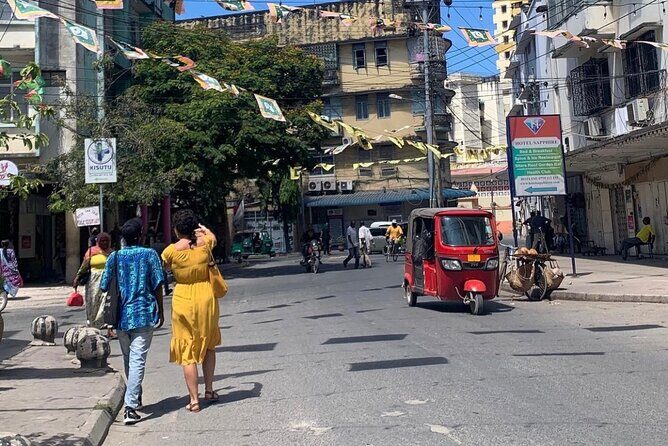
This tour is ideal for you if:
- You want a guided overview of Dar es Salaam’s architecture, culture, and city life in one day
- You like variety: cathedrals, museums, wood carving, fish markets, and art
- You’d rather pay for organized transport and admissions than piece it together yourself
It may not be the best match if:
- You only want ancient sites or long museum hours
- You dislike active market environments and strong food-industry smells
- You’re traveling with very young kids and would rather have fewer stops
Quick Practical Tips Before You Go
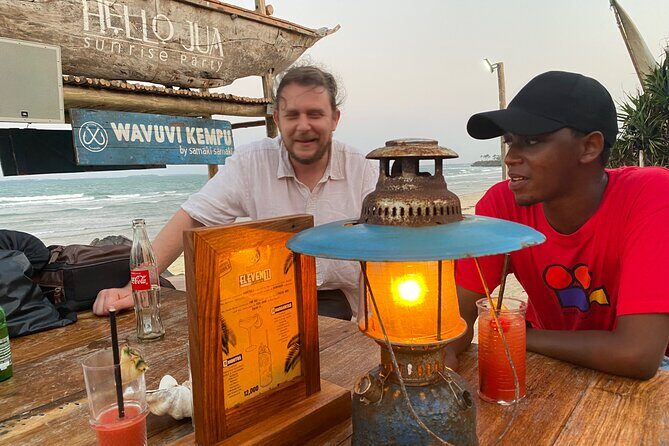
- Wear breathable clothing and comfortable shoes. You’ll be moving through outdoor places.
- Use the bottled water early, not only when you feel thirsty.
- Bring a light layer if you get cold after time in air-conditioned spaces like malls.
- If you plan to buy art or crafts, think about how you’ll carry them before you fall in love with the first item.
And keep your questions ready. Bernard’s strength is connecting the dots between buildings and how people lived, believed, and worked.
Should You Book Dar es Salaam History and Architectural Tours?

I’d book this tour if you want a structured, well-paced day that explains Dar es Salaam through architecture and real local routines. The mix of St. Joseph’s Cathedral’s layered site story, craft at Mwenge, and the market-energy at Kariakoo gives you a full picture without needing multiple days and ticket planning.
The $150 price is reasonable when you factor in private transport, admissions, lunch, snacks, and bottled water. Yes, it’s a lot packed into about 7 hours—especially in heat—but that’s also why the guide’s timing and energy matter.
If you’re curious, patient, and ready to see the city from both heritage and street-level angles, this is one of the strongest ways to start a Dar visit.
FAQ
What time does the tour start?
The tour starts at 9:00 am.
How long is the tour?
It runs for about 7 hours.
Is pickup included?
Pickup is offered, and the tour includes private transportation.
What’s included in the price?
The price includes lunch (local lunch), snacks before lunch, bottled water, private transportation, and all fees and taxes. Admission tickets are included for every listed stop.
Are admission tickets included at each stop?
Yes. Admission tickets are included for St. Joseph’s Cathedral, Azania Front Lutheran Church, Village Museum, Mwenge Woodcarvers Market, Kivukoni Fish Market, National Museum of Tanzania, Kariakoo Market, Mlimani City Mall, and Tingatinga Arts Cooperative Society.
Is alcohol or dinner included?
Alcoholic beverages are not included, and dinner is also excluded since the tour ends in the evening. You’ll have a chance to choose where to eat.
Is this a private tour?
Yes. It’s a private tour/activity, and only your group participates.
What about mobile tickets?
You’ll use a mobile ticket.
What is the cancellation policy?
You can cancel for free up to 24 hours in advance for a full refund. If you cancel less than 24 hours before the experience starts, the amount paid isn’t refunded.