REVIEW · ARUSHA
7-Day Midrange Tanzania Safari Adventures (Big 5)
Book on Viator →Operated by Kilimanjaro Adventure Safari Club · Bookable on Viator
Four parks, one tight safari circuit. This 7-day Arusha-based trip is built for maximum variety—forest monkeys, big cats, elephants in acacia country, and serious animal density inside a former volcanic crater—without making your days feel chaotic. You’ll be on the move, yes, but the route makes sense: Tarangire, Lake Manyara, then two full stints in Serengeti plus one unforgettable Ngorongoro crater day.
I really like the way this itinerary thinks in wildlife “settings,” not just famous names. You get Tarangire for elephant families and baobabs, Lake Manyara for flamingos and those possible lions-in-the-trees moments, and Serengeti for both predators and migration timing (which varies by season). The second thing I love is the time budget in Serengeti—a proper full day—so you’re not just “passing through” the main event.
One possible drawback: this is a lot of driving in a short time, and you’ll be in the vehicle most days. If you’re the type who hates long road days (or you’re traveling with anyone who gets motion sick), consider whether a shorter safari would fit you better.
In This Review
- Key takeaways before you go
- Arusha pickup at 8:30: the smooth start that sets the tone
- Tarangire’s river elephants and baobab viewing power
- Lake Manyara: birds first, then the chance of lions in trees
- Serengeti Heritage Tented Camp and a full day of real chasing
- Ngorongoro Crater: the 600 m deep day for dense animal viewing
- Vehicles, guides, and the small things that save your day
- What the parks promise (and what they don’t)
- Who should book this 7-day circuit from Arusha
- Pricing and value: why $2,924 can still feel fair
- Should you book this Big 5 safari?
- FAQ
- How long is the safari?
- Where does the safari start?
- What time is the meeting point?
- Which parks are included?
- Are park admission tickets included?
- Where do you stay in Serengeti?
- What meals are included during park days?
- Is this tour private?
- Can most people participate?
- What is the cancellation policy?
Key takeaways before you go
- Private, small-group feel. It’s listed as a private activity, meaning it should be just your group.
- The route is built for variety. Tarangire + Lake Manyara + Serengeti + Ngorongoro gives very different animal behavior and scenery.
- Serengeti gets real time. You’ll have a full day exploring rather than a quick drive-by.
- Ngorongoro crater is the density day. It’s described as UNESCO, about 600 m deep, with around 260 sq km and a dense animal population.
- Open-roof game viewing is part of the style. You’ll ride in a safari vehicle with open-air viewing during at least some park time.
- Good guides matter here. Names like Denis, Justin, Gaspar, and Rapha come up in past experiences, often for spotting animals fast and managing tricky conditions.
Arusha pickup at 8:30: the smooth start that sets the tone
Your safari starts with a practical plan in place. You’re scheduled to meet at 8:30 am, and pickup is offered from Kilimanjaro International Airport, Arusha Airport, or the Namanga border. Then it’s about a one-hour drive into Arusha to settle into your accommodation.
This “start light” pacing is smart for two reasons. First, Arusha is close to the safari circuit, so you aren’t losing an entire day just getting positioned. Second, it gives you a chance to get oriented—gear sorted, bathroom breaks handled, and questions answered—before you trade city life for dust, binoculars, and early mornings.
One more thing I appreciate: your tour is set up as private (only your group participates). That usually means fewer delays waiting on other passengers and more freedom to ask your driver-guide for what you want to prioritize that day—elephants by the river, birds in Lake Manyara, or predators in Serengeti.
A few more Arusha tours and experiences worth a look
Tarangire’s river elephants and baobab viewing power
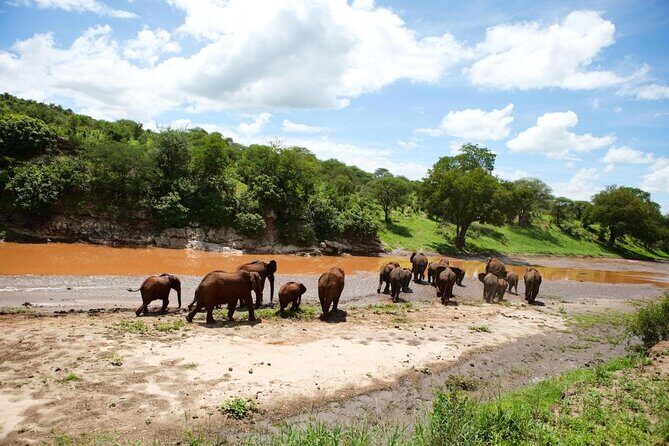
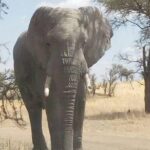
Day 2 points you toward Tarangire National Park, about two hours from Arusha after breakfast. Tarangire is famous for elephant families and the kind of landscape you remember even when you’re back home scrolling photos. The park’s star feature here is the Tarangire River, which acts like a magnet when animals gather to drink and feed.
What you can realistically aim for:
- Elephants often in family groups, especially around water
- Iconic baobab trees as the backdrop for both animals and photos
- Giraffe, bushbuck, and hartebeest
- Zebra and wildebeest
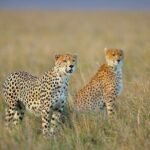
- Predators moving in after the herbivores—lions, leopards, and sometimes cheetahs (listed as rare)
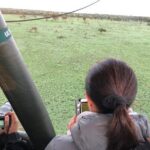
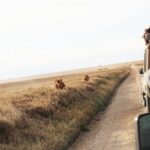
You’ll also be in an open vehicle for game viewing, which matters a lot in Tarangire. The open roof setup gives you better sightlines for fast-moving animals and lets you feel the heat and breeze instead of trapping yourself inside a stuffy box.
Then there’s the comfort of a picnic lunch during the park day (this is indicated in the trip flow), which helps you keep your energy steady for the afternoon drive. On safari, small “food logistics” wins add up fast.
Lake Manyara: birds first, then the chance of lions in trees
After breakfast on Day 3, the routine stays easy: you collect a lunch box and head to Lake Manyara National Park (about 120 km west of Arusha). Manyara is smaller than Serengeti, but it’s packed with variety because the lake is a shallow salt system that floods and dries with the seasons.
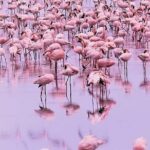
This is where bird life can steal the show. The park is described as home to thousands of flamingos and over 500 bird species. Even if you aren’t a “serious birder,” it’s an eye-opener day—lots of motion, lots of color, and lots of animals using the same water-and-vegetation pockets.
Beyond birds, you can also expect:
- Monkeys
- Giraffes
- Zebras and wildebeest
- Buffaloes and elephants
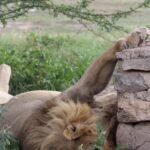
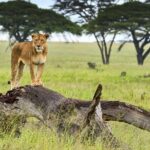
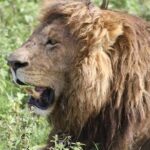
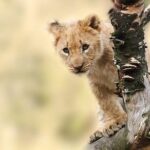
- And with luck, lions lounging in trees
Lake Manyara is also noted for its changing terrain: grassy plains, primate-filled woodlands, and baobab-dotted cliffs. That matters because animal behavior changes with cover—sometimes you’ll spot animals from a distance, and other times you’ll be watching slow movement where a branch blocks your view. Be patient; the park rewards calm scanning.
Serengeti Heritage Tented Camp and a full day of real chasing
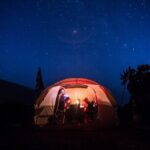
Day 4 is a transition day with a built-in wow factor. You move toward the fertile highlands and pass through the Ngorongoro Conservation Area, with a chance to see the Ngorongoro Crater before continuing to Serengeti. You’ll have a picnic lunch en route, then arrive by afternoon for an “extensive game drive” before settling at Serengeti Heritage Tented Camp for dinner and overnight.
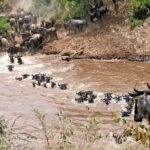
On Day 5, you get the big payoff: a full day in Serengeti (listed at 12 hours). This is where timing matters. Serengeti is described as a huge mix of habitats—grassy plains, swamps, lakes, savannah, and mountains—and that diversity supports a lot of wildlife options.
What I’d aim for in Serengeti:
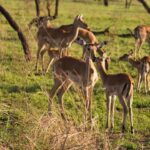
- Impalas and buffaloes
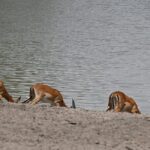
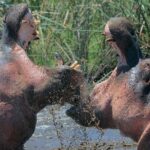
- Crocodiles and hippos (water edges, when conditions line up)
- Predators like lions, leopards, and cheetahs
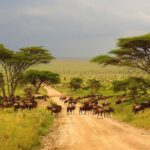
- And the main headline: migrating herds of zebras and wildebeest, depending on where they are at the time of your trip
Because migration depends on rainfall and geography, nobody can promise a specific crossing moment on a fixed date. But the value of a full day is that you’re not stuck with “one shot only.” You can circle routes as your guide reads the conditions.
Also: predators are often easier to find when your guide is willing to work the timing—staying with signs of prey rather than racing to the next rumor spot. That’s one reason good guides show up as a repeating theme in people’s feedback.
Ngorongoro Crater: the 600 m deep day for dense animal viewing
On Day 6 you shift from long plains to a dramatic bowl. After an early breakfast, you head out with an en-route game drive through Serengeti first, then travel to Ngorongoro Conservation Area.
Ngorongoro Crater is described as:
- UNESCO World Heritage
- about 600 meters deep
- roughly 260 sq km
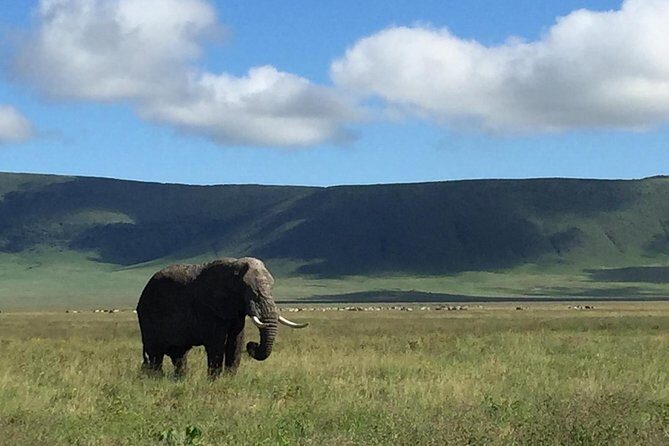
- supporting around 25,000 animals, making it one of the best viewing spots in Tanzania
You arrive at the crater rim before lunch, then descend. Descending changes everything: temperature drops, visibility can tighten in places, and animals often feel “closer” because the terrain funnels movement.
Once you’re down in the crater, you can see:
- Wildebeest, zebras, and gazelles
- Elephants
- Plus more than 500 bird species (listed in the trip description)
This is the day where I think the itinerary earns its name “Big 5” style. Even if you don’t check every animal off the list, crater density often translates into more frequent sightings overall. It’s the kind of place where “we saw something” becomes “we saw a lot.”
A few more Arusha tours and experiences worth a look
Vehicles, guides, and the small things that save your day
Safari success is rarely just about the animals. It’s about the people driving the day—and how they handle the reality of weather, road conditions, and animal movement.
In prior experiences tied to this operator, names like Denis and Justin come up for being fast at spotting animals, even when visibility felt tough. One account praised Denis for noticing animals with the naked eye that people were struggling to see even with binoculars. Another praised Justin’s ability to lead well-positioned viewing during big moments.
You should also know this route can involve off-the-beaten-path roads, especially in rainy periods. One story specifically mentioned a guide handling a situation where the vehicle got stuck in mud during the wet season, with quick, professional problem-solving. That’s not a guarantee you’ll face the same issue, but it’s a sign the team takes road reality seriously.
On the practical side, you’ll be in a mix of morning drives and afternoon viewing blocks. Pack for heat, sun, and dust. I also strongly recommend bringing your own binoculars if you have them. Not because you must—but because the best guides will help you use them, and past accounts show how big a difference it can make when animals are farther than you think.
Finally, the trip includes pickup logistics and a mobile ticket, plus group discounts are mentioned. In plain terms: it’s designed to reduce admin stress so you can focus on the parks.
What the parks promise (and what they don’t)
This safari is marketed as a Big 5 adventure, and the itinerary is built around habitats where those animals can show up—lions across multiple areas, elephants in Tarangire and Ngorongoro, and predator-heavy environments like Serengeti. But safari wildlife is never a factory assembly line.
Here’s what you can treat as “very plausible,” based on what’s specifically described:
- Tarangire: elephants, giraffe, zebra/wildebeest, predators such as lions and leopards
- Lake Manyara: monkeys, elephants, flamingos, and sometimes lions in trees
- Serengeti: lions, leopards, cheetahs, plus the migration-related drama (season-dependent)
- Ngorongoro: dense viewing with wildebeest, zebras, gazelles, elephants, and heavy birdlife
What you should treat as luck-based:
- Exact predator sightings on a specific drive
- Migration moments on a specific day
- Any particular single animal being present in front of your vehicle when you arrive
This is also why I like that the itinerary uses multiple parks and gives you time in Serengeti. More chances in different habitats tends to beat one-day “hope-based” safari plans.
Who should book this 7-day circuit from Arusha
This tour makes a lot of sense if you want a classic northern safari circuit without overcomplicating your trip. It’s especially fitting for:
- First-time safari visitors who want the major highlights—Tarangire, Lake Manyara, Serengeti, Ngorongoro—in a logical order
- Families who prefer one operator handling logistics end-to-end (past experiences include a family trip with kids, done over 7 days)
- Couples looking for a honeymoon-style adventure with tented camp nights in Serengeti (the operator’s name comes up in honeymoon contexts)
It’s also a good fit if you like structure: set meeting time, set pickup options, and day-by-day park blocks that focus on wildlife viewing rather than “we’ll see.”
Consider it less if:
- You hate long driving days
- You’re sensitive to rougher roads
- You’re chasing only one specific wildlife event (because the route spreads your chances across multiple areas)
Pricing and value: why $2,924 can still feel fair
At $2,924 per person (midrange pricing), the key question is what you’re buying beyond the title.
From the way the trip is structured, you’re paying for:
- Airport or border pickup and the Arusha base start
- Multi-park game drives (not just one park)
- Time in Serengeti that’s long enough to matter
- Scheduled picnic/lunch handling across park days
- Park access fees are indicated as included/free across several days in the trip flow (for example, admission tickets show as included or free on multiple days)
Even if you don’t obsess over the math, the value logic is simple: safari time costs money, and the itinerary is built to maximize that time where wildlife viewing is strongest (Serengeti full day + Ngorongoro crater density).
Still, keep your expectations grounded. This is a safari built around probability and animal behavior, not a guarantee. If you go in knowing that, the price starts to look like what it actually is: a funded wildlife program with fewer moving parts for you.
Should you book this Big 5 safari?
Book it if you want a well-rounded Tanzania circuit with real time in Serengeti, a dedicated Ngorongoro crater day, and daily movement through parks that each do something different. The private setup, the pickup options, and the included-fee approach (as shown in the trip flow) make it feel practical for people who don’t want to plan park logistics from scratch.
Skip or consider alternatives if you’re extremely time-sensitive, hate long road days, or need a fixed “you will see X animal on Y day” promise. Safari timing is seasonal, and even the best route can’t force animals onto the road.
If you do book, do two things:
- Ask who will drive you, and whether you can work with their style of spotting and timing during drives.
- Bring the basics for sun and dust, and consider binoculars so you can take full advantage of what a strong guide can locate fast.
FAQ
How long is the safari?
The tour runs for 7 days (approx.).
Where does the safari start?
It starts in Arusha, Tanzania, with pickup offered from Kilimanjaro International Airport, Arusha Airport, or the Namanga border.
What time is the meeting point?
The listed start time is 8:30 am.
Which parks are included?
The safari includes Tarangire National Park, Lake Manyara National Park, Serengeti National Park, and the Ngorongoro Conservation Area/Ngorongoro Crater.
Are park admission tickets included?
The trip flow shows admission tickets as included or free on the listed days.
Where do you stay in Serengeti?
The itinerary specifies an overnight at Serengeti Heritage Tented Camp after the Serengeti game drive days.
What meals are included during park days?
Lunch is handled with picnic lunch on some park days and a lunch box on another park day, with dinner included during the Serengeti stay as described.
Is this tour private?
Yes. It’s listed as a private tour/activity, meaning only your group participates.
Can most people participate?
The additional info says most travelers can participate.
What is the cancellation policy?
The experience is listed as non-refundable and cannot be changed for any reason.