REVIEW · DAR ES SALAAM
10 days Safari to Nyerere NP, Ruaha NP, Udzungwa NP and Mikumi NP + Isimila Site
Book on Viator →Operated by African Pangolin Safaris · Bookable on Viator
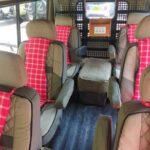
Hippos on the Rufiji hit fast. This 10-day southern Tanzania circuit mixes Great Rufiji River boat safari with an armed ranger walking safari, plus serious game drives and hikes up into the Udzungwa Mountains. One thing to plan for: you’ll spend long hours on the road between parks, including days that run close to 14 hours, so comfort matters.
I like that a lot of the logistics are handled for you: hotel pickup and drop-off in Dar es Salaam, park fees, bottled water, and full meal coverage are included. The trip also runs as a private tour or small group, so you’re not sharing your day with a random crowd. If you want more flexibility in pacing, note that it is scheduled tightly, and some hiking sections are genuinely steep—especially the Isimila canyon path and the Sanje waterfall trek.
In This Review
- Key highlights people remember
- What this trip feels like on the ground
- Selous/Nyerere area: Great Rufiji boat safari and full-day 4WD drives
- Morogoro and Uluguru: the armed walking safari that changes your view
- Ruaha National Park: Great Ruaha River drama, kopjes, and baobabs
- Isimila to Udzungwa: tools, fossils, and a 170m waterfall climb
- Mikumi National Park: Mkata Floodplain, open horizons, and bird-rich drives
- Maasai Boma and the final drive back to Dar es Salaam
- Price and value: what you’re paying for at $2,898 per person
- How tough is this trip really? walking time, steep bits, and road hours
- Who this itinerary suits best
- Should you book this safari?
- FAQ
- Where does the safari start and when?
- How long is the experience?
- What parks and sites are included?
- What wildlife experiences are part of the trip?
- Is hotel pickup and drop-off included?
- Are national park fees included?
- Is bottled water included?
- Is admission to Isimila Stone Age Site included?
- What meals are included?
- Can I request a vegetarian option?
Key highlights people remember
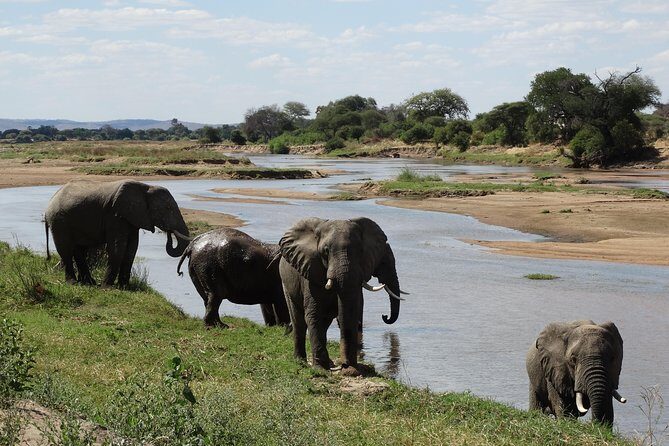
- Great Rufiji River boat safari with hippo and crocodile viewing close to shore
- Full-day 4WD game drives in Selous/Nyerere and Ruaha for strong photo chances
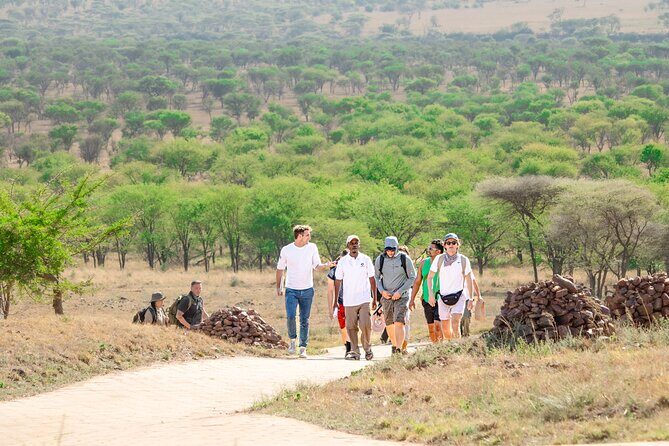
- Armed ranger wilderness walking safari in the Morogoro/Uluguru area (2 to 2.5 hours)
- Udzungwa Mountain trek to Sanje waterfall (170m) plus monkey-spotting chances
- Isimila Stone Age Site canyon walk with fossils, tools, and rock-tower formations
- Guides matter, and a guide named Mansoor is repeatedly praised for spotting wildlife and running the details
What this trip feels like on the ground
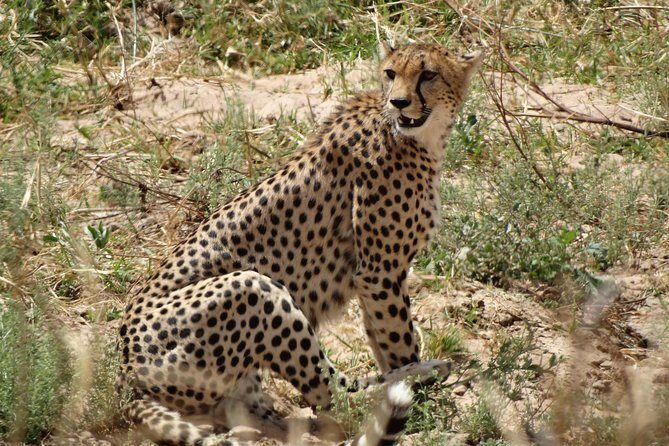
This isn’t a one-park safari. You’re moving through Tanzania’s south with the goal of variety: water action on the Rufiji River, classic savanna game drives, a guided walk on foot, then forest hiking and a cultural stop with the Maasai. That variety is the point. After a couple of days focused only on drives, the walking day and the Udzungwa hike give your eyes a rest.
The rhythm is also very “real safari day.” Mornings start early, game drives run through daylight, and you’ll pack your life into a vehicle. You’ll also change elevations and environments: from river country in Selous, to Ruaha’s rocky kopjes and baobabs, to Udzungwa’s high forest trails. If you like learning as you go, the tour’s structure helps—each day adds a new lens, whether it’s animal behavior at the water’s edge or tools found at Isimila.
A few more Dar es Salaam tours and experiences worth a look
Selous/Nyerere area: Great Rufiji boat safari and full-day 4WD drives
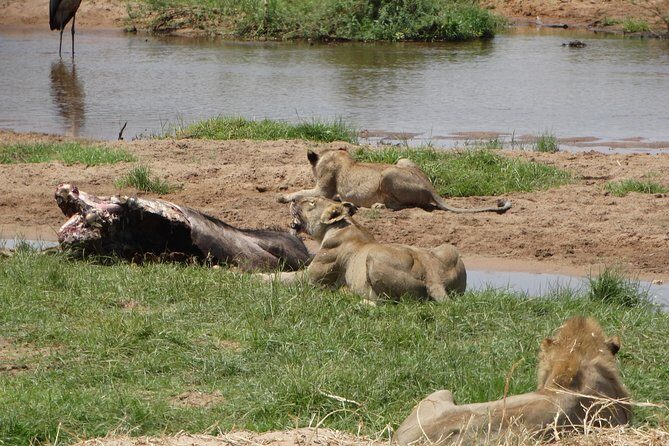
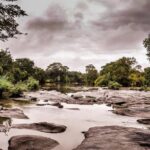
Your first wildlife hit is the afternoon boat safari along the Great Rufiji River. This is where the trip earns its reputation for close-up viewing. From the boat, you can expect hippo and crocodile on the waterway, plus excellent birdlife. The most thrilling part is how animals come to the river to drink, and how boat operators can position the craft close to riverbank activity—sometimes within just a few meters for elephants and water-loving species.
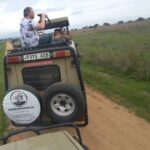
Day two shifts into classic game driving. You’ll get a full day in Selous Game Reserve in a 4WD vehicle, which matters because it keeps you mobile across different sections of the huge area. Selous is described as the largest game reserve in Africa (50,000 square kilometers). With that size, the driver can use location and timing to improve your odds for the bigger sightings.
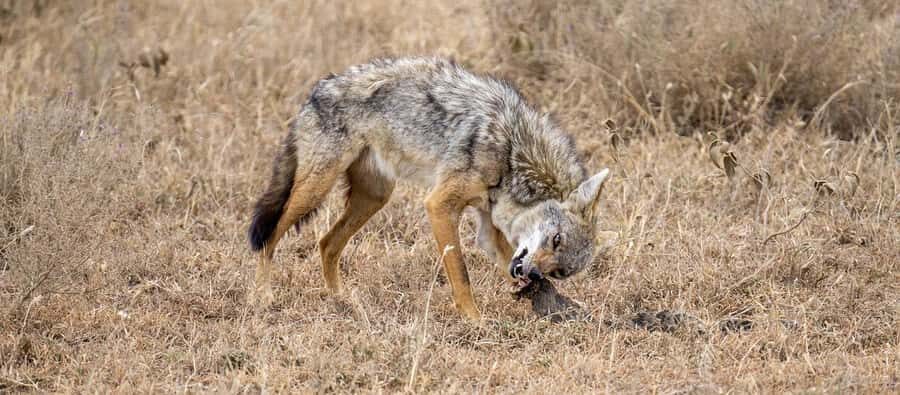
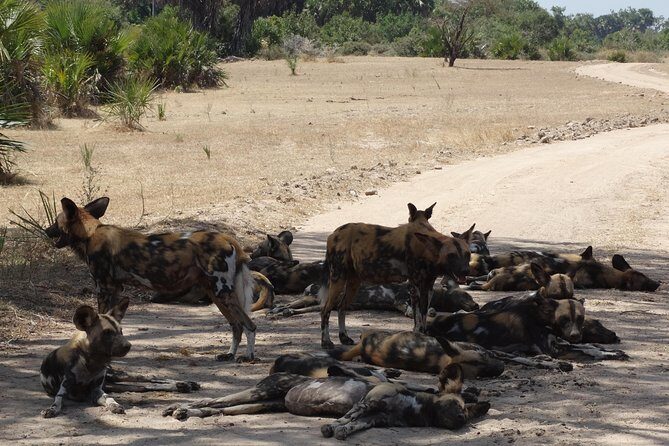
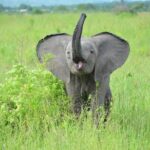
Expect a broad mix: elephants (a common theme), lions, wild dogs, buffalo, bushbuck, impalas, elands, baboons, zebra, wildebeest, and greater kudu. If you care about photos, the combination of boats (low angles, water light) plus 4WD drives (more open sightings) gives you variety in your shots, not just more of the same.
Accommodation options here are Mloka Safari Lodge or Africa Safari Camp, so you’re sleeping inside the safari experience rather than returning to a city nightly.
Morogoro and Uluguru: the armed walking safari that changes your view
Day three is the “slow down and look closer” day. You start with a simple coffee or tea, then head out for a wilderness walking safari guided by an armed ranger. This runs about 2 to 2.5 hours, and it’s built for intimacy: you’re seeing footprint patterns, animal droppings, and smaller wildlife that you’d miss from a vehicle.
It also shifts your brain. On drives, you react to what’s already in front of you. On foot, you notice signs first—then animals. That’s a different kind of excitement, and it’s often the day that people remember for how it felt, not just what they saw.
After the walk, you return for breakfast and then drive toward Morogoro Town with game drive en route. The route runs into the Uluguru Mountains, crossing rivers and passing through villages and farms. The drive sounds scenic on paper, but it’s also long enough to be tiring, so plan on settling in for a bumpy, attention-demanding ride.
If you like wildlife that includes the quiet stuff—tracks, behaviors, and the “in-between” moments—this day is a strong reason to book the trip.
Ruaha National Park: Great Ruaha River drama, kopjes, and baobabs
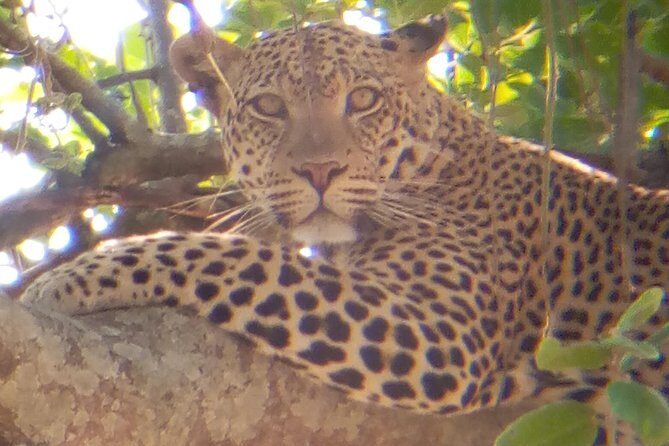
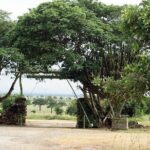
Ruaha is where the safari gets grittier and more “big wildlife energy.” You’ll travel from Iringa Town to your lodge outside the park, then spend multiple days driving the reserve.
First, Ruaha’s setup for wildlife viewing is tied to water. Game viewing roads follow the Great Ruaha River and its seasonal tributaries. In the dry season, animals move into the river’s orbit, which concentrates activity. The tour specifically calls out antelopes risking themselves for a sip of life-sustaining water—right where predators are working their advantage.
On one day, the tour mentions the presence of 20-plus lion that dominate the savannah, plus cheetah stalking the open grassland. That combination is why full-day drives are worth the time here. You’re not just looking for single sightings; you’re giving your driver the hours needed to find the animal interactions that happen when water draws everyone in.
Another day focuses on Ruaha’s physical character: rocky kopjes and ancient baobab trees. This matters because it creates natural viewing points and cover. When animals move in and out of rocky cover, it changes how sightings happen—sometimes you spot movement first, then the animal appears as it steps into view.
Your home base is Ruaha Hilltop Lodge, located outside the national park. That can be a small trade-off compared to staying right inside the park, but it often helps with comfort and consistent routines. And the drives themselves are scheduled for full days, including a day with a lunch stop back at your cottage before continuing until sunset.
Isimila to Udzungwa: tools, fossils, and a 170m waterfall climb
Day seven is a sharp pivot: first you visit the Isimila Stone Age Site, then you continue to Udzungwa Mountains National Park for the next stage.
The Isimila experience starts at a small museum where a guide explains how the site formed and discusses fossils and tools displayed there. Then you head into the canyon on a steep footpath. The guide points out the beds where tools were found and explains how the rock towers were formed. The walk is also described as scenic, with warm reddish earth and good bird viewing. Even if you’re not a museum person, this is a chance to see deep time in a place that’s physically built into the terrain you’re walking.
After Isimila, you drive to Udzungwa for dinner and overnight.
Udzungwa is a different world. On day eight, after park formalities, you start walking in the forested mountain park. You’ll have a picnic lunch in the bush, and you’ll explore around Sanje Waterfall, which is listed as 170 meters high. The tour notes the possibility of swimming in plunge pools, so this is the one day where the pace can turn physical and wet, depending on conditions.
The route includes walking up to 1600 meters above sea level, with views over the Kilombero valley. Wildlife is part of it too: you can get a chance to see six monkey species, including the endemic Sanje Crested Mangabey and the Iringa Red Colobus Monkey.
If you want a safari that’s more than just roads and spotting, Udzungwa is the reason. You’ll come away thinking about forest ecology and altitude—not just animals crossing grass.
Mikumi National Park: Mkata Floodplain, open horizons, and bird-rich drives
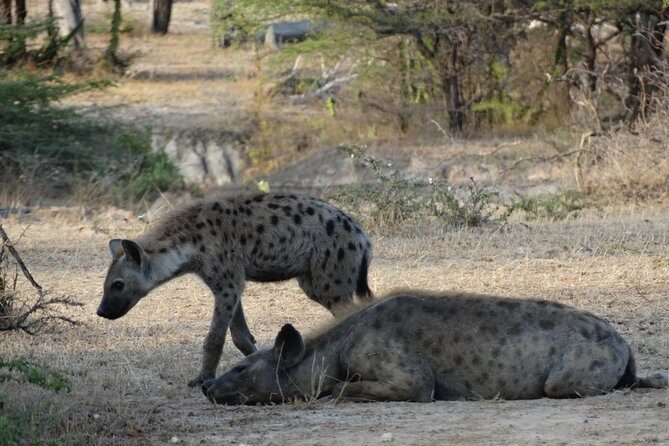
After the mountains, the trip moves you to Mikumi National Park for a game drive day.
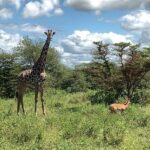
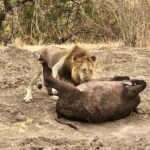
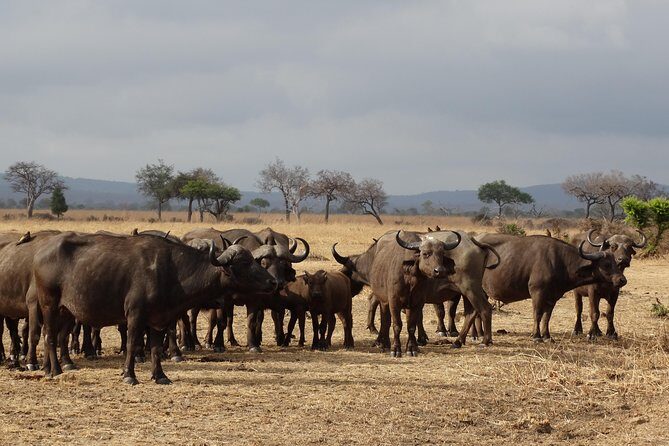
The drive from your Udzungwa lodge area to Mikumi is about two hours, and once you arrive you start driving within the park. The animal list here is classic savanna: lion, eland, hartebeest, buffalo, wildebeest, giraffe, zebra, and elephants. The tour also notes wild dog presence can come and go, which is typical for many areas—so you’re aiming for odds, not promises.
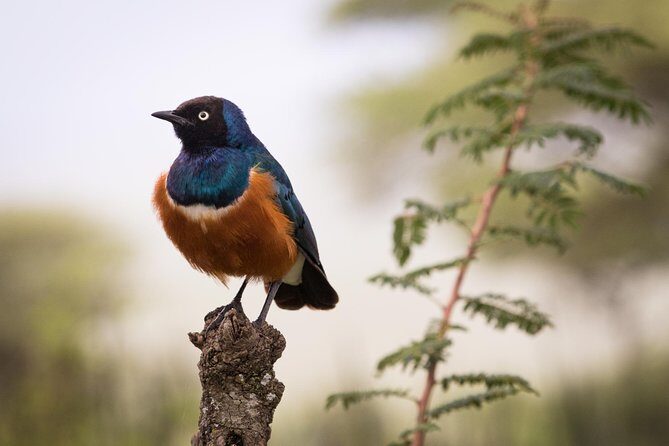
What’s especially useful about Mikumi is the viewing style. The tour mentions open horizons and the Mkata Floodplain, which often makes it easier to scan for animals from a distance. It also says you can see 300+ species of birds, so even if your timing isn’t perfect for the big cats, birdlife keeps the day interesting.
On this stretch you’ll stay at Mikumi Bastian Camp or Mikumi Safari Lodge.
If your ideal safari day includes long sightlines and lots of scanning time, Mikumi fits nicely after the tighter, tree-and-rock viewing of Ruaha and the steep hiking of Udzungwa.
Maasai Boma and the final drive back to Dar es Salaam
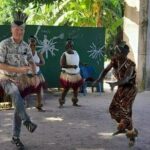
The last day gives you a human-scale ending. After breakfast, you check out and drive to a Maasai setting for a visit to a Maasai Boma. The focus is on how people live and the history of the Maasai tribe, as described by your guide.
This is also your buffer day for the long return. After the boma visit, you drive back to Dar es Salaam with a short hot lunch stop in Morogoro Town. You’re then dropped off at your chosen place in Dar.
This part is short compared to the parks, but it balances the trip. After ten days of animal watching and mountain walking, it’s a reminder that safari tourism is also about learning local culture—done respectfully and with time to ask questions.
Price and value: what you’re paying for at $2,898 per person
At $2,898 per person for about 10 days, the value comes from how much is included versus what you’d usually add on later.
Here’s what’s clearly covered in the tour data:
- accommodations listed per stop
- national park fees
- bottled water
- a driver/guide
- hotel pickup and drop-off in Dar es Salaam
- meals (breakfast, lunch, dinner as listed)
- a private tour or small-group format
- admission coverage where stated (Isimila is listed as included)
When park fees are part of the package, you avoid the common safari headache: the big chunk of cost that shows up once you’re already committed. And when your driver/guide handles the routing between parks, you save time and reduce the chance of wasted hours.
That said, you’re also paying for the “distance factor.” This circuit stacks multiple parks and multiple activity types in a short window, so your money goes into transportation time and scheduling across regions.
If you’d rather do one park slowly, this might feel intense. If you want variety—boat, drive, walk, waterfall, and an Isimila site—then it reads as good value for a tightly packed southern circuit.
How tough is this trip really? walking time, steep bits, and road hours
This is not a sit-and-watch-only safari. You have three meaningful movement days beyond game drives.
1) Morogoro walking safari: about 2 to 2.5 hours on foot with an armed ranger.
2) Isimila canyon tour: a steep footpath after the museum intro, built around the canyon setting.
3) Udzungwa hike: about 8 hours, including walking up to 1600m and visiting Sanje Waterfall, with possible swimming.
On top of that, the road days can be long. The tour describes a 5 to 6 hour drive into Selous at the start, and then several long travel blocks between regions. You’ll be in a vehicle a lot, so if you hate long sitting periods, build in a mindset that comfort stops matter—especially on the days when timing runs long.
The good news: the tour notes it operates in all weather conditions. Dress code is smart casual, and you’re asked to dress appropriately, which fits a trip where some activities may be weather-influenced. Also, Isimila and Udzungwa are not just “look from the car” stops. The day works because you’re willing to walk.
Who this itinerary suits best
This circuit is a strong match if you like variety and you’re okay with a busy schedule. You’ll likely enjoy it most if:
- you want both boat safari action and classic game drives
- you value a walking safari with a ranger, not just viewing from a vehicle
- you want at least one forest hiking day, including Sanje Waterfall and monkey species chances
- you’re interested in mixing wildlife with a geology and archaeology stop at Isimila
If you’re traveling with limited flexibility around steep steps, or you want minimal walking, you might find the canyon and waterfall days harder than you’d like. In that case, consider a version that trims the walking portions and focuses more on driving.
Should you book this safari?
I’d book it if you want a full southern Tanzania circuit that gives you multiple ways to experience wildlife, not just one. The combination of the Rufiji River boat safari, Ruaha’s water-focused game viewing, and Udzungwa’s Sanje waterfall hike is the kind of mix that makes a safari feel like more than a single repeatable formula.
It’s also worth considering if you like strong guiding. In the feedback you shared, a guide named Mansoor comes up for a reason: people describe great communication, smart animal-finding, and an ability to handle details without drama. If you get that level of guidance, you’ll feel more connected to what you’re seeing.
If you want a slower, more relaxing pace with fewer long drives and less walking, this one may feel like too much. But if you’re ready for movement, the parks here add up to a memorable, varied trip.
FAQ
Where does the safari start and when?
The tour start time is listed as 7:00 am in Dar es Salaam, Tanzania.
How long is the experience?
It’s listed as 10 days (approx.).
What parks and sites are included?
You visit Selous Game Reserve (Nyerere-area in the tour summary), Ruaha National Park, Isimila Stone Age Site, Udzungwa Mountains National Park, and Mikumi National Park, plus a Maasai Boma visit.
What wildlife experiences are part of the trip?
You’ll do an afternoon boat safari on the Great Rufiji River, full-day game drives in Selous and Ruaha, and a walking safari with an armed ranger. You’ll also have game drives in Mikumi.
Is hotel pickup and drop-off included?
Yes. Hotel pickup and drop-off are included.
Are national park fees included?
Yes. The tour includes national park fees.
Is bottled water included?
Yes. Bottled water is included.
Is admission to Isimila Stone Age Site included?
Yes. Isimila is listed as admission ticket included.
What meals are included?
Breakfast, lunch, and dinner are listed as included in the package.
Can I request a vegetarian option?
Yes. A vegetarian option is available if you advise the provider at booking.