REVIEW · ARUSHA
Coffee walk with stay in the village
Book on Viator →Operated by Wild Tracks/Kahawa - Coffee Walks · Bookable on Viator
Coffee tastes better after you see the farm. This 3-day coffee walk in Arusha lets you experience coffee growing at ground level and understand the Fairtrade ideas behind what ends up in your cup. You also sleep right in the village where the coffee is produced, so the trip feels less like a stop and more like a real stay.
I especially liked the home-made meals (breakfast and dinner at the guesthouse, plus a hot lunch during the walk) because food here is part of the story, not just a filler. I also liked the way the guide experience centers on conversation and place, with Samwel sharing day-to-day details about coffee and local life as he walks you through it.
One possible drawback: the schedule starts with a late 17:00 pickup, and day 2 includes walking time (including a 30–40 minute walk down to the roaster). If you prefer very light activity or you hate long drives at dusk, plan accordingly.
In This Review
- Key things to know before you go
- From Arusha Town to a Coffee-Farm Village (Day 1 pickup and settling in)
- Staying two nights where the coffee grows (the guesthouse experience)
- Day 2 coffee walk: village sights, organic farming, then roaster time
- The village center walk (culture stops along the route)
- Transition to the organic coffee farm
- Walk down to the roaster (30–40 minutes)
- Hot lunch in the garden
- What “organic and Fairtrade” means for farmers and for you
- Meals, pace, and the small details that make it feel real
- Price and value: is $270 per person fair for what you get?
- Who this coffee walk suits best (and who should reconsider)
- Tips to get the most out of your 3-day stay
- Should you book this coffee walk and village stay?
- FAQ
- FAQ
- What does the tour include?
- How long is the experience?
- What time do they pick you up in Arusha?
- Is airport pickup available?
- Is this a private tour or shared group?
- Are group discounts offered?
- Are admission tickets included?
- What happens on day 2?
- How does the Fairtrade/organic part affect the story?
- What is the cancellation policy?
Key things to know before you go
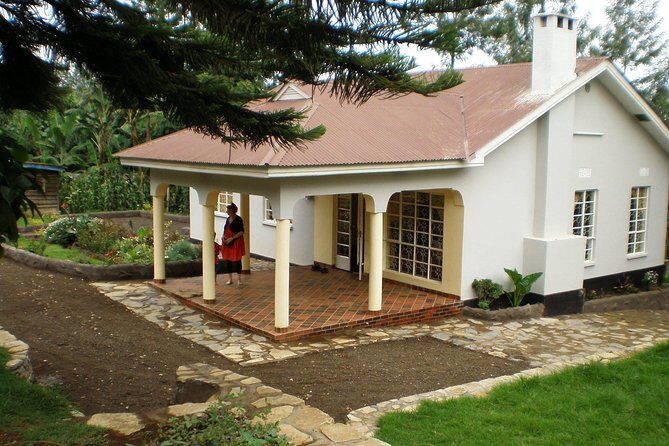
- Sleep on the coffee farm: two nights in the guesthouse located in the same village where the coffee is grown
- Seed-to-cup learning on foot: you walk from village sights to an organic farm and then down toward the roaster
- Samwel-style local guiding: expect culture and coffee lessons linked to daily life
- A Fairtrade/organic “why” that’s practical: they explain how safer farming and better farmer pay affect your drink
- Meals are included: breakfast and dinner from the village kitchen, plus a hot lunch on day 2
From Arusha Town to a Coffee-Farm Village (Day 1 pickup and settling in)

Day 1 begins with pickup from Arusha town at 17:00, followed by a 30–40 minute drive to the village. You’ll check into your rooms, get settled, and then have time for a short walk in the village before dinner. The timing makes this feel like an evening arrival, so if you’re hoping to start exploring immediately in daylight, you won’t get that on day 1.
The upside of that later start is you arrive with less rushing. It also means you can focus on orientation: meeting your guide, getting comfortable with the village setting, and letting the trip’s pace slow down before day 2’s walking.
Dinner is served after that little village stroll. From the start, meals are framed as part of the stay, so you’ll feel fed and oriented for the next day rather than just deposited and forgotten.
You can also read our reviews of more walking tours in Arusha
Staying two nights where the coffee grows (the guesthouse experience)
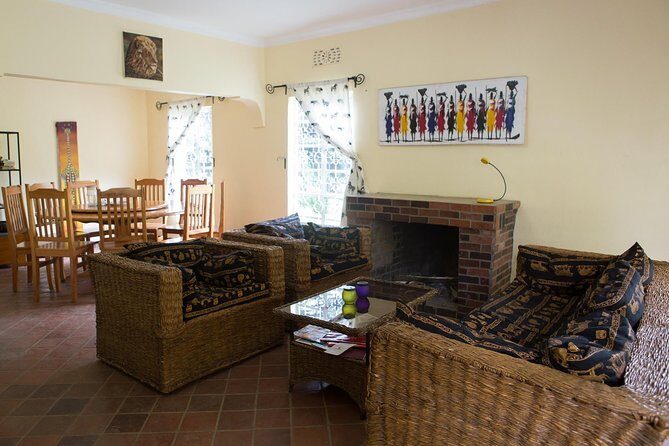
You’re not staying in a hotel that happens to be near coffee. You’re staying in a village guesthouse on a coffee farm, which changes the tone of the trip. When your morning and evening are connected to farm life, coffee stops being a product and starts being a place.
What you can expect from the stay is simple: comfortable enough village lodging plus two full evenings of village cooking. Breakfast and dinner are included, and the meals are made by a chef. That matters because it removes the usual vacation puzzle of trying to find food nearby, especially when you’re in a working agricultural area.
The village setting also gives you something many Arusha experiences don’t: quiet time around greenery, with your day shaped by the farm rhythm. The guesthouse garden gets a lot of positive attention for how it feels—calm and pleasant rather than rushed or staged.
Day 2 coffee walk: village sights, organic farming, then roaster time
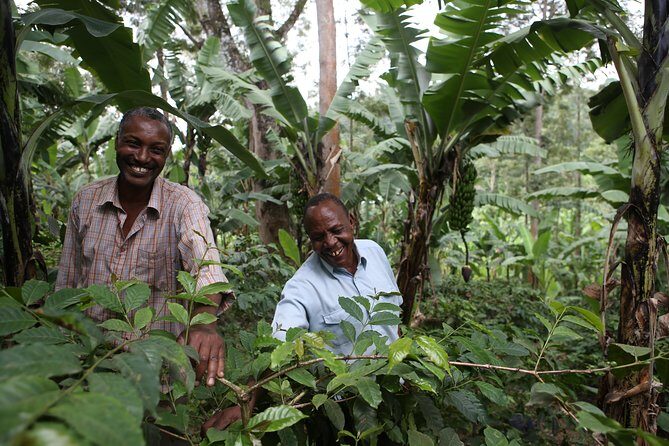
Day 2 is the heart of the trip. After breakfast, you meet your coffee guide around 09:30 from the guesthouse. The plan is a guided walk that starts in the village center and gradually moves you toward the coffee farm world.
The village center walk (culture stops along the route)
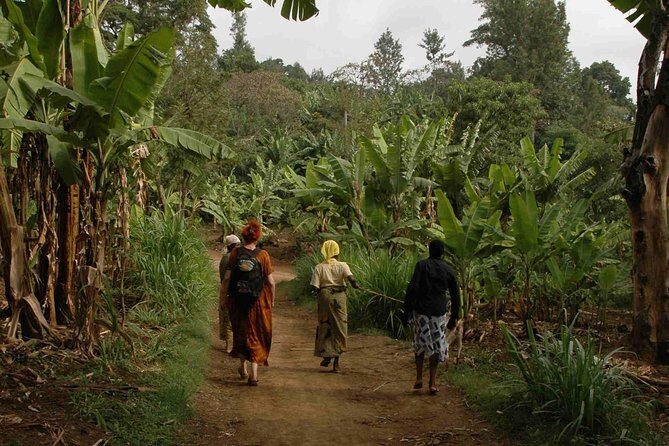
From the guesthouse, you walk to the village center where you can see key community spaces: a hospital, primary and secondary schools, an orphanage, and the oldest church in the mountain. This part is less about checklist tourism and more about understanding how coffee farming fits into real local daily life.
If you’re the type of traveler who likes asking questions and learning how people structure community life, this segment is a strong match. It’s also a good way to stretch your legs before the longer farm walking begins.
Transition to the organic coffee farm
After seeing the village center, you walk to the organic coffee farm. Your guide explains the difference between traditional and organic production, which helps you understand what “organic” means beyond a label. Since the farm used here is described as organic and Fairtrade, you get the chance to connect those terms to actual farming choices.
There’s a cultural side too: your guide shares information about traditions as you go, so the route feels like a moving conversation rather than a lecture.
A few more Arusha tours and experiences worth a look


Walk down to the roaster (30–40 minutes)
At the farm, you’ll also see a walk down toward the roaster area—about 30–40 minutes. Expect this to be the most physical segment of the trip, mostly because it involves a longer stretch on foot as you transition from growing areas toward processing.
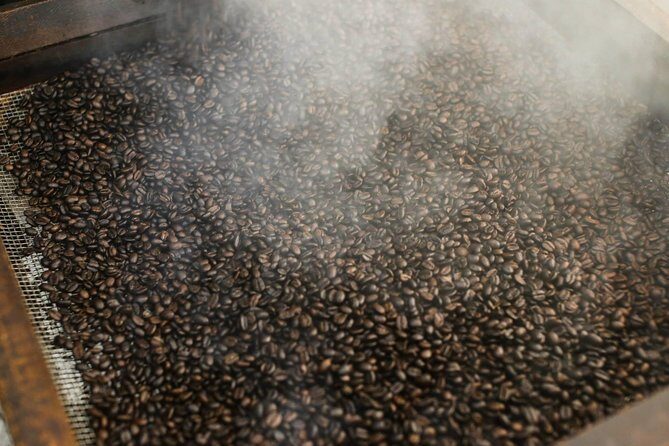
This is also where the coffee story becomes more concrete. You start moving through stages that explain how coffee turns from plant work into something that can be roasted and eventually brewed.
Hot lunch in the garden
Lunch is served hot in the garden at the farm. The menu includes chapati, roasted banana, rice, ugali, goat sauce, spinach, salad, and fruits of the sea. Yes, that list is eclectic—exactly the kind of thing you can’t recreate from a grocery list on the road.
The lunch setting is worth noting. Eating here helps you remember this isn’t a factory tour; it’s a village day, with food tied to place.
What “organic and Fairtrade” means for farmers and for you
This tour makes a point of explaining the “why” behind their coffee standards, not just the “what.” Here’s the practical meaning as it’s presented:
Fairtrade pay that’s higher
They explain that farmers usually receive low payments for coffee, sometimes not enough to support things like sending children to school. In this model, they say you pay the farmers 3 times the normal price. That’s a big claim, but it’s the core reason this experience is positioned as supportive rather than purely educational.
Organic farming without chemical spraying
They also explain that the coffee trees are not sprayed with chemicals. That’s presented as safer for the farmer and also more healthy for the person drinking the end product. Even if you don’t do a lab comparison, you can see how “organic” changes daily farm work and risk.
Why this matters when you travel
For you, the value isn’t just the label. It’s the added context: you’re learning how your purchase (or participation) ties back into incentives and farming practices. If you care about ethical supply chains but also want to avoid feeling preachy, this is a comfortable way to see the system in real life.
Meals, pace, and the small details that make it feel real
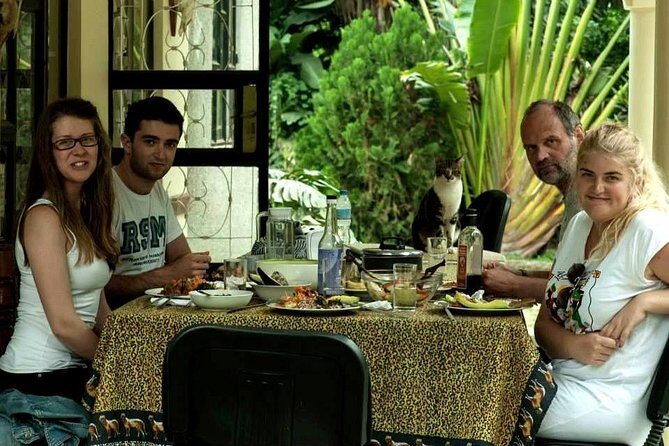
A lot of tours say they include meals. This one actually uses meals to anchor the experience. Breakfast and dinner at the guesthouse mean you settle in, and the chef-made food keeps the focus on comfort and local flavor. On day 2, the hot lunch in the garden acts like a mid-walk reset: you refuel, then keep learning.
The pace also helps. Day 1 gives you time to arrive, walk a bit, and eat. Day 2 is the full day activity. Then day 3 is simpler: a slow breakfast and the drive back to Arusha town.
That structure works well if you want a meaningful cultural day without stacking your schedule with extra activities.
Price and value: is $270 per person fair for what you get?
At $270 per person for about 3 days, this isn’t the cheapest coffee experience in Tanzania. But for the value, it’s not just a walk—it’s also two nights in a village guesthouse plus multiple meals.
Here’s what your money is covering based on the trip design:
- pickup from Arusha town and transport between Arusha and the village
- two nights in a guesthouse in the coffee-producing village
- breakfast and dinner included (chef-made meals)
- day 2 walking guide time, including the route to the village center and coffee farm
- a hot lunch served in the garden during the walk
- the admission ticket being listed as free
If you compare it to paying separately for lodging, transport, and meals, the total makes more sense. You’re paying for a guided, multi-day experience that keeps you in the farm environment rather than rushing you through a single tasting stop.
Group discounts are mentioned too, so if you travel with one or two friends, the per-person value can improve.
Who this coffee walk suits best (and who should reconsider)

This experience is a good match if:
- you want to learn how coffee is grown and processed without feeling like you’re in a classroom
- you enjoy walking and talking with a local guide (Samwel comes up by name in feedback)
- you care about fair pay and safer farming practices
- you prefer a smaller, private group feel
It might be less ideal if:
- you don’t like evening arrival logistics (pickup is at 17:00 on day 1)
- you want minimal walking, since day 2 includes a longer stretch, including 30–40 minutes down toward the roaster
- you expect a safari-style day packed with constant scenery changes (this is more farm-and-village focused)
Also note: it’s described as private, so you’re only with your group. That’s a plus if you like a more personal pace and conversation flow.
Tips to get the most out of your 3-day stay
- Start day 1 with a relaxed mindset. You’re arriving for the stay, not conquering a checklist.
- Wear shoes you’re comfortable walking in, especially for day 2’s farm route and the 30–40 minute roaster walk.
- Come with questions. The strongest part of this trip is the guide conversation—especially when the guide is Samwel and the answers connect coffee to daily life.
Should you book this coffee walk and village stay?
I’d book it if you want a coffee experience that feels tied to real people and real work. The combination of two nights on the coffee farm, the guided village-to-farm walk, and the repeated focus on organic and Fairtrade makes this more meaningful than a quick tasting session.
I’d hesitate only if you’re very sensitive to walking time or you dislike a late pickup start. If that’s you, you might prefer a lighter, shorter day trip.
FAQ
FAQ
What does the tour include?
It includes pickup offered from Arusha town, a 3-day experience with two nights at a guesthouse in the coffee-producing village, a home-made breakfast and dinner, and a coffee walk with lunch served during the route.
How long is the experience?
The duration is listed as approximately 3 days.
What time do they pick you up in Arusha?
Pickup from Arusha town is at 17:00, with a drive time of about 30–40 minutes to the village.
Is airport pickup available?
Yes, pickup from the airport is also possible.
Is this a private tour or shared group?
It’s described as a private tour/activity, meaning only your group participates.
Are group discounts offered?
Yes, group discounts are offered.
Are admission tickets included?
Admission is listed as free.
What happens on day 2?
After breakfast at around 09:30, you meet a special coffee guide, walk through the village center to an organic coffee farm, learn about differences in traditional vs organic production, walk down to the roaster (30–40 minutes), and have a hot Tanzanian lunch served in the garden.
How does the Fairtrade/organic part affect the story?
The tour explains that farmers receive 3 times the normal price and that coffee trees are not sprayed with chemicals, which is presented as safer for farmers and healthier for people drinking the coffee.
What is the cancellation policy?
Free cancellation is available if you cancel up to 24 hours in advance of the experience start time for a full refund. If you cancel less than 24 hours before, the paid amount is not refunded.