REVIEW · ARUSHA
Arusha: Tarangire National Park One-Day Trip
Book on GetYourGuide →Operated by KILINGE -ADVENTURES · Bookable on GetYourGuide
Tarangire in one day is a real taste-test. You’ll drive out of Arusha early for elephants and iconic baobab country, then spend your time doing two game drives in and around the park. It’s a good option when you want big wildlife sightings without eating up multiple days.
I love the structure: morning and afternoon game drives mean you’re not just rushing in and out. I also like the human touch of a professional English-speaking guide, who can help you spot animals and understand what you’re seeing.
One heads-up: the day can run long if transport gets messy or a vehicle has problems, which can squeeze the time you’re actually inside the park. If you’re the type who wants maximum time for minimum hassle, ask careful questions before you go.
In This Review
- Tarangire One-Day Trip: Key Things You’ll Notice
- A One-Day Safari From Arusha: The Real Promise
- Getting There: Morning Departure From Arusha
- Morning Game Drive: Where the Elephants Usually Steal the Show
- Picnic Lunch Inside the Park: A Break That Still Keeps You Engaged
- Afternoon Game Drive: Cooler Hours and Predator Potential
- The Walk Back to Arusha: Expect Evening Arrival
- Price and Value: What $190 Covers (and What It Doesn’t)
- Dry Season vs Rainy Season: When Tarangire Feels Best
- Who This Trip Is Best For (And Who Should Rethink It)
- The Booking Mindset: How to Set Yourself Up for a Good Day
- Should You Book This Tarangire One-Day Trip?
- FAQ
- Are the national park fees included in the price?
- What’s included for meals and drinks?
- Is alcohol included?
- Do I get a pickup from Arusha and Moshi?
- What language is the guide?
- Which season is best for wildlife activity?
- What should I bring?
- What is the cancellation policy?
Tarangire One-Day Trip: Key Things You’ll Notice
- Elephants among baobab plains: This park is especially famous for large elephant herds and those unforgettable tree shapes.
- Two game drives, not one: You get a morning session, a picnic lunch break, then another drive after lunch.
- Dry-season timing helps: Dry season brings heightened wildlife activity and wider animal movement.
- Predator chances after lunch: In cooler hours, your guide can often find more active hunting behavior.
- Park fees are extra: Your $190 covers the tour and logistics, but not the national park entry.
A One-Day Safari From Arusha: The Real Promise
This is built for people who want Tanzania wildlife in a day. You’re not signing up for a slow, meandering experience. You’re signing up for a focused day safari built around Tarangire National Park’s most famous sights.
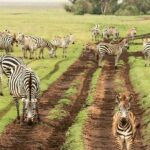
Tarangire’s big draw is simple: elephants and baobabs. When you see those huge herds move across the baobab plains, the whole park starts to feel like a wildlife documentary you can actually stand inside.
The trade-off is time. A one-day format works best when you’re flexible about pace and you’re okay with the idea that you may not see everything Tarangire has to offer. If you’re hunting for super-specific behavior—like long predator hunts or extended moments of animal social life—this format can feel tight.
A few more Arusha tours and experiences worth a look

Getting There: Morning Departure From Arusha
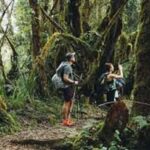
Your day starts with an early breakfast at your accommodation in Arusha. Then you head out for Tarangire National Park, about a two-hour drive away. That drive matters more than you might think, because it sets your first impression: the scenery, the shifting road rhythm, and the fact that a big wildlife day starts before you even reach the gates.
You’re also dealing with real-world road time. One of the only serious frustrations that can happen on this kind of trip is not the animals—it’s the logistics. Transport issues can lead to waits, extra driver changes, and even a slower pace if a car needs attention. So I’d treat the start time as a “day plan” and not a guarantee of perfectly smooth sailing.
Morning Game Drive: Where the Elephants Usually Steal the Show
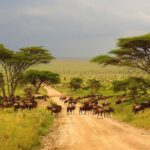
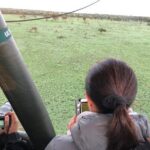
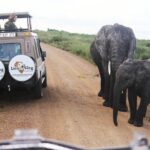
When you arrive, you jump into a morning game drive. Tarangire is known for large herds of elephants and those iconic baobab trees. This is the moment most people remember because elephants are often easy to spot, and they’re frequently moving through open areas where you get real viewing chances.
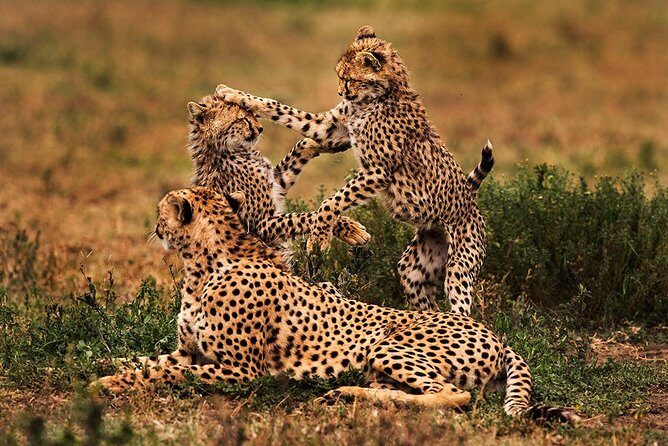
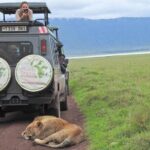
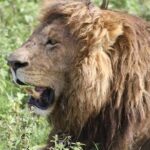
On this morning drive, you’ll also keep an eye out for other wildlife, including giraffes, lions, leopards, and various antelope species. The key word here is variety: Tarangire isn’t just an elephant park, but elephants are the headline.
Morning is also a smart time to go because you get your first pass through the park while you’re fresh. Your guide should help you read the terrain—where animals tend to be—and connect names to what you’re seeing. If you like learning on the spot, this part of the day delivers.
Picnic Lunch Inside the Park: A Break That Still Keeps You Engaged
Around midday, you stop for a picnic lunch inside the park at one of the designated picnic sites. This is more than a meal stop. It’s a chance to pause, reset, and continue watching wildlife from a calmer base.
The main practical value is timing. Lunch is when your body catches up with the early start. It also breaks the drive into two wildlife blocks, instead of one long session where everyone gets tired and patience gets thin.
Keep expectations realistic: you’re not there for a gourmet spread. The point is simple—fuel up, enjoy the surroundings, then head back out while you’re still in the day’s wildlife window.
Afternoon Game Drive: Cooler Hours and Predator Potential
After lunch, the safari continues with an afternoon game drive. This is often a strong time to spot predators because animals may become more active in cooler temperatures. You may also get more chances to see the smaller details of Tarangire’s ecology—your guide will share insights into the flora and fauna as you go.
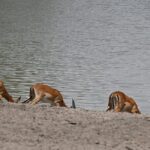
This is where your day can swing either way, depending on what’s happening in the park that afternoon. Sometimes you’ll get more dramatic sightings. Other times you’ll see a quieter sequence of movements—antelope browsing, elephants shifting position, and the slower “work” of predators looking for opportunity.
Either way, the afternoon drive helps balance the day. You’re not only hunting for the first big sighting. You’re giving yourself a second attempt, and that’s usually what turns a one-day safari from decent into genuinely satisfying.
The Walk Back to Arusha: Expect Evening Arrival
As the sun starts to drop, you begin the return to Arusha. Depending on traffic and time, you may even spot wildlife on the way back. That’s not the main plan, but it’s a nice bonus if it happens.
The evening return is also the reason you want to be mentally prepared for a long day. Even when everything goes smoothly, you’re combining early start, a full day in/around the park, and the drive back. And if transport stumbles—like waiting for drivers or dealing with a vehicle issue—your day can feel stretched.
My practical advice: don’t schedule anything demanding for the night. Plan for an easy evening meal close to where you’ll sleep.
Price and Value: What $190 Covers (and What It Doesn’t)
At $190 per person, this is priced as a standard one-day safari package from Arusha to Tarangire. What you get is the real backbone: guided safari tours, a professional English-speaking guide, transportation, and meals as indicated in the plan, plus drinking water.
What you don’t get is also important:
- National park fees are not included
- Travel insurance is not included
- Alcoholic beverages are not included
So how do you judge value? For a day trip, the biggest value drivers are (1) whether you spend enough time inside the park and (2) whether the guide quality matches the wildlife opportunity. When the timing works, this can be a strong deal because Tarangire is built for big sightings, especially with elephants and baobabs.
But there’s a hard lesson from real-world safari days: if your schedule gets chopped up by transport delays or vehicle problems, the value can evaporate fast. That’s not about Tarangire. That’s about how tightly your day depends on the transport plan holding steady.
If you want better odds of feeling satisfied, ask what the practical timing looks like—how early you leave, when you enter the park, and what buffer they build into the schedule. You’re paying for a wildlife day, not for road time.
Dry Season vs Rainy Season: When Tarangire Feels Best
The highlights say dry season brings heightened wildlife activity and dispersal. In plain terms: dry periods tend to mean more movement and more wildlife action for your guide to work with.
You can also find wildlife during rainy season. One experience described seeing plenty of animals even during rainy conditions. The practical takeaway is that you can still have a great day outside the peak window, but you should think of your sightings as chance-based. A one-day safari gives you less time to “wait out” the perfect moments.
If you care most about maximizing sightings, try to time your trip for the dry season when possible. If your calendar forces rainy season, don’t automatically assume it’s a wasted day—Tarangire can still deliver.
Who This Trip Is Best For (And Who Should Rethink It)
This tour fits best if you:
- Want a one-day wildlife fix from Arusha
- Like elephants and want to see them in baobab country
- Are happy with two drive blocks rather than an all-day, slow circuit
- Prefer a guide who can explain what you’re looking at in English
It may not fit you as well if:
- You’re the kind of person who feels angry when a schedule slips
- You need lots of time for subtle behavior (like extended predator action)
- You’re spending a lot of money and you can’t tolerate even a small reduction in time inside the park
If you’re on a tight schedule and this one-day format is your only option, it can still be a worthwhile choice—just go in with eyes open about how much depends on smooth transportation.
The Booking Mindset: How to Set Yourself Up for a Good Day
This experience offers a few clear planning advantages. Pickup from hotels starts from Arusha, while pickup from Moshi requires you to pay for the transfer. And you get drinking water, plus a guide who speaks English.
Before you lock it in, I’d do one simple thing: confirm the transport details tied to your exact pickup location. The biggest problems on safari days aren’t about the park—they’re about timing on the road. Ask how many vehicle transfers are possible and what happens if a car needs attention during the drive.
If you want to stay flexible, the package offers a reserve and pay later approach. That’s useful if your own schedule might shift.
Should You Book This Tarangire One-Day Trip?
Book it if you want a focused, guided day safari centered on elephants and baobabs and you’re okay with a tight schedule. For the price point, it can deliver a lot: two game drives, a picnic lunch inside the park, and a professional English-speaking guide plus transportation and water.
Hold off or book with extra caution if your top priority is maximum time in the park no matter what. Because if transport runs late or a vehicle has issues, the day can shrink quickly—and that’s the one thing you can’t fully control once you’re on the road.
If you can handle a day that starts early and ends later, and you’re mainly chasing the big Tarangire moments, this trip is a sensible way to experience Tanzania wildlife without committing to a multi-day safari.
FAQ
Are the national park fees included in the price?
No. National park fees are not included, so you’ll need to pay those separately.
What’s included for meals and drinks?
Meals are included as indicated in the plan, and drinking water is included as well.
Is alcohol included?
No. Alcoholic beverages are not included.
Do I get a pickup from Arusha and Moshi?
Free pickup from hotel clients starts from Arusha. Pickup from Moshi requires paying for the transfer.
What language is the guide?
The guide provides a professional English-speaking service.
Which season is best for wildlife activity?
The dry season is highlighted for heightened wildlife activity and animal movement. Wildlife can also be seen during rainy season.
What should I bring?
Bring a camera.
What is the cancellation policy?
You can cancel up to 24 hours in advance for a full refund.