REVIEW · ARUSHA
3 Days Serengeti Park & Ngorongoro Crater Adventure Safari
Book on Viator →Operated by World Tours & Safaris Tanzania · Bookable on Viator
A good safari plan feels simple, not vague. This 3-day private camping safari focuses on two Tanzania icons—Serengeti and Ngorongoro—without padding your days with extras, so you spend more time looking for animals and less time waiting around. I especially like how it stays flexible as a private tour, so the schedule can bend to what’s happening in the parks.
What I like most is the camping setup: you get camping equipment, and the camps you’ll use have solar electricity, built toilets, hot/cold showers, and real sleeping comfort for a budget-style trip. One thing to keep in mind: early mornings are non-negotiable here, and the driving days can feel long, especially if you’re traveling with kids or you hate getting up before sunrise.
If you want a safari that feels organized and still stays practical, this is a strong value play. Just be honest with yourself about the alarm clock and the fact that some parts of the experience (like optional detours) depend on timing and your guide’s plan for the day.
In This Review
- Key highlights before you go
- Three days, two star parks: what this safari is really about
- Day 1 Serengeti from Arusha: rim views and on-the-road game spotting
- Day 2 early Serengeti and optional Olduvai or shifting sands
- Day 3 Ngorongoro Crater descent: dense wildlife in a tight space
- Camping in the Serengeti: solar power, showers, and real budget comfort
- Price and value: is $1,432.44 per person worth it?
- Guiding and communication: why the team matters on a safari
- Should you book this 3-Day Serengeti & Ngorongoro camping safari?
- FAQ
- What parks are included in this 3-day safari?
- How long is the tour?
- What time do we start on the first and last days?
- Is pickup from Arusha included?
- What meals are included?
- Is camping gear included?
- Are entry fees included for the parks?
- Can I get a full refund if I cancel?
- FAQ
- Is the safari private?
- Do you have options on Day 2?
Key highlights before you go
- Private by default: Only your group participates, with private transportation between parks.
- Camping that’s not rough: Solar power, built facilities, and hot/cold showers at public camps.
- Serengeti game drives in two bites: One full day with daytime drives en route, plus a very early morning outing.
- Ngorongoro at first light: A morning crater descent for classic, dense wildlife viewing.
- Fees and taxes handled: All fees and taxes are included, which matters when entry costs vary.
- Guides and planning get praise: Feedback points to strong communication and careful coordination from World Tours & Safaris Tanzania, including Rickson and guides like Samwel and Stanley.
Three days, two star parks: what this safari is really about
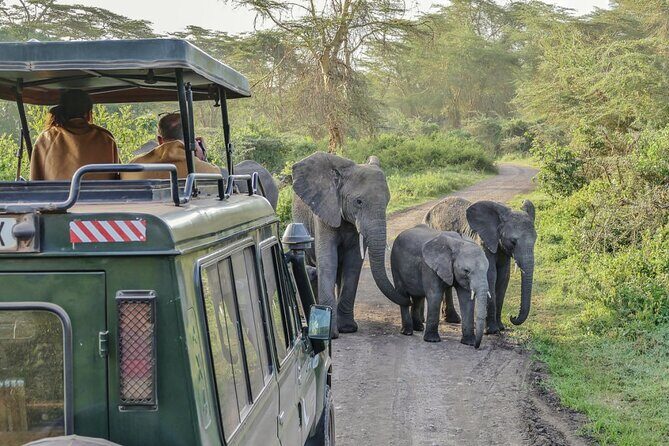
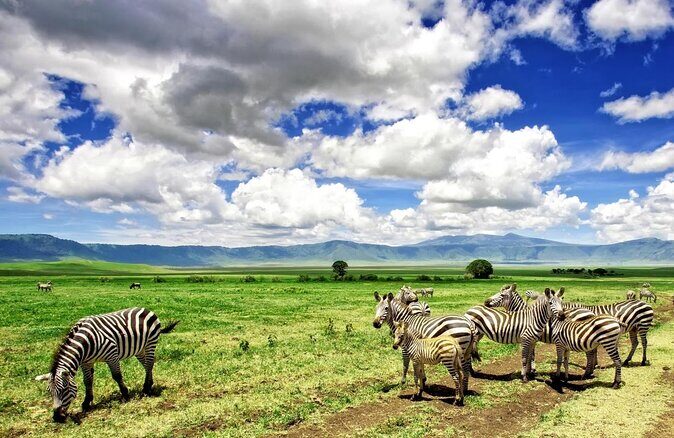
This safari is built around two very different wildlife experiences. Serengeti is about space—endless plains where herds move like weather. Ngorongoro Crater is a different kind of magic: a deep bowl that concentrates animals into a tight, dramatic viewing area.
What makes this trip feel good for planning is the pacing. It’s three days, with a clear rhythm of breakfast, driving, game drives, and camp nights. You’re not switching hotels every few hours, and you’re not doing the usual “see one park for half a day and call it a safari” routine.
The private nature matters too. Even with a camping format, you’re not sharing the day with a busload of strangers. In feedback, the owner Rickson and the team running World Tours & Safaris Tanzania are credited for smooth coordination, and that lines up with the way this itinerary is structured. You also get a flexible feel because it’s private—so if wildlife action changes the timing, you’re less likely to be stuck to a rigid script.
One practical note for expectations: you should plan for early starts and a lot of time in the vehicle. That’s not a flaw unique to this tour; it’s just how Serengeti and Ngorongoro viewing works. The upside is that you’re positioned for prime light and animal activity rather than “maybe later” sightings.
A few more Arusha tours and experiences worth a look
Day 1 Serengeti from Arusha: rim views and on-the-road game spotting

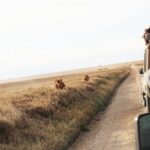
You start with breakfast at 0630 and hotel pickup in Arusha around 0700. Then it’s a long drive into the Serengeti with a picnic lunch packed for you, plus game drives en route via the Ngorongoro Crater rim. This is smart if you want more than one chance at wildlife before you even reach your main game-drive zones.
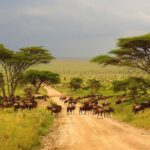
Serengeti National Park is huge, and that scale is part of why it’s so rewarding. On Day 1, you’re not just arriving—you’re already searching. That means you’re more likely to see animals early in the day, when they’re active and the light is decent for photos.
The rhythm is also designed to keep energy steady. Breakfast first, then you travel, then you start driving for wildlife. Day 1 is listed as about 6 hours, so think of it as a major “get into the park experience” day rather than a relaxed sightseeing stroll.
A small bonus here is the rim route. Even if you never get the perfect shot, rim driving often gives you context: you can understand what makes Ngorongoro so concentrated and why Serengeti can feel so open. If you like learning what you’re seeing, your guide’s spot-on explanations (a recurring theme in feedback about Samwel and Stanley) can turn the drive into part of the safari, not just transportation.
Day 2 early Serengeti and optional Olduvai or shifting sands
Day 2 kicks off with very early morning game drives in Serengeti. Then you have breakfast at 0900, followed by a drive with a packed lunch toward the Ngorongoro Crater rim. In the afternoon, you’ll do another game drive en route, then you head to camp for dinner and an overnight stay.
This second Serengeti block is valuable because Serengeti changes through the day. Morning tends to bring feeding and movement, while afternoons can offer different behaviors—calmer pacing, sometimes closer views, and predator activity that comes and goes with light and temperature.
You also get optional detours on the way to the rim. One is Olduvai (Oldupai), tied to major early stone tool discoveries and archaeological work associated with Louis and Mary Leakey. If you’re the type who likes your wildlife with a side of human history, this stop can add real depth to the day. The other optional choice is the shifting sands area—more of an iconic scenery-and-geology style stop than a museum.
Here’s the balanced take: optional stops are great, but they can change how much time you spend strictly on game drives. If your top priority is maximum animal time, you can treat these as “only if timing works” extras. If you want a fuller day that breaks up the driving with something different, those options are worth considering.
And because you’re camping, you’re not just passing through. You’ll have that second night in the safari rhythm, which helps everything feel like a real trip instead of a checklist.
Day 3 Ngorongoro Crater descent: dense wildlife in a tight space
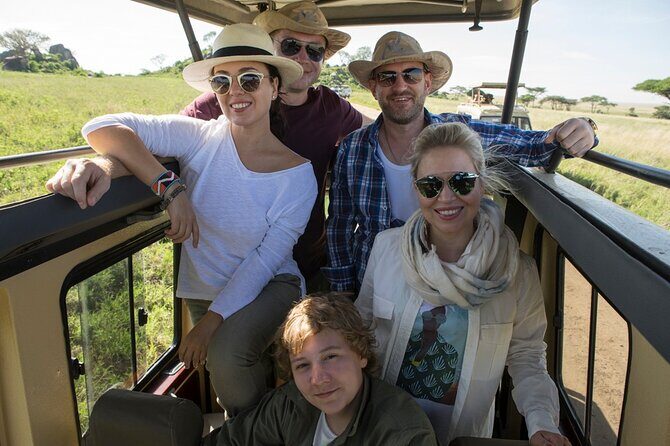
Day 3 is where the itinerary flexes into classic crater viewing. Breakfast happens at 0600, then you descend into Ngorongoro Crater floor for a game drive.
Ngorongoro is described with concrete scale: about 19.2 km across, roughly 610 m deep, and around 304 sq km in area. That geometry is more than trivia. A crater like this naturally concentrates food and water and funnels animal movement, which is why it’s famous for having an especially high density of wildlife.
The tour information highlights an estimated 30,000 animals, with the crater known for everything from wildebeest and zebra to buffalo, eland, warthog, hippo, and giant African elephants. It also points out predator presence—lions, hyenas, jackals, and cheetahs—plus one of Tanzania’s last remaining black rhinos.
The key idea for your planning is timing. Going down early increases your chances of seeing animals actively moving and gives you better light for spotting wildlife against a darker background. It also usually means you’re not battling the day’s biggest crowds in the same way you might later (even on a private-style tour, you’ll still be in a shared conservation landscape).
Day 3 is again listed as about 6 hours, so this is a focused safari day. You’ll likely feel like the main event is happening right away, not after hours of transitions.
Camping in the Serengeti: solar power, showers, and real budget comfort
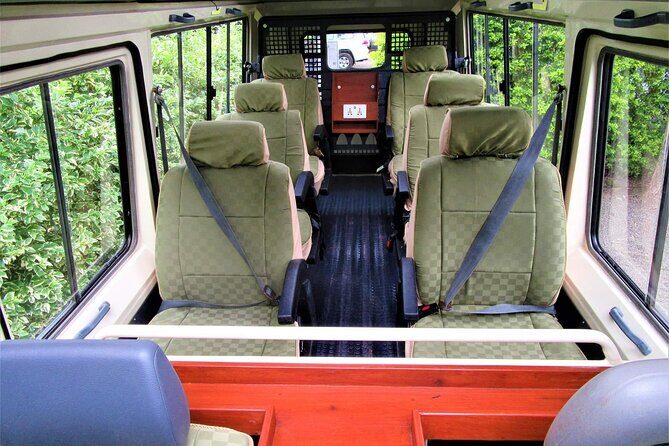
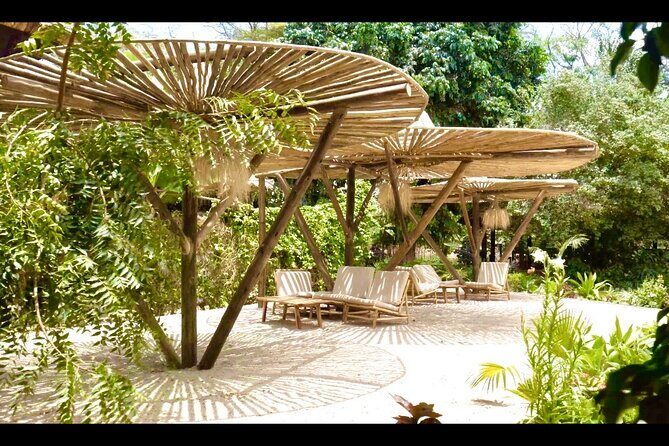
This tour is a private camping safari, and that word can mean wildly different things depending on the operator. Here, the camps you use are public sites with solar electricity, built toilets and bathrooms, and hot/cold showers. Camping equipment is provided, which removes one big cost and packing headache.
Why this matters: in Tanzania, the logistics of comfort can make or break a camping safari. If you’re sweating through the day, you’ll care more about a real shower at night than you think. If you have kids, you’ll appreciate that the campsite isn’t just a field with a tent and hope.
Meals are also part of the comfort equation. You’ll get 3 lunches, 2 breakfasts, and 2 dinners as specified in the schedule, plus drinking water on all days. In the kind of remote travel where you might otherwise be tempted to buy snacks and drinks constantly, that’s a practical win.
The feedback also points to good camp food and a caring chef or cooker. One review specifically called out tasty meals and comfort, plus a warm attitude from the cooking team. Another mentioned the thrill of camping in the Serengeti with hyenas nearby. You should not expect that sound every night like a guaranteed soundtrack, but it’s a good reminder that this is still the wild, not a staged experience.
What to think about beforehand:
- This is camping, so you’ll want to plan for outdoor conditions even with showers and facilities.
- Personal items (like souvenirs and travel insurance) aren’t included, so bring what you’d need to stay comfortable on your own.
A few more Arusha tours and experiences worth a look
Price and value: is $1,432.44 per person worth it?
At $1,432.44 per person (with VAT included), this can look like a lot until you price it the way African safari costs are really priced: park fees, transport, guide/driver time, and where you sleep.
What’s included here goes beyond the basics. You get:
- All fees and taxes
- Private transportation
- All accommodation (unless you choose an upgrade)
- All activities (unless marked optional)
- Roundtrip airport transfer
- Meals (breakfast, lunch, dinner as listed)
- Drinking water
- Mobile ticket
And you don’t have to guess about park entry on every day. Admission is listed as free for Day 1 and Day 2, and included for Day 3.
What’s not included is also straightforward: international flights, personal items, and tips. That last one matters. Even if you dislike tipping as a concept, in safari contexts it’s part of how many guides and support staff earn a living. If you’re the type who hates surprises, set aside a budget for tips before you arrive.
Is it good value? For me, the best sign is the matching of format to cost. You’re paying for private logistics and multi-day coverage of two major parks. You’re also not paying extra for the camping core experience—equipment and camp facilities are part of the deal.
This style fits best if you:
- Want Serengeti + Ngorongoro without doing a long, hotel-heavy circuit.
- Appreciate structured driving days with clear start times.
- Prefer private guiding and a calmer feel compared with large-group safaris.
If you hate early mornings and vehicle time, you may want to look for a different pacing safari.
Guiding and communication: why the team matters on a safari
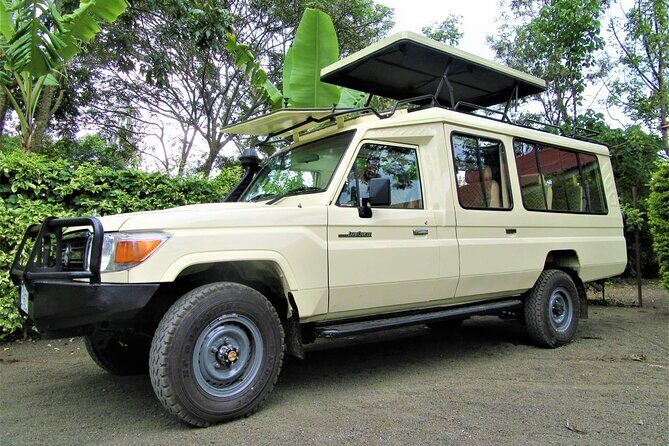
On safari, the guide isn’t just driving. They’re reading the day: where animals might be, how to position the vehicle, and how to help you see more in a short time window.
That’s why the named praise in feedback is useful. Owner/organizer Rickson is credited for professionalism and easy communication, and Suleyman is also mentioned in that context. Guide Samwel gets strong credit for balancing letting you do your own thing while still giving excellent guidance. Driver-guide Stanley is repeatedly highlighted for kindness and for helping the group see many animals.
You’ll also feel the team through the camp side. One review called out a cook or cooker who did a lot to keep the group comfortable. That kind of care shows up in small ways: meals that don’t feel like an afterthought and evenings that feel more human than logistical.
The best way to use this information: when you book, ask your guide how they plan to split time between game drives and optional stops like Olduvai or shifting sands. If your priorities are animal density over extra stops, say so early. Private tours run best when you give clear targets.
Should you book this 3-Day Serengeti & Ngorongoro camping safari?
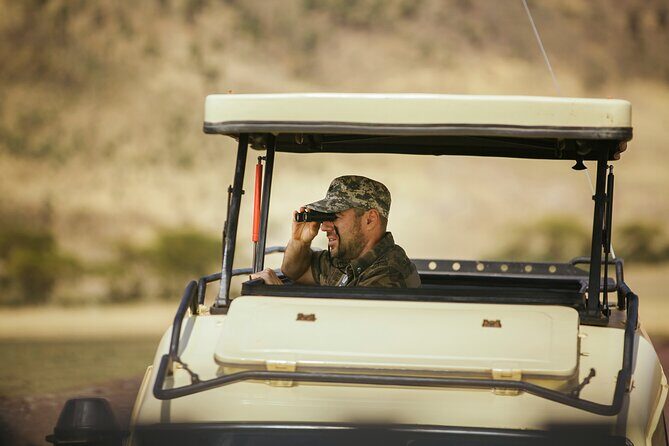
I’d book it if you want a focused, well-organized safari that hits the big two parks in three days while keeping costs controlled. The camping comfort details—solar power, proper bathrooms, and hot/cold showers—make the trip feel realistic, not “primitive and brave.” The included meals, drinking water, and park-fee coverage also reduce budgeting stress.
I wouldn’t book it if early starts and long drives will ruin your mood. This itinerary is built around sunrise wildlife time, and that means waking up before most normal people start their day.
If you’re deciding between “cheapest safari” and “comfort with structure,” this lands closer to comfort-with-structure than you might expect for the price. Just go in with the right mindset: you’re buying access to the parks, private logistics, and a real camping setup—not luxury lodge downtime.
FAQ
What parks are included in this 3-day safari?
You’ll visit Serengeti National Park and Ngorongoro Crater.
How long is the tour?
It’s listed as 3 days (approx.).
What time do we start on the first and last days?
On Day 1, breakfast is at 0630 and pickup in Arusha is around 0700. On Day 3, breakfast is at 0600 before descending into Ngorongoro Crater.
Is pickup from Arusha included?
Yes. You have pickup from your hotel in Arusha, and the package also includes roundtrip airport transfer.
What meals are included?
You get 2 breakfasts, 3 lunches, and 2 dinners, plus drinking water on all days.
Is camping gear included?
Yes. Camping equipment is provided.
Are entry fees included for the parks?
Admission is listed as free for Day 1 and Day 2, and included for Day 3.
Can I get a full refund if I cancel?
Yes. You can cancel up to 24 hours in advance of the experience start time for a full refund.
FAQ
Is the safari private?
Yes. It’s a private tour/activity, and only your group participates.
Do you have options on Day 2?
Day 2 includes options on the way to Ngorongoro Crater Rim, such as a visit to Olduvai or the shifting sands, depending on timing.