REVIEW · ARUSHA
Arusha: Private 3 Day Safari Tarangire, Ngorongoro, Lake Manyara
Book on Viator →Operated by Beach & Safari · Bookable on Viator
A safari in three parks can feel like too much.
This one works because you’re not just ticking names off a list—you’re moving through elephant-rich Tarangire, the crater wildlife of Ngorongoro, and the tree-climbing lion country of Lake Manyara. Add private pickup from Arusha and full-board lodging at Africa Safari Lake Manyara, and the days stay practical, not chaotic.
I especially like the mix of habitats: baobab-studded plains, a volcanic caldera floor, then a lakeside park where wildlife comes close. I also like the detail of a proper lunchbox in Tarangire and the fact that your overnight camp places you right by the action, with animals sometimes walking around the campsite. The one thing to watch is the pace: three long game-drive days in a row mean long hours in a vehicle, so plan for fatigue.
In This Review
- Key takeaways before you go
- The logic of doing Tarangire, Ngorongoro, and Lake Manyara in 3 days
- Arusha pickup and the start window that affects your first morning
- Tarangire National Park: baobabs, elephants, and a lunch break inside the action
- Ngorongoro Crater: how the world’s caldera changes what you see
- Lake Manyara National Park: tree-climbing lions and close-to-the-lake wildlife
- Africa Safari Lake Manyara: sleeping close to wildlife, not far away
- Price and value: what $1,181 covers (and what you’ll still pay)
- The guide factor: why names like Leonardo, Englebert, and Deo matter
- What your days feel like: time on the road, time for sightings
- Who should book this private safari (and who might want something else)
- Should you book this private 3-day safari from Arusha?
- FAQ
- What parks are included in this 3-day safari from Arusha?
- Is this safari private or shared with other groups?
- What’s included in the price besides park fees?
- What taxes are not included?
- Does the tour include pickup from Arusha?
- What fitness level do I need?
- What if the weather is poor?
Key takeaways before you go
- Private means yours only: it’s a true private tour, so you’re not squeezed into a crowded safari vehicle.
- Full-board at Lake Manyara: dinner, breakfast, and day meals are covered, with an overnight stay right next to the lake area.
- Tarangire for elephants and baobabs: a full day here is built around the park’s look and its big elephant presence.
- Ngorongoro gives you your Big Five moment: you get a full crater drive with strong chances at standout sightings.
- Lake Manyara for the unusual: this is the park known for tree-climbing lions, plus lots of lake-edge wildlife.
- A couple of taxes are extra: park fees and most core costs are included, but you’ll pay specific local taxes at check-in.
The logic of doing Tarangire, Ngorongoro, and Lake Manyara in 3 days
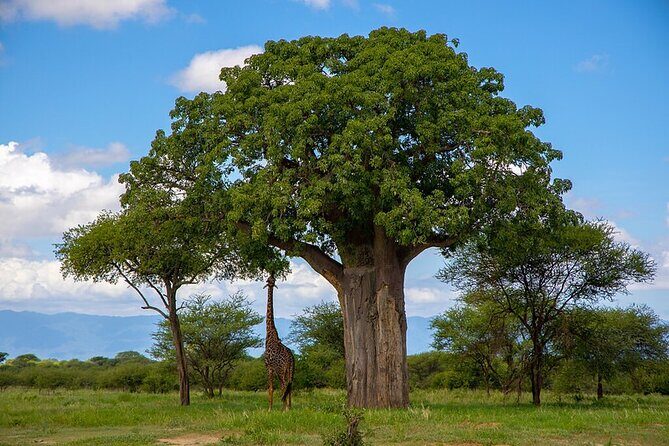
The Northern Circuit works because every park feels different, and this itinerary leans into that. In three days you’ll get baobab silhouettes, a crater world that concentrates animals, and then a lakeside park where behavior can change fast as the sun moves.
Because it’s private, you also tend to get more flexibility than with strict join-a-group schedules. You’re still doing long days, but you’re not sharing your vehicle with strangers, and that matters when you’re trying to get a clean view through dust and light.
Finally, the itinerary is built around daytime game drives and a single overnight base at Africa Safari Lake Manyara. That choice reduces the number of packing/unpacking moments and keeps you close to the wildlife at the end of the day.
You can also read our reviews of more private tours in Arusha
Arusha pickup and the start window that affects your first morning
This safari begins in Arusha, with pickup offered from your hotel or the airport. You’ll want to be ready within the local start window of 6:00 AM to 10:00 AM, since that opening time range is when the operation is set to meet you.
For me, that start window is a big deal: if you’re arriving late the day before, don’t assume you can push your schedule easily. The good news is that being picked up rather than navigating yourself out of Arusha saves real energy on day one.
If you’re tight on planning, aim to get to Arusha (or confirm your pickup details) so you don’t feel rushed in the morning. Safari days are early for a reason—animals don’t wait for your comfort.
Tarangire National Park: baobabs, elephants, and a lunch break inside the action
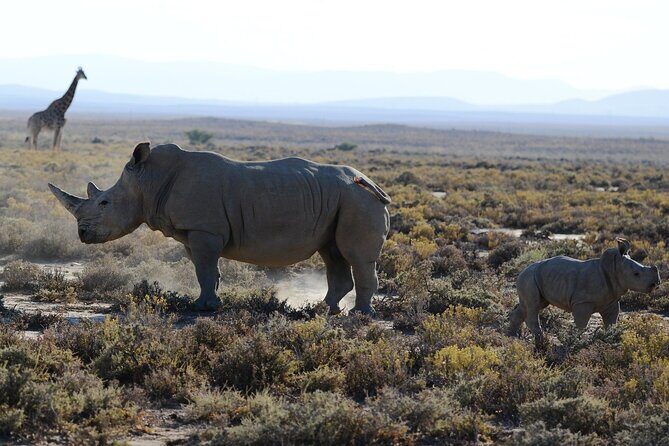
Tarangire is famous for its baobab trees and for the sheer number of elephants you can run into here. The park has a distinct look—open areas, big tree shapes, and long sightlines that make spotting easier than in thicker bush.
You get a full day game drive, which gives you time to shift as wildlife patterns change. Some sightings happen early, others show up later, and with a full day you’re not forced to rush only one time period.
A detail I genuinely like: during lunch you won’t just grab something off-site. You’ll have a lunchbox prepared by the chefs in the middle of the park. That means you can keep your eyes on the surroundings while you eat and avoid losing the drive rhythm to travel.
Possible drawback: a full day can mean a long day on the road—so bring sun protection, something layered (mornings can feel cool), and expect dust. In Tarangire, the drive is part of the experience, not a quick transfer.
Ngorongoro Crater: how the world’s caldera changes what you see
Ngorongoro Crater is the kind of place where nature does the organizing for you. It’s described as the world’s largest intact volcanic caldera, often called the 8th World Wonder—and once you enter the park, you understand why people talk about it like that.
Here, you’ll have another full day game drive, with chances at Big Five sightings. Even if you don’t count on every species, the crater’s “bowl” effect can concentrate animals and make sightings feel more immediate than scattered parks.
For your camera (and your sanity), this is a day to stay patient. Wildlife in crater settings can appear, pause, then disappear into the terrain. With a full day you get multiple chances rather than one quick pass.
One practical consideration: the crater drive can involve changes in temperature and light, depending on where you are in the day. If you’re sensitive to heat swings, dress in layers so you can adjust without losing your view or your mood.
Lake Manyara National Park: tree-climbing lions and close-to-the-lake wildlife
Lake Manyara is built on a reputation that’s easy to remember for a reason: tree-climbing lions. That doesn’t mean you’ll see it every single time, but it tells you the park’s story—lions here can use unusual terrain and vantage points rather than sticking to the simplest ground-level routes.
You’ll enjoy a full day game drive in the park, plus breakfast at Africa Safari Lake Manyara before you set out. The drive is designed for wildlife viewing across different habitats within the park, so it’s not a one-track strategy.
This is also where the trip can feel extra “alive.” When a park is tied to water and nearby feeding areas, animals can show up differently as conditions shift during the day. Expect sights of zebras and wildebeest in the broader environment around your base too, because the lodge area is near the lake and wildlife activity can be visible close to camp.
Drawback to know: if you’ve already had two full drive days, day three can feel a little intense. I recommend pacing yourself—good breakfast, water all day, and a willingness to slow down mentally when your eyes need a break.
A few more Arusha tours and experiences worth a look
Africa Safari Lake Manyara: sleeping close to wildlife, not far away
Your overnight stay is at Africa Safari Lake Manyara, located next to the lake. That location isn’t just pretty on paper—it changes the feel of the trip. Being near the park environment can mean you’re hearing and seeing animal movement in the evening and early morning.
The camp experience also includes dinner and breakfast as part of the full-board plan. That matters for value and comfort: you’re not scrambling for meals after a long day, and you can keep your focus on the safari rather than logistics.
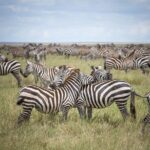
A detail that stands out: there can be wildlife like zebras and wildebeest walking around the campsite. That’s the kind of “you’re actually here” moment that makes this style of safari different from staying far from the action and commuting in.
Practical note: because wildlife can be around the camp area, follow your guide’s instructions about movement and safety. If an animal is nearby, the rules are there for a reason.
Price and value: what $1,181 covers (and what you’ll still pay)
At $1,181 per person, you’re paying for three things that add up fast on a Tanzania safari: transportation, park access, and a lodge stay with meals. The tour lists park fees as included, and it also includes 3 lunches, 2 dinners, and 2 breakfasts—that’s a real chunk of the daily cost that many independent travelers end up paying out of pocket.
You’re also getting pickup from Arusha and a private setup where your group is the only group participating. For families or couples, private can offer a better feel even when the price isn’t “budget.” You’re buying time and attention.
What’s not included is also clear. You’ll pay at check-in a Tourism Development Levy ($1.50 pp/pn) and a village tax ($1.00 pp/pn). Drinks, personal expenses, and tips are also extra. The levy and village tax are relatively small compared to the total package, but you should still budget them so there are no surprises.
If you’re trying to decide if this is good value, ask yourself this: do you want someone else to handle entry fees, meals, driving, and the park-day timing? If yes, the price starts making more sense.
The guide factor: why names like Leonardo, Englebert, and Deo matter
On safari, the guide makes a difference in two ways: spotting skill and explanation. The best guides don’t just point; they teach you how to read animal behavior—what to watch for, and why certain animals appear where they do.
This route is associated with guides including Leonardo, Justine Peter, Englebert, Deo, and Godlisten—names that come up for doing exactly that kind of animal-focused guidance. I like knowing there’s an emphasis on learning and not only driving.
If you care about understanding what you’re seeing, lean into the questions. Ask about what animals are doing, where food sources are, and why you’re driving to a viewpoint at a specific time. When a guide can explain it, your sightings feel less random.
What your days feel like: time on the road, time for sightings
A “3-day safari” sounds neat, but the reality is three long wildlife days. You’ll get full days of game drive in Tarangire and Ngorongoro, then another full day at Lake Manyara. That’s great for coverage, and it also means you’ll want to treat each day as a marathon, not a stroll.
Because meals are included, your breaks should feel planned rather than forced. Lunch inside Tarangire helps keep your day moving in the right direction, and breakfast at the lodge keeps your Lake Manyara morning functional.
Your best strategy: keep your travel routine simple. Water, sunscreen, a hat, and a way to stay warm if mornings feel cool. And don’t pack too much “just in case”—your vehicle will be the main base for most of the day.
Who should book this private safari (and who might want something else)
This tour fits best if you want maximum variety in a short time and you value a private setup. If you’re the type of traveler who likes animals and also likes learning—about behavior, not just species names—this itinerary is a strong match.
It’s also a good choice if you’re traveling with a partner or small group and want to reduce planning stress. Pickup from Arusha, included meals, park fees, and an overnight base take the hardest parts off your plate.
The physical note is “moderate fitness.” That doesn’t mean you need to be a marathon runner, but it does mean expect outdoor time and the reality of long drives and getting in and out of the vehicle at various viewpoints.
Should you book this private 3-day safari from Arusha?
I’d book it if your priority is a tight, high-impact route with three very different parks and you want the logistics handled: park fees, meals, transportation, and an overnight stay near the lake. The combination of Tarangire elephants and baobabs, Ngorongoro’s crater concentration, and Lake Manyara’s tree-climbing lion reputation is exactly the kind of variety that keeps safari days from blurring together.
If you dislike long driving days or you’re hoping for a more relaxed pace, you might find the schedule heavy. But if you’re ready for early starts and full days of wildlife time, this is the kind of safari that gives you memorable “how is this real?” moments—especially with the lodge setting near the lake and wildlife close to camp.
FAQ
What parks are included in this 3-day safari from Arusha?
You’ll visit Tarangire National Park, Ngorongoro Crater, and Lake Manyara National Park.
Is this safari private or shared with other groups?
It’s a private tour/activity, meaning only your group participates.
What’s included in the price besides park fees?
Park fees are included, along with meals (3 lunches, 2 dinners, and 2 breakfasts) and transportation, plus an overnight stay at Africa Safari Lake Manyara on a full-board basis.
What taxes are not included?
You’ll pay a Tourism Development Levy of $1.50 per person per night and a village tax of $1.00 per person per night at check-in.
Does the tour include pickup from Arusha?
Pickup is offered from your hotel or the airport in Arusha.
What fitness level do I need?
The tour notes a moderate physical fitness level is recommended.
What if the weather is poor?
The experience requires good weather. If it’s canceled due to poor weather, you’ll be offered a different date or a full refund. You can also cancel up to 24 hours in advance for a full refund.