REVIEW · ZANZIBAR CITY
Best of Zanzibar: Spice Tour & Stone Town Visit
Book on GetYourGuide →Operated by Island Prime Tours · Bookable on GetYourGuide
One good day can hit both spices and Stone Town. This Best of Zanzibar combo ties together a real Zanzibar spice plantation visit (with fresh smells, touches, and tastings) and then a guided walking tour through Stone Town’s maze of historic lanes.
I like that the day isn’t just sightseeing. You get to learn how Zanzibar’s spice trade worked and how local farming is done, and then you walk past major landmarks with a guide who connects the buildings to the island’s story. The spice farm portion often lands as the best part, with guides like Mimo (and Salim or Yassir in other cases) sharing entertaining, practical explanations while you taste spices and tropical fruits.
One consideration: it can feel touristy, especially on the spice plantation side, and pace can vary. In Stone Town, at least one experience noted the guide moving a bit too fast.
In This Review
- Key Highlights You’ll Actually Remember
- The Big Idea: Spices First, Stone Town Second
- Zanzibar Spice Plantation: What You Really Get for Your Time
- Spice Tasting and Farming Lessons: How to Make It Worth Paying Attention
- Stone Town on Foot: Old Fort, Markets, and the Art of Getting Oriented
- The Doors, the Fort, and the Stories Behind the Scenes
- Freddie Mercury and the Cathedral: The Emotional Range of Stone Town
- Timing, Walking, Heat: How to Stay Comfortable Without Overpacking
- Price and Value: Is $60 a Good Deal?
- Who This Tour Is Best For (and Who Should Reconsider)
- Should You Book This Spice Tour and Stone Town Walk?
- FAQ
- What’s included in the price?
- Are attraction entrance fees included for Stone Town sights?
- Do I get meals during the tour?
- How much walking is involved?
- What should I bring?
- Are alcohol or drugs allowed?
- What’s the cancellation and payment approach?
Key Highlights You’ll Actually Remember

- Fresh spice and fruit tastings at the plantation, not just a quick photo stop
- Guides like Mimo, Salim, Ahmed Issa Ahmed, and Yassir who explain how spices and architecture connect
- A Stone Town walk that covers big names like the Old Fort, Darajani Market, and the House of Wonders
- Stops tied to Zanzibar’s hardest past, including the Anglican Cathedral built over the former slave market
- A Freddie Mercury connection via Freddie Mercury’s birthplace/house in Stone Town
- Practical comfort: dress modestly for religious sites and bring shoes for uneven walking
The Big Idea: Spices First, Stone Town Second
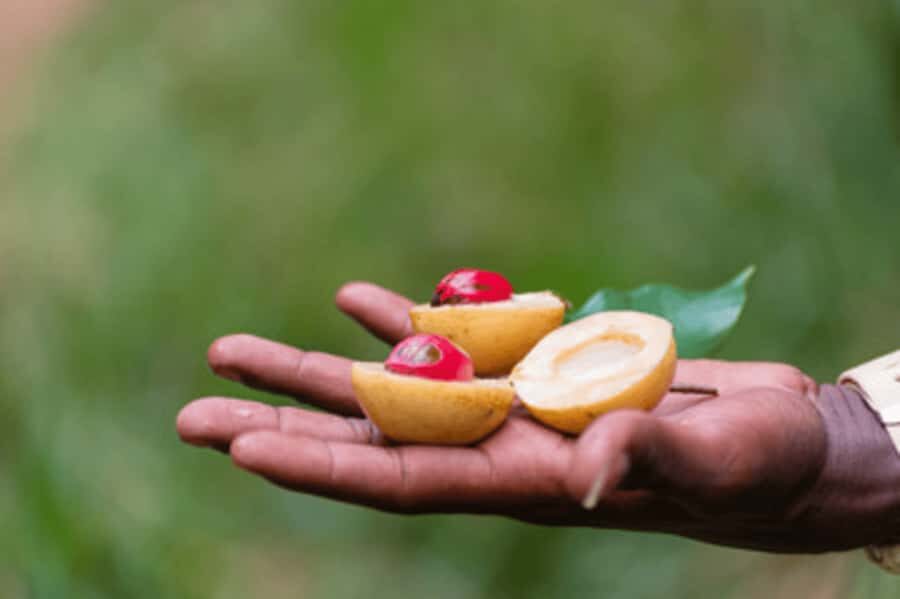
This tour is built like a one-two punch. First you go where the island’s reputation starts: a working spice plantation. Then you go where Zanzibar’s reputation shows up in stone, doors, markets, and stories: Stone Town.
That sequence matters. When you taste cloves, nutmeg, cinnamon, vanilla, cardamom, and other spices early in the day, the rest of Stone Town feels more grounded. Later, when a guide points out symbols in doors or explains how trade shaped the town, you’re not hearing history in the abstract. You’re linking it to what Zanzibar actually grew.
You’ll also feel the change in rhythm. Plantation time is slower and sensory. Stone Town is walking time—alley after alley, with the guide setting the pace and helping you make sense of the layout.
You can also read our reviews of more tours and experiences in Zanzibar City.


Zanzibar Spice Plantation: What You Really Get for Your Time

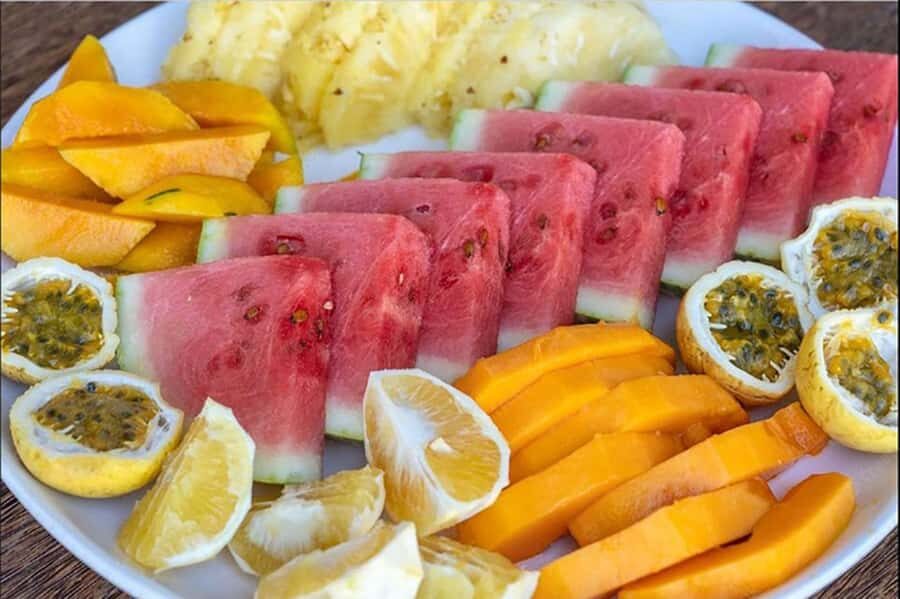
The spice plantation stop is the heart of this tour. You walk through tropical gardens while your guide explains Zanzibar’s spice trade and how farming is done locally. And yes, you’ll smell and touch the ingredients. The best part is that you also taste fresh local spices and fruits that are meant to be eaten, not just displayed.
Cloves are the star in many spice stories, but you’ll usually hear about the full lineup tied to the island’s spice identity—things like nutmeg, cinnamon, vanilla, and cardamom—along with other farm-grown ingredients. If you’re the type who likes to understand what you’re looking at, you’ll appreciate the way your guide links each plant to how people use it on the island.
One thing I’m glad the tour includes: tastings at the source. If you come to Zanzibar for flavor, this is the portion that earns its place. Several experiences highlighted the end-of-tour tastings as a standout moment, with guides such as Mimo at the farm getting special praise.
Potential drawback: spice plantations can attract tour groups, and this one isn’t immune. You may feel the flow of visitors. If you’re hoping for a perfectly quiet, private farm moment, adjust expectations. Still, even with crowds, the sensory side—smell, touch, and taste—can be worth it.
Spice Tasting and Farming Lessons: How to Make It Worth Paying Attention
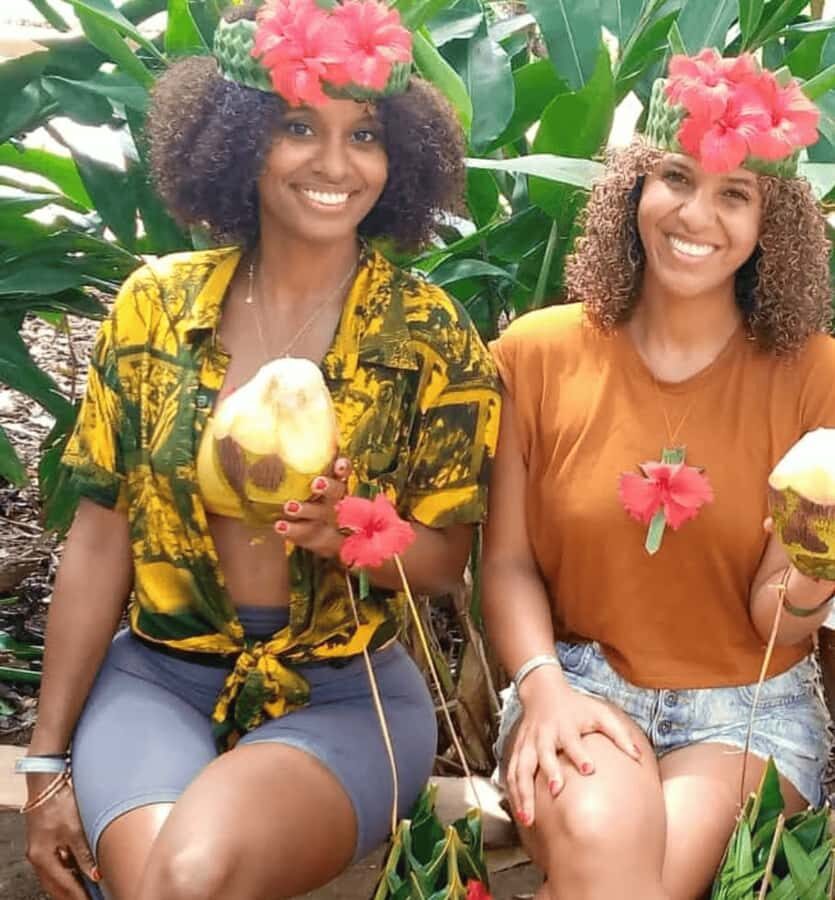
You’ll get the most from the farm if you go in with a few practical habits. Here’s how to do that without turning it into homework.
First, slow down when you’re given tastings. Spices can taste similar at a distance, but up close they’re different: sharp vs. sweet, floral vs. warm, fresh vs. dried. When a guide mentions where the flavors come from (leaf, seed, bark, fruit), the taste usually clicks faster.
Second, ask one simple question as you go. For example: which spices are used most in everyday cooking on Zanzibar? That kind of question often pulls real examples from your guide because the island’s spice trade wasn’t just a historical headline. It still shapes what people buy, grow, and cook.
Third, protect yourself from heat and sun. One experience suggested dressing lightly in high season. That advice pairs well with the tour’s later Stone Town walking, where there’s less shade and more time outside.
And fourth, remember what’s not included. You aren’t getting meals as part of the itinerary. If you have a sensitive stomach or you know you’ll need something later, plan your day around that. Also, souvenirs and products for sale aren’t part of the included package. If you buy spices, do it because you want them—not because the tour “prompts” you.
Stone Town on Foot: Old Fort, Markets, and the Art of Getting Oriented

After the plantation, the day shifts into Stone Town mode. This is where the guide earns their keep, because Stone Town can feel like a maze—winding alleys, busy market areas, and landmark sightings that look random until someone helps you connect them.
You’ll cover major stops such as:
- the Old Fort
- Darajani Market
- the House of Wonders
- the Freddie Mercury site in Stone Town
- the Anglican Cathedral, tied to the former slave market location
The tour is framed as a walking tour through historic landmarks and cultural heritage. In practice, that means you’ll walk through streets and public spaces where the architecture and everyday life overlap. One experience noted the walk included time around market areas like fish and fruit spaces, which can be a real window into how Stone Town still functions.
A heads-up on one practical issue: construction and renovations happen. The House of Wonders can involve active building work, which can affect how quickly you move and what you can fully see at the moment. It’s not a deal-breaker, but it can change photo angles and viewing time.
Also, pace matters. One experience felt the Stone Town guide was a bit too fast, wanting to finish quickly. Another praised the Stone Town guide’s ability to explain details like the difference between door architecture—how symbols and patterns work. That tells you the experience can swing with guide style, so it’s smart to communicate if you want slower, more conversational pacing.
The Doors, the Fort, and the Stories Behind the Scenes
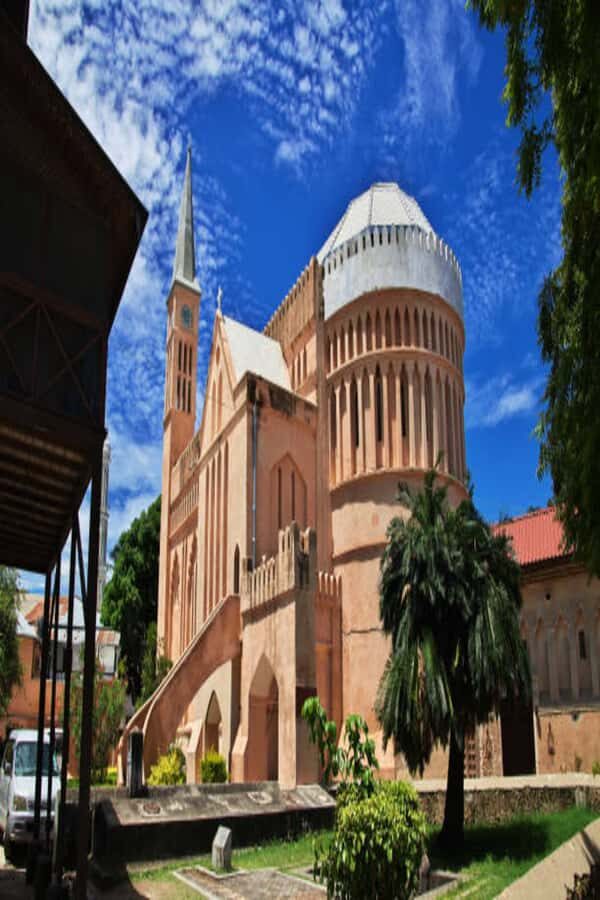
Stone Town’s big selling point is that it rewards attention. A good guide doesn’t just name buildings. They explain why certain doors look the way they do—materials, patterns, and what they signal. One guide, Ahmed Issa Ahmed, was specifically praised for that kind of explanation, making the architecture easier to read.
That matters because Stone Town’s beauty can look “decorative” if you only glance. With the right context, you notice symbolism and how the town grew through trade and cultural blending. Even if you’re not an architecture nerd, learning to read a door helps you feel like you’re not just walking through streets—you’re decoding a place.
At the Old Fort, you’re dealing with scale and structure more than ornament. It’s the kind of stop where a guide’s pacing helps. If you move too fast, it becomes just another wall. If you slow down, you start understanding the town’s defensive and strategic role.




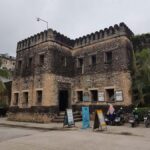
Freddie Mercury and the Cathedral: The Emotional Range of Stone Town
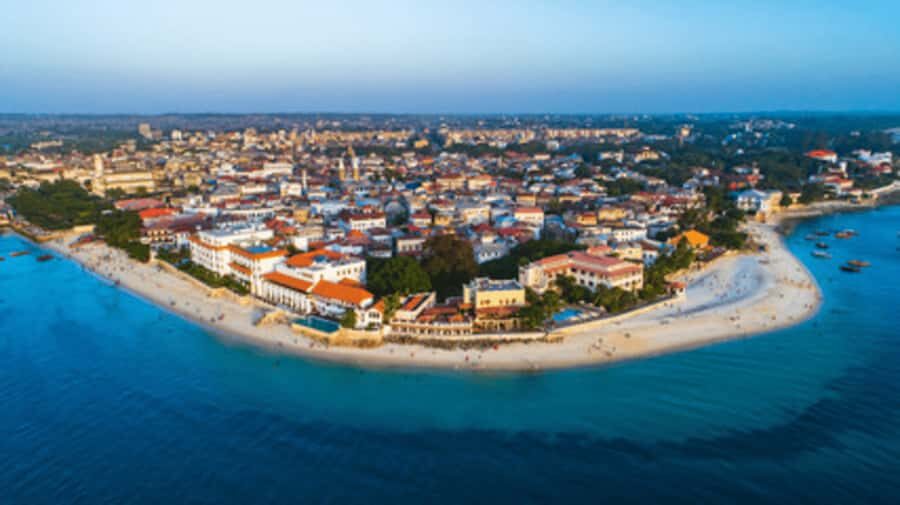
Stone Town doesn’t keep one mood. It moves from pop culture to raw history in a single day.
You’ll visit the Freddie Mercury birthplace/house area. Even if you’re not a hardcore fan, this stop works because it adds a modern, recognizable thread to a town most people know for its older trading past. It’s also a good marker for navigation inside Stone Town.
Then comes a heavier stop: the Anglican Cathedral, built over the site of the former slave market. This is one of the most important moments in the itinerary because it forces you to confront what Zanzibar was connected to in past centuries. If you want your trip to include meaning—not just “pretty places”—don’t skip the cathedral portion. Give it a little mental space.
This is also where your dress matters. Religious sites require modest clothing, specifically covering shoulders and knees. The tour asks for that, and it’s not about being fussy. It helps you enter respectfully and avoid last-minute stress.
Timing, Walking, Heat: How to Stay Comfortable Without Overpacking
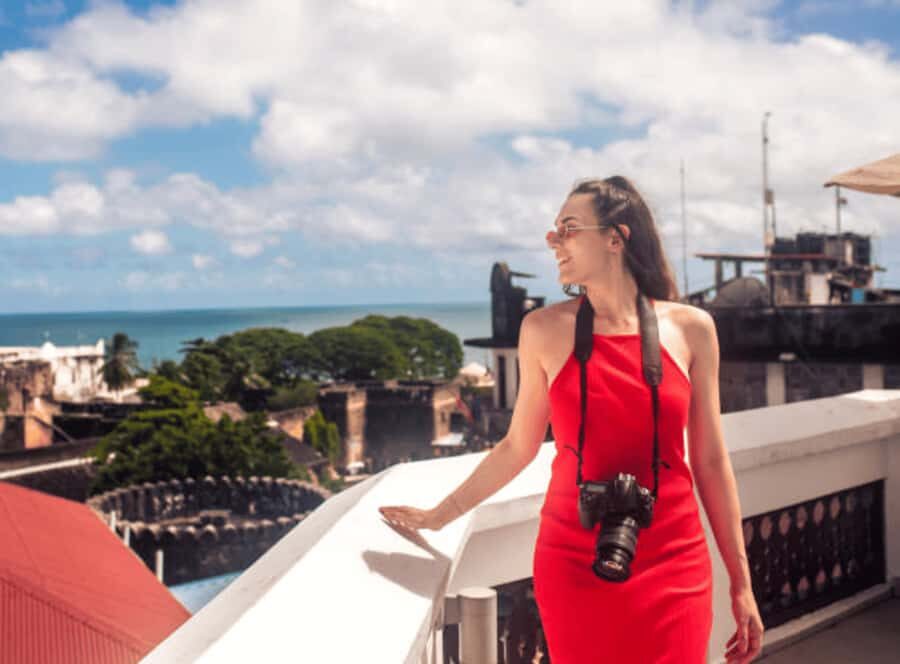
This tour involves moderate walking over uneven surfaces. Comfortable shoes are strongly recommended, and that’s not just advice. Stone Town alleys can be bumpy, and plantation paths can be slippery after rain.
Weather-wise, the tour runs in all conditions. If you’re visiting during the rainy season, bring an umbrella or raincoat. That’s a practical call because your schedule is walking-based.
Pickup times can also matter. The exact pickup time is confirmed the evening before via email, WhatsApp, or SMS, so double-check that your contact info is correct when booking. One experience had timing discrepancies between an app and printed info, and it was fixed quickly by messaging the local operator—even though a WhatsApp notification didn’t arrive in time for that person. Translation: if something feels off, speak up early.
In terms of what to wear, you’re balancing two environments:
- Plantation: hot, sunny, hands-on walking
- Stone Town: hot streets plus modest clothing needs near religious landmarks
Light but coverage-friendly clothing is the sweet spot. Think breathable fabric that still covers your knees and shoulders.
Price and Value: Is $60 a Good Deal?

At $60 per person, this tour can feel like a bargain or a fair deal depending on what you compare it to.
What makes it good value:
- You get a local professional guide for both the spice farm and Stone Town walking portion.
- Plantation entry is included.
- You also get hotel pickup and drop-off in selected areas.
- Bottled water is included.
What you should expect to pay extra for:
- Entrance fees to specific attractions or sites you visit might not be included.
- Meals aren’t included, so you may need to plan lunch or snacks around the day.
When I think about value in one-day Zanzibar tours, I look for two things: “Do I get enough time with a guide?” and “Do I get real access, or just a bus ride with quick photos?” This one does the first part well because it pairs a guided farm experience (where tastings and explanations matter) with a guided Stone Town walk (where orientation and storytelling matter). The second part also works because you’re walking through the actual town, not just viewing it from outside.
If you’re short on time and want both signature Zanzibar experiences in a single day, the combo is a smart use of time. If you hate crowds and prefer private, quiet farm visits, you may feel the tourist vibe more strongly on the plantation side.
Who This Tour Is Best For (and Who Should Reconsider)
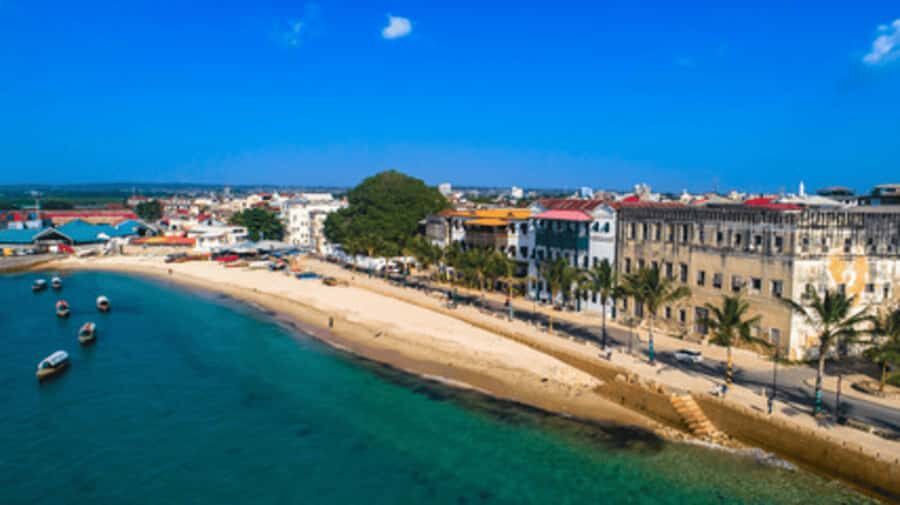
I think this tour fits best if you:
- want spices plus Stone Town in one day
- like guided walking tours with a bit of story, not just dates and names
- enjoy hands-on experiences like tasting spices and tropical fruits
- want your Stone Town visit to include both major landmarks and meaningful history
You might reconsider if you:
- need slow, fully unhurried pacing all day (some experiences noted a guide moving quickly)
- dislike any tourist atmosphere at all, especially at the farm
- have strict dietary needs and can’t easily plan around meals not being included
If you do go, bring flexibility. This is a moving day with moderate walking. It’s designed to keep you active and learning, not to let you linger endlessly in each stop.
Should You Book This Spice Tour and Stone Town Walk?
If you want the classic Zanzibar “two sides of the island” day—spice farming in the morning and historic Stone Town streets afterward—this tour is worth booking. The included guide time and the spice tastings are the main reasons. If your guide is strong (and names like Mimo, Salim, and Ahmed Issa Ahmed show up with positive notes), the day can feel like more than a checklist.
Book it when you:
- have limited time in Zanzibar
- care about flavor and want tastings at the source
- want Stone Town context, including the former slave market site
Skip or search alternatives when:
- you want a quiet, private farm visit
- you’re not comfortable with uneven walking
- you really need meals included in the package
Either way, go prepared: modest clothing for religious stops, solid shoes for walking, and a rain plan if weather turns. Get that right, and this day connects Zanzibar’s spice roots to its Stone Town streets in a way that’s easy to remember long after you leave.
FAQ
What’s included in the price?
The tour includes a local professional guide, entry to the spice plantation, a guided Stone Town walking tour, hotel pickup and drop-off in selected areas, and bottled water.
Are attraction entrance fees included for Stone Town sights?
No. Entrance fees to specific attractions or sites visited during the tour are not included.
Do I get meals during the tour?
No. Meals or refreshments are not provided as part of the tour itinerary.
How much walking is involved?
The tour includes moderate walking over uneven surfaces. Comfortable shoes are strongly recommended.
What should I bring?
Bring comfortable shoes and comfortable clothes, plus a camera. If you’re traveling in rainy season, bring a raincoat or umbrella.
Are alcohol or drugs allowed?
No. Alcohol and drugs are not allowed.
What’s the cancellation and payment approach?
You can reserve & pay later (book your spot and pay nothing today). Cancel up to 24 hours in advance for a full refund.