REVIEW · ARUSHA
Arusha: 3-Day Safari to Ngorongoro Crater and Serengeti
Book on GetYourGuide →Operated by KILINGE -ADVENTURES · Bookable on GetYourGuide
The crater makes you hold your breath. This 3-day Tanzania Ngorongoro Crater to Serengeti National Park safari is all about two big-ticket wildlife stages, plus a night or two camping for big-sky time. I like that you’re not just passing through: you get a proper crater descent game drive, and you also get Serengeti drives with predator sightings and that famous wide-open feel. One drawback to consider is that the travel days can be long, and delays sometimes happen at gates or due to vehicle issues, which can squeeze the best morning or evening wildlife windows.
What I also like is how the trip is set up for real time on safari. You’ll be with a professional English-speaking guide, moving by safari vehicle between parks, then sleeping in tents with the basics provided. Still, this is a camping-style safari, and if you’re the type who needs a tight schedule or lots of comfort on the road, you’ll want to plan with flexibility.
In This Review
- Key points to know before you go
- Why this 3-day loop from Arusha makes sense
- Day 1: Arusha to Ngorongoro Crater and the descent game drive
- Day 2: Ngorongoro to Serengeti, plus camping under Serengeti skies
- Day 3: Sunrise Serengeti drive and back to Arusha
- The guide and the camp setup: what comfort really means here
- Price and national park fees: the part that can surprise you
- Group logistics, timing, and vehicle capacity (the stuff that makes or breaks the day)
- What I’d pack for a 3-day camping safari
- Who should book this safari, and who should rethink it
- Should you book: my honest take
- FAQ
- Is the national park fee included?
- What’s included in the camping setup?
- Are meals included during the safari?
- Do I need travel insurance?
- Do they pick up from Arusha?
- What about pick-up from Moshi?
- Do I need to bring a power bank?
- Is alcohol included?
- Is there a guide and is English available?
Key points to know before you go
- Ngorongoro Crater descent into a UNESCO caldera with multiple habitats and strong odds for major wildlife
- Serengeti game drives in prime savanna country, including chances of Great Migration areas
- Camping inside the Serengeti setup with sleeping bag, mattress, and camping equipment included
- Long driving days and gate timing can affect how much wildlife you see, especially on Day 1
- Group seating can be tight, so confirm vehicle capacity and who rides where
- Optional cultural stops may cost extra depending on how the route is handled that day
Why this 3-day loop from Arusha makes sense
If you’re planning a short Tanzania safari, this route is a sensible hit list. Ngorongoro gives you one dramatic setting with thick animal activity in a compact area. Then Serengeti gives you the bigger, longer savanna story, with chances to see predators hunting and herds grazing in the same day.
The best part of doing this in 3 days is timing. You get both daytime game drives and at least one early-start session, which matters because animals tend to be most active around morning and late afternoon. And because the safari runs as a shared group tour with a guide, you avoid the stress of figuring out park logistics solo.
A few more Arusha tours and experiences worth a look
Day 1: Arusha to Ngorongoro Crater and the descent game drive
Day 1 is where the trip grabs you by the collar. You start with an early scenic drive from Arusha to the Ngorongoro Crater area, a UNESCO World Heritage site and one of those volcanic calderas that looks impossible until you’re standing there.
Once you reach Ngorongoro, the highlight is the descent into the crater for game drive time. This crater is special because it stacks habitats in a relatively small space: you can see forest edges, open savanna, and water areas that draw animals in. That mix is why you can sometimes spot a broad range of wildlife in one day rather than waiting for a rare “perfect” moment.
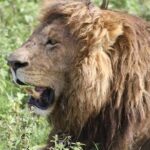
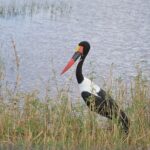
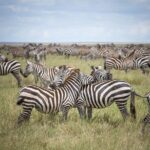
What you’ll be watching for includes the Big Five possibilities (lions, elephants, buffalo, leopards, and rhinos), plus the usual Serengeti cast like zebra and wildebeest, along with a lot of birdlife. In practice, sightings depend on where animals decide to be that day, but the crater’s density is part of why this stop is popular.
One practical caution: this day can involve a long transfer before the real safari time begins. Plan for the drive. Pack your daypack so you can reach the essentials fast when you finally stop and start spotting animals.
Day 2: Ngorongoro to Serengeti, plus camping under Serengeti skies
After breakfast, you head toward Serengeti National Park. This is the day for more open savanna and bigger distances, plus that feeling of entering a system that’s been running for ages.
On the way in, you may pass through areas that include Maasai villages. In some versions of the trip, a village visit can happen as part of the itinerary. In other versions, it may be handled differently or treated as an extra cost. So if this cultural stop matters to you, ask the operator before departure what is included and what is optional, and get it clear in plain language.
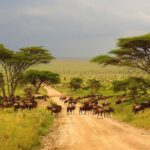
Once you’re in Serengeti, you’ll do a full game drive session. Serengeti is famous for the Great Migration, and while the exact location of migration varies, the wider point holds: this park is built for animal spectacle on a large scale. You’ll be scanning for predators and big mammals, and you’ll also likely catch plenty of smaller action like birds and grazing herds.
For wildlife-style highlights, expect to keep an eye out for:
- lions (including a pride presence in some drives)
- cheetahs
- giraffes
- hippos near river areas
In the afternoon, the drive is also great for photos because the light can turn the savanna gold. Then comes the part many people remember most: you camp inside the Serengeti. You’ll have tents and the essentials provided, and the reward is that quiet, star-filled night. There’s something extra about hearing lions carry across the plains when your tent is close to where the animals move.
Day 3: Sunrise Serengeti drive and back to Arusha
Day 3 starts early, and that’s for a reason. A sunrise game drive is when you often get a better mix of predator movement and herbivore activity. Morning light also helps your brain settle into the rhythm: scan, pause, watch the land breathe.
You’re looking for cats on the prowl, and for leopards and lions in the mix where possible. At the same time, you’ll likely see herds grazing calmly, which creates a good contrast for the action.
After the morning drive, you’ll have breakfast and then begin the return to Arusha. You may have a final stretch of scenery and wildlife glimpses on the way out, but the main goal by then is getting you back in time and without drama.
The guide and the camp setup: what comfort really means here
This is a guided safari with a professional English-speaking guide, plus transportation in a safari vehicle. That matters because a guide isn’t just spotting animals. They’re also managing timing, reading movement in the bush, and keeping the group together when roads and park rules shape where you can go.
Food is another reason this trip often works well in real life. The meals are included as per the itinerary, and people who enjoyed the experience usually felt the cooking and food quality were a real plus. On safari, meals can be hit-or-miss on some tours. Here, the feedback points to food that’s actually satisfying after long driving and game drives.
Camping details are worth noting because they affect your day-to-day comfort:
- accommodation in tents
- sleeping bag and mattress provided
- camping equipment provided
- drinking water included
So you won’t be stuck buying gear at the last minute. Still, you should mentally prepare for “outside living.” If you’re expecting a hotel bed and room service, you’ll be disappointed. If you like hearing wildlife sounds at night and sleeping close to nature, you’ll probably love it.
A few more Arusha tours and experiences worth a look
Price and national park fees: the part that can surprise you
One of the biggest practical questions is what you pay upfront versus what you pay at the park.
National park fees are not included. That’s not unusual, but it does mean the all-in price depends on what the current fee is when you enter. One specific figure that comes up is a $210 national park fee. Use that as a rough planning number, then confirm the latest amount directly with the operator so you don’t get stuck thinking about it at the gate.
Your tour price is covering things like:
- guided safari tours
- safari vehicle transport
- meals as per the itinerary
- drinking water
- tents plus sleeping bag and mattress
- camping equipment
Things that are not included are travel insurance and alcoholic beverages.
Here’s the value check I’d do: if you’re paying for a guided safari vehicle, meals, and camping gear, you’re mostly buying time on safari and the logistics handled for you. If national park fees were included, it would feel simpler. Since they’re not, you just need to budget and be ready.
Group logistics, timing, and vehicle capacity (the stuff that makes or breaks the day)
The safari is a shared group experience, and that’s where planning can get real. On a trip like this, timing is everything because wildlife activity peaks in the morning and evening, and gates can add delays.
Some negative experiences have pointed to:
- long waits at gates
- very long travel time before real sightings start on Day 1
- vehicle timing problems due to repairs
- stress and unclear procedure communication when things go off plan
- seating constraints, since vehicles have limited space and not everyone may ride exactly as expected
This doesn’t mean you should automatically avoid the trip. It does mean you should manage expectations. If you book, I recommend you do three things before you go:
- Ask exactly how many people will be in the vehicle and confirm seating arrangements.
- Ask what is included vs optional for any cultural stop like a Maasai village visit.
- Ask for a clear timeline: pick-up time, expected park entry time, and when day game drives start.
Also, if you’re the type who can’t handle late starts, consider that a safari itinerary can be affected by factors like vehicle maintenance and park gate pacing.
What I’d pack for a 3-day camping safari
You already have the sleeping bag and mattress handled, which is a big plus. Still, you need to stay practical in the day-to-day parts.
Bring:
- a daypack
- a power bank
That daypack is your friend for moving water, snacks (if you prefer), your camera/phone charging needs, and anything you want within reach during long drives and game drive stops. The power bank is important because on safari you can burn battery fast with lots of phone use for photos, maps, and notes.
If you’re sensitive to cold nights, pack smart for temperature swings too. The data here doesn’t list clothing specifics, but tent nights in these regions can feel cooler than daytime.
Who should book this safari, and who should rethink it
This trip fits best if you:
- want a 3-day safari that covers both Ngorongoro and Serengeti
- like wildlife-focused travel more than strict “always on time” schedules
- enjoy camping and the idea of sleeping under safari skies
- want a guide-led experience with included meals and water
You might rethink booking if you:
- need a rigid timetable with zero tolerance for delays
- hate long travel days before you get to proper game viewing
- strongly require optional cultural stops to happen in a specific way and specific day
Because the operator is KILINGE -ADVENTURES, you can also judge comfort by how they communicate. If they explain the plan clearly and answer logistics questions straight, that’s a good sign.
Should you book: my honest take
Book this safari if your top priority is seeing wildlife in two iconic Tanzanian settings and you’re comfortable with camping plus shared-group logistics. The strengths are real: crater descent game drive in Ngorongoro, strong chances of predators and major mammals in Serengeti, and the memorable night camping in the park with the sounds that come with it.
I’d only skip it if your main travel personality is strict timekeeping and nonstop smooth execution. This route can involve long days, gate pacing, and occasional operational bumps that affect timing.
If you do book, treat it like a safari, not a commuter train. Ask clear questions up front about seating and optional add-ons, bring your daypack and power bank, and keep your focus on the wildlife moments when the vehicle stops and the savanna starts doing its thing.
FAQ
Is the national park fee included?
No. National park fees are not included. One commonly cited reference point for budgeting is a $210 national park fee.
What’s included in the camping setup?
Accommodation in tents is included, along with a sleeping bag, mattress, and camping equipment.
Are meals included during the safari?
Yes. Meals are included as per the itinerary, and drinking water is also included.
Do I need travel insurance?
Travel insurance is not included, so you’ll need to arrange it separately.
Do they pick up from Arusha?
Yes. Free pick-up from hotel clients starts from Arusha.
What about pick-up from Moshi?
Pickup from Moshi is not free and you will pay for the transfer.
Do I need to bring a power bank?
It’s recommended to bring a power bank, along with a daypack.
Is alcohol included?
No. Alcoholic beverages are not included.
Is there a guide and is English available?
Yes. The safari includes a professional English-speaking guide and guided safari tours.