REVIEW · ARUSHA
6 Days: Hiking Kilimanjaro via Machame Route
Book on Viator →Operated by Mountain Warriors Tours and Safaris · Bookable on Viator
Kilimanjaro rewards stubborn feet. On this 6-day Machame Route hike from Arusha, you’ll work your way from the Shira area through rainforest and heather ridges, then into alpine desert terrain toward Uhuru Peak. It’s a route built for real altitude, steady effort, and unforgettable views that feel earned rather than handed to you.
I really like the comfort-for-camp side of this trip: private, waterproof tents and mess tents with table and chairs make a big difference when you’re tired. I also like the human side, especially the way guide Gasto and the Mountain Warriors crew push morale during the hardest hours—summit night included.
One drawback to weigh: this is a steep, higher-altitude route, with long stretches at altitude and a midnight start for the summit. If you’re not ready for sustained climbing (and cold, too), the Machame schedule will feel demanding.
In This Review
- Key things to know before you go
- Machame Route reality check: steep days, high-altitude walking, real rewards
- Price and value: what $1,950 covers (and what it doesn’t)
- Day 1: Shira Cathedral to Machame Camp and the rainforest start
- Day 2: heather ridges to Shira Hut Camp at 3,845 m
- Day 3: Lava Tower approach, alpine desert vibes, Barranco Camp
- Day 4: Barranco Wall with guide help, then Barafu Camp
- Day 5: midnight summit climb to Uhuru Peak and the long descent to Mweka
- Day 6: rainforest descent to Mweka Gate, plus the certificate moment
- Guide and crew vibe: the part that keeps you moving
- Gear, fitness, and the small things that save big energy
- Who should book this Machame climb?
- Should you book Mountain Warriors for a 6-day Machame Kilimanjaro?
- FAQ
- How many days is the Kilimanjaro Machame Route hike?
- Which part of Kilimanjaro does this route target?
- What time does the tour start?
- Is pickup included?
- What’s included in the price?
- What is not included?
- Is this tour private?
- What’s the cancellation policy?
Key things to know before you go
- Machame’s steep passages: you’ll climb rocky ridge, Barranco Wall, and crater terrain, not just “easy hiking.”
- Big altitude shifts day by day: tree line, Shira Plateau, alpine desert, then down again to rainforest on the final day.
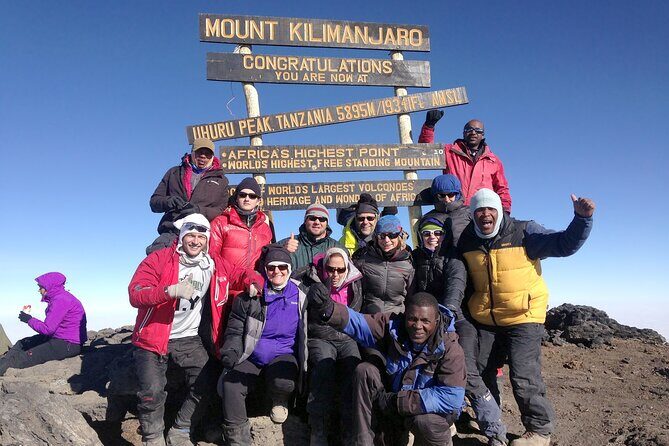
- A planned summit push: you start near midnight, reach Stella Point, then continue to Uhuru Peak for the 360° view.
- Camp comfort for the effort: private waterproof tents plus mess tents with chairs and tables.
- Meals and purified drinking water included: a practical win on a trip where logistics can be rough.
- A crew that manages more than feet: the vibe is described as encouraging, safe, and family-like on tough sections.
Machame Route reality check: steep days, high-altitude walking, real rewards
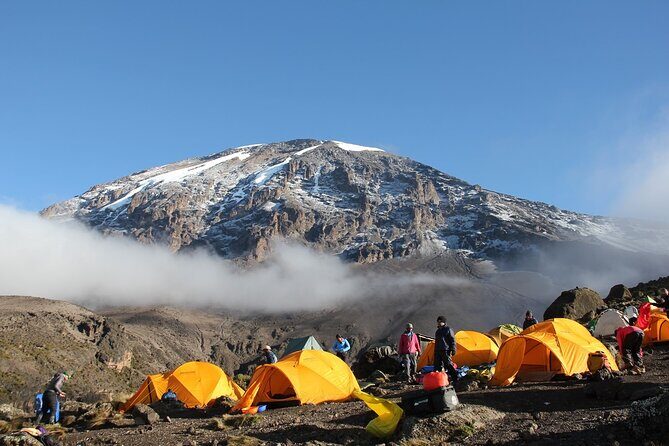
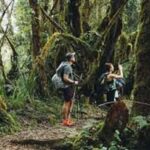
Machame is the famous Kilimanjaro route for a reason. It’s not a gentle stroll that gradually “gifts” you altitude. It asks for effort. You’ll hike through rainforest, heather-covered ridges, river gorges, and then into alpine desert. The terrain changes so much that you feel like you’re moving through different climates on foot.
This matters because the Machame Route isn’t only about distance. It’s about pacing your body while your surroundings keep shifting—lush rainforest with monkeys early on, then cooler higher zones with thinner vegetation later, then the stark, exposed feel of alpine desert. That variety is part of why people remember the trip so strongly.
The biggest promise here is also the biggest requirement: you’re aiming for the Roof of Africa, Uhuru Peak at 5,895 m. The itinerary includes the usual “build-up” logic—camp nights that help you adjust—plus the hard summit night climb. If your mindset is, I’ll do my best and listen to the guide, this plan fits you well.
You can also read our reviews of more hiking tours in Arusha
Price and value: what $1,950 covers (and what it doesn’t)
At $1,950 per person for a 6-day climb, this is a serious chunk of change. The value comes from what’s included, not just the route.
Here’s what you get in the package:
- Guides (professional, experienced mountain guides)
- Park fees and rescue fees included
- All meals while on the mountain (breakfast daily; dinners and lunches across the trek)
- Quality mess tents with table and chairs
- Clean, purified drinking water
- Quality waterproof, private mountain sleeping tents
- Airport transfers
- Pickup offered
- A mobile ticket
- Even the earlier “admission ticket” timing is covered in practice since park fees are included
What’s not included:
- Tanzania visa
- Tips
- Person climbing gear
So the real trade-off is this: you’re paying for safety, structure, food, tents, and logistics so you can focus on the climb. If you’re the kind of traveler who likes knowing meals and camping are handled, that’s a strong match. If you plan to bring your own setup and manage everything independently, this may feel pricier than a do-it-yourself approach—but that approach also means more risk if something goes sideways.
Day 1: Shira Cathedral to Machame Camp and the rainforest start
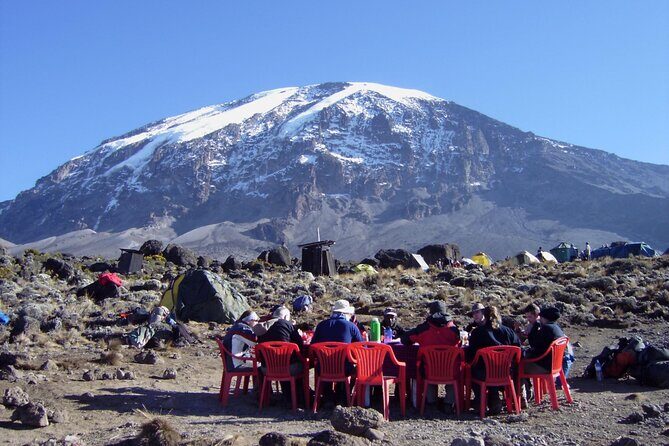
Your day begins from Arusha with a drive into Kilimanjaro National Park. You’re looking at about an hour to the entrance gate, and then you start walking toward Shira Cathedral. This opening day is your chance to settle into the rhythm without immediately jumping into the coldest, highest feel.
Along the way, you might spot black-and-white colobus monkeys watching you from the trees. It’s a good reminder that this climb happens inside a living system, not just on a barren rock. Over roughly 5 to 6 hours, you reach Machame Camp at about 3,010 m above the tree line, where the air feels noticeably different than lower elevations.
That “first shift” is important. You’ll likely feel warmer in the rainforest, then more exposed as you climb. The camp setup—private waterproof tents—helps you reset after the climb. And because meals are handled, you’re not stuck rationing energy while sorting out what’s next.
One practical thing: start relaxed. Day 1 is where people sometimes overpace, because the rainforest can fool you into thinking you’re not that high yet.
Day 2: heather ridges to Shira Hut Camp at 3,845 m
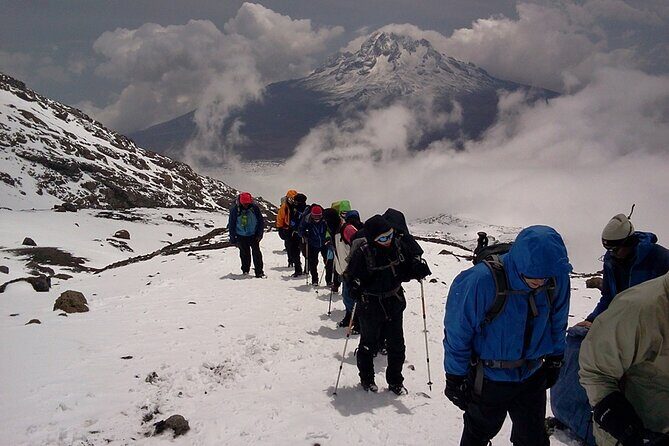
After breakfast, the route starts leaving the rainforest glades. You’ll walk an ascending path, cross a little valley, and then hit a steep rocky ridge covered with heather. It’s the kind of terrain where your legs work hard and your footing matters.
You’ll also pass through a river gorge area at around 3,658 m. This is another day where the “altitude + technical walking” combo shows up. It’s not just climbing for elevation; you’re also moving over rougher ground.
By the end, you reach Shira hut campsite at about 3,845 m. This is high enough that most people notice the difference in breathing. The good news is that your schedule gives you a proper camp night here rather than rushing onward immediately.
I like that the day is described clearly in time terms—around 5 to 7 hours—because it helps you judge pacing. You want steady movement, not sprinting to “finish the day.”
Day 3: Lava Tower approach, alpine desert vibes, Barranco Camp
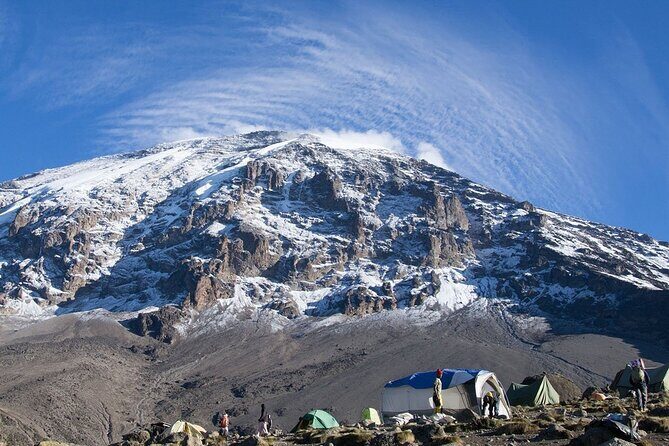
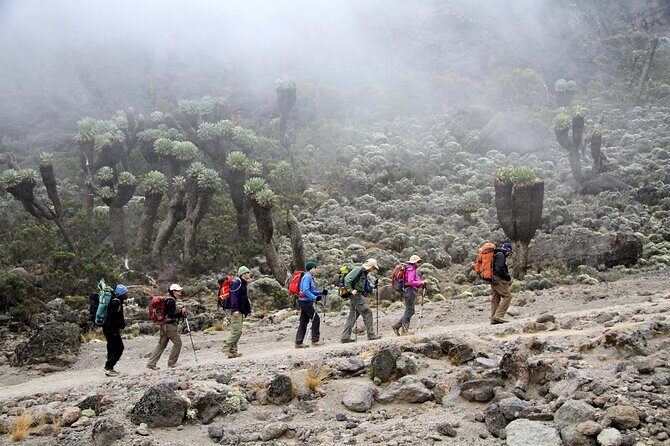
Day 3 is when Kilimanjaro starts to look less like rainforest and more like a high-altitude planet. You begin with an ascent above the Shira Plateau toward Lava Tower at around 4,640 m. Vegetation becomes more sporadic, and the terrain feels more exposed, with an alpine desert feel.
Then you move through Barranco Valley, where you’ll find lobelia and giant senecio plants. This part is visually striking because it mixes harsh terrain with life that’s adapted to it. It also gives you breaks in the monotony of stone and sky.
You’ll hike roughly 6 to 7 hours to Barranco Camp, which is often described as one of the most memorable camps on the mountain. And camp placement matters: being in a good spot where you can rest and look around after a tough day helps you keep your head straight for what’s next.
A few more Arusha tours and experiences worth a look
Day 4: Barranco Wall with guide help, then Barafu Camp
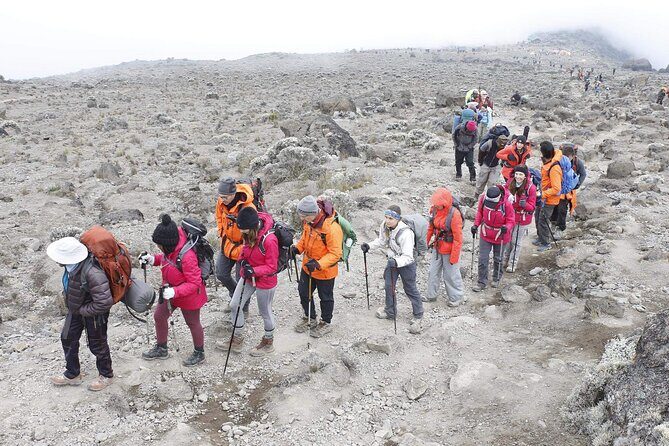
If Day 3 is about altitude shift, Day 4 is about effort. You climb the Barranco Wall, which takes steady handhold strength and careful foot placement. The good part: this is not a “figure it out alone” segment. Guides assist you where needed.
Leaving Barranco, you descend through the Karanga Valley for lunch. That lunch stop is more than food. It’s a moment to slow down, regain warmth, and check in with your body before continuing.
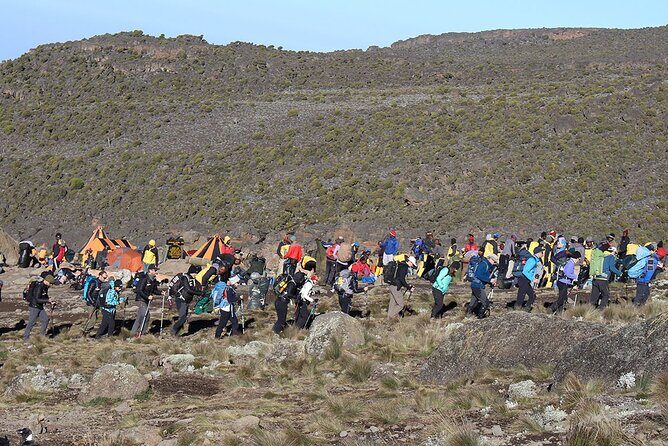
After lunch, you climb again for about 2 to 3 hours to Barafu Camp at around 4,640 m. Barafu is where you shift from trekking mode to summit-prep mode. At camp, you get a meal and then you go for an early night, because midnight starts change your whole sleep rhythm.
This is one of the most important days psychologically. If you can accept that you will likely feel tired, but you still have a plan, you’ll do better on summit night.
Day 5: midnight summit climb to Uhuru Peak and the long descent to Mweka
Summit night starts around midnight. You’ll have hot tea with light snacks before the climb begins. Then you’re ascending in the dark using a headlight. This is where preparation and pacing matter more than speed. Scree on Kibo can feel slippery and loud underfoot, so consistent steps and careful breathing help you conserve energy.
You reach Stella Point in about 5 to 7 hours. From there, you walk the crater ridge and finally reach Uhuru Peak at 5,895 m. The prize is the view—described as a 360° panorama over the surrounding area. It’s the kind of moment that makes the cold and exhaustion feel temporarily irrelevant.
After you’re done soaking it in, you descend along the same route back toward Barafu for a warm meal and rest. Then you continue down to Mweka hut campsite at about 3,080 m, which takes about 5 hours. That descent is a huge physical shift: from near summit conditions down into something closer to human-feeling terrain.
At Mweka Camp, you get your evening meal and then sleep with Kilimanjaro still fresh in your mind. Even if you didn’t love every second, finishing the summit day brings a special kind of relief.
Day 6: rainforest descent to Mweka Gate, plus the certificate moment
Your last day is a gentle descent through rainforest to Mweka Gate. That “gentle” word matters. After summit day and the long drop to Mweka, your body will welcome the softer pace.
Once you finish, the group gathers for congratulations, and you sign a guest book. You also receive a certificate. Then the driver picks you up and drives you back to your hotel.
This ending is not just ceremony. It helps you close the loop mentally. When you’ve been focused on the next step for days, having a clear finish point and recognition can make the entire experience feel complete rather than abrupt.
Guide and crew vibe: the part that keeps you moving
On Kilimanjaro, the guide matters. Not because they magically prevent altitude effects, but because they manage pace, morale, and safety when it gets hard.
In this tour style, guide Gasto shows up again and again in people’s memories—energetic, supportive, and encouraging during the bitter cold summit hours. His style also includes stories about Tanzanian culture and the Maasai, which adds context when you’re tired and tempted to just focus on the next 10 steps.
You’ll also hear how the team creates a sense of camaraderie—almost like one working family. That’s not a fluffy promise. On summit night, motivation can be the difference between pushing through the next hour or feeling defeated early.
Another practical plus: since this is a private tour/activity for your group, you’re not stuck hoping your pace matches strangers. The plan is designed for your group to climb together, with guides able to adjust support as needed.
Gear, fitness, and the small things that save big energy
This climb is described as suitable for travelers with a moderate physical fitness level. That doesn’t mean it’s easy. It means the route is built for people who can hike consistently and handle steep sections without needing extreme technical skills.
Since climbing gear isn’t included, you’ll want to sort your personal kit before you leave home. At minimum, plan for:
- Warm layers for cold summit conditions
- Gloves and a hat for windy, high-altitude chill
- Solid boots with grip for rocky, scree, and uneven footing
- A reliable headlight for summit night
Also, pace yourself like you mean it. Machame’s steep passages and higher altitudes mean you shouldn’t treat it like a mountain sprint. You’re climbing to an altitude that most people don’t live at. The right tempo keeps your heart rate steadier and reduces the chance you burn out too early.
Who should book this Machame climb?
This tour fits best if you:
- Want the classic Machame experience with a summit target at Uhuru Peak
- Like having meals, camp setup, and fees handled so you can focus on hiking
- Appreciate a strong guide-led morale approach, especially for summit night
- Prefer a private experience (only your group participates)
You might think twice if you:
- Know you struggle with steep, sustained climbing
- Don’t handle cold well and haven’t planned your clothing layers
- Expect a laid-back walk. This is not that.
Should you book Mountain Warriors for a 6-day Machame Kilimanjaro?
If you want a structured climb with support, good camp basics, and guides who actively encourage you through the hardest hours, this is a smart option. The value is especially strong when you compare what’s included: park and rescue fees, purified water, meals, private waterproof tents, and airport transfers.
The decision comes down to one question: can you handle a steep, high-altitude climb with a midnight summit start? If yes, you’re likely to love the route’s variety—rainforest, ridges, alpine desert, Barranco Wall, then the crater ridge drama—and the way the experience ends with a clear finish.
If not, you’ll probably feel stressed the whole way. And stress is the enemy on Kilimanjaro.
FAQ
How many days is the Kilimanjaro Machame Route hike?
It’s listed as 6 days (approx.).
Which part of Kilimanjaro does this route target?
This hike follows the Machame Route and includes a summit attempt to Uhuru Peak.
What time does the tour start?
The start time is 7:30 am.
Is pickup included?
Pickup is offered, and airport transfers are included as well.
What’s included in the price?
The package includes professional mountain guides, quality waterproof private tents, mess tents with table and chairs, purified drinking water, park fees and rescue fees, and all meals while on the mountain. Airport transfers are also included.
What is not included?
The tour does not include Tanzania visa, tips, or person climbing gear.
Is this tour private?
Yes. It’s described as a private tour/activity, and only your group participates.
What’s the cancellation policy?
Free cancellation is available up to 24 hours in advance for a full refund.