REVIEW · ARUSHA
6 Days – Best of Nothern Parks Safari
Book on Viator →Operated by Take Me To Tanzania Adventure & Safaris · Bookable on Viator
A safari that hits four parks in six days is a smart plan. This one runs a tight loop through Tarangire, the Serengeti, Ngorongoro Crater, and Lake Manyara, with early starts that put you where animals are active. I especially like the focus on great guiding and flexible timing, and I also like the small group size that keeps the days feeling personal rather than rushed.
One practical thing to flag: the vehicle isn’t listed as air-conditioned, so expect heat and dust to be part of the deal, especially on transfer days.
In This Review
- Key highlights worth marking on your map
- The route: four northern parks without the wasted days
- Price and what you actually get for the money
- Day 1: Arusha to Tarangire for elephants, baobabs, and a good first rhythm
- Day 2: Serengeti drive day, then the classic game-drive feeling
- Day 3: A full Serengeti day built around your preferences
- Day 4: Early wake-up sunrise, then the crater transfer to Ngorongoro
- Day 5: Descend 600 meters into the crater for the rhino and predator odds
- Day 6: Lake Manyara for birds, Rift Valley vibes, and possible tree-climbing lions
- Lodging and camping expectations: what to clarify before you go
- How the guiding changes the whole trip
- Practical tips so your safari day stays enjoyable
- Should you book Best of Northern Parks Safari?
- FAQ
- How long is the safari?
- Which parks are included?
- Do you offer pickup in Arusha?
- What’s included in the price?
- Is the vehicle air-conditioned?
- Is there a restroom on board?
- What is the cancellation timeline?
Key highlights worth marking on your map
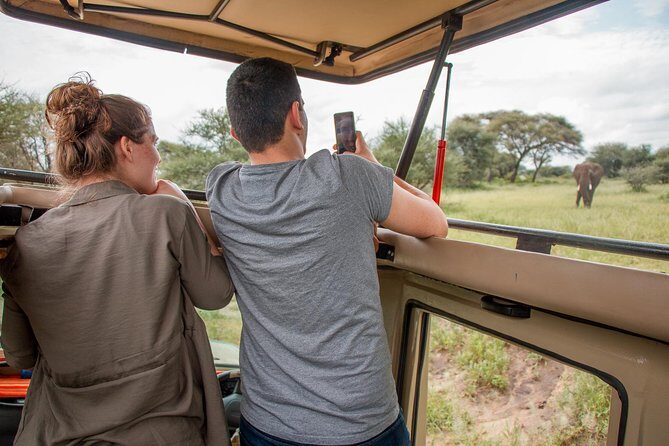
- Gifton-led organization: Guests describe him as hands-on, helpful, and responsive, including airport pickup.
- Small group size (max 6): You’re less likely to feel like a number on the move.
- Early drives for sunrise and rhino odds: The itinerary pushes you into the best light and animal activity windows.
- Serengeti flexibility on Day 3: You can choose between morning, afternoon, or a full-day format with picnic lunch.
- Ngorongoro crater concentration: Short descents, big views, and a real chance at rare sightings like black rhino.
- Lake Manyara birding and possible tree-climbing lions: You get a different Tanzania feel, plus a major bird list moment.
The route: four northern parks without the wasted days
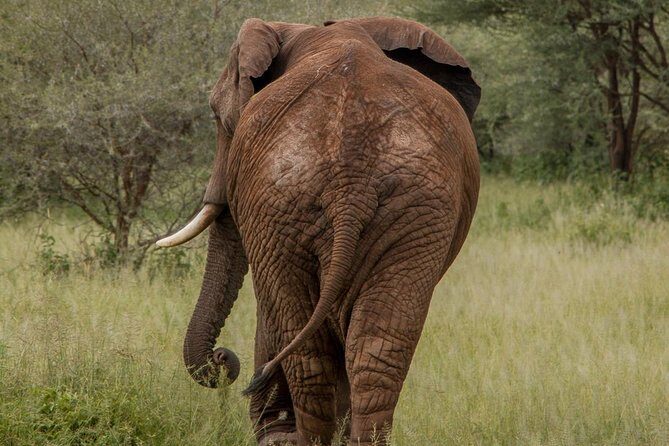
This safari makes a clear bet: you’ll see a lot of Tanzania’s signature wildlife zones without burning time hopping between far-flung corners of the country.
You start in and around Arusha, then move through a classic north circuit:
- Tarangire National Park
- Serengeti National Park
- Ngorongoro Crater (inside the Ngorongoro Conservation Area)
- Lake Manyara National Park
And then you’re back to Arusha at the end.
That order matters. It flows from Tarangire’s elephant-and-baobab country, into the Serengeti plains, and then into the crater’s contained “wildlife bowl.” Lake Manyara finishes things with Rift Valley scenery and birds—so the trip doesn’t feel like a repeat of the same habitat every day.
Group size is capped at 6 travelers, which helps your guide keep a closer eye on timing, sightings, and the kind of pace you want.
A few more Arusha tours and experiences worth a look
Price and what you actually get for the money
The listed price is $3,100 per person for an approx. 6-day safari, including private transportation, park-related fees and taxes, and accommodations as per the itinerary, plus breakfast each day (6 breakfasts total).
To me, the value here isn’t just the parks. It’s that the essentials are bundled:
- Private transportation (so you’re not tied to a packed bus schedule)
- All fees and taxes (so you’re not doing surprise add-ons mid-trip)
- Lodging arranged for you, based on availability
And on top of that, the guiding structure is built for wildlife viewing, with timing decisions discussed so you’re not showing up to the game drive at the wrong moment.
Two things to keep in mind while judging value:
- The tour is not listed as including an air-conditioned vehicle or a restroom on board. On long drives, that can matter.
- Accommodation is described generally as lodges depending on vacancies. That means the exact lodge style and level could vary, so treat the comfort expectations as “arranged for the itinerary,” not “five-star guaranteed.”
If you want a safari that’s already planned tightly and organized around sightings—not just transport—this setup can feel like good value for the scope.
Day 1: Arusha to Tarangire for elephants, baobabs, and a good first rhythm
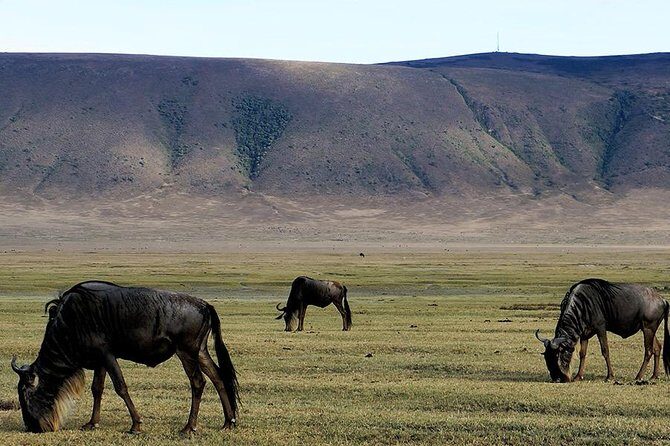
Your day starts with pickup from your Arusha hotel, followed by a drive to Tarangire National Park.
Tarangire is a standout for two big reasons:
1) Baobab trees that look like living sculptures, and
2) Elephants and other animals drawn toward water sources in drier months.
The itinerary specifically highlights that Tarangire can hold up to 300 elephants in the right conditions, moving through sparse vegetation and searching dry riverbeds for underground water. You also have a shot at migratory wildebeest, zebra, and buffalo gathering around shrinking lagoons.
Lunch is more than “fuel.” The plan includes a lunch area with an observatory-style spot, meant to give you views over the river and wildlife while you eat. If you’re lucky, it can also coincide with a hunting moment—something you may not predict, but it’s exactly the kind of thing good timing and location set you up for.
After lunch and a viewing break, you’ll still do a game drive before continuing to your accommodation.
What you’ll feel on Day 1: the trip’s pace finding its footing—plenty of wildlife time, but without trying to cram everything into one exhausting push.
Day 2: Serengeti drive day, then the classic game-drive feeling
Today you drive to Serengeti National Park, one of Africa’s most famous wildlife stages.
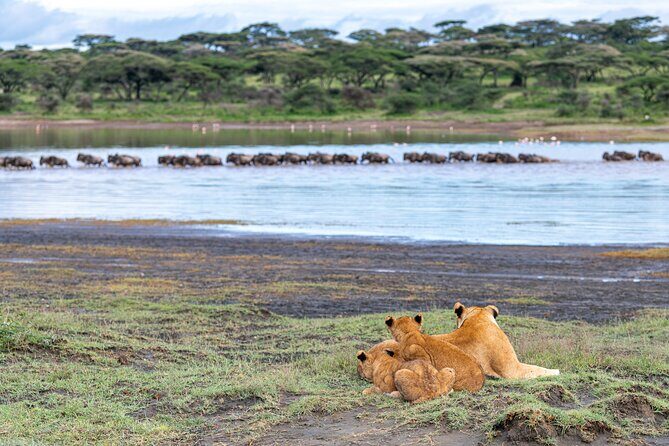
This isn’t just a checklist stop. The plan points to Serengeti’s ability to deliver the Great Migration spectacle of wildebeest and zebra, plus the full predator cast—lions, cheetahs, leopards, and other hunters.
Even if you’re not there at a peak migration moment, Serengeti still works because the ecosystem supports year-round action. What changes is how the animals distribute across the plains, and that’s where a skilled guide’s daily timing calls become important.
Day 2 is essentially your transition into that environment. Expect the feeling of scale: open space, long sightlines, and animals that can be spread out farther than in smaller parks.
Day 3: A full Serengeti day built around your preferences
This is the day I like most on the page, because it gives you room to choose how you want to experience Serengeti instead of forcing one set schedule.
The itinerary is described as flexible, organized around what you want and guided by the best timings for animals. Your guide will discuss:
- when to wake up
- when to do game drives
- how to structure breaks
You can choose something like a morning drive, return for lunch and downtime, then go out again in the afternoon. Or you can go for a full day game drive with picnic lunch.
From a practical standpoint, that flexibility matters because Serengeti can go two ways depending on your priorities:
- If you want max sightings with minimal waiting, you may prefer the longer day.
- If you want better rest, you may prefer the split-drive style with a proper reset in the middle.
Either way, the point is that you’re not stuck with a rigid plan when the animal situation shifts during the day. That’s especially useful in a place where visibility and animal movement can change fast.
A few more Arusha tours and experiences worth a look




Day 4: Early wake-up sunrise, then the crater transfer to Ngorongoro
Day 4 is a strong “why this itinerary works” day. It starts with an early wake-up call to catch an early morning game drive—when animals are typically more active and the light is excellent.
The plan also calls out sunrise as a highlight. If you like that moment when the plains wake up slowly and you’re seeing animals with cooler air and sharper visibility, you’ll understand why this part gets emphasized.
After the morning drive, you return for brunch and then proceed toward Ngorongoro Crater.
Ngorongoro is described as the 8th wonder of the natural world, with UNESCO World Heritage status. The crater’s size and shape are a big part of the “wow,” too: it’s said to spread across about 102 square miles, with very high walls around it—so the crater functions like a natural wildlife bowl.
The itinerary also frames Ngorongoro as a “Noah’s ark” setting with heavy wildlife concentration, and it specifically notes a rare target: black rhino. That means your day isn’t only about general viewing; it’s about aiming for the kind of sight that most safari wish lists include.
Possible drawback to plan around: it’s a long day. You’ll be up early, you’ll drive after brunch, and you’ll be changing environments. If you’re someone who hates early starts, this is the day you’ll feel it most.
Day 5: Descend 600 meters into the crater for the rhino and predator odds
Today you go deeper into what makes Ngorongoro special.
The itinerary sets up a morning to descend the crater’s walls (not a small descent—about 600 meters in the plan) to reach the floor where wildlife concentrates. This is where you get “up close” viewing of the crater’s ecosystems.
The plan stresses the UNESCO status and highlights it as one of the most beautiful and unique places in Africa. It also repeats the main wildlife goal: you might be lucky enough to see the endangered rhino, including black rhino.
To be clear, rhino sightings depend on conditions. But what you’re buying with a plan like this is time where the odds are best—because Ngorongoro’s walls hold the wildlife close compared with open ecosystems.
From a comfort perspective, the crater day can be demanding but rewarding. You’ll likely spend more time scanning and reacting to what’s happening nearby, rather than constantly repositioning across long distances.
Day 6: Lake Manyara for birds, Rift Valley vibes, and possible tree-climbing lions
Your final day shifts the mood from crater intensity to Lake Manyara National Park in the Great Rift Valley.
The itinerary lists a few key attractions:
- tree-climbing lions (a famous story of this park)
- a soda-ash lake setting
- and a major birding focus
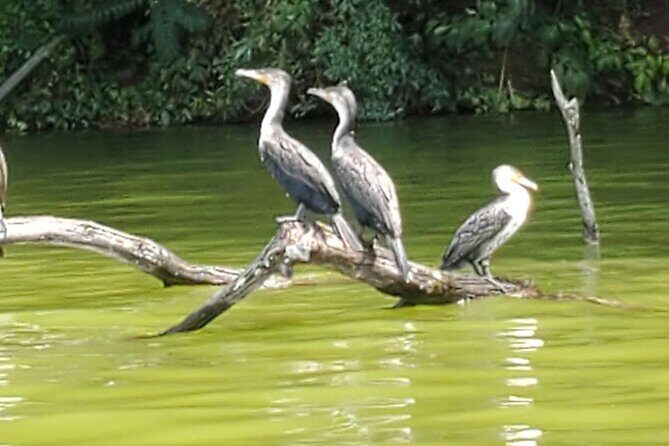
Lake Manyara is presented as a great introduction to Tanzania’s birdlife, with flamingos and lots of water birds. The plan states that the lake shores can attract more than 400 species of birds, including migrants.
And that’s the nice part about ending here: even if predators aren’t putting on a show, birds can keep the day full. Plus, the park environment feels different from the plains and crater, so the trip doesn’t end with the same viewing style you’ve done for multiple days.
After your game viewing, you drive back to Arusha to end the service.
Lodging and camping expectations: what to clarify before you go
The description refers to a camping safari, but the service details say accommodations are arranged depending on vacancies in lodges.
So here’s my practical take: don’t assume your room style until you confirm it. Ask what kind of lodging you’ll get each night—lodge rooms, tented camps, or a mix. The itinerary indicates multiple park-based stays, which often means you’ll be closer to the action than you would with a daily commute.
Also note the included meals: breakfast is included each day, but lunch and dinner aren’t mentioned as included in the details you provided. On safari days, those meals can be simple, but what matters is that the game-drive rhythm stays protected.
How the guiding changes the whole trip
This safari is built around the idea that good guiding is not just spotting animals—it’s controlling the day.
Your guide discusses best timings and wake-up time every day, and the itinerary explicitly calls out that Day 3 is designed around your preferences. That means the guide isn’t just driving; they’re managing your time against animal behavior.
The reviews you shared also point strongly to the human side of the planning. Gifton is named as the organizer who made himself available during the preparation, worked within a budget, and handled airport pickup. In the field, he’s described as helpful and fun, and people connect that attitude to how smooth the day-to-day feels.
That matters because safari days run on small decisions:
- which area to scan first
- when to pause and when to move
- how to avoid wasting peak animal hours
When those decisions are handled well, the whole trip feels calmer, even if the driving is long.
Practical tips so your safari day stays enjoyable
A few things that make a real difference on a route like this.
- Bring sun protection and light layers. Early mornings are cooler, but later drives can get hot quickly.
- Pack for dust. Safari roads can kick up grit, especially during transfer days.
- Expect long sitting time. Even without air-conditioning, you’ll be more comfortable with a reusable water bottle and simple snacks.
- Plan for wildlife viewing to be unpredictable. That’s why the itinerary has multiple drives across different parks—your best odds come from repetition in the right habitats.
- If you have binoculars or a camera lens, bring them. Many of these parks reward scanning and quick framing.
If you want the best experience, treat this as an active trip. The value isn’t only in where you go—it’s in getting good time in each place.
Should you book Best of Northern Parks Safari?
Book it if you want a structured, wildlife-focused route that covers Tarangire + Serengeti + Ngorongoro + Lake Manyara in about six days, with a plan that prioritizes early game drives and a flexible Serengeti day.
Don’t book it if your top priority is comfort on long drives, since the vehicle isn’t listed as air-conditioned and restroom access on board isn’t included. Also, if you hate very early mornings, Day 4 (sunrise) and Day 5 (crater descent timing) will test your patience.
My final take: this is a strong choice for people who like clear planning, want the famous northern circuit, and care about having a guide who handles the details. If that sounds like you, you’re likely to leave with the feeling of having done Tanzania the smart way.
FAQ
How long is the safari?
It runs for approximately 6 days.
Which parks are included?
You’ll visit Tarangire National Park, Serengeti National Park, Ngorongoro Crater, and Lake Manyara National Park.
Do you offer pickup in Arusha?
Yes, pickup is offered from your Arusha hotel at the start of the safari, and airport pickup is referenced in the reviews.
What’s included in the price?
Private transportation, all fees and taxes, accommodations as per the itinerary, and breakfast for 6 days are included.
Is the vehicle air-conditioned?
No. Air-conditioned vehicle service is listed as not included.
Is there a restroom on board?
No. Restroom on board is listed as not included.
What is the cancellation timeline?
You can cancel up to 24 hours in advance for a full refund; within 24 hours, you won’t receive a refund.