REVIEW · ARUSHA
6 Day Serengeti wildebeest migration Camping Safari
Book on Viator →Operated by Serengeti African Tours · Bookable on Viator
A safari that mixes migration drama and crater surprises.
This 6-day Serengeti wildebeest migration camping safari takes you across four northern parks, with big wildlife days and real camp nights. You also get a human side of Tanzania through Maasai-led time at Ngare Sero, not just driving around searching for animals.
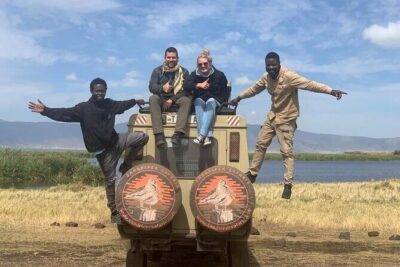
I especially like the way the route balances classic wildlife with variety: Tarangire for elephants, then the Serengeti for migration timing, then Ngorongoro for dense wildlife. I also appreciate the small-group setup (max 6) plus a full team on the road, including an English-speaking guide and an English-speaking safari cook.
One thing to weigh before you book: this is active, and camping means you should expect early starts, long drives, and less comfort than lodge life. If you hate rough roads or sleeping outdoors, you’ll feel it more here than on a softer itinerary.
In This Review
- Key Highlights You’ll Actually Care About
- How This 6-Day Route Fits Four Parks Without Wasting Your Days
- Tarangire National Park: Elephants by the River and Baobabs for Drama
- Lake Manyara and Ngare Sero: Rift Valley Drive, Flamingo Glows, and a Maasai Waterfall Walk
- Serengeti Day 3: Leaving the Rift Valley for the Endless Plains (and the Migration Clock)
- Serengeti Day 4: Full-Day Drives Around Seronera and Predators on a Follow Route
- Ngorongoro Crater Day 5: Camp on the Rim, Then a Big Wildlife Count in One Bowl
- Inside Ngorongoro at Daybreak Day 6: Rhinos, Gazelles, Wild Dogs, and 500+ Birds
- Camping Safari Comfort: What’s Included, What to Expect, and How to Pack Smart
- Price and Value at $15,000: Why It Costs This Much and Where You Can Feel the Savings
- Who This Safari Fits Best (and Who Might Want a Different Style)
- Should You Book the 6-Day Serengeti Migration Camping Safari?
- FAQ
- What parks are included in this 6-day safari?
- Is this safari camping or staying in lodges?
- What’s included in the price besides transportation?
- What is not included?
- How large is the group?
- Is free cancellation available?
- What time does the experience start?
Key Highlights You’ll Actually Care About
- Four parks, one tight circuit: Tarangire, Lake Manyara area, Serengeti, then Ngorongoro Crater.
- Migration depends on rain and timing: your Serengeti game drives are scheduled to follow where herds are moving.
- Serengeti + predators logic: you spend a full day hunting the herds’ pace because predators often follow.
- Ngorongoro from the edge to the floor: one night on the crater rim, then an early descent day.
- Camping is included with real camp gear: tents, sleeping mats, chairs, and tables, plus meals and mineral water.
- Named guides show up in the experience: Godfrey (also written as Gody), David, Monika, and Calvin are linked to strong guide moments in past trips.
How This 6-Day Route Fits Four Parks Without Wasting Your Days
This itinerary makes sense if you want maximum wildlife variety in a short time. You’re not just bouncing between parks; you’re also changing environments. Tarangire is river-driven and elephant-heavy. Lake Manyara’s area adds Rift Valley scenery and a cultural pause. Then Serengeti shifts you into the migration story, and Ngorongoro becomes the high-density finale.
The value angle is that many big expenses are already baked into the package. You’re not paying separately for park access, and you’re not doing a split arrangement where you handle meals and logistics alone. With 4×4 transportation, an English-speaking guide, and a cook, you spend your energy on wildlife and timing, not on “what’s next?”
The small-group cap (up to 6) also matters. Fewer people usually means the guide can adjust the pace when sightings happen, and you’re less likely to feel like you’re stuck in a bus line. It’s not a private safari, but it’s also not a crowd.
A few more Arusha tours and experiences worth a look



Tarangire National Park: Elephants by the River and Baobabs for Drama
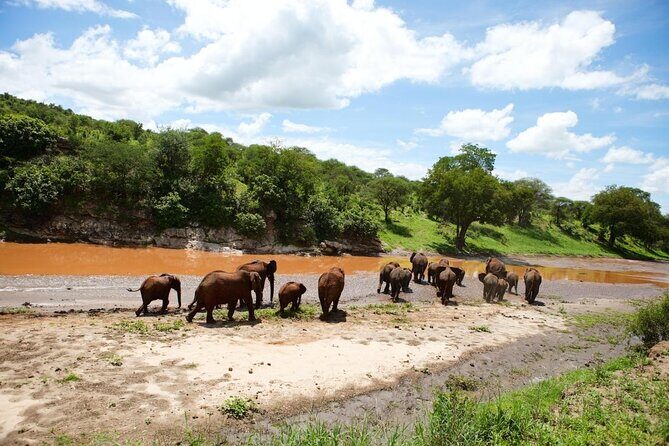
Day 1 starts with Tarangire National Park, a place built around the Tarangire River. When water concentrates, animals concentrate. That’s why this park is such a strong opener for a camping safari: it’s often easier to find mammals when the river is doing its job.
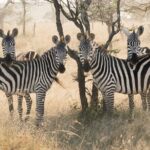
You’ll be on safari vehicle drives through savannah with baobab trees, seasonal swamps, and lagoons. The star attraction here is elephants. The itinerary notes huge herds gathering at the life-giving river, and that same river focus should bring you a mix of other herbivores too, including giraffes, bushbucks, hartebeests, gerenuk, and fringe-eared oryx. You can also expect zebras and wildebeests in the mix, plus buffaloes.
For predators, it’s a steady possibility rather than a promise. The park can have lions following prey, and leopards are seen sometimes. The itinerary also calls out that cheetahs are rarely spotted. That’s not a downside if you understand the rhythm: Tarangire is a strong “bigger animals first” park.
A practical consideration: open-roof viewing is mentioned for the safari vehicle on this day. That’s great for sightlines and photos, but you’ll feel the dust and sun more. Bring eye protection and plan for the day to run hot, especially if you’re sensitive to heat.
Lake Manyara and Ngare Sero: Rift Valley Drive, Flamingo Glows, and a Maasai Waterfall Walk
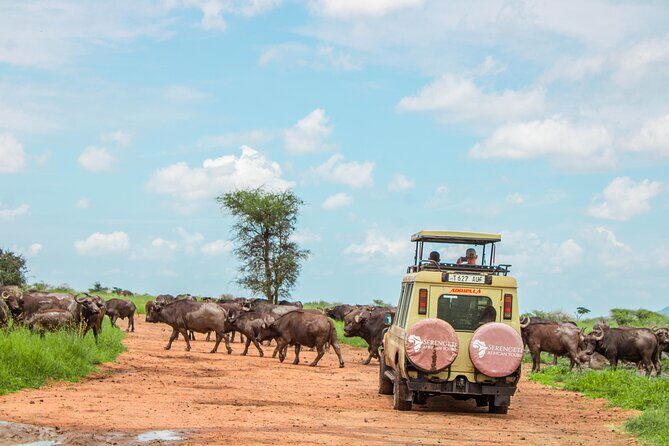
Day 2 moves you from Tarangire toward the Lake Manyara area, with a stop in Mto wa Mbu. From there, you travel along the Rift Valley Escarpment on a gravel road that’s described as very bumpy. This is one of those days where the road conditions are part of the experience. If your body doesn’t love jolts, plan ahead.
In the distance you may see Ol Doinyo Lengai, called the holy mountain of the Maasai. The itinerary frames it as a visual anchor while you’re traveling along that Rift Valley corridor.
The most memorable natural bonus here is the mention of a pink glow from thousands of flamingos breeding and feeding on algae of alkaline Lake Natron. Even if you don’t spend long there, the point is that this region can deliver big-color wildlife moments, not just “more animals.”
Afternoon time includes an experience with a Maasai guide in Ngare Sero, described as an oasis in the hot and dusty Rift Valley. You’ll do a walk to a nearby waterfall and then return to camp for the night.
What I like about this day is that it adds texture. You get both nature and human-led movement, instead of treating the trip as pure driving. The drawback is simple: it’s still a day of transfers on rougher roads, so it’s not the best choice if you want everything smooth and easy.
Serengeti Day 3: Leaving the Rift Valley for the Endless Plains (and the Migration Clock)
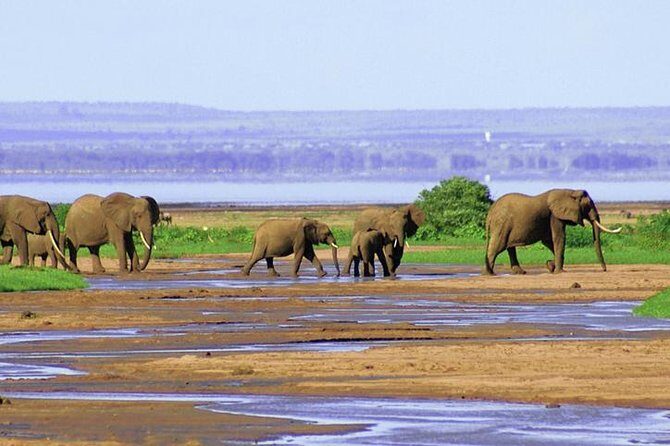
Day 3 is your first major entry into Serengeti National Park, with an early start and driving along dirt tracks that climb out of the Rift Valley. By midday, you reach the grassy plains—the itinerary notes Serengeti means endless plains in Maasai language.
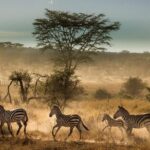
This is also where the safari turns from “see animals” into “track a moving story.” The migration is the headline, described as the largest migration on Earth, with hundreds of thousands trekking for fresh grass and water. The key thing to understand is that migration timing is not fixed like a theme-park show. Your guide’s job is to position you where the herds are likely to be.
The itinerary spells out how rainfall changes the direction:
- During a short rainy season (around November and December), herds move from northern hills to southern plains.
- During a longer rainy season (April to June), they return up north.
That’s why you don’t just rely on a map. You rely on the guide’s ability to read the season and put your vehicle in the right zone. This is one of the big reasons a guided safari costs what it does: the “where should we be right now” decisions are the product.
A possible snag: the animals you most want to see may be present, or they may be slightly out of reach depending on the year’s rainfall pattern. The itinerary does promise that the guide will know where to find animals best, but it still can’t override nature’s schedule.
Serengeti Day 4: Full-Day Drives Around Seronera and Predators on a Follow Route
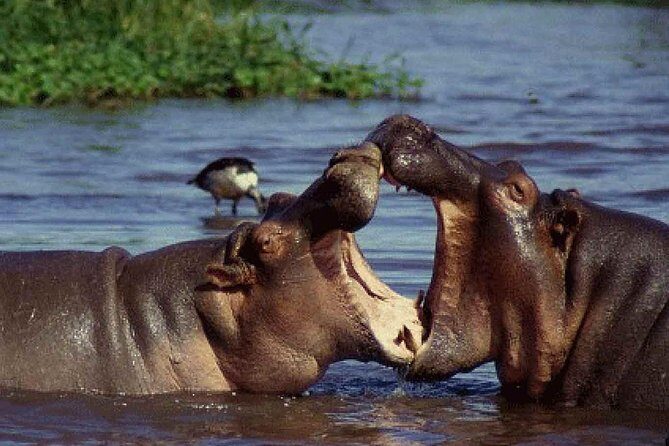
Day 4 is built around a whole day game drive in the Serengeti, with the areas you visit depending on where the migrating herds are. The logic is straightforward and effective: predators often move in behind trekking animals because food follows movement.
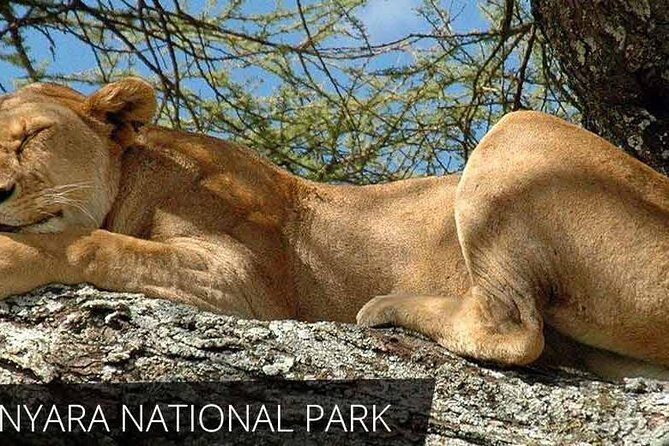
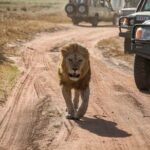
Because you’re spending the full day, you’re not stuck doing a quick loop and then hoping for a miracle. You’ll have time to adjust. The itinerary notes you might spot wildebeests and zebras as a base, then predators such as lions, leopards, and cheetahs.
You’ll overnight at a campsite in the Seronera area. That matters because it reduces travel time, letting you focus on driving hours that lead to sightings instead of transport hours that don’t.
This day’s drawback is also practical: you’ll be in the vehicle for long stretches. The good news is that this is where the migration payoff happens. If you’re expecting a “short look” Serengeti day, you might be disappointed. If you’re okay with long drives for better odds, this is the day that delivers.
A few more Arusha tours and experiences worth a look

Ngorongoro Crater Day 5: Camp on the Rim, Then a Big Wildlife Count in One Bowl
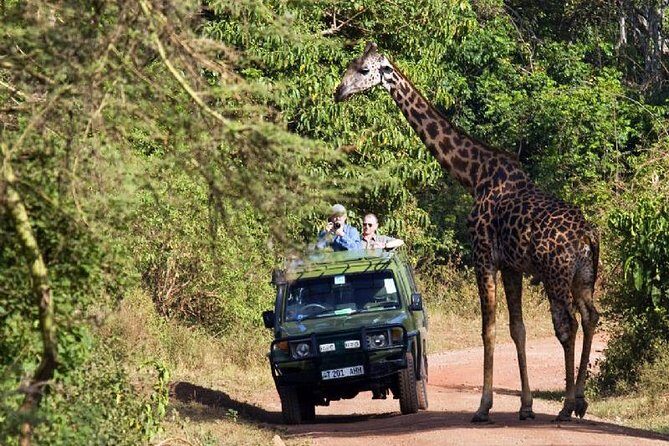
After breakfast on Day 5, you head back into the wildlife rhythm with another drive in the Serengeti, before moving to Ngorongoro Crater. The itinerary frames today as a potential Big Five day, noting you might see all five members: lion, elephant, buffalo, rhino, and leopard.
After lunch at a picnic site, you drive toward the crater edge. The description here is vivid in the best way: when you reach the rim, you see the caldera opened up before you. The crater is described as about 20 km wide, and the itinerary notes over 25,000 animals live there.
Then you get what many safaris don’t offer: you sleep right on the crater’s edge. The campsite is described as directly on the edge, with fantastic views over the caldera. That means your day doesn’t end when the driving ends; you get a change-of-light moment as well.
What to consider: staying on the rim is stunning, but it also keeps you close to crater conditions, which can feel different than the plains. Bring layers even if the day starts warm.
Inside Ngorongoro at Daybreak Day 6: Rhinos, Gazelles, Wild Dogs, and 500+ Birds
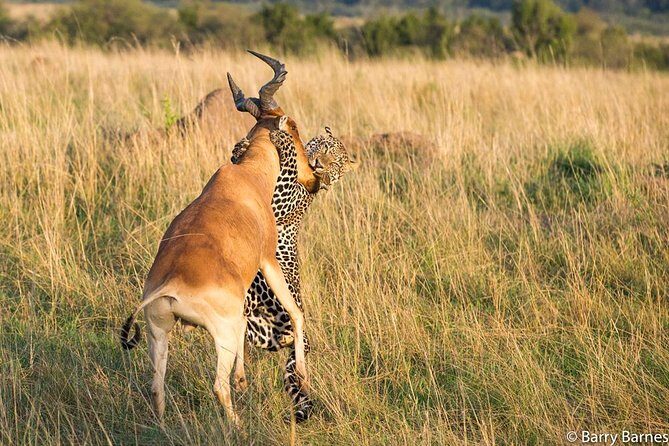
Day 6 starts early with breakfast and then a drive down into the crater. The itinerary calls this the world’s largest caldera and emphasizes the wildlife density.
Inside, you could see black rhinos, Grant’s and Thomson’s gazelles, lions and leopards, elephants, and mountain reedbucks in the forested slopes. It also notes chances of buffaloes, spotted hyenas, and rare wild dogs. For bird lovers, the crater is listed as having more than 500 bird species.
After an intensive game drive, you’ll have a picnic lunch, then leave the crater in the afternoon and travel back to Arusha, arriving early evening.
This final day is the payoff for the whole trip. Tarangire gives you elephants and variety. Serengeti gives you the migration frame. Ngorongoro compresses it into a tight, high-density viewing format, where a single drive can produce multiple “how is this even real” moments.
Camping Safari Comfort: What’s Included, What to Expect, and How to Pack Smart
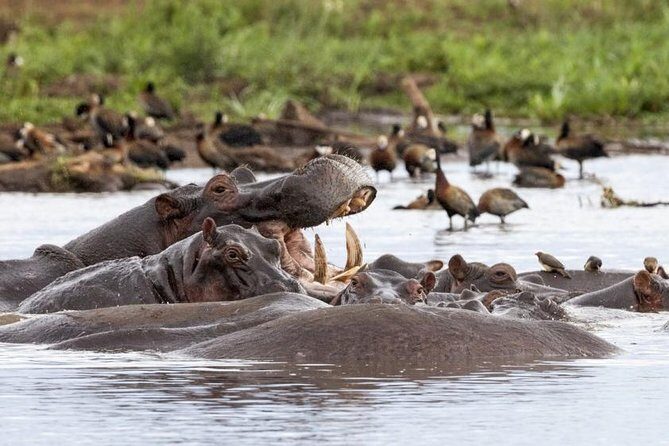
The package is clearly built as a true camping safari. You’ll stay in safari tents, and you also get camping equipment like tents, sleeping mats, chairs, and tables. That matters because “camping” can mean anything from a basic ground setup to a more livable camp. Here, the inclusion of camp gear suggests you’re not left to improvise.
Meals are also included according to the itinerary, with breakfast and lunch as listed and four dinners plus mineral water. You’ll have a professional English-speaking safari cook, which is often the difference between camping that feels doable and camping that feels miserable.
What I recommend you think about before you go:
- Bring a small headlamp or flashlight, because game drives can end and start in low light.
- Pack for temperature swings. Even in Tanzania, mornings in higher areas can feel cooler than you expect.
- If you get motion sickness easily, consider what usually helps you on bumpy roads. Day 2 mentions a very bumpy gravel road, and that’s the sort of detail that can make or break your comfort.
Also note that national park fees are included, which reduces surprise costs.
Price and Value at $15,000: Why It Costs This Much and Where You Can Feel the Savings
At $15,000 per person for a 6-day safari, this is not a budget trip. But the price isn’t just “getting into a park.” It’s also a full service operation: transportation in a 4×4, an English-speaking guide, an English-speaking cook, camping gear, meals, and park fees.
So where does the value show up?
- You’re paying for guiding and positioning, especially for the migration timing in Serengeti.
- You’re paying for logistics, which means you’re not coordinating camp, meals, and park entry daily.
- You’re paying for coverage, because the itinerary includes Tarangire, Lake Manyara area, Serengeti, and Ngorongoro.
What’s not included is also important. Flights, visa fees, tips, and personal spending are listed as not included. You’ll want to plan for tipping and souvenirs because that’s where many people get caught short.
Who feels the value most strongly? People who want a guided, multi-park wildlife route and who are okay with camping instead of paying for lodge upgrades. If you want five-star rooms and constant comfort, this price may still feel high. If you want the real safari package with camp nights and dense wildlife viewing, the cost starts to make more sense.
Who This Safari Fits Best (and Who Might Want a Different Style)
This is a good fit for you if you:
- Want Serengeti migration timing as the core theme.
- Like wildlife drives but can handle long days in a safari vehicle.
- Are comfortable camping and appreciate that meals and gear are included.
- Prefer a small group (max 6) for a more flexible experience.
It may be a worse match if you:
- Hate bumpy roads and motion discomfort. One day specifically mentions a very bumpy gravel road.
- Want a slow pace and lots of downtime. This itinerary is about parks and game drives, not rest days.
If you’re the type who nerds out over animal details, this tour can reward that energy. Past guide experiences linked to this operator include names like Godfrey (also written as Gody), David and Monika, and Calvin, with mentions of teaching and even bird identification support.
Should You Book the 6-Day Serengeti Migration Camping Safari?
Book it if you want a real northern circuit safari with Serengeti migration positioning and a Ngorongoro crater finale that’s hard to beat. The structure is practical: river-focused elephants first, then the migration story, then the crater’s packed wildlife density. Camping is included with gear and meals, so you’re not booking a “rough it” plan with hidden costs.
Skip it or consider an alternative if you’re extremely sensitive to rough roads or you expect lodge-level comfort every night. This is also a migration-based itinerary, so while the guide can place you well, nature still decides the exact sightings.
If you choose to go, do it with one mindset: you’re here for wildlife and timing, not for a perfectly smooth itinerary. When you match expectations to the format, this safari delivers.
FAQ
What parks are included in this 6-day safari?
You’ll visit Tarangire National Park, the Lake Manyara area (including Mto wa Mbu and Ngare Sero), Serengeti National Park, and Ngorongoro Crater.
Is this safari camping or staying in lodges?
This is a camping safari. You’ll sleep in safari tents, and the tour includes camping equipment such as tents, sleeping mats, chairs, and tables.
What’s included in the price besides transportation?
Meals are included according to the itinerary, along with mineral water, a professional English-speaking guide, an English-speaking safari cook, 4×4 safari transportation, all national park fees, and the listed activities.
What is not included?
Not included are flights, optional activities, visa fees, tips, and personal spending money for souvenirs.
How large is the group?
The tour has a maximum of 6 travelers.
Is free cancellation available?
Yes. You can cancel up to 24 hours in advance for a full refund. If you cancel less than 24 hours before the start time, the amount paid will not be refunded.
What time does the experience start?
The schedule lists a start time of 12:00 am. Confirm your exact pickup time after booking.