REVIEW · ARUSHA
4 Days Tanzania Camping Safari
Book on Viator →Operated by Nyange Adventures. · Bookable on Viator
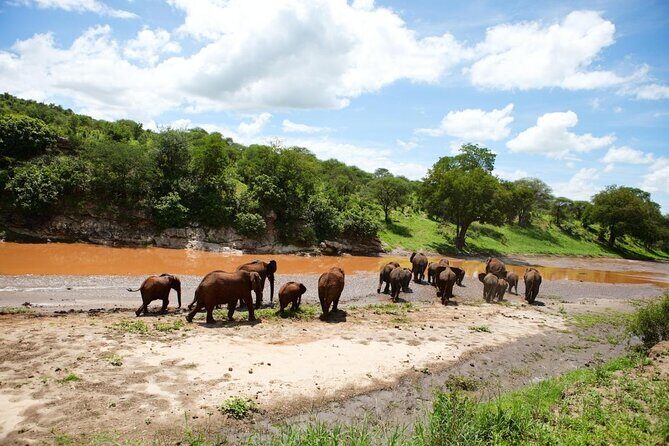
A dry riverbed full of elephants is a great opener. This 4-day private camping safari from Arusha strings together Tarangire, Serengeti, and Ngorongoro with a pro guide and a plan that keeps your game drives focused. I especially like that the price covers park fees, meals, and accommodation, so you’re not stuck doing math mid-trip. I also like the added safari tools, like a birds and animal field guide plus a binocular set.
The main drawback to consider is comfort. Camping means simpler facilities, and in one review a traveler noted they couldn’t get a hot shower during the trip, even though showers are typically available at camps.
In This Review
- Key highlights you’ll care about
- How the Arusha starting point shapes a smarter safari
- Tarangire National Park: baobabs, elephants, and dry-season magic
- Serengeti National Park: the migration story and the predator search
- Ngorongoro Conservation Area: crater views and a morning that sets the tone
- What’s included on this camping safari (and what it means for your day)
- Price and value: is $1,479.49 per person fair?
- Staff quality: why guides like Roger and Rashid matter in the field
- Who this safari suits best (and who should consider lodge options)
- Should you book this 4-day Tanzania camping safari?
- FAQ
- What parks are included on this 4-day safari?
- Is this tour private or shared?
- What’s included in the price?
- What’s not included?
- Is there a vegetarian meal option?
- Can I cancel for a refund?
Key highlights you’ll care about
- Three top parks in four days: Tarangire, Serengeti, then Ngorongoro Conservation Area.
- Private safari feel: only your group participates, with hotel pickup and drop-off in Arusha.
- Game-drive optimized timing: morning hunting/spotting sessions and crater views before dinner.
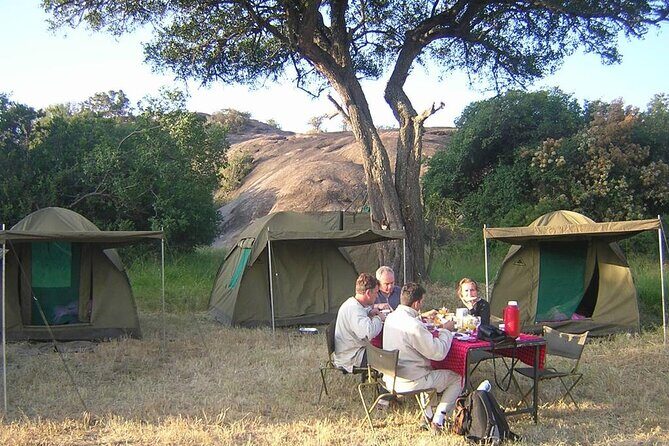
- Camping basecamps: nights at Pimbi Campsite and Simba campsite.
- Spotting support included: guide + field guide book + binoculars, plus a 4×4 with pop-up roof.
- Money clarity: national park fees, meals, and lodging are included in the itinerary price.
How the Arusha starting point shapes a smarter safari
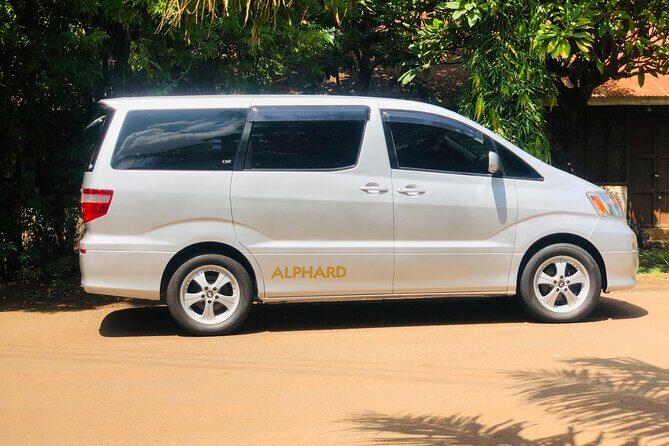
Arusha is a practical hub. You start with hotel pickup (the tour lists Four Points Arusha Sheraton as an example pickup point), then you’re on the road with a 4×4 that has a pop-up roof for better viewing. That matters because in savanna parks, animals are often just a bit too far away for casual spotting from inside a normal vehicle.
This also helps you avoid a common safari mistake: wasting hours. With a route built around three major areas in a short window, you’ll spend your time driving between parks and sitting for longer periods in prime viewing hours. The itinerary is set up with real time blocks too, like 5 hours in Tarangire on Day 1 and around 7 hours for the big days in Serengeti and Ngorongoro.
One more point: this is listed as private, so you’re not sharing the vehicle with strangers. Reviews repeatedly mention guides who drove and tracked hard to keep sightings coming, which is easier when your group has consistent sighting priorities.
A few more Arusha tours and experiences worth a look
Tarangire National Park: baobabs, elephants, and dry-season magic
Tarangire is one of those places that feels instantly different from the Serengeti plains. The park is famous for its baobab trees and for big elephant numbers, especially in the dry season when animals concentrate around water sources.
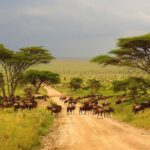
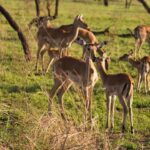
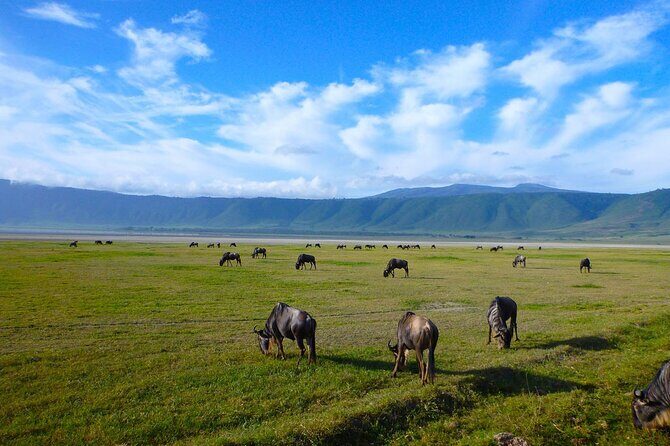
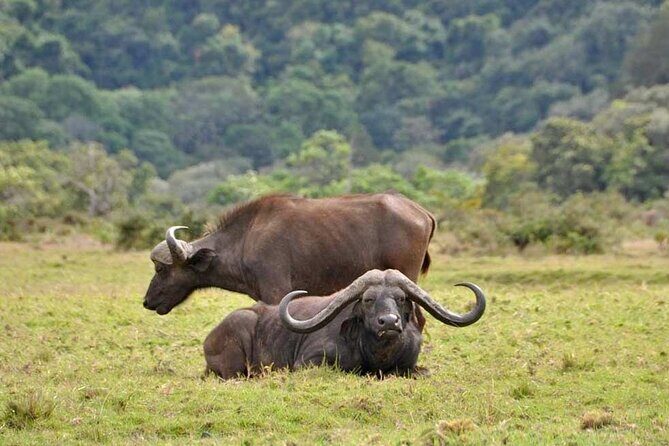
On Day 1, you drive to Tarangire and then go out for an afternoon game drive. The itinerary description calls out a key Tarangire scene: elephants moving through sparse vegetation and dry riverbeds, looking for underground streams. It also highlights the chance to see up to 300 elephants, plus wildebeest, zebra, and buffalo congregating around shrinking lagoons.
Why I think this stop is valuable for you: Tarangire gives you a “different Tanzania” view on the first day. You’re not going straight to the most famous park and calling it a day. Instead, you start with a park that’s visually distinct—baobabs that look like sculpted giants and wildlife that uses the terrain in an obvious, almost choreographed way.
What to watch for practically:
- Bring sunscreen and a hat. Tarangire’s vegetation can feel open and bright.
- Your best animal action can happen near water pockets, so stay patient during drives when the scenery looks quiet.
Also, since this is a camping safari, plan to treat Day 1 as a day for building rhythm: get comfortable with the timing of meals, game drives, and packing/unpacking.
Serengeti National Park: the migration story and the predator search
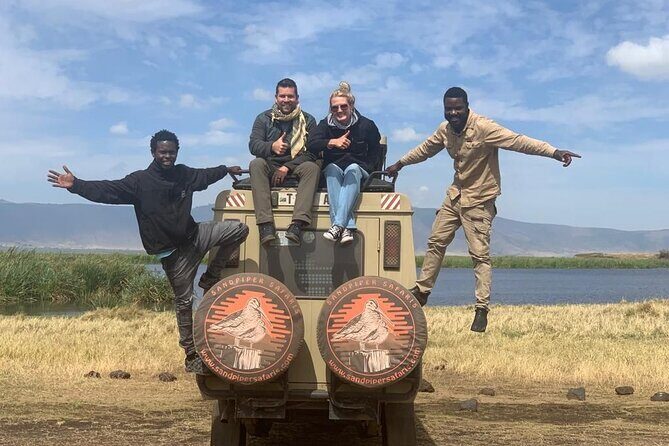
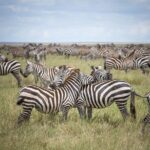
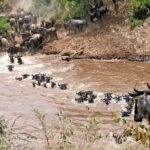
Serengeti is the headline. You’ll drive to one of Africa’s best-known parks on Day 2, and the tour frames it around the great migration of wildebeest and zebra. Even if migration timing varies, the Serengeti plains still deliver that open-horizon feeling that makes wildlife spotting feel like a sport.
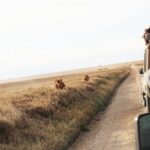
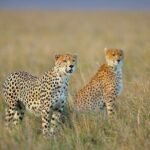
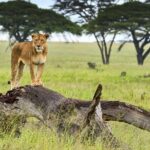
The itinerary flags a broad mix of animals beyond the migration: lions, cheetahs, leopards, and other predators. The day’s emphasis is a classic Serengeti pattern: long viewing hours and a guide who knows how to “work” the park—positioning the vehicle, scanning ahead, and reacting fast when a sighting pops up.
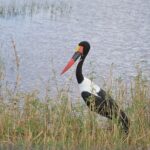
In reviews, a repeated theme is that the guiding makes a difference. People specifically credit guides for spotting animals from farther away and steering you toward good action. Names that came up include Roger, Rashid, Francis, Alan, Musa, Ronald, and Jonny—all of them described as caring, attentive, and good at finding animals. One review also called out strong English and bird-spotting skills, which is a nice bonus if you enjoy wildlife that’s not just the Big Cats.
Practical drawback to keep in mind: the Serengeti can be a long day. The itinerary lists about 7 hours for the day’s core activity, and you’ll be in the vehicle for much of it. If you’re sensitive to motion or sun, it helps to bring something for both—layers for early morning chill and shade/sunscreen for later heat.
Your overnight is at Pimbi Campsite, which keeps the camping rhythm moving. Camping here also means you’ll be going from “rolling plains” to “night under the sky,” without a lodge day between.
Ngorongoro Conservation Area: crater views and a morning that sets the tone
Day 3 is your shift from plains to crater country. The tour starts with a Serengeti sunrise feel and then focuses on predator searching during morning hours. That’s paired with the idea that you’ll see lions and other predators on early hunts.
After brunch, you leave the park and head toward the rim of the Ngorongoro Crater, one of Africa’s seven natural wonders. The day is structured so you get the crater experience during daylight, with awesome views of what’s below before dinner.
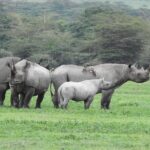
This part is valuable for you for a simple reason: the crater concentrates life in a way that flatland parks can’t always match. When you’re on the rim, the scene changes. You’re looking into a bowl with its own weather, its own animal patterns, and its own rules about where wildlife gathers.
A practical note from the camping angle: you’ll be back at Simba campsite overnight. Camps can be quieter and simpler than lodges, and the schedule matters. If you want a good night’s sleep for another full wildlife day rhythm, it’s smart to keep your packing tight and not spend your evening rummaging around.
What’s included on this camping safari (and what it means for your day)
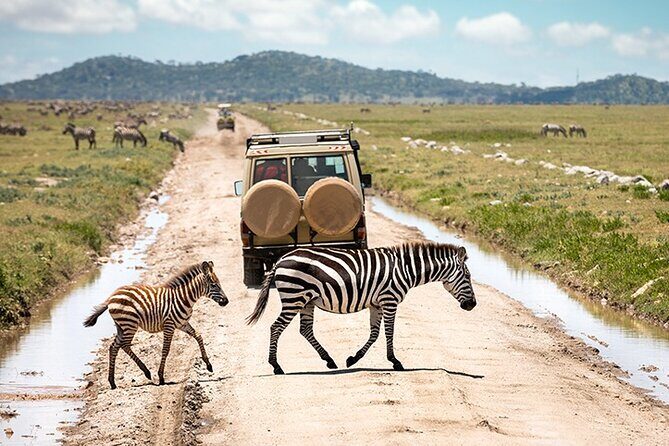
The inclusion list is one of the reasons this tour ranks well for value. You’re covered with:
- 3 nights accommodation (camping at the stated sites)
- National park fees
- Emergency evacuation insurance
- Bottled water
- Meals as per itinerary (breakfasts and lunches and dinners in the included count)
- A professional guide
- Hotel pickup and drop-off
- A 4×4 vehicle with pop-up roof
- A birds and animal field guide book
- Binoculars
- Coffee and/or tea
- Government taxes
For you, this translates to less mental load. Safari budgets often get messy because people add things during the trip: park entries, bottled water, meal expenses, and lodging surprises. Here, the tour lists those big ticket items as included.
The camping kit also affects your ability to enjoy the drives. The pop-up roof is a real help for spotting animals. Binoculars and a field guide are useful because in parks, animals can look like shadows at first. Having help to identify what you’re seeing saves time and makes the drive feel less random.
Two small “check this” items from real feedback:
- One review mentioned binocular quality not meeting expectations, so bring your own if you’re picky about clarity.
- Another review mentioned a lack of hot shower during the trip. Camping can mean the shower situation varies by camp and conditions, so pack with that possibility in mind.
And don’t ignore what isn’t included. Alcohol is not included, and personal items are your responsibility. Most importantly, gratuities are not included, and the tour lists recommended industry tips: $15 a day to the cook and $20 a day to your guide, divided by everyone in the vehicle. For a four-day trip, that’s a real line item in your planning.
A few more Arusha tours and experiences worth a look
Price and value: is $1,479.49 per person fair?
Let’s talk value without hand-waving. The price is $1,479.49 per person for about four days and three nights, and the itinerary spells out major inclusions: park fees, accommodation, meals, a guide, the 4×4 with pop-up roof, bottled water, and even emergency evacuation insurance.
Here’s why that matters. If you try to build a safari yourself, you can easily end up paying separately for the vehicle, park entry fees, campsite/lodging, meals, and the guide’s time. Those costs don’t disappear—they just move onto different invoices. This tour rolls the core essentials into one package.
Where the value can shrink is if you personally need extra comfort or extra add-ons. This is camping. If your idea of travel requires consistent hot showers, quieter bathroom setups, and lodge-level meals, you might not love the trade. That’s not a flaw in the itinerary; it’s the nature of camping.
Still, the reviews are strongly positive, with a 94% recommendation rate and a 4.7 rating. The praise concentrates on staff and the way guides help you find animals. Some named guides and cooks who showed up in feedback include:
- Guides: Roger, Jonny, Rashid, Francis, Alan, Musa, Ronald
- Cooks: Deo, Samuel, Sele
I’d read those names as a sign that, in practice, the guiding team is often the difference between a good sighting and a memorable sequence of sightings.
Staff quality: why guides like Roger and Rashid matter in the field
Safari success is partly luck, but it’s also skill. What stood out in feedback is that guides actively scan and reposition, and they explain what you’re seeing. People repeatedly credit guides with spotting animals from far away and making sure the drives feel worthwhile.
For example, multiple reviews mention Roger as an experienced guide who helped people feel like they were getting the best out of each day, plus Deo for delicious meals. Others highlight Rashid for helping people see a wide range of animals, including the Big 5 and other wildlife. Ronald is credited for strong bird knowledge and solid English. Jonny is praised for tireless driving and faultless animal knowledge and positioning.
This matters because in parks like Serengeti and Ngorongoro, animals can be hard to find even when you’re close. The guide’s role isn’t just driving. It’s knowing where animals tend to appear, how to read tracks and signs, and when to slow down.
There’s also a logistics side. One review thanked Amina as a sales coordinator and emphasized good communication and support. That can matter if you’re trying to coordinate details before you leave.
One fairness note: a small number of reviews include complaints about damaged backpacks and frustration with follow-up. The operator responses offered apologies and clarification. Still, it’s wise to protect your gear in a way that makes the safari less stressful. Use padded bags, keep sharp items packed away, and take photos of your luggage before the safari starts.
Who this safari suits best (and who should consider lodge options)
This tour is best for you if you:
- Want a tight route with three major parks in four days.
- Like the rhythm of camping and being close to nature.
- Enjoy game drives and don’t mind spending hours in the vehicle.
- Appreciate a package where park fees, meals, and accommodation are handled.
It may be less ideal if you:
- Need consistently hot showers and high-comfort facilities.
- Want very flexible pacing. This itinerary is structured, and you’ll be following it.
- Are very sensitive to long drive days. Serengeti and Ngorongoro day blocks are built for wildlife time.
The good news is that the tour is listed as private, so your group’s comfort needs can be easier to communicate to your guide.
Should you book this 4-day Tanzania camping safari?
Yes, if your goal is classic Tanzania wildlife without paying surprise costs, and you’re comfortable with camping. The value stands out because you’re not just buying vehicle time—you’re getting guide time, park fees, meals, and campsite stays.
My quick checklist before you say yes:
- Pack for sun, dust, and cooler early mornings.
- Bring your own toiletries and consider bringing your own binoculars if you care about image quality.
- Plan for camping comfort variability, including showers.
- Budget tips in your total cost, since gratuities are recommended and not included.
- Protect your luggage and keep important items secured.
If you want a safari that feels efficient and focused, and you trust that your guide will work hard to find animals, this 4-day route is the kind that tends to stick with people long after the drive ends.
FAQ
What parks are included on this 4-day safari?
This safari visits Tarangire National Park, Serengeti National Park, and Ngorongoro Conservation Area during the four days.
Is this tour private or shared?
It’s a private tour/activity, and only your group participates.
What’s included in the price?
The tour includes 3 nights accommodation, national park fees, emergency evacuation insurance, bottled water, meals as per itinerary, a professional guide, hotel pickup and drop-off, a 4×4 vehicle with pop-up roof, a birds and animal field guide book, a pair of binoculars, coffee and/or tea, and government taxes.
What’s not included?
Not included are personal items, visa, travel insurance, alcoholic drinks, and gratuities (recommended tips are listed for the cook and guide). Pre/post accommodation and airport transfers are also not included, but booking can be requested.
Is there a vegetarian meal option?
Yes, a vegetarian option is available if you advise at the time of booking.
Can I cancel for a refund?
Yes. There is free cancellation up to 24 hours in advance for a full refund. If you cancel less than 24 hours before the start time, the amount paid is not refunded.