REVIEW · ARUSHA
5 Days Tanzania Budget Camping Safari from Arusha
Book on Viator →Operated by VISION SAFARI & TOURS · Bookable on Viator
Africa moves fast. A budget camping safari is a front-row way to see it. This 5-day run starts early in Arusha and strings together four top Tanzania stops, with game drives and real camping nights under the stars. I like that it’s built for value, not luxury, so you spend more time chasing animals and less time thinking about logistics.
What I’d call the best parts are simple. You get a professional guide and real campsite stays (not just day trips), which makes the whole safari feel connected, not rushed. And the meal plan is solid for a budget trip: breakfasts and lunches are included most days, plus dinners on multiple nights, so you’re not constantly hunting food between parks.
One thing to think about up front: this is camping. If you’re expecting hotel beds, you’ll be disappointed. Also, with a maximum group size listed at up to 100, you should be prepared for big-vehicle days and to manage expectations about how private the experience will feel.
In This Review
- Key highlights worth caring about
- From Arusha to the parks: what a budget camping safari really buys you
- Lake Manyara: baboons, tree-climbing lions, and a bird-lover’s park
- Tarangire National Park: baobabs, the Tarangire River, and elephant time
- Central Serengeti game drives: migration drama and predator odds
- Staying in Serengeti on Day 4: UNESCO-level density and river drama
- Ngorongoro Crater and Lake Magadi: the day wildlife gets compressed
- Camping nights: tents, close wildlife, and what to pack
- Price and value: what $1,100 per person is really covering
- Who this 5-day camping safari suits best
- Should you book this safari from Arusha?
- FAQ
- What time does the safari start?
- Where do I meet for the safari?
- What’s included in the tour price?
- Is pickup offered?
- Are international flights included?
- Is tipping included?
- Can I cancel for free?
Key highlights worth caring about
- Tree-climbing lions and dense baboon presence at Lake Manyara, plus lots of bird life
- Baobab country in Tarangire, with elephants and predators depending on season and location
- Central Serengeti game drives aimed at predator action and migration energy
- Seronera campsite as an overnight base in Serengeti (good for a full day on the plains)
- Ngorongoro Crater animal density, plus Lake Magadi for flamingos and other birds
- Telescope tip: one per person was specifically recommended to get close views from your seat
From Arusha to the parks: what a budget camping safari really buys you
The best reason to do a safari like this is the trade-off. You’re paying for the core safari experience—time in the parks, a guide to drive and spot, and camping on safari nights—rather than paying for high-end lodges. That usually means more wildlife hours for your money, which is exactly what you want when the animals are the main event.
Starting from Meru House Inn at 6:00 am matters more than you might think. Early departures buy you better light for spotting and photos, and they often help avoid the slower, later-day crowds inside the parks. The trip also loops back to the meeting point at the end, which keeps things straightforward.
One more practical note: the tour lists pickup as offered and uses a mobile ticket. So if you’re planning from an Arusha hotel, make sure you confirm where you’ll be picked up. A safari that runs on tight timing doesn’t like last-minute phone calls.
And yes, the group size can be large (up to 100). That doesn’t automatically mean you’ll feel crowded while wildlife is in front of you, but it does affect how smoothly everything moves—waiting for everyone, bus transfers, and the pacing of the day.
A few more Arusha tours and experiences worth a look



Lake Manyara: baboons, tree-climbing lions, and a bird-lover’s park
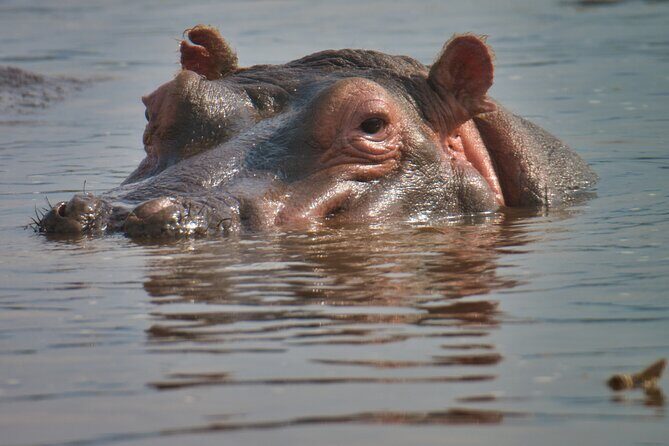
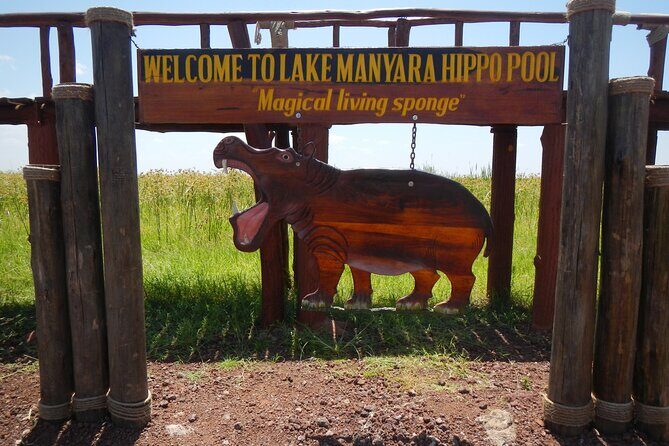
Lake Manyara is the kind of park that feels alive even when you’re not driving fast. The area includes acacia woodlands and water forests, and it also has baobab-studded terrain—plus hot springs, swamps, and the lake itself. That mix of habitats helps explain the variety of wildlife and birds you can run into on a single day.
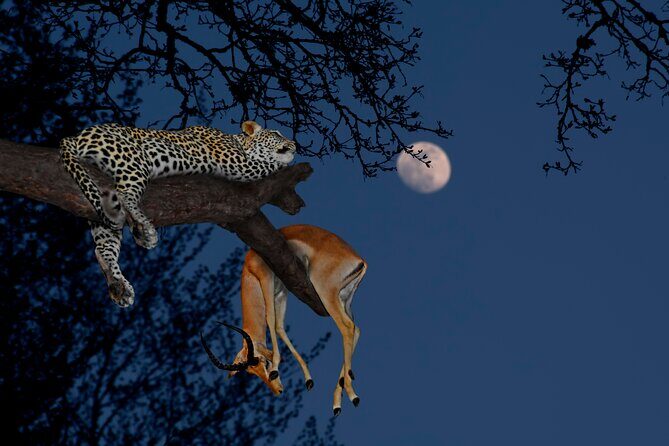
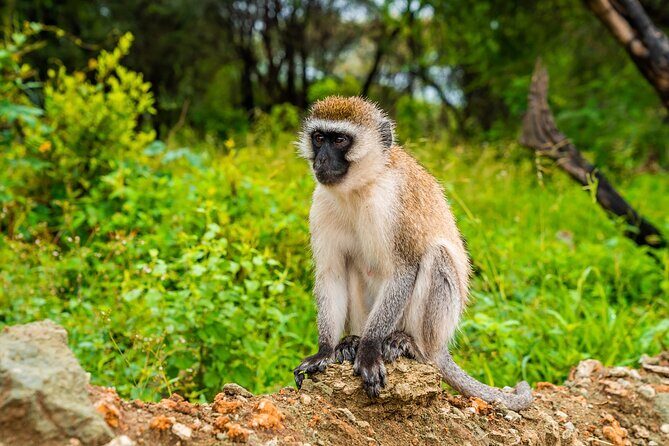
What I’d focus on here is the animals that Lake Manyara is known for. The park is famous for a strong concentration of baboons, and it’s also tied to the rare-feeling sight of tree-climbing lions. You don’t control whether you’ll see them, but the chance is real enough to make this stop worth your attention.
Expect bird activity too. The lake and crater-like viewing areas are described as having nearly 500 bird species identified, including flamingos, eagles, and several waterfowl types. Even if your main goal is the Big Five, I like a day where birds are part of the safari rhythm. It keeps the day interesting between bigger sightings.
The overnight base on this first night is Sun fig tree campsite. Camping here is part of the appeal: you’re close to nature, and that changes your whole evening. In one highlight from past guests, the campsite experience was so close to wildlife that sleeping felt unusually near the action. Translation: bring the right mindset. This is not a quiet resort.
Tarangire National Park: baobabs, the Tarangire River, and elephant time
Tarangire is the safari’s “wow, look at those trees” day. The park is known for wide open savannah dotted with iconic baobabs, and those shapes make the whole area feel instantly readable—like you can spot movement faster because the scenery shows every silhouette.
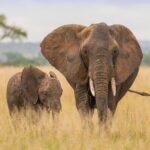
Elephants are the headline. You’re likely to see African elephants moving across the golden savannah, and the Tarangire River becomes a key magnet, especially in the dry season when animals gather around water. That’s a big deal for your odds: wildlife doesn’t spread out as evenly when water is limited.
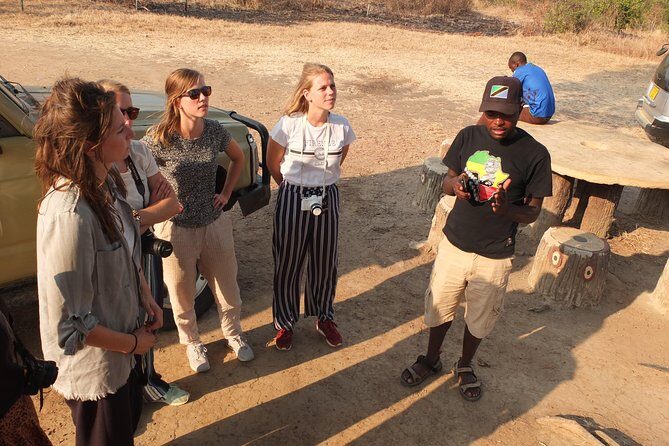
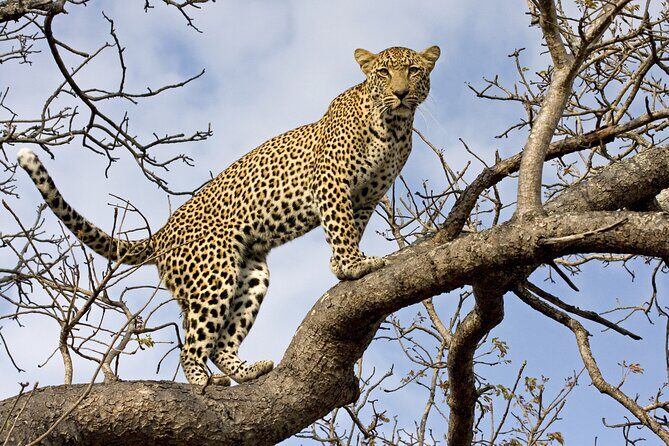
Tarangire also has a reputation for predators, including lions and leopards, along with plenty of birds. The guide’s job is to read the day: where the activity is, where the tracks are, and where the river gives you the best “concentration” moments. On a budget safari, a strong guide makes a noticeable difference, because you’re relying on spotting skill more than on fancy lodge routines or scheduled “set pieces.”
This is also a park where you’ll likely spend time enjoying the “in-between” scenes: elephants not just standing still, but walking; birds working the branches; dust rising as herds shift. Those details are often what make safari memories feel personal later.
Central Serengeti game drives: migration drama and predator odds
Serengeti is the name you already know, but what you really do there is watch nature running on schedule. This trip spends time in Central Serengeti, described as the beating heart of the park, with wide, acacia-dotted plains and a big focus on game drives.
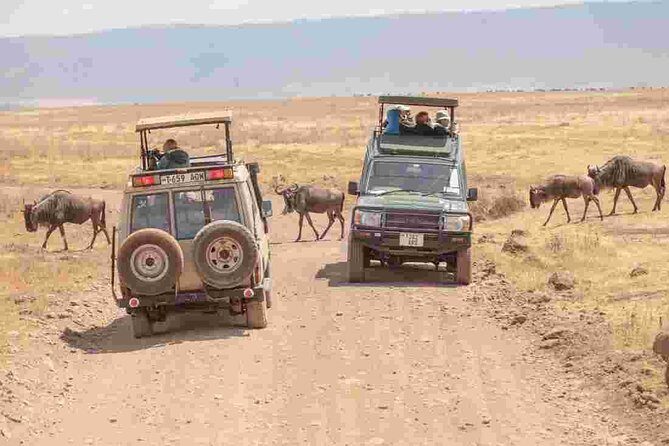
The big storyline here is the Great Migration. You’ll hear it framed as millions of wildebeest and zebras moving across the plains, with predators following the pattern. The key word for you is timing. Migration sightings are seasonal, so your specific views depend on when you travel. What’s consistent is the movement itself—how the plains feel when herds are on the move.
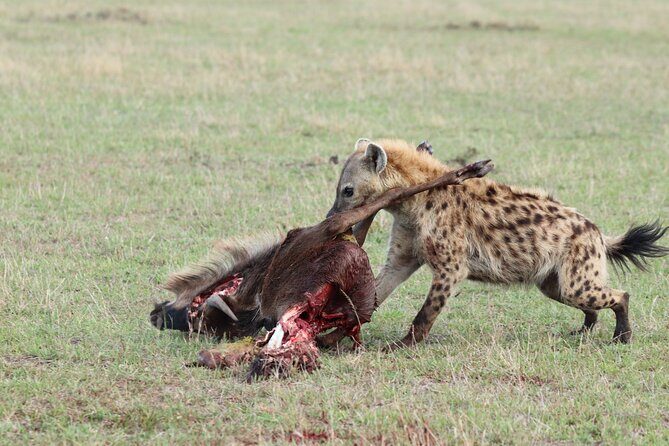
Predators are part of the Serengeti pitch too. The plan emphasizes lions, leopards, and cheetahs, and in practice, that usually means you’ll spend a lot of time slowing down, scanning, and letting the guide position the vehicle for the best shot at action. Some days feel like a patience test. Other days feel like a jackpot.
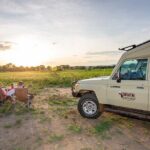
Your overnight on Day 3 is at Serengeti Seronera campsite. That matters because you’re not just driving through the park all day and then sleeping somewhere far away. Being inside the Serengeti region helps keep the safari feeling continuous. And camping at night can mean you hear and sense wildlife nearby, even when you can’t see it clearly in the dark.
Staying in Serengeti on Day 4: UNESCO-level density and river drama
Day 4 stays in Serengeti and leans into two themes: the park’s UNESCO status (more about protection and scale than comfort) and the migration’s river crossings. When the herds reach areas like the Grumeti and Mara rivers, the story often gets intense—crocodiles are described as lying in wait, and herds plunging into the currents is the kind of moment you remember for years.
This is also the day where you may see more “resident” wildlife beyond migration. The plan talks about Serengeti’s ecosystems—open savannah, acacia-dotted areas, and riverine forests—so your animal list can vary with where you are on the route.
There’s one extra detail in the plan you should take seriously: balloon safaris are mentioned. A balloon ride is a big-ticket add-on in many places, and the data here doesn’t confirm whether it’s included in your package. So if that’s on your wish list, ask before you land in Tanzania. Don’t wait until the day you’re already in the air.
If you like birding, Serengeti’s bird life is a continuous background feature too. The pacing of your day—drive, scan, pause, reposition—often makes birds easier to notice than you’d think.
A few more Arusha tours and experiences worth a look
Ngorongoro Crater and Lake Magadi: the day wildlife gets compressed
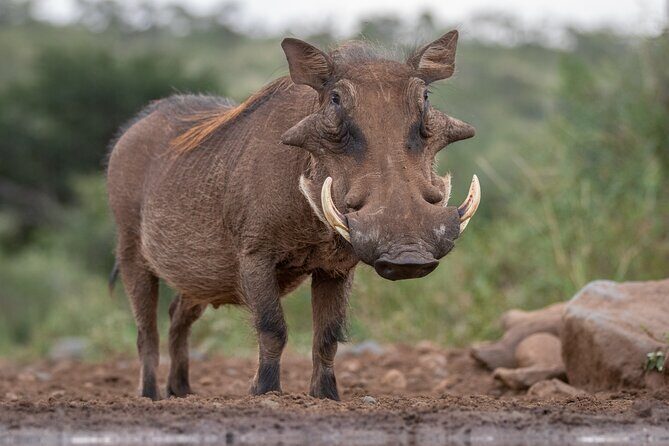
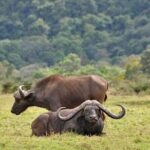
Ngorongoro Crater is the “how is that many animals allowed in one bowl?” stop. The plan describes a year-round water and fodder setup supported by conservation management, which helps explain why you can see a huge variety of animals in one visit. The crater hosts wildebeest, zebra, buffalo, eland, warthog, hippo, and giant African elephants, and it’s also described as having dense predator presence.
For your safari goals, Ngorongoro is usually the best bet for a broad mix because sightings get concentrated. Predators listed include lion, hyena, jackal, cheetah, and the elusive leopard. Real talk: leopard sightings aren’t guaranteed anywhere. But this is one of the places where your odds improve simply because so much habitat is packed into a small area.
Then you get a specific extra stop that’s great for variety: Lake Magadi, an alkaline lake in the crater’s southwestern corner. The plan calls out flamingos and hippos, along with water birds. This is the kind of stop that shifts the day from “hunt” to “watch.” You go from tracking movement to scanning the lake edge and shoreline.
This day includes admission fees per the plan details, and it’s also the day with early breakfast and a crater descent. That combination usually means more early-time excitement and less time spent lounging.
Camping nights: tents, close wildlife, and what to pack
Camping is where this safari becomes more than just drives between landmarks. It’s also where comfort and preparation matter.
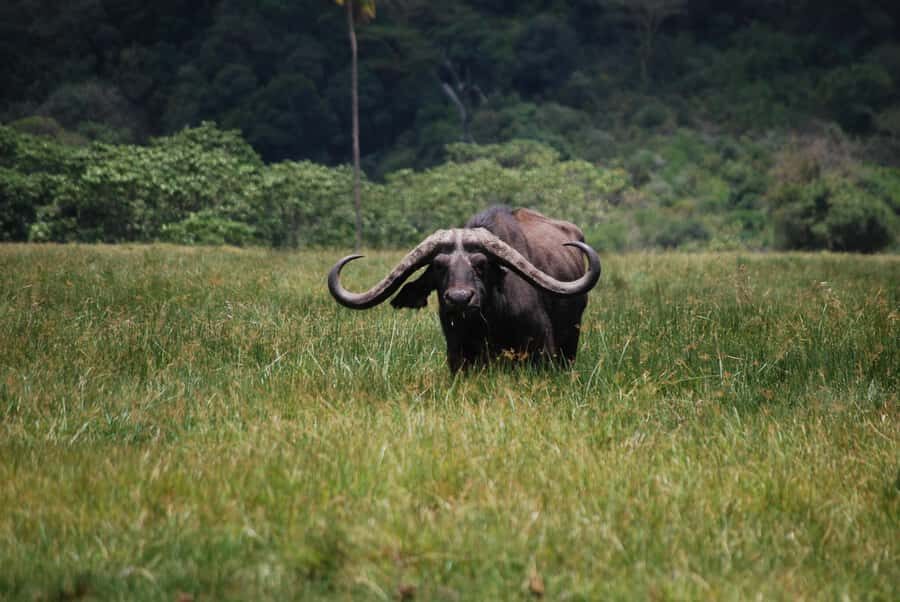
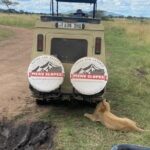
Based on the strong praise in past experiences, the camping style can feel unusually close to wildlife. One guest described sleeping in a tent very close to wild buffaloes, and the tone was awestruck, not scared. That tells you the experience can be intense. You don’t need to panic, but you do need common sense: keep food managed properly as your guide instructs, don’t wander off after dark, and follow campsite rules.
What you should pack depends on your tolerance for outdoors life, but at a minimum, think in layers. Days in Tanzania can feel warm, and nights can cool down fast at altitude. Also plan for dust. You’ll be in and out of vehicles, and park roads kick up grit.
One more tip that came up in the feedback: bring a telescope per person if you can. It’s not required, but it can help you see details from farther viewing areas, especially when animals keep their distance. If you’re a photo or viewing nerd, this is an easy upgrade that pays off.
And finally, camping changes your schedule. You’re not just “going to bed.” You’re settling in near the wild, and that means you’ll likely remember the sounds as much as the sights.
Price and value: what $1,100 per person is really covering
At $1,100 per person for about 5 days, the value pitch here is clear: you’re paying for the structure that makes safari possible. Your included items list all fees and taxes, a professional guide, and meals (lunch and dinner multiple days, plus breakfasts). That matters because safaris often become expensive when you start adding entrance fees, meals, and guide time separately.
The itinerary is also built around major parks, with time allocated to each instead of doing a quick drive-by and calling it “done.” You’re getting a full day in Serengeti, time in Tarangire and Lake Manyara, and then Ngorongoro for high-density wildlife.
What’s not included is also important. The plan lists tips, international flights, and personal items as not included. Budget safaris feel affordable until you realize how many small extras pop up. So plan for those, and you’ll feel calmer once you arrive.
Pickup and a mobile ticket help with the pre-trip stress. With a start time of 6:00 am, you don’t want a complicated handoff early on.
Who this 5-day camping safari suits best
This safari fits you if you want a real Tanzania safari without a high-end lodge price tag. You’ll likely enjoy it if you:
- want multiple parks in one trip (not just one region)
- are comfortable with camping as part of the adventure
- care more about wildlife time and guide spotting than spa comfort
- like the idea of spending evenings near a campsite and letting the day’s sightings sink in
You might want to choose a different style if you:
- need private, quiet nights and very high comfort levels
- hate early starts
- expect very small groups and lots of one-on-one guide attention
The good news? Even with a larger group size, the wildlife moments usually level the playing field. When a herd moves or a predator makes a move, you forget the vehicle count.
Should you book this safari from Arusha?
I’d recommend booking this if you’re okay with camping and you want to maximize wildlife time for your budget. The park lineup hits the big Tanzania highlights: Lake Manyara for special behavior and birds, Tarangire for baobabs and elephants, Central Serengeti for migration energy and predator chances, and Ngorongoro for that compressed, high-density wildlife day plus Lake Magadi’s bird-and-lake scenery.
If you want to make the trip smoother, plan to pack for outdoors nights, consider bringing a telescope, and ask whether any balloon safari option is actually included versus an add-on. Then you’ll be set for what safari is really about: spending long hours in the right places and letting the animals do the talking.
FAQ
What time does the safari start?
The start time is 6:00 am.
Where do I meet for the safari?
The meeting point is Meru House Inn, located on Sokoine Rd in Arusha.
What’s included in the tour price?
Your price includes all fees and taxes, a professional guide, and meals: breakfast (4), lunch (5), and dinner (4). Park admission fees are listed as included in the plan details.
Is pickup offered?
Yes. Pickup is offered.
Are international flights included?
No. International flights are not included.
Is tipping included?
No. Tip is not included.
Can I cancel for free?
Yes. Free cancellation is offered if you cancel at least 24 hours before the experience start time.