REVIEW · ARUSHA
5 Days Safari Adventure in Tanzania
Book on Viator →Operated by Earth Wild Safari · Bookable on Viator
Five days, three parks, one big wildlife mission. What makes this safari stand out is the tight route between Tarangire, Serengeti, and Ngorongoro, plus the way it’s built around real animal behavior rather than quick stops. I especially love traveling with Vincent, the driver guide, who knows where to go and how to read the animals’ routines, and I also like how the days feel organized and safe even when plans hit bumps. The main drawback to consider is that the schedule is full, with early game drives and long drives, so it’s not a slow, casual trip.
You’ll base in solid safari lodges each night, and the tour keeps things practical: pickup in Arusha, private transportation, and meals included so you’re not constantly hunting for food. Expect big wildlife moments, including the tour’s focus on the Great Migration and the Grumeti area crossing. Still, if you want a safari with lots of free time to relax on your own, you may find this one runs a bit “go-go-go.”
In This Review
- Key highlights worth your attention
- Starting in Arusha: the 8:00 pickup and private pace
- Tarangire National Park Day 1: elephants first, then unwind at Baghayo
- Lake Manyara to Serengeti: a big transfer day that keeps you moving
- Serengeti full day for the Great Migration and Grumeti crossing
- Ngorongoro Crater at sunrise plus a Maasai Boma stop
- Ngorongoro Conservation Area morning: one last crater-floor game drive
- Lodges, meals, and what the included dining really buys you
- Guide and safety: what Vincent’s approach changes
- Price and value at $2,600 per person
- What this trip is best for (and what to reconsider)
- Should you book this 5-day Tanzania safari?
- FAQ
- What parks and wildlife highlights are included?
- What is the itinerary in a nutshell by day?
- Is this tour private and is pickup included?
- What time does the tour start and where does it end?
- Are meals and park fees included?
- What should I plan for if something is not included?
- Do I need a paper ticket?
- What is the cancellation policy?
Key highlights worth your attention
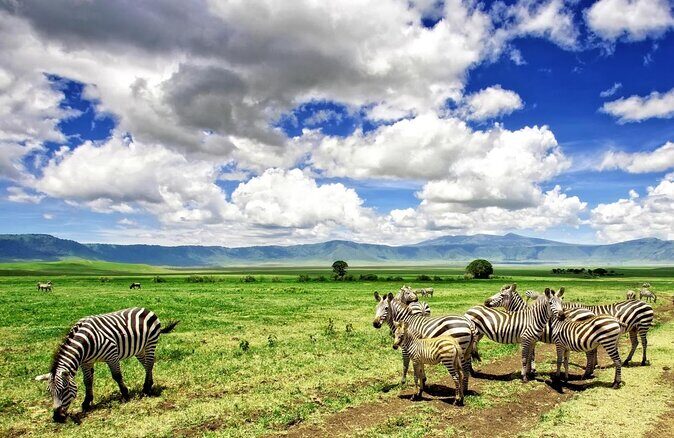
- Vincent’s game-drive instincts: he times stops with animal behavior, not just sightings.
- Migration-focused day: full time in Serengeti aimed at the Great Migration and Grumeti crossing.
- Ngorongoro at sunrise: a morning start designed for the crater’s best viewing.
- Maasai culture stop: time at a Maasai Boma to learn about traditions.
- Private logistics and included meals: dinner, breakfast, and lunch reduce hassle in-country.
Starting in Arusha: the 8:00 pickup and private pace

Your safari begins in Arusha, starting at 8:00 am at Sakina. You’ll return to the same meeting point at the end, which is a simple setup if you’re planning your other days around flights or hotel check-outs.
This is a private tour, so it’s just your group in the vehicle. That matters more than people think. On safari, you don’t just want to see animals; you want to get positioned, wait when it’s worth it, and move when the story changes. A private schedule gives your guide room to do that without holding a larger group back.
Also, pickup is offered, and the tour uses a mobile ticket, which generally makes check-in easier and cuts down on last-minute scrambling. The itinerary is designed as a chain of early starts, game drives, and transfers, so don’t plan to sleep in or pack in other activities the morning you arrive.
A few more Arusha tours and experiences worth a look
Tarangire National Park Day 1: elephants first, then unwind at Baghayo
Day 1 is built around an efficient start for Tarangire National Park. The plan is straightforward: leave in good time, ride out for about five hours of game viewing, and then settle into your first overnight at Baghayo Garden Suites for dinner and rest.
Tarangire is a great way to launch your safari because it often gives strong early sightings, and it sets the tone for the whole trip: slow down, watch behavior, and let the animals come to you when possible. The key detail here is that the driver guide knows the park well enough to choose the best internal areas for game viewing, which helps when you only have a limited number of park hours.
One practical note: even though the day ends at a lodge, your first day is still travel-heavy. After five hours in the vehicle, you’ll likely be tired, so I like that dinner and overnight are already handled for you. It means you don’t lose energy searching for a place to eat after a long wildlife day.
Lake Manyara to Serengeti: a big transfer day that keeps you moving
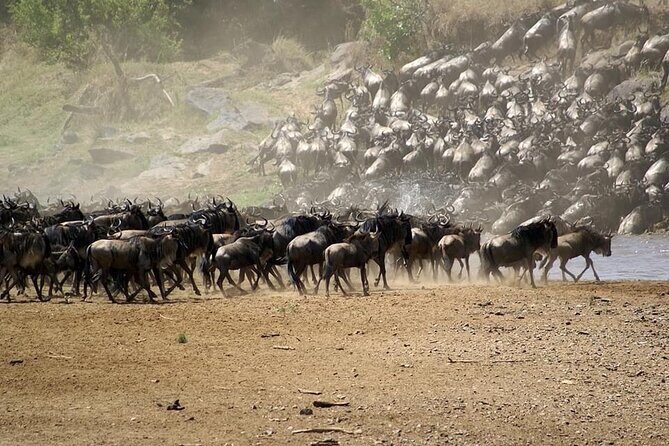
Day 2 begins with an early game drive at Lake Manyara National Park, followed by an afternoon transfer toward the great plains of the Serengeti with a game drive en-route. This day runs about seven hours total.
This is a good example of how the tour uses time wisely. You’re not only doing a transfer; you’re also using the route to look for animals along the way. That’s important because safari time is precious, and you can’t always count on animals to appear on a schedule.
Lake Manyara offers a different feel than many other parks, so splitting your viewing between two places in one day helps keep the trip from getting monotonous. Still, there’s a trade-off: because you’re moving and driving more hours, you’ll spend less time lingering in one spot. If you’re the type who wants long, slow watch sessions with minimal driving, this day may feel like a steady pace rather than a leisurely one.
You end in Serengeti Heritage Camp, with dinner and overnight included. That’s exactly what you want on a transfer day: you arrive, you eat, you sleep, and you’re ready for the migration-focused day ahead.
Serengeti full day for the Great Migration and Grumeti crossing
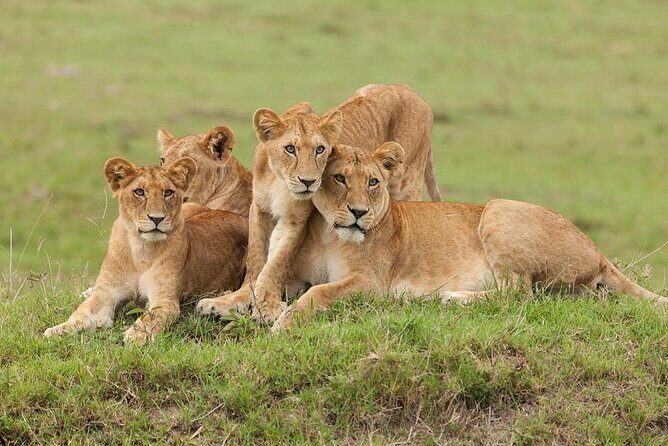
Day 3 is the heart of the itinerary. You get a full day in Serengeti National Park focused on the Great Migration and the Grumeti river crossing, with about eight hours spent in the park. Overnight is again at Serengeti Heritage Camp.
Here’s how to think about this day. The Great Migration is a movement across time and space, not a single fixed moment on a single date. The tour’s job is to put you in the right place to watch what’s happening in the Grumeti area at the time you’re there, and to stay on the action long enough for it to unfold. That’s why the day is long and why it’s a dedicated day rather than a half-day stop.
What I really like is the emphasis on observing behavior, not just scanning for animals. When the guide understands how wildlife reacts to water, grazing pressure, and predators, your viewing tends to feel more like you’re watching a living system. In this tour, Vincent is repeatedly praised for knowing the parks and—most importantly—how wildlife behaves.
If you’re worried about whether you’ll see “the big moment,” keep your expectations flexible but your schedule committed. This is the day the tour spends time on purpose, and that focus is exactly what you’re paying for.
Ngorongoro Crater at sunrise plus a Maasai Boma stop
Day 4 is a two-part day: a sunrise game drive in Ngorongoro Crater, then a transfer to the crater rim via a stop at a Maasai Boma for culture. You’ll have dinner and overnight at Ngorongoro Serena Safari Lodge.
Starting early in the crater is a smart move for a safari. Morning light often makes animals easier to spot, and the air tends to be calmer, which can translate into more comfortable viewing from the vehicle. Sunrise also means you’re more likely to catch activity when animals are still moving and feeding rather than when the day is already heating up.
The Maasai Boma visit is also worth taking seriously. It’s easy to treat cultural stops as quick checkboxes, but this one is positioned as part of the transfer route, so it doesn’t feel tacked on at the last second. You’ll learn about local culture and traditions, which gives your safari a wider Tanzania context beyond wildlife alone.
The drawback to plan for is the contrast between early crater viewing and then a cultural visit during the transfer. If you’re tired, this can feel like mental whiplash. I’d suggest mentally switching gears: crater viewing is about patience and eyes-on behavior, while the Boma stop is about listening and respectful curiosity.
A few more Arusha tours and experiences worth a look

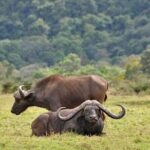

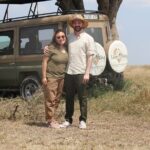
Ngorongoro Conservation Area morning: one last crater-floor game drive
Day 5 starts with an early game drive on the Ngorongoro Conservation Area, specifically in the crater floor area, then you transfer to the airport to catch your departure flight (JRO or ARK). The itinerary notes about five hours total for the day.
This is a good closing rhythm. Day 4 sets you up at the crater, and Day 5 lets you see more of what’s happening down on the crater floor before you head out. It’s also the kind of morning that can be surprisingly productive because animals may be more predictable and your guide can watch for patterns from the days before.
Because you have a flight to catch, this day is not a free-form one. You’ll want to be ready for a structured morning and a clean transfer. The advantage is that the tour handles the timing so you’re not trying to figure out transportation in a tight window on your own.
Lodges, meals, and what the included dining really buys you
Meals are included: breakfast, lunch, and dinner across the trip. That matters more on safari than it sounds. When you’re out driving for hours, getting meals handled means you spend less time thinking about logistics and more time watching animals and listening to your guide.
You’ll sleep at:
- Baghayo Garden Suites (night 1)
- Serengeti Heritage Camp (nights 2–3)
- Ngorongoro Serena Safari Lodge (night 4)
One small detail I really appreciate is the mention of breakfast in the Ngorongoro area. When meals line up with special safari settings, it turns routine dining into a memorable pause in an otherwise nonstop schedule.
If you’re picky about food, I’d still assume it will be fine for a safari lodge setup, but the key is that the tour removes the uncertainty. You’re not hunting for restaurants or trying to organize meal stops around animal sightings. You can stay focused on the reason you came.
Guide and safety: what Vincent’s approach changes
A safari guide does two jobs. First, they spot animals. Second, they help you enjoy the moment once you’re in the right place.
Vincent is repeatedly highlighted for doing both. He’s described as knowing the Serengeti and other parks deeply, but the stand-out praise is how he understands wildlife behavior and knows when to slow down. That “slow down” part is huge. It’s the difference between seeing a blur in the distance and actually understanding what you’re looking at.
There’s also a practical safety story that sticks: there was a flat tire issue, and Vincent solved it quickly—within about 20 minutes—so the safari kept moving instead of turning into a stressful delay. That kind of calm competence matters when you’re far from help and you’re relying on someone to handle the unexpected.
In short, this is the kind of tour where the guide influences your experience beyond the itinerary. The schedule gives you the structure, but the guide determines how it feels day to day.
Price and value at $2,600 per person
At $2,600 per person for about five days, this isn’t a budget safari. But you’re not just buying park passes and a vehicle. The price is tied to a full set of essentials: private transportation, lodging nights at the named safari properties, and meals (breakfast, lunch, dinner), plus all fees and taxes as stated in what’s included.
So where does the value land?
- Private drives reduce waiting and keep your group flexible.
- In-park time is protected with long game-drive blocks, especially on the Serengeti and Ngorongoro days.
- Meals and logistics are handled, which saves energy and planning time.
- Maasai culture stop adds cultural depth without requiring you to coordinate it separately.
If you want the cheapest way into Tanzania safari country, this may not be it. But if you care about comfort, time efficiency, and having a guide who can react when wildlife or logistics change, the pricing starts to make sense.
Also, private safari pricing is often driven by vehicle availability and guide-lodge arrangements. Here, the named lodges suggest you’re paying for a real safari setup rather than a bare-bones route.
What this trip is best for (and what to reconsider)
This tour is a strong fit if you want:
- A structured safari route covering Tarangire, Lake Manyara, Serengeti, and Ngorongoro
- Migration-focused time in Serengeti and the Grumeti area
- Comfort and organization, since meals and lodging are included
- A guide who pays attention to wildlife behavior, not just big-name animals
It’s a weaker fit if you:
- Want lots of unscheduled downtime between parks
- Prefer a slow travel pace with fewer early starts
- Are extremely sensitive to long drives, since the itinerary is built around moving through multiple ecosystems in five days
The best approach is to decide whether your priority is wildlife time and expert guiding. If yes, this itinerary is built for you.
Should you book this 5-day Tanzania safari?
If you’re dreaming about Serengeti, the Great Migration, and Ngorongoro’s crater scene, this is a sensible way to structure your time. The key reason I’d recommend it is focus: one full day dedicated to the migration and Grumeti crossing theme, plus a sunrise crater day that uses early hours wisely. Add Vincent’s hands-on guidance and the tour’s private setup, and you get a trip that feels made for actual sightings rather than box-checking.
If you’re unsure, ask yourself one question: do you want a guide-led safari where the schedule is designed to maximize viewing time, even if it means early mornings and long drives? If your answer is yes, book it. If you want a gentler pace, you may do better with a longer trip that leaves more room between parks.
FAQ
What parks and wildlife highlights are included?
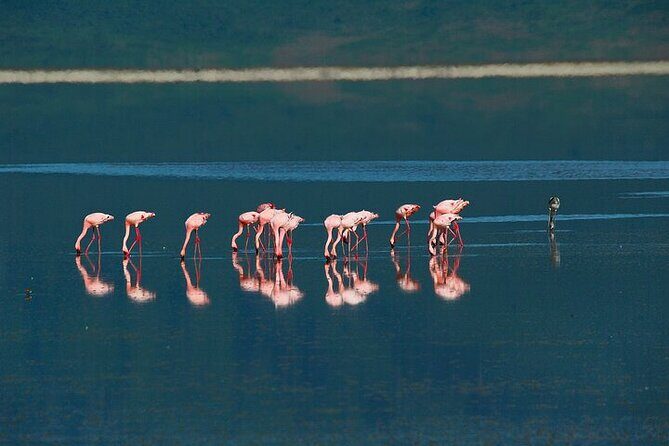
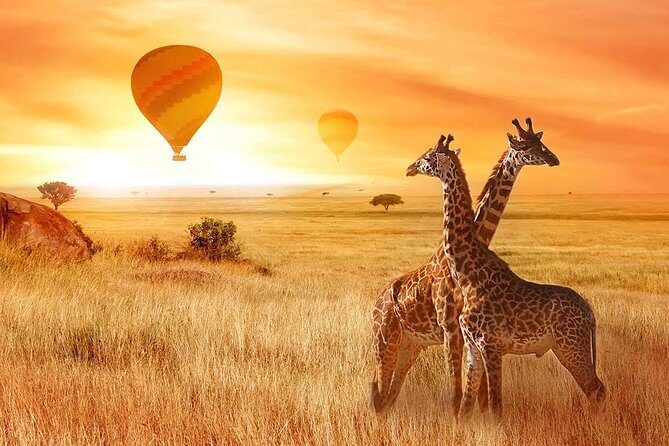
You visit Tarangire National Park, Lake Manyara National Park, Serengeti National Park (with focus on the Great Migration and Grumeti river crossing), and Ngorongoro Crater/Conservation Area. The tour also includes a Maasai village stop for culture. Wildlife focus mentioned includes animals such as elephants, giraffes, lions, and more.
What is the itinerary in a nutshell by day?
Day 1: Tarangire National Park with game drive and overnight at Baghayo Garden Suites.
Day 2: Early game drive in Lake Manyara, then transfer toward Serengeti with an en-route game drive, overnight at Serengeti Heritage Camp.
Day 3: Full day in Serengeti for migration and Grumeti crossing, overnight at Serengeti Heritage Camp.
Day 4: Sunrise game drive in Ngorongoro Crater, then transfer with a Maasai Boma visit, overnight at Ngorongoro Serena Safari Lodge.
Day 5: Early game drive in Ngorongoro Conservation Area, then transfer to the airport (JRO/ARK).
Is this tour private and is pickup included?
Yes. It’s a private tour/activity, meaning only your group participates. Pickup is offered, and the tour starts at Sakina, Arusha.
What time does the tour start and where does it end?
It starts at 8:00 am at Sakina, Arusha, Tanzania. It ends back at the same meeting point.
Are meals and park fees included?
Yes. Dinner, breakfast, lunch, and all fees and taxes are included, along with private transportation. The itinerary also indicates admission tickets are covered on the relevant park days.
What should I plan for if something is not included?
The tour does not include tips for the crew, traveller insurance, and personal items.
Do I need a paper ticket?
No. The tour lists a mobile ticket, and confirmation is received at booking.
What is the cancellation policy?
You can cancel up to 6 days in advance of the experience for a full refund. Cancelling 2–6 days before gives a 50% refund, and cancelling less than 2 days before results in no refund.