REVIEW · ARUSHA
4-Days Tour to Tanzania National parks
Book on Viator →Operated by Maryo Tours · Bookable on Viator
Three parks, one serious animal day. I like the tight small-group setup that turns each game drive into real time with wildlife, and I also like the way the route stitches Tarangire, Serengeti, and Ngorongoro together so you see different habitats and species in a short window. The only real drawback is the pace: long days, early mornings, and a big amount of driving are part of the deal, not a bonus.
From pickup in Arusha to the final return, this tour is built around getting you into parks fast and keeping logistics simple. You’ll also get strong guide support—names like Innocent show up with smooth coordination, while guides Andrea and Francisco are specifically praised for knowledge and calm, practical animal-spotting.
With breakfast, lunch, and dinner handled for four days, you can focus on sightings instead of searching for food or timing. At $1,900 per person, it’s pricey enough that you’ll want to be clear on what you’re buying: concentration on wildlife, not sightseeing in cities or slow cruising.
In This Review
- The Standout Advantage: Three Parks, One Wildlife Plan
- Key Points You’ll Care About
- Arusha Pickup and Private Transport: How the Day Gets Built
- Tarangire National Park: Baobabs, Elephants, and a First Real Safari Day
- Serengeti Game Drives: Two Chances to Catch the Right Moment
- Olduvai Gorge Stop: Human History Between Animal Days
- Ngorongoro Crater Day: The Descent, the Long Drive, and the Rhinos
- Meals and Lodging: Keeping Energy Up for Long Wildlife Days
- Price and Value: Is $1,900 Worth It?
- Choosing the Right Fit: Who This Safari Suits Best
- What to Pack and How to Prepare (So the Safari Feels Better)
- Should You Book This 4-Day Tanzania Safari?
- FAQ
- What parks are included on the 4-day safari?
- Where is the meeting point in Arusha?
- Is pickup from your hotel included?
- What meals are included during the tour?
- Are park admission tickets included?
- What animals does the tour aim to help you see?
- Is cancellation free, and how far in advance do I need to cancel?
The Standout Advantage: Three Parks, One Wildlife Plan
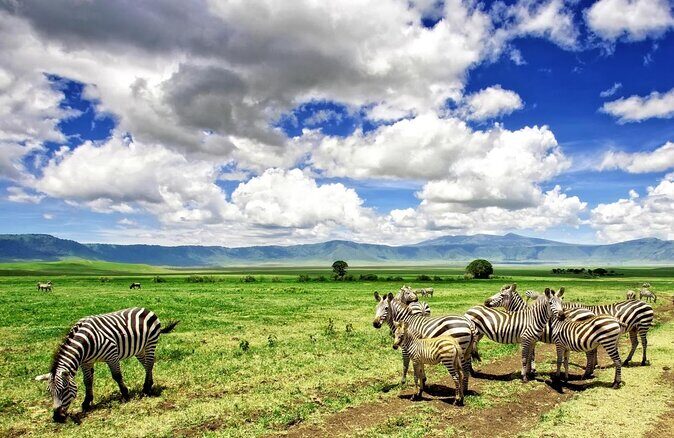
This is the kind of safari route that makes sense if your main goal is animals. Tarangire gives you baobab country and elephant herds. Serengeti is the “endless plains” feeling, where predators and grazing animals share the same wide stage. Then Ngorongoro Crater concentrates wildlife into a smaller, more dramatic arena—big animals become easier to track visually and by sighting patterns.
I also like how the day structure creates multiple chances to find action. You’re not relying on one single game drive to “pay off” the whole trip. Instead, you build in time on the ground with long drives and picnic lunches that keep you moving through the best hours.
And the route includes more than just wildlife. Olduvai Gorge is on the way, with a stop that adds human-history context between parks. That doesn’t replace the safari feel, but it gives your brain something interesting to hold while you’re transitioning.
Key Points You’ll Care About
- Tarangire baobabs and elephant herds set the tone on day one with a full-day game drive and picnic lunch.
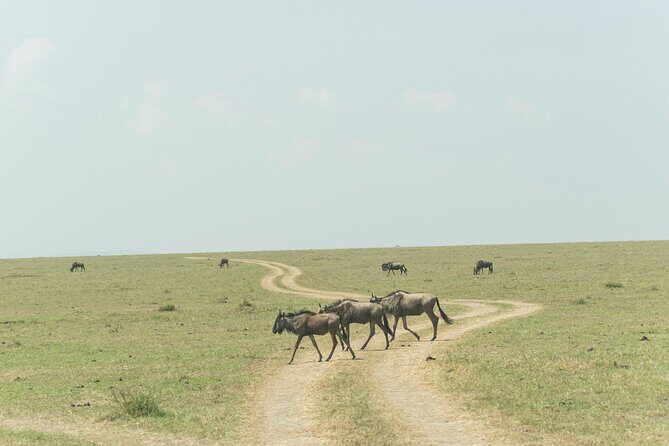
- Two Serengeti game-drive blocks give you more than one chance to find lions, wildebeest, zebras, and more.
- Olduvai Gorge stop adds context to what you’re seeing, including the Leakey research connection.
- Ngorongoro Crater descent around 10:30 and a long crater-floor drive make time for real animal watching.
- Hippo Pool moments appear in the plan, including a picnic during crater day.
- Guides like Innocent, Andrea, and Francisco are praised for organization, information, and animal-spotting ability.
You can also read our reviews of more tours and experiences in Arusha.



Arusha Pickup and Private Transport: How the Day Gets Built
You start from Kizumba House on Kanisa Road in Arusha, and the tour returns you back there at the end. Pickup is offered, and the first day includes a hotel pickup around 8:30 AM, which matters because timing is everything on safari. Wildlife doesn’t care about your comfort schedule, but you can still plan around the best viewing windows.
This is also a private activity for your group, with private transportation included. That usually means fewer stop-and-wait frustrations than big mixed shuttles. You’ll still spend hours in a vehicle, but the stops and pacing are controlled by your guide and your group.
One practical perk: you’re not juggling ticket lines or vehicle fees. Parking fees are included, and the tour uses a mobile ticket, so you should be able to check in without extra paper chasing.
Tarangire National Park: Baobabs, Elephants, and a First Real Safari Day
Tarangire is a strong first stop because it’s visually different and animal activity can be intense. You’ll be out for a full day of game driving with a picnic lunch, which is ideal for two reasons. First, it reduces the “half-day” feeling where you’re still learning where to look. Second, a packed schedule often means more time in the areas that are productive that day.
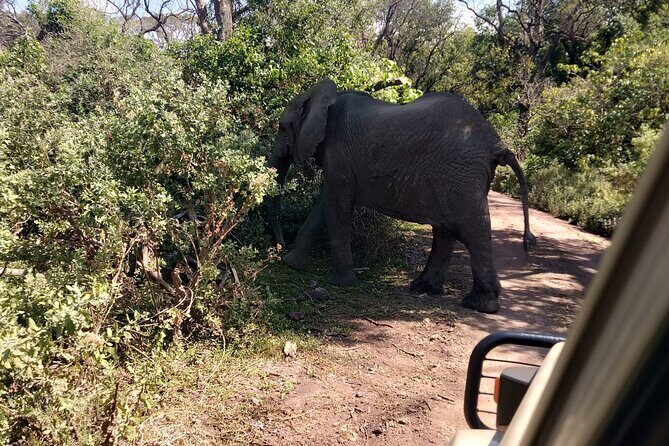
Tarangire is especially known for baobab trees. You’ll see them spread across the park like giant sculptures, and they make animals feel smaller—until you realize how close the wildlife can get. The Tarangire River is also described as a centerpiece, and the park is famous for some of the largest elephant herds in Africa.
For sightings, the plan points to a good spread: lions, leopard, cheetah, lesser kudu, buffalo, oryx, eland, giraffe, zebra. In other words, you’re not just hunting for one kind of animal. This day is built to give you early wins, then keep going until the evening when you return for dinner and overnight.
Potential consideration: if you’re easily tired by long drives, Tarangire’s “full day out” style can feel demanding. But if you want maximum wildlife time right away, it’s a smart start.
Serengeti Game Drives: Two Chances to Catch the Right Moment
Serengeti is described as endless grassland country, and that’s exactly how it feels in safari terms: wide views, lots of scanning, and the occasional surprise when something moves close enough to matter.
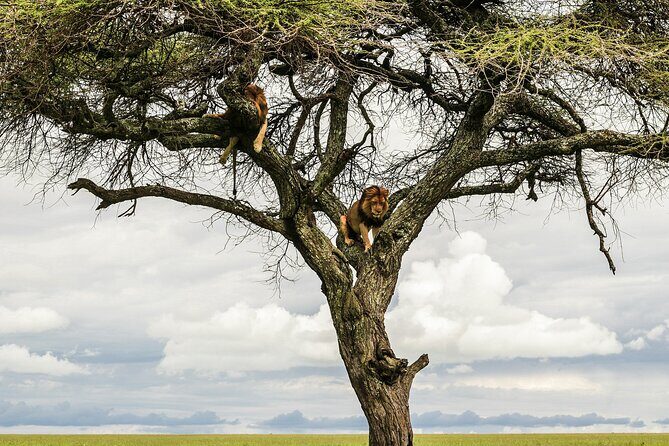
You’ll spend a major block of time on the plains, including a picnic lunch during the day. The focus is on the big moving cast: wildebeest, zebras, gazelles, and lions lounging in shade. That lion-lounge detail matters, because it hints at how you should watch. Predators may not always chase. Sometimes the action is subtle: a shifting posture, a head turn, the moment you realize you’ve spotted the one animal you weren’t expecting.
The tour structure also gives you more than one Serengeti game-drive session. Early on one day, you’re out until late morning, then you move on toward Ngorongoro. Another day gives you an afternoon drive. That split is useful. Animals don’t show up politely at the same hour every day, and your best sightings can come from different light and different distances.
Tip for your own comfort: bring patience. Serengeti can be “quiet loud”—you see lots of scenery and then suddenly the wildlife density spikes. If you expect constant spectacle every minute, you’ll feel disappointed.
Olduvai Gorge Stop: Human History Between Animal Days
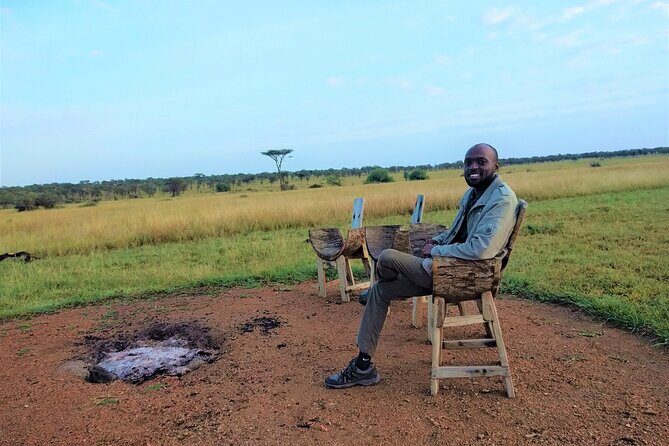
Between Serengeti and Ngorongoro, the plan includes a stopover at Olduvai Gorge, with a connection to early human evolution research. The Leakey family names come up here—Dr. Lois and Mary Leakey—and there’s a mention of skull discoveries often referred to as links in the chain of human evolution.
Why include this on a safari? Because you’re on a route that’s more than animal viewing. You’re also traveling through a region with deep scientific significance. Even if you’re not a history person, a short break like this helps you reset mentally, especially when the next phase of the trip involves intense crater driving and a tighter “watch everything at once” game.
Practical consideration: time in transit still counts. This stop is there, but your overall experience is still wildlife-first.



Ngorongoro Crater Day: The Descent, the Long Drive, and the Rhinos
Ngorongoro Crater is the day where the safari tightens up. You’ll have an early breakfast, then a descent around 10:30 AM into the crater floor for about a five-hour game drive.
The scale is huge: the crater floor is about 260 sq. km, with a depth of over 2,000 feet. That’s not just trivia. It helps explain the feel of the day. Even though you’re in one place, the wildlife movement and viewing areas can feel varied because the terrain changes inside the caldera.
Your animal list for this crater day is strong and includes African elephant, buffalo, black rhino, hippos, hyenas, cheetahs, and lions. Black rhino is the headline animal here, and it’s worth noting that rhino sightings are never guaranteed on any safari. Still, when a route specifically names it, it means this crater is a realistic place to try.
You’ll also have a picnic lunch at the Hippo Pool, then you ascend back to the top exit. That steep climb at the end is no joke. It’s also why you should think about your stamina before this day—your legs will feel it even if you’re not “athletic.”
One more practical detail: camera ready is specifically recommended. In a crater, you often get closer sightlines than you might expect on open plains, and the sightings can be fast.
Meals and Lodging: Keeping Energy Up for Long Wildlife Days
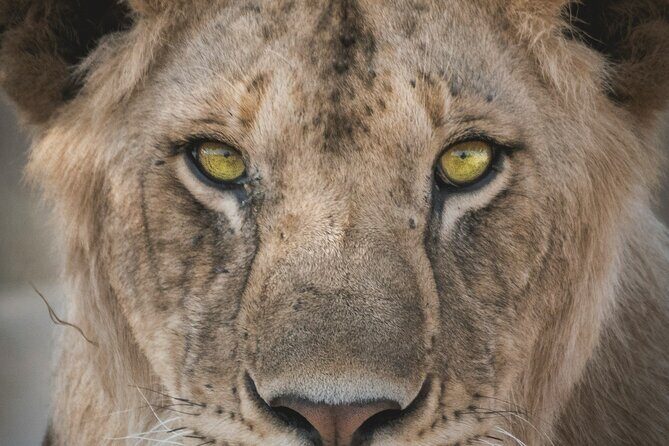
The tour includes four breakfasts, four lunches, and four dinners, which is one of the best value elements in the whole package. Safari days are too long to treat meals as an optional side quest. Having food handled means you can stay focused on the day’s viewing plan.
The same practical logic applies to picnic lunches during game drives. You don’t lose entire chunks of wildlife time to driving out for food, waiting, and then driving back.
Accommodation details in the info are general, but the overall message is positive: lodges/camps used during overnight stays are described as good, and the cooking is praised on camping days. If you care about comfort, this setup usually lands in the “comfortable enough to recover” category, not luxury resort living. That’s fine, because the main event is the parks.
Price and Value: Is $1,900 Worth It?
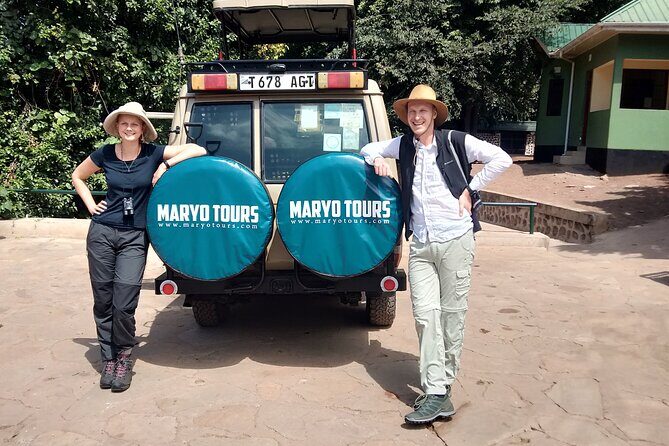
Let’s talk numbers without pretending safari is cheap anywhere in Tanzania. At $1,900 per person for a 4-day small-group trip, you’re paying for three things:
- Time in multiple national parks with long game drives rather than short, rushed blocks.
- Private transportation and covered in-vehicle logistics like parking fees.
- Meals across the entire trip, plus park access described as included for later days and free admission for Tarangire day.
So what value should you look for when deciding?
- If you want a focused wildlife itinerary with minimal planning work, the bundled meals and transport matter.
- If you want to optimize animal-watching time, the multi-drive structure helps.
- If you’re comparing costs, check what’s actually included: this tour covers food, and it mentions admission ticket coverage for several park days.
Potential consideration: $1,900 can feel like a lot if your trip dates are uncertain, or if you’re hoping to add extra activities outside the parks. The info specifically says things like snorkeling and scuba equipment or Segway are not included, so don’t assume you can swap in water or other activities during downtime.
Choosing the Right Fit: Who This Safari Suits Best
This tour fits best if you’re coming to Tanzania for the parks and you want a guided plan that maximizes wildlife time. It’s also a good match if you like having expert help. Guides such as Francisco are praised for being experts at knowing animals, and Andrea is highlighted for patience and kindness while explaining what’s happening.
It’s also a strong choice for couples and small groups who want the comfort of a private setup without the cost and complexity of fully custom touring. The tour style is described as most travelers can participate, which usually means the physical demands are manageable as long as you’re prepared for long days and some uneven terrain inside parks.
If you’re the type who needs a slow itinerary, lots of free time, or frequent quiet breaks, you might find the pace heavy. This is safari, not a casual city tour.
What to Pack and How to Prepare (So the Safari Feels Better)
Even with everything included, safari comfort comes down to small choices. Pack for heat and sun, since you’ll be outside for game drives and scanning for animals. Bring a hat and sunscreen, and keep water in mind when you’re on long days.
Bring your patience too. When wildlife doesn’t show immediately, you’re not doing anything wrong. You’re just giving the guide time to position you, and giving yourself time to notice small movements.
And because the plan specifically recommends having your camera ready on crater day, assume you’ll want to shoot photos and maybe video through a vehicle. A strap and a lens cloth can save you from sweaty fingerprints and dust.
Should You Book This 4-Day Tanzania Safari?
If your priority is seeing big animals across Tarangire, Serengeti, and Ngorongoro with a guided plan and meals included, this tour is a solid pick. I especially like the structure: multiple game-drive windows, a crater day that focuses on action, and enough time in each place to feel like you’re actually there.
If you’re sensitive to long driving days or you want lots of downtime, you may feel “on duty” for four straight days. In that case, consider whether you’d prefer fewer parks or a slower pace.
My take: book it if you’re ready to trade comfort for sightings—and if you want expert guidance that helps you spot animals without turning the day into stressful guesswork.
FAQ
What parks are included on the 4-day safari?
The tour visits Tarangire National Park, Serengeti National Park, and the Ngorongoro Conservation area, including Ngorongoro Crater. It also includes a stop at Olduvai Gorge.
Where is the meeting point in Arusha?
The meeting point is Kizumba House, TZ, Kanisa Rd, Arusha 1736, Tanzania.
Is pickup from your hotel included?
Yes, pickup is offered. The first day includes pickup at 8:30 AM from your hotel in Arusha.
What meals are included during the tour?
Meals included are breakfast (4), lunch (4), and dinner (4), for the full 4 days.
Are park admission tickets included?
Admission is described as free for Tarangire on day one. For Serengeti and Ngorongoro days, admission ticket is listed as included.
What animals does the tour aim to help you see?
The tour plan highlights animals such as lions, elephants, zebras, giraffes, buffalo, hippos, and more. Ngorongoro Crater specifically lists black rhino among the possible sightings.
Is cancellation free, and how far in advance do I need to cancel?
Free cancellation is available up to 24 hours in advance. To get a full refund, you must cancel at least 24 hours before the experience’s start time. Changes less than 24 hours before start are not accepted.