REVIEW · ARUSHA
4 days safari
Book on Viator →Operated by Making Memories In Africa · Bookable on Viator
Safari days, big-animal nights, smart guiding. This 5-day safari (four park days) runs from Arusha with pickup from Shoppers Supermarket and a small group of 6, which keeps the drives more focused and less chaotic. I like that Day 1 spotlights Tarangire with its famous all-year river and baobabs, so you start with wildlife that’s easier to find when the weather turns dry.
Second, the team behind the wheel and in the camp gets real credit. Guides such as Joel and Joseph, plus others like Jackson, are praised for spotting animals and answering questions, while cooks including Chef Joachim (Mr. D / Mr. Delicious) are repeatedly mentioned for seriously good meals during the camping portion.
One possible drawback to plan for: you’ll sleep in campsite-style accommodations on multiple nights (budget camping plus specific campsites), so this is not a lodge-and-bathroom-everywhere kind of trip.
In This Review
- Key things that make this safari tick
- Day 1 in Tarangire: elephants, baobabs, and that year-round water
- Serengeti across two days: resident wildlife and big-cat chances
- Ngorongoro crater morning: why the caldera matters
- Lake Manyara via Maasai village: Rift Valley scale plus a culture stop
- Price and value: what $1,300 buys (and what it won’t)
- Camping nights and meals: comfortable enough, but not pretending it’s a hotel
- Guides make the day: why Joel, Joseph, and Jackson show up in the praise
- Getting around Tanzania: long drives you’ll actually tolerate
- Who this safari fits best (and who should look elsewhere)
- Should you book this Arusha safari?
- FAQ
- FAQ
- What parks are included on this safari?
- How long is the safari?
- Where does the safari start in Arusha?
- Is pickup offered?
- How many travelers are in the group?
- Do you provide a mobile ticket?
- What meals are included?
- What type of accommodation is provided?
- What is not included in the price?
- What is the cancellation policy?
Key things that make this safari tick
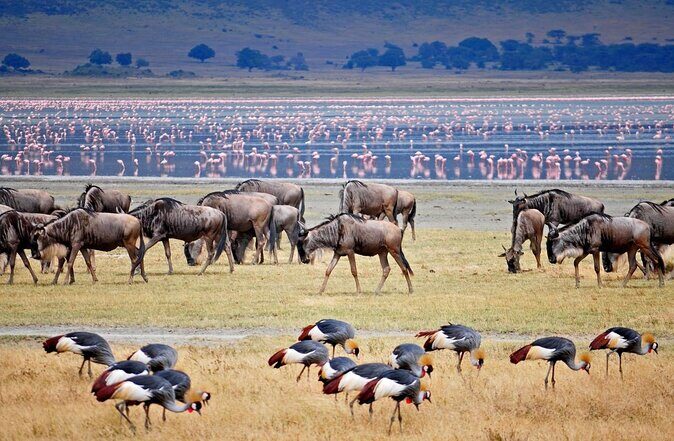
- Small group cap (max 6) so game drives feel more like shared searching than a long cattle line
- Tarangire first for elephants, baobabs, and the all-year Tarangire River
- Serengeti two full days focused on resident wildlife and strong big-cat odds
- Ngorongoro crater early start for dense wildlife in the caldera
- Lake Manyara route via Maasai village adds culture stops to the drive plan
- Camping nights + meals included (breakfast/lunch/dinner) which lowers day-to-day costs
Day 1 in Tarangire: elephants, baobabs, and that year-round water
Tarangire National Park is a smart opener because it’s built around water. The park’s Tarangire River flows all year, which means animals have a reason to gather there even in drier stretches. If you’ve ever watched safari timing go sideways, you’ll appreciate this: less waiting, more wildlife action.
Tarangire is also where you get the classic visual combo. You’ll be looking for large elephant herds, and the park is known for baobab trees (often called the Tree of Life). Another Tarangire highlight is the possibility of tree-climbing lions, which is exactly the sort of thing you want on Day 1—different from the usual grassland routine.
A note on expectations: Day 1 includes a drive from Arusha, and then the park day itself runs for about 6 hours. That’s a lot of movement for day one, but it’s normal for safaris. If you’re the type who hates early starts, you’ll want to mentally budget for a slightly tired evening.
A few more Arusha tours and experiences worth a look
Serengeti across two days: resident wildlife and big-cat chances
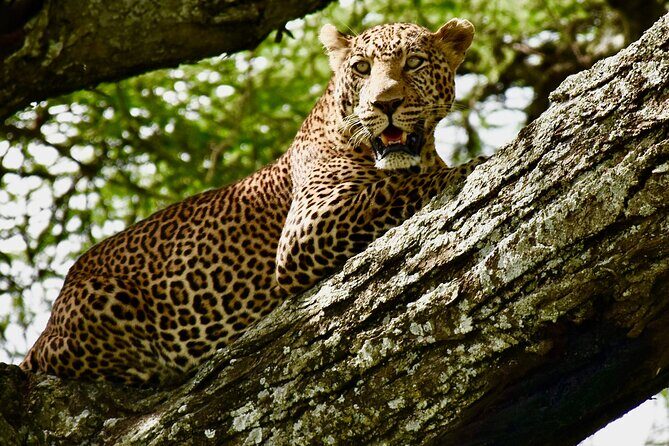
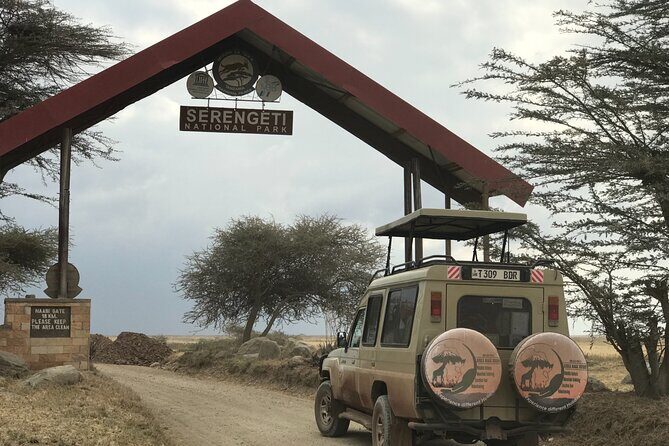
Serengeti is where the safari story really gets going. This route is designed for more than one day in the Central Seronera area, which matters because wildlife isn’t predictable. With two days, you gain time for the small swings that make safari viewing feel like a real hunt—different light, different animal routines, and different chances at the best sightings.
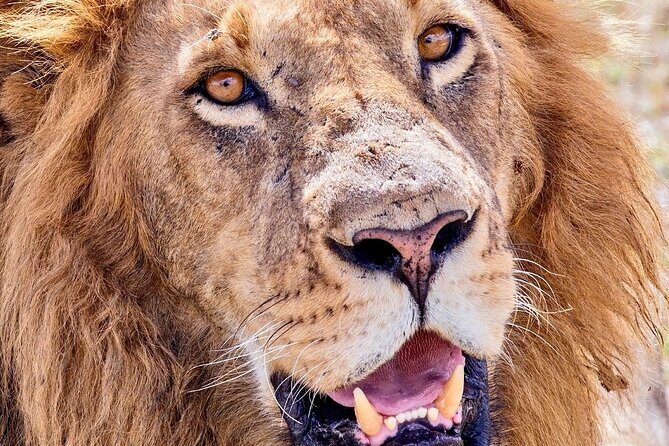
The promise here is resident wildlife, especially predators. The itinerary specifically calls out the Big Five—lion, leopard, elephant, rhino, buffalo—and Serengeti’s strong lion presence. It also notes a big reason for that: a healthy prey base. In practice, that means your guide can often keep the day moving toward areas with active animal signals instead of just crossing fingers.
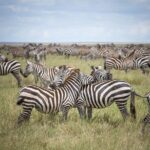
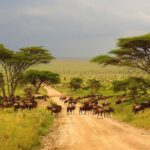
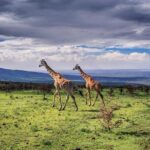
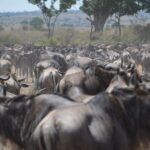
Serengeti also comes with numbers that help you picture the scale. The tour information references about 200,000 zebras and 300,000 Thomson’s gazelle in the area, joining wildebeest movement for grazing. When you’re in a place that large, animals don’t all behave like they’re on a schedule. Two days is your chance to catch what the first day didn’t deliver.
You’ll spend the night in budget camping on the Serengeti leg, then return for another Serengeti day before moving on. That overnight-to-next-day rhythm is good: it helps you avoid the “park for a few hours then race” problem that can drain both energy and sightings.
Ngorongoro crater morning: why the caldera matters
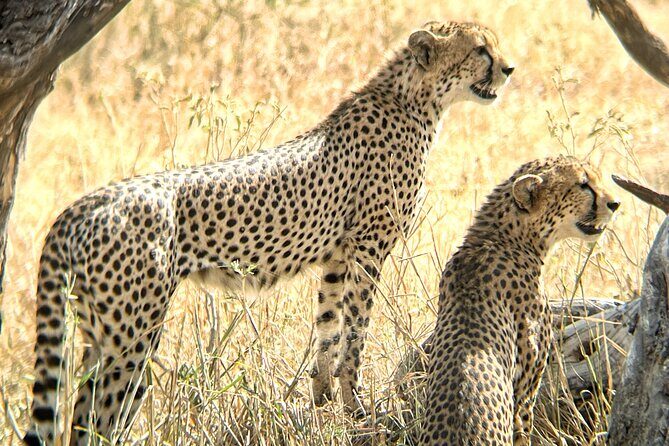
Ngorongoro is one of those places where everyone ends up talking about the same thing for a reason: it concentrates wildlife. The route heads to the Ngorongoro Conservation Area for an early morning game drive, then you get Ngorongoro Crater itself.
The crater is described as the world’s largest caldera and as having a high concentration of wildlife—around 25,000 animals. Whether or not you’re a wildlife nerd, you’ll feel the effect of that density. When animals are packed into a confined bowl, your sightings tend to be more frequent, and you’ll likely spend more time watching behavior and less time scanning empty ground.
Timing is the other big factor. The day is set up for an early drive, and that’s not just tradition. Morning typically gives calmer conditions for spotting and a more productive window for game viewing. If you’re worried about early wake-ups, this is the day to prepare for it—start-of-day energy matters here.
After the crater day, you sleep at panorama campsite. Camping is part of the deal, but Ngorongoro is also the kind of place where the effort feels worth it. You’ll get a lot of “did that really happen” moments simply because the terrain funnels so many animals into one visible zone.
Lake Manyara via Maasai village: Rift Valley scale plus a culture stop
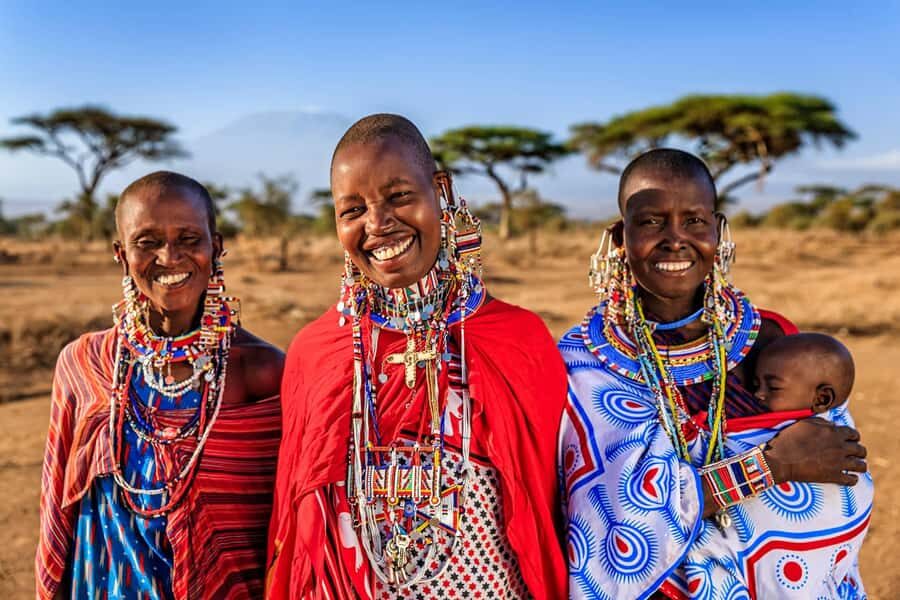
On the way to Lake Manyara, the itinerary includes a drive via Maasai village. That’s a nice contrast to pure park time. You get a chance to see the human side of this region rather than treating the trip as only a wildlife checklist.
Lake Manyara National Park itself is introduced with cultural context. The park name comes from the Maasai word Manyara, associated with Euphorbia tirucalli—a plant the Maasai people use for livestock stockades. The tour info even notes a specimen at the park entrance. It’s a small detail, but it’s the kind of thing that makes your walk into a park feel grounded.
You also get a reminder of scale from geology. The itinerary mentions the Great Rift Valley as a major fault line stretching roughly 8,000 kilometers and even notes that it was visible from the moon. That’s the sort of fact that turns a “we drove there” day into “wait, this is enormous.”
The afternoon ends with transport back to your hotel. This day can feel a bit more relaxed than the crater morning day because you’re not racing to a single big-ticket drive window. Still, it’s part of the full circuit, and that’s the trade: fewer parks than a mega-trip, but more time to live each one.
Price and value: what $1,300 buys (and what it won’t)
At $1,300 per person for this safari circuit, the value mostly comes from what’s included and how the itinerary is paced. The tour lists all fees and taxes plus a set of meals: breakfast (4), lunch (5), and dinner (4). That matters on safari because food costs can add up fast once you’re out in the bush.
It also says pickup is offered and that the parks have admission ticket free pricing included in the package. If you’re comparing options, this is a key line item. Park entry fees can vary, and it’s easy to underestimate them when you’re looking only at the headline safari rate.
The other side of the value equation is camp type and group size. With a max of 6 travelers, you’re paying for a smaller-group experience rather than a huge convoy. Many people end up happier with fewer people sharing the vehicle and the same guide attention.
What’s not included is also clearly stated. You should budget for tips and gratitude for the driver/guide and safari cook, plus visas and “things of personal nature.” That’s normal, but you don’t want to get to the end and realize you haven’t planned for it.
A few more Arusha tours and experiences worth a look


Camping nights and meals: comfortable enough, but not pretending it’s a hotel
This tour uses camping-style accommodations, specifically mentioned as budget camping, simba campsite, and panorama campsite. That’s a big deal for expectations. You’ll likely have fewer comforts than you’d have at a lodge, and you’ll want to pack for cool evenings and basic camp logistics.
The upside is that the itinerary feeds you without you having to hunt down meals. With multiple breakfasts, lunches, and dinners included, you keep your safari time focused on game drives instead of day-to-day planning. And in the camp, cooks such as Joachim and “Mr. D / Mr. Delicious” are repeatedly praised, which suggests the food part isn’t an afterthought.
Bring what makes camping workable for you: a good sleep layer, a flashlight/headlamp, and any personal hygiene essentials you usually rely on. The tour includes meals, but it does not list items you might consider personal comforts.
Guides make the day: why Joel, Joseph, and Jackson show up in the praise
Wildlife viewing is part chance, part skill. On this safari, the human factor gets a lot of credit in the information you provided. Guides including Joel, Joseph, and Jackson are highlighted for being friendly and for knowing the parks well enough to guide you toward strong viewing spots.
What I like about that pattern is simple: the best safari days aren’t just about having an animal on the move. They’re about understanding where to look and how to interpret what you see. The tour info also emphasizes that the guides can answer questions about animals and their ways of living, which makes sightings feel more meaningful than just a photo sprint.
You’ll also notice the cook’s role getting mentioned again and again. When the team feeds you well in a camping setting, it changes the vibe. It’s hard to maintain good energy for early mornings if dinner is disappointing.
Getting around Tanzania: long drives you’ll actually tolerate
Your itinerary includes several drive blocks, often around 6 hours between major areas. That’s not a sprint, and it’s not a relaxing Sunday drive either. The practical takeaway is to plan for time on the road as part of the safari experience, not something extra you resent.
One strategy is to keep your expectations clear: you’re not doing tiny transfers where you pop out for a quick stop. You’re doing a classic circuit—Tarangire to Serengeti to Ngorongoro to Lake Manyara—with substantial travel days. The best way to get through it is to treat the drive as “transit into the next wildlife chapter.”
If you’re sensitive to long days, consider bringing snacks for the road that cover personal preferences, even though meals are included on the planned schedule. The tour does not list all snack rules, so plan based on your own habits.
Who this safari fits best (and who should look elsewhere)
This is a good fit if you want a focused route with multiple days in the big parks. You’re spending time in Serengeti across more than one day, then doing Ngorongoro for that high-density morning, plus adding Tarangire and Lake Manyara without turning it into a whirlwind.
It’s also a good match for couples and small groups who like a more personal feel. With a maximum of 6 travelers, you’re more likely to get real attention during viewing windows rather than fighting for viewpoints.
If you strongly prefer lodge stays, hot showers on demand, and zero early mornings, you might find the camping portion a stretch. The itinerary is built around campsite nights, and that’s a dealbreaker for some people. The upside: you get a more hands-on safari style and keep the package value sharper.
Should you book this Arusha safari?
If you’re aiming for a classic northern Tanzania circuit with Tarangire + Serengeti + Ngorongoro + Lake Manyara, this itinerary makes sense. The value looks solid because meals and park admissions are included, and the group size stays small at 6 travelers. Add the repeated praise for guides like Joel/Joseph/Jackson and the camp cooking of Chef Joachim (Mr. D / Mr. Delicious), and you’ve got a recipe that tends to work.
I’d book if you’re comfortable with camping-style nights and you don’t mind the daily reality of early starts and long drives. I wouldn’t book if you need lodge comfort as a non-negotiable.
FAQ
FAQ
What parks are included on this safari?
The itinerary includes Tarangire National Park, Serengeti National Park (visited over multiple days), Ngorongoro Conservation Area / Ngorongoro Crater, and Lake Manyara National Park.
How long is the safari?
The itinerary is listed as about 5 days.
Where does the safari start in Arusha?
The start is at Shoppers Supermarket, Arusha, Tanzania.
Is pickup offered?
Yes, pickup is offered.
How many travelers are in the group?
The tour has a maximum of 6 travelers.
Do you provide a mobile ticket?
Yes, mobile ticket is listed as a feature.
What meals are included?
Meals included are breakfast (4), lunch (5), and dinner (4).
What type of accommodation is provided?
The itinerary lists budget camping, simba campsite, and panorama campsite as overnight options.
What is not included in the price?
Not included are personal items, tips and gratitude for the driver/guide and safari cook, and visas.
What is the cancellation policy?
The tour offers free cancellation up to 24 hours in advance for a full refund. If you cancel less than 24 hours before the start time, it’s not refunded.