REVIEW · ARUSHA
Living Among Lions
Book on Viator →Operated by Soul of Tanzania · Bookable on Viator
Five days is the sweet spot. This Arusha-based safari mixes Lake Manyara, two full days in Serengeti, and a crater morning that’s timed for action.
I especially like the not-rushed rhythm: one day-long game drive in the Serengeti, plus flexible timing that lets you choose whether you want full-day searching or a calmer break in camp. Another big plus is Ngorongoro’s early start, built around that crater-floor payoff—hippos, big mammals, and the kind of sunrise that makes you forget the alarm.
One consideration: with this schedule, you’ll be up early and doing long drives between parks, so it helps if you’re the type who actually enjoys the ride as part of the safari.
In This Review
- Key Takeaways Before You Book
- Entering the Great Rift Valley: Lake Manyara in One Long Wildlife Day
- Serengeti National Park: Two Nights, One Not-Rushed Game-Drive Style
- Day Structure That Keeps You From Feeling Rushed
- Ngorongoro Crater: Early Descent, Hippo Lake Picnic, and Black Rhino Odds
- The Hippo-Lake Style Lunch Break
- What You’re Paying For: Park Time, Meals, and Private Guiding Value
- What’s Not Included (So You Can Budget Without Stress)
- Getting the Most From 6am Starts: Practical Safari Timing That Works
- A Note on Guides and How They Affect the Day
- Who This Safari Suits Best (and Who Might Want a Different Plan)
- Should You Book Living Among Lions?
- FAQ
- What parks are included on the route?
- How early do you start?
- Are meals included?
- Is there a guide tip included in the price?
- Are park admission tickets included?
- Is this a private safari?
- Can I change my dates or get a refund?
Key Takeaways Before You Book
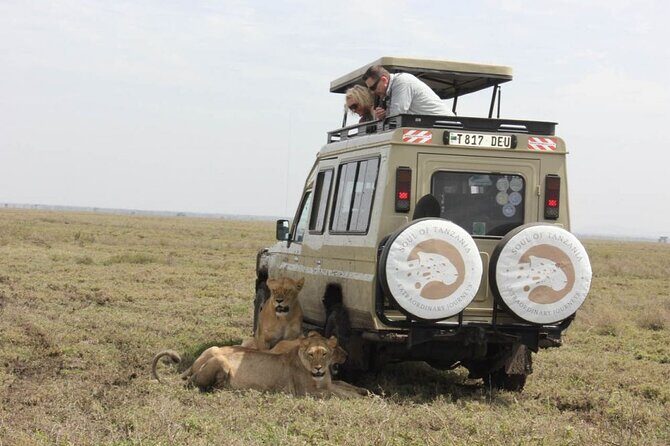
- Big Five focus, without the race-the-clock feel: You get time for full drives, not just quick hit-and-runs.
- Lake Manyara adds variety: Acacia forests, baboons/blue monkeys, and the famous tree-climbing lion story line.
- Serengeti is flexible: Your day can be a morning-and-afternoon plan or a full day out.
- Ngorongoro is the centerpiece for timing: Early crater descents and a hippo-lake style picnic.
- Meals and some park admissions are included: Dinner, breakfast, lunch, plus admission fees as listed on safari days.
- Private means your group sets the pace: Only your group participates, with guiding and pickup built in.
Entering the Great Rift Valley: Lake Manyara in One Long Wildlife Day
This itinerary starts with a full day game drive out of Arusha, with a scenic push across the Great Rift Valley. You’ll spend the day in Lake Manyara National Park, which is smaller than some of Tanzania’s heavy hitters, but it packs in a lot of scenery and animal life.
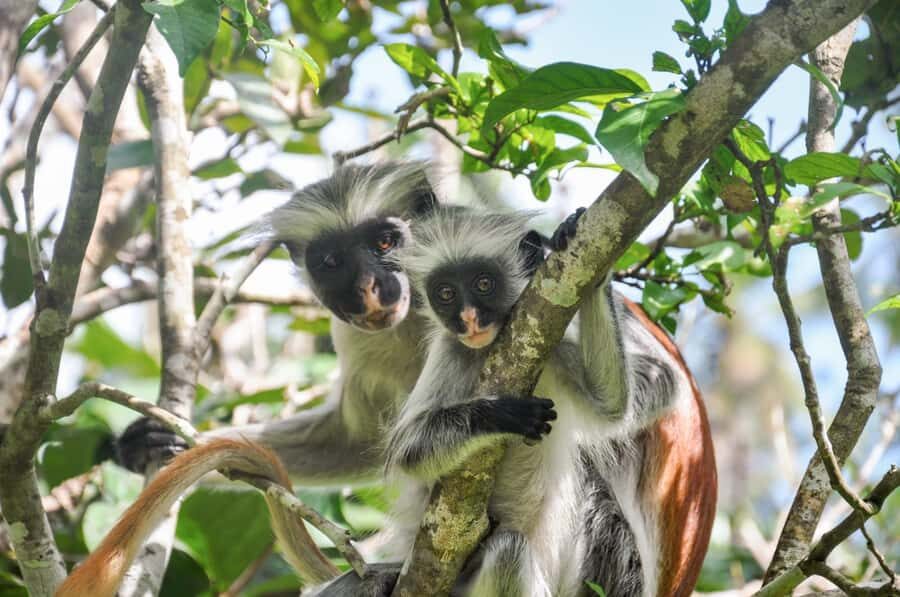
What makes Manyara worth your time is variety. The park is known for lush acacia forest and huge trees like giant figs and mahogany. That kind of habitat isn’t just pretty—it changes what you can spot. Instead of only open savanna viewing, you also get forest edges where primates and predators may show up. You might see baboons and blue monkeys, and you’ll have a solid chance at giraffes, elephants, impalas, and buffalo.
Then there’s the “wait, I didn’t expect that” stuff:
- Lake Manyara is tied to hippos, since the lake is home to them.
- It’s also known for flamingos at the lakeshore when conditions line up.
- Birdlife can be a real add-on here, with mention of ground hornbill and crested eagle.
- And yes, the famous connection to tree-climbing lions is part of Manyara’s identity, even if sightings aren’t guaranteed.
My take on value: Manyara works as a warm-up day because it’s different from Serengeti open plains. You go into the trip with more habitat types in your head, and that can make the later parks feel even bigger.
Possible drawback: It’s a long day in the vehicle. If you’re someone who hates sitting for hours, consider how you’ll manage rest breaks and hydration, because there’s no “easy mode” here.
You can also read our reviews of more tours and experiences in Arusha.
Serengeti National Park: Two Nights, One Not-Rushed Game-Drive Style
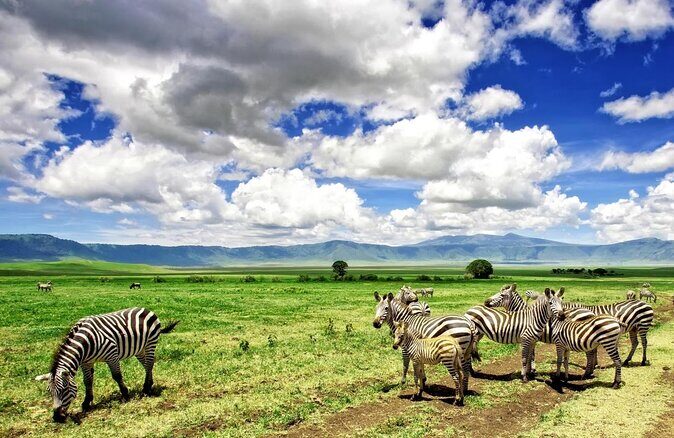
After breakfast, you head toward the Serengeti National Park. The drive is part of the experience: you travel up through the crater highlands, with a quick stop at the rim for a dramatic view of Ngorongoro Crater before you even get to the Serengeti.
Once you’re in Serengeti, the terrain is the show. The park’s meaning—endless plains—isn’t a marketing phrase here. It’s exactly what you feel when the grassland stretches out and the horizon seems far too clean and far too wide.
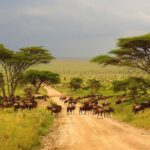
This is also prime territory for the kind of wildlife photography that isn’t only about close-up animals. It’s about scale: herds moving like a living map, predators working the edges, and migration timing when it happens.
A quick reality check: the Great Migration is a major highlight here, with mention of about two million wildebeests. But migration isn’t a switch you flip on demand. What you can count on is Serengeti’s ability to deliver wildlife density and variety when the day’s conditions match what the animals want.
Day Structure That Keeps You From Feeling Rushed
You get a full Serengeti day after an early start. The key advantage is that your schedule can be shaped around your preferences. You can do:
- a morning drive, then return for lunch and downtime, then go out again in the afternoon, or
- go for a longer full-day drive with picnic lunch.
That flexibility matters because safari “best timing” is a real thing. Animals move when they move. Heat, cloud cover, water activity, and herd behavior all change what’s worth chasing. Having a day that isn’t locked into one rigid pattern can make the difference between seeing wildlife and seeing wildlife at the moment you want to remember.
My take on the second Serengeti day: It’s not just about collecting more animals. It’s about learning the rhythm of the ecosystem. By day two, you start recognizing patterns—where predators might wait, where grazers will cluster, and how herds shift across the grassland.
Small consideration: Flexibility is great, but it can also mean you’ll want to speak up early. If you want more time searching for certain animals (or you want a calmer pace), ask for it when the guide is planning timing.
Ngorongoro Crater: Early Descent, Hippo Lake Picnic, and Black Rhino Odds
Ngorongoro is where the trip turns from “amazing safari” into “how is this real?” You’ll start with an early wake-up to do an early morning game drive. That timing isn’t random. Early light and cooler temperatures often bring more movement—and it’s also when the crater can feel most dramatic.
The crater itself is huge and bowl-shaped, with mention of 102 square miles of area and walls around 2,000 feet high. The geography matters. Because you’re descending into a contained ecosystem, animal viewing can feel more concentrated than in some open plains areas.
Here’s what Ngorongoro is famous for in your best-case day:
- Hippos around the hippo lake area
- flamingos (noted generally for Lake Manyara, but in East Africa soda-lake systems, birds can also be part of the crater story at times)
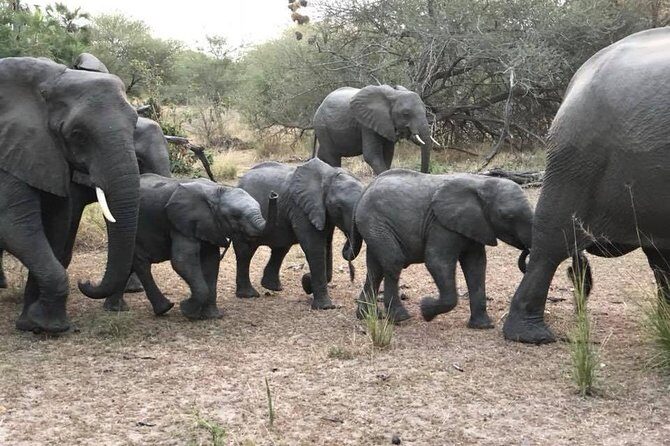
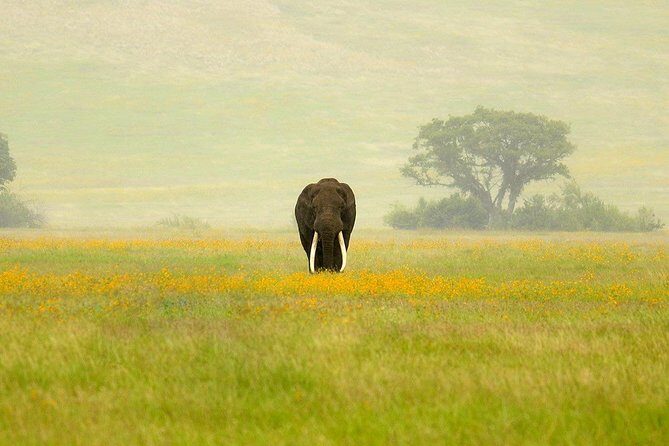
- elephants and other large mammals
- and the big note: the crater is one of the rare places in East Africa where you can see the black rhino.
You do an afternoon-and-evening exit planning too. The itinerary includes a return to Arusha around mid-afternoon (with flexibility depending on flight timing or other needs).
The Hippo-Lake Style Lunch Break
After the morning crater drive, you’ll have time for a picnic lunch near the hippo lake, then a short game drive before ascending and leaving the conservation area.
That’s a smart rhythm. It breaks up the intensity so you can digest what you’ve seen. Also, once you’ve spent the morning on the crater floor, you’ll have a clearer sense of where animals tend to congregate.
Reality check: Even with strong odds, wildlife sightings are never guaranteed. What you’re buying is access to a top-tier ecosystem at the best time of day, not a promise that a specific animal will be in front of you.
What You’re Paying For: Park Time, Meals, and Private Guiding Value
At $3,872 per person for about five days, this isn’t a budget safari. It’s a mid-to-premium style package, and the real question is whether the inclusions match what you care about.
Here’s the part that helps justify the cost:
- Pickup offered from your hotel and a planned start time early in the morning.
- Private tour/activity, meaning only your group participates.
- Meals are included: dinner (5), breakfast (4), and lunch (5) are listed.
- Admission tickets are included on days marked that way, including both Lake Manyara and the Ngorongoro segments (and at least part of the Serengeti time).
On top of that, the itinerary is built around real animal-viewing blocks, including a long Serengeti day and crater timing. In safari terms, time is money because park fees are tied to days and wildlife doesn’t show up on a schedule your calendar can control.
What’s Not Included (So You Can Budget Without Stress)
The main exclusions are:
- Tips for your guide: recommended at $10 USD per person per day.
- Meals outside safari (unless specifically mentioned).
- International visa for Tanzania.
- International airfares and airport taxes.
Also, remember: the experience is listed as non-refundable and cannot be changed for any reason if you cancel. That’s not fun to hear, but it matters. If your travel dates might shift, plan carefully.
My advice on value: If you want Big Five chances, you’re trying to see both Serengeti and the crater in a short window, and you don’t want your day chopped into tiny time slots, this price can make sense. If you’re mainly chasing one park and you don’t care about timing, you may be able to spend less.
Getting the Most From 6am Starts: Practical Safari Timing That Works
This trip has a built-in early schedule. The meeting/start time is listed as 6:00 am, and the itinerary also emphasizes waking early for crater drives and sunrise viewing.
Here’s what that means for you, practically:
- Pack for sun and wind. Crater mornings can feel different from warm afternoons.
- Keep your camera ready. A lot of the best moments happen when you’re already watching and moving with the guide, not after you rummage for settings.
- Expect long stretches of vehicle time. If you’re prone to motion discomfort, bring what you normally use.
A Note on Guides and How They Affect the Day
In safari life, the guide’s driving and scanning can make a huge difference. The names that show up across guided experiences linked to this route include people like Emmanuel, Losioki, Njere (also called Stanley), Omari, Habibu, Arnold, Walter, James (CLH), Dennis, Wilson, Morris, Edward, and Cleopa.
What consistently comes through in those stories is calm driving, patience while searching, and camera-aware positioning—basically, the difference between just seeing animals and getting the chance to watch them properly.
You’ll still be at nature’s mercy, but good guiding helps you maximize odds.
Who This Safari Suits Best (and Who Might Want a Different Plan)
This is a strong fit if you:
- want Serengeti plus Ngorongoro without extending your vacation to a long 7–10 day trip,
- like the idea of a flexible Serengeti day (full day vs split drives),
- don’t mind waking early if it buys better wildlife activity,
- and prefer private pacing over a busy group schedule.
It may not be the right match if you:
- dislike early starts and long driving days,
- are on a tight budget and don’t want to pay premium pricing for time, park access, and guiding,
- or want a schedule with lots of late mornings and minimal vehicle time.
If you’re traveling with kids, the key question is tolerance for vehicle time and early mornings. One of the values of this style of safari is that it can be shaped to preferences, but it’s still a safari schedule.
Should You Book Living Among Lions?
I’d book it if you want a well-structured route that hits Lake Manyara, gives two Serengeti nights with real time on the ground, and includes Ngorongoro with an early start. The value angle here is simple: you’re not just checking boxes—you’re buying better viewing opportunities through pacing and timing.
I’d think twice if the early wake-ups sound miserable, you’re price-sensitive, or you might need to change dates after booking. In this style of safari, timing is part of the product.
If you’re excited by the idea of tree-climbing lions in Manyara lore, wide-open Serengeti plains, and a crater morning where animals can feel concentrated, this is a solid plan.
FAQ
What parks are included on the route?
The safari route includes Lake Manyara National Park, Serengeti National Park (with two nights in the Serengeti area), and Ngorongoro Crater / Ngorongoro Conservation Area.
How early do you start?
The meeting/start time is listed as 6:00 am. The itinerary also specifies early morning wake-ups, especially for crater viewing.
Are meals included?
Yes. The experience lists 5 dinners, 4 breakfasts, and 5 lunches as included.
Is there a guide tip included in the price?
No. Tips for the guide are not included, and the recommendation is $10 USD per person per day.
Are park admission tickets included?
Admission tickets are included on the days marked as included in the itinerary. Some segments are listed as Admission Ticket Free, so what you pay is not uniform across every stop.
Is this a private safari?
Yes. It’s listed as a private tour/activity, with only your group participating.
Can I change my dates or get a refund?
No. The experience is listed as non-refundable and cannot be changed for any reason.