REVIEW · ARUSHA
3 Days private safari Tarangire ,Ngorongroro crater &Manyara
Book on Viator →Operated by Simbaland Magic Tours · Bookable on Viator
Three parks, one unforgettable route.
This 3-day private safari in Tanzania is built around big wildlife moments and easy spotting, with the biggest “wow” coming from Ngorongoro Crater’s enclosed habitat where animals can’t wander off. I particularly love how the route matches animal behavior to your driving time: Tarangire is famous for elephant groups and baobabs, then Ngorongoro gets you down onto the crater floor for the rare black rhino search, and finally Lake Manyara adds birds plus a chance at the tree-climbing lions. The one drawback to consider is timing: Day 2 starts very early (breakfast around 6:20am), and you’ll do long drives between parks, so comfortable patience matters as much as comfort.
What makes it work well is the private setup: pickup is offered, you travel with your own group, and you’re guided and planned shot-by-shot for sightings. I also like that the operator includes a chef during the early park day, so the day feels smoother instead of turning into a scavenger hunt for snacks. The trade-off is price: $1,600 per person is not cheap, so you’ll want to be sure this is the kind of safari where you’ll actually use the advantage of being private.
In This Review
- Key highlights at a glance
- Entering Tarangire: elephants, baobabs, and predator odds that feel realistic
- Ngorongoro Crater viewpoint and the black rhino reality check
- Lake Manyara: flamingos, hippos, and a chance at tree-climbing lions
- Private safari pacing: why long drives feel easier with the right plan
- Guide impact: Hassan and Elijah show what good safari coaching looks like
- Price and value: what $1,600 per person is really buying
- Who should book this 3-park private safari (and who might not)
- Should you book this safari?
- FAQ
- What parks are included in the 3-day safari?
- Is this tour private?
- How long is the safari?
- Is pickup included from Arusha?
- What time does Day 1 start?
- Does the tour include admission tickets?
- What animals can I expect to see?
- Where do we stay on the night after Ngorongoro?
- What if the weather is poor?
Key highlights at a glance
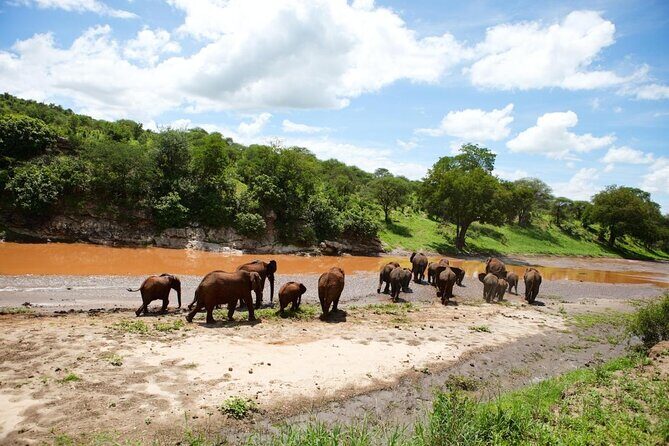
- Tarangire first: elephants, ancient baobabs, and steady game-drive chances for both herbivores and predators.
- Ngorongoro crater floor: stunning viewpoint energy, then a focused hunt for the elusive black rhino.
- Tree-climbing lions at Lake Manyara: not guaranteed, but the park’s reputation puts the odds on your side.
- Lake Manyara birds + flamingos: add a different flavor of wildlife beyond the usual big mammals.
- Private day-by-day pacing: only your group, with a guide who helps you read the animals’ patterns.
Entering Tarangire: elephants, baobabs, and predator odds that feel realistic
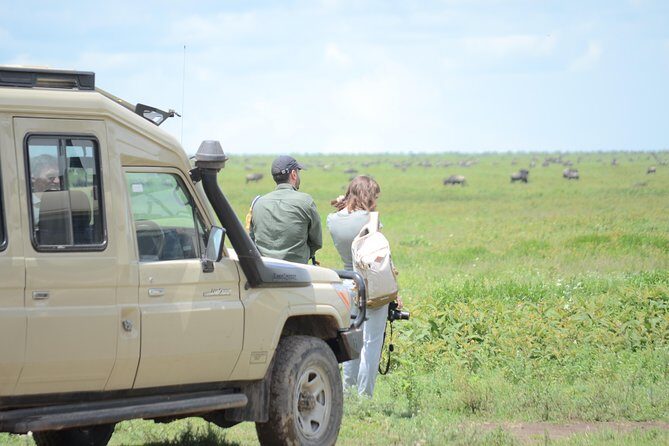
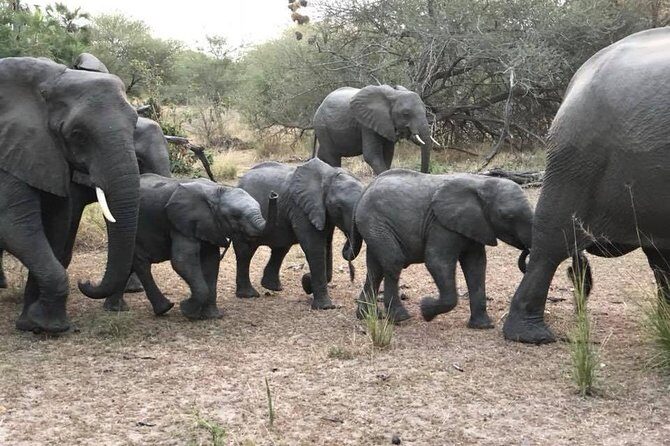
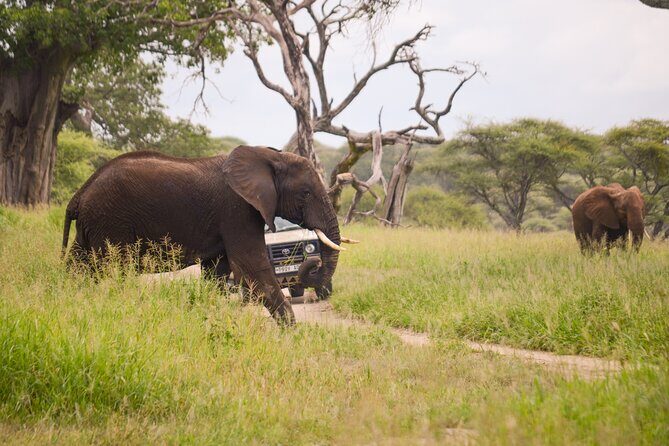
Tarangire sets the tone fast. After pickup from Arusha around 8:00am, you head out on about a 2-hour drive into a park known for its mix of habitats and its famous ancient baobab trees. This matters because Tarangire isn’t just about having elephants in the brochure way—it’s about seeing them do what elephant families do: move in groups, pause to feed, and respond to the presence of other animals.
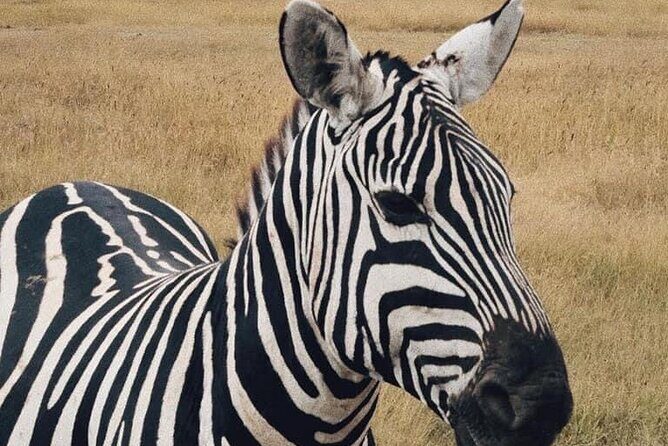
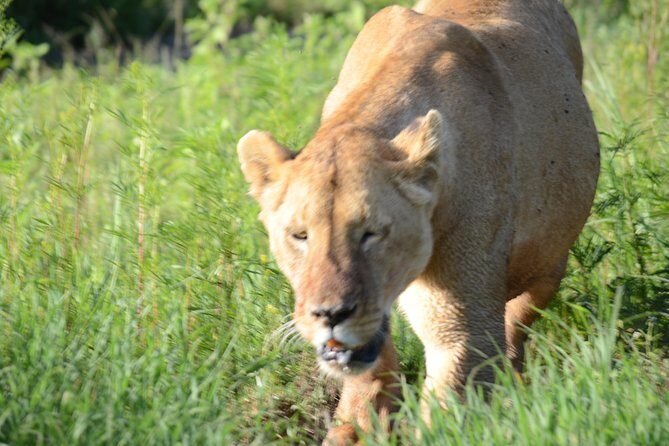
The big reason I like starting here is that Tarangire gives you a strong “first-day win” even if a predator is having an off day. Your game drive is done depending on where sightings are reported, and that approach helps when you’re hunting for the harder-to-spot cats like lions, cheetahs, and leopards. Meanwhile, the herbivores come through more often—giraffes, zebras, wildebeest—so you’re rarely staring at empty ground for long.
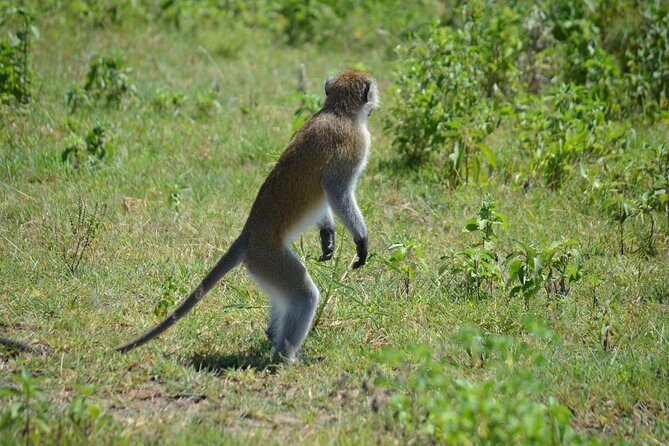
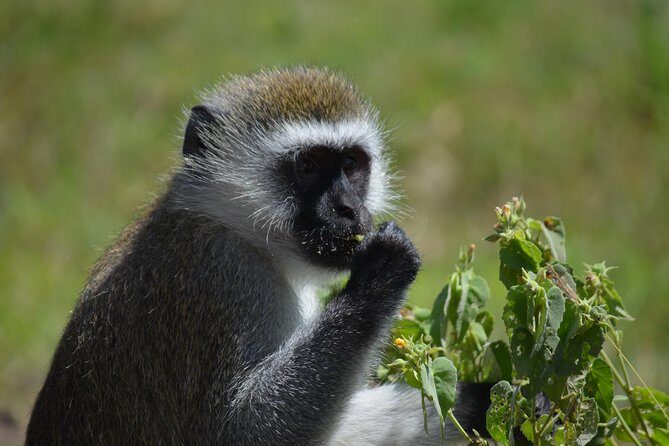
If you enjoy the smaller details, Tarangire also has a good lineup of wildlife that rounds out the big moments: warthogs, monkeys, baboons, and even reptiles like pythons can show up on the right track. Vultures and other birds can add motion overhead while you scan for movement down on the plain.
Practical tip: bring binoculars if you have them. In parks where you’re constantly tracking reports and shifting where you park, binoculars save time and make distance animals easier to judge.
You can also read our reviews of more private tours in Arusha

Ngorongoro Crater viewpoint and the black rhino reality check
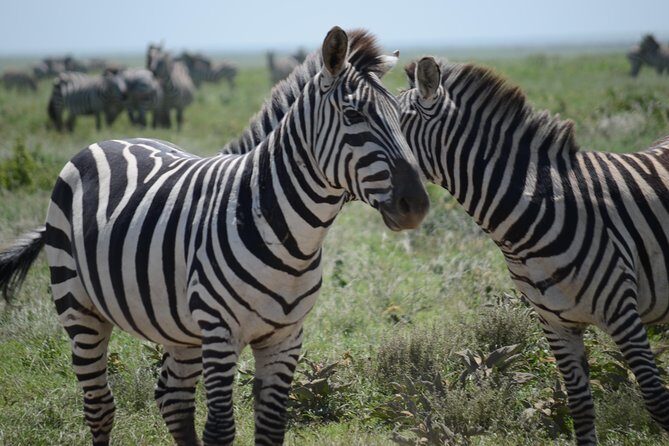
Day 2 is the emotional center of this safari. You leave after early breakfast around 6:20am, then head for the Ngorongoro viewpoint. Getting to the viewpoint before the day fully heats up is a smart rhythm; you’ll have that “how is this even real?” kind of view, where the crater feels like a complete world of its own.
Then comes the part you came for: descending into the crater itself for a game drive where the animals are essentially living inside a natural bowl. The crater is self-sufficient for wildlife, which means you’re not constantly waiting for migration patterns or guessing where animals will go next. For many visitors, that’s why Ngorongoro is described as the highlight park in Tanzania—and why you can often spot more animals with less wandering.
Now, about the black rhino: this is where you need the right mindset. The guide will work to find them, and yes, it’s one of the top targets. But black rhinos are harder to spot, and they can take patience. It helps that many other animals are easier to see from the crater floor, so even if the rhino isn’t immediate, the day usually stays exciting.
What you’re likely to see includes plenty of the usual crater wildlife energy: the kinds of grazing animals that keep the food chain active, plus predators that move in response. The point isn’t to promise a perfect checklist—it’s that the crater’s layout gives you a fair shot at more sightings, more often.
After lunch, you continue the driving and then ascend to your accommodation—the schedule references Fig Lodge / Fanaka—so you can relax, and yes, the plan includes time to unwind (including swim time mentioned as part of the flow). This is valuable because safari days are long. If you try to “keep sight-seeing” right through dinner, you’ll miss the point of having three days instead of one.
Lake Manyara: flamingos, hippos, and a chance at tree-climbing lions
Day 3 shifts the mood. Lake Manyara is known for two things people actually talk about: flamingos around the lake and the park’s reputation for tree-climbing lions. I’ll be honest about the word reputation: seeing tree-climbing lions is not guaranteed. But the fact that the park is famous for it means your route and searching focus are likely tuned toward that possibility.
After breakfast, you drive into Lake Manyara for a game drive with a strong bird component. If you’re the type who likes wildlife photography and watching movement in the sky, this is a great change of pace after two days focused on big mammals. Flamingos can make the scenery feel different even when you’re just standing still.
You’ll also have a solid chance of seeing hippos up close at the hippo pool. The schedule also includes time at the hot spring, still while doing game-drive viewing for other animals like buffaloes, wildebeest, warthogs, and various birds and raptors. Monkeys and other primates can appear in the trees and alongside your route, giving you more variety than just the lake edge.
Again, the key is how the day is structured: drive, stop, and watch. Lake Manyara works best when you’re not rushing to “cover ground” for its own sake.
Private safari pacing: why long drives feel easier with the right plan
This is a private tour, so you’re not squeezed into a shared itinerary where everyone’s preferences fight each other. Only your group participates, which usually means less waiting, more flexibility for the guide to adjust when sightings appear, and fewer compromises on where you pause for animal viewing.
The schedule also makes smart use of early starts on the big day (Ngorongoro). Early morning matters because light and animal activity are better before the day gets heavy. That’s not magic—it’s just practical wildlife timing.
You should still plan for the reality of safari logistics: each park day includes time on the road. The route is short enough to feel efficient across three days, but you’ll want to pack for comfort—sunscreen, water, a light layer for early mornings, and something for dry air in the vehicle. If you’re the type who hates sitting still, this tour can feel like too much. If you like the “search-and-find” rhythm, you’ll probably feel right at home.
Guide impact: Hassan and Elijah show what good safari coaching looks like
Good guides don’t just point. They help you interpret the day.
In the reviews tied to this safari, Hassan is praised for being professional, competent, kind, and attentive, and people specifically highlight that he helped them see what they came for. Another guide named Elijah gets credit for making the wildlife community feel understandable, not just impressive.
That distinction is huge. Wildlife spotting is part luck and part reading signals—tracks, movement, terrain, and where the food chain is likely to be at that moment. When your guide can explain what you’re seeing and why it matters, your time in the park turns from waiting into learning.
So when you book, treat the guide as part of your “value math.” This safari isn’t only about the parks; it’s about how effectively you use time inside them.
A few more Arusha tours and experiences worth a look
Price and value: what $1,600 per person is really buying
At $1,600 per person for 3 days, this is a premium-priced safari. The honest way to judge value is to ask what you’re not paying for with this setup, and what you are gaining.
You’re paying for:
- A private format (only your group participates).
- Pickup offered from Arusha.
- A planned route across Tarangire, Ngorongoro Crater, and Lake Manyara.
- A safari guide experience that’s been consistently described as strong.
- A smooth day flow that includes a chef mentioned during the early Tarangire day.
- A tour setup that uses a mobile ticket.
The tour info also notes admission ticket free in the schedule details for the days shown. If that’s included in your package (it appears so in the tour description), then the effective cost can feel more reasonable than a “pay again at the gate” trip.
Is it still expensive? Yes. But if you’re traveling in a way where privacy matters, and you want concentrated time in the three most iconic Tanzania stops for this kind of safari route, it can feel like money well spent instead of “just paying to sit in a van.”
Who should book this 3-park private safari (and who might not)
This tour fits best if you:
- Want a classic Tanzania circuit with Ngorongoro Crater as the centerpiece.
- Prefer private guiding and a schedule that’s tuned to sightings rather than crowds.
- Like seeing a mix: elephants and baobabs at Tarangire, crater-floor wildlife and rhino search at Ngorongoro, then birds and Lake Manyara specialties at the end.
You might think twice if you:
- Hate early mornings. Day 2 includes an early breakfast around 6:20am.
- Need lots of free time. This is driven by game drives and park flow, not long open-ended afternoons.
- Are on a tight budget. At $1,600 per person, this is for travelers who want convenience and efficiency.
Should you book this safari?
I’d book it if you want a smart, iconic 3-day mix where each park has a clear job: Tarangire starts strong with elephants, Ngorongoro gives you the crater-floor wildlife world and a genuine black rhino attempt, and Lake Manyara finishes with birds, flamingos, hippos, and a shot at tree-climbing lions.
If you book, do two simple things: bring your patience for the rhino search, and plan your packing around long park days and early starts. With the guide-led approach highlighted in this tour and the private format, you’re set up to make the time inside the parks count.
FAQ
What parks are included in the 3-day safari?
The tour covers Tarangire National Park, Ngorongoro Crater, and Lake Manyara National Park.
Is this tour private?
Yes. It’s a private tour/activity, and only your group participates.
How long is the safari?
The duration is 3 days (approx.).
Is pickup included from Arusha?
Yes. The tour description says pickup offered.
What time does Day 1 start?
Day 1 pickup is listed for 8:00am, followed by the drive to Tarangire (about 2 hours).
Does the tour include admission tickets?
The tour details show Admission Ticket Free for the days listed, indicating admission is included in the package information shown.
What animals can I expect to see?
The tour description highlights elephants in Tarangire, predators such as lions, leopards, and cheetahs, and many other animals including giraffes, zebras, wildebeest, warthogs, pythons, ostrich, vultures, monkeys, and baboons. Ngorongoro is specifically noted for the black rhino search. Lake Manyara is known for flamingos and tree-climbing lions, plus hippos at the hippo pool.
Where do we stay on the night after Ngorongoro?
After descending and driving, the itinerary references accommodation at Fig Lodge / Fanaka.
What if the weather is poor?
The experience notes that it requires good weather. If it’s canceled due to poor weather, you’ll be offered a different date or a full refund. Cancellation is listed as free cancellation up to 24 hours in advance.