REVIEW · ARUSHA
3 days fly in safari
Book on Viator →Operated by safari soles tours · Bookable on Viator
This is a fast way to get real Serengeti time. You save hours by flying in, then spend each day on proper wildlife drives with Seronera and the Ngorongoro Crater on the schedule.
I love that the pace feels efficient without cutting the key sights. I also like that your days come with meals and lodge time handled, so you’re not stuck planning logistics.
One thing to keep in mind: this is a multi-hour, game-drive-heavy trip with no restroom on board, so you’ll want to plan for long stretches in the vehicle.
In This Review
- Key points at a glance
- Why a fly-in 3-day safari feels smarter than the long drive
- Price and what you really get for $2,600 per person
- Day 1 in Seronera: arriving late morning and chasing sunset light
- Day 2: early drives, a mid-day break, and moving toward Ngorongoro
- Day 3 inside Ngorongoro: descending for black rhino odds
- Lodges and meals: comfort that helps you focus on wildlife
- Wildlife viewing tactics that match this exact schedule
- The “small stuff” that affects your comfort: WiFi, binoculars, and restroom reality
- Group size and the private-tour advantage
- Who this safari suits best
- Should you book the 3-day fly-in safari with Safari Soles?
- FAQ
- How long is the safari?
- Where does the safari take place?
- Is this a private tour?
- What meals are included?
- Are park admission tickets included?
- What’s included for comfort and viewing?
- Is there a restroom on board?
- What if the tour can’t run due to weather?
Key points at a glance
- Fly-in timing cuts driving and gives you more daylight for wildlife watching.
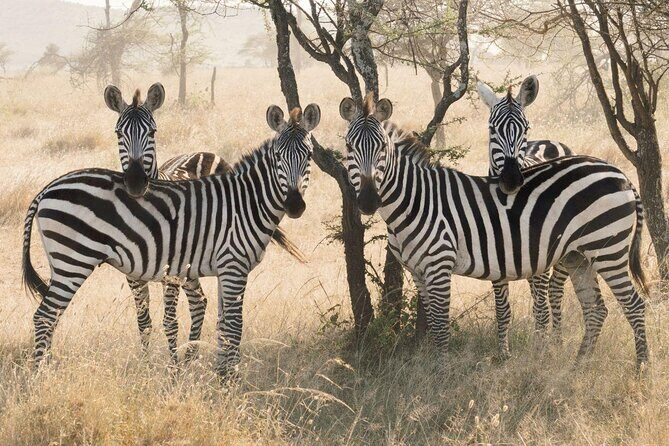
- Seronera sunset drives can put you in the right place for predator moments.
- All meals on safari keep the day simple and low-stress.
- Ngorongoro descent for black rhinos focuses on one of the toughest big-animal targets.
- Private group setup means your schedule stays in your control.
- Binoculars included and useful the whole trip, especially on the crater floor.
Why a fly-in 3-day safari feels smarter than the long drive
A classic Tanzanian safari often eats half a day just getting between parks. Here, the plan is built around flying in so you land and start seeing animals sooner. That matters because wildlife viewing is all about timing—early light, late light, and the in-between hours when animals actually move.
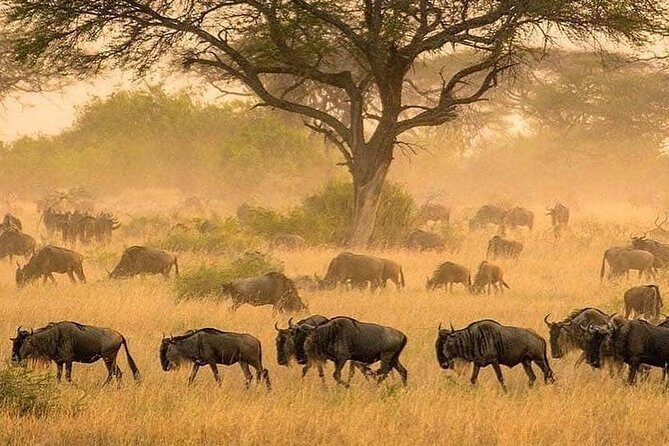
You’ll still do serious on-the-ground game drives, but you spend less time staring at the road and more time scanning for motion: a tail flick, a head turn, a distant shape that turns into a lion or a herd moving together.
The other smart part is the way the itinerary clusters geography. Seronera gives you central Serengeti viewing, then you shift toward Ngorongoro, where the crater’s enclosed terrain changes what you’ll notice and where animals show up.
A few more Arusha tours and experiences worth a look
Price and what you really get for $2,600 per person
At $2,600 per person, this isn’t a budget safari. But the value comes from how much is packaged into the experience: pickup, park fees and taxes, lodge nights, guided game drives, and a full set of safari meals.
Look closely at what’s included:
- Binoculars (so you’re not scrambling to borrow a pair when distance matters)
- WiFi on board (handy for quick messages and saving offline photos, though don’t expect it to replace full internet)
- All fees and taxes
- Breakfasts, lunches, and dinners across the days
Also note the rhythm of inclusion for park access: one park day is listed as free admission, and the other days show admission tickets included. That mix can be a benefit, but it also means you should double-check the confirmation notes so you’re clear on what’s covered for each park day.
For me, the best way to judge the price is this: you’re paying to buy back time. If you hate long drives and want more actual viewing, the fly-in approach can feel like good money spent.
Day 1 in Seronera: arriving late morning and chasing sunset light
You’ll start with a pickup from your hotel, then head to the airport for your flight into Serengeti. The arrival time is late morning, around 11:00am, which is perfect for a first game drive. You won’t be jet-lagged into the day; you’ll be ready to get eyes on animals.
Once you’re in Seronera, you’ll drive through the afternoon and into the evening. Seronera is often the kind of central area where you can cover ground and still find strong sightings. And the schedule builds toward one of the most reliable thrills on safari: sunset in the Serengeti.
This is also the day where you’ll have a shot at that classic “wait for it” moment—maybe a predator hunting, or animals gathering around something already happening. You can’t force a kill, but the late-day timing increases your odds for big behavior: stalking, feeding, and defensive reactions when herds get nervous.
By late day, you’ll head to the lodge. The practical win here is mental. You’re not dragging your luggage through multiple transitions at odd hours—you’re doing one big flow: flight → drive → lodge.
Day 2: early drives, a mid-day break, and moving toward Ngorongoro
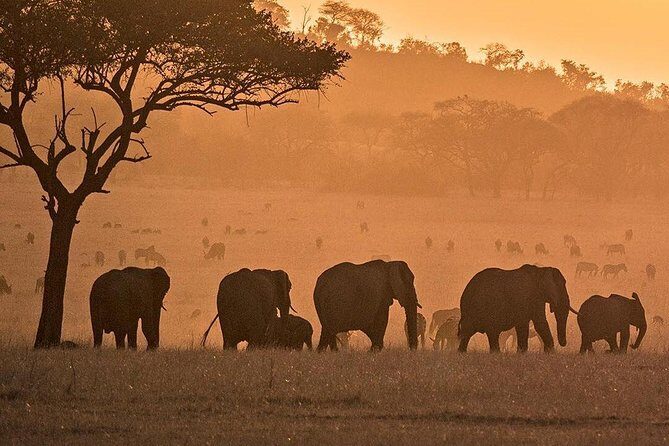
Day 2 begins with an early breakfast and then a morning game drive. Those early hours are usually when animals are active and when the light helps you spot movement sooner. The itinerary frames this as a drive that stretches from early morning into the afternoon, meaning you get both the “cool hours” and the change in animal behavior as the day warms up.
Then you’ll head to lunch and continue driving while positioning yourself for your next region—exiting Serengeti and heading toward Ngorongoro. That’s important because it keeps your schedule logical: you’re not doing a full crater day without first setting yourself up near the next area.
One consideration on this day is the “two-part day” feeling. You’ll likely do a lot of scanning from the vehicle, then transition and drive again. It’s still exciting, but if you’re sensitive to long seating time, plan to bring your best “safari comfort”: layers, a hat, and anything that helps you stay still without feeling stiff.
Day 3 inside Ngorongoro: descending for black rhino odds
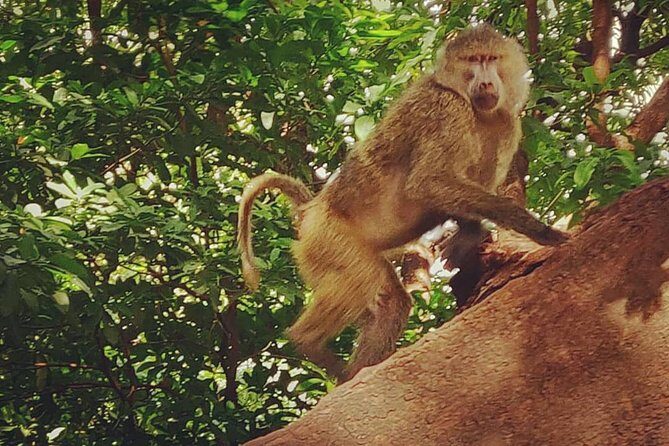
Ngorongoro is different. It’s not just another park day—it’s a crater with a floor that changes how you read animal movement. You’ll descend early and spend time searching the crater for black rhinos, which the schedule calls out as a hardest-to-spot target.
That warning is useful. On Ngorongoro, your job is to be patient and methodical. Black rhinos can blend into the terrain and brush, and spotting them often comes down to taking your time rather than only rushing to the next bend. The crater’s closed-in feel can also shift where you’ll sit and look, so don’t be surprised if your best views happen when the guide stops and waits.
After lunch, you’ll do another game drive and then ascend the crater to continue onward to your lodge/next stop setup and packing. The final part is heading back toward Arusha town.
This day is shorter in the schedule listing—around 7 hours—but it’s tight with a lot of the trip’s emotional payoff. If you’re the kind of person who wants the “big ticket” moment, Ngorongoro is where the safari aims its spotlight.
A few more Arusha tours and experiences worth a look
Lodges and meals: comfort that helps you focus on wildlife
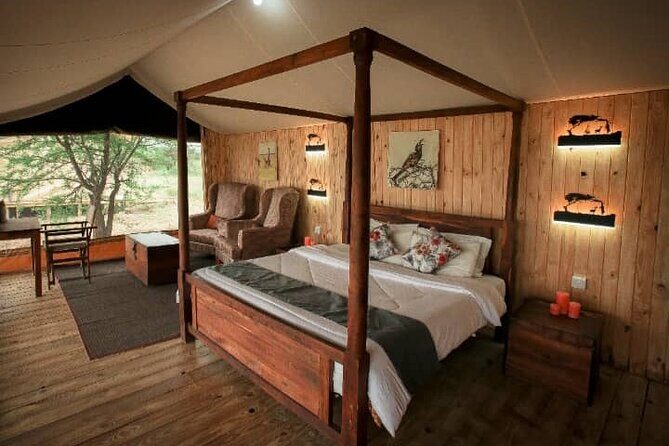
The experience includes lodge accommodations each night, and your safari meals are provided throughout. That’s a big deal because safari days move fast. If you had to hunt for food between drives, you’d waste precious daylight—and you’d be stuck negotiating with hunger instead of enjoying the landscape and sightings.
You’ll have two breakfasts and two dinners listed, plus three lunches. Even without knowing the exact meal timing each day, the structure is clear: the day is planned so you’re fed, not just escorted.
One note for expectations: safari food quality can vary by lodge. In the feedback tied to this tour style, the guide and driver got praise, while the chef was described as simply good rather than standout. So if you’re a serious foodie, treat the meals as a reliable part of the experience, not a culinary destination.
The lodge side is what you’ll notice most: you’re not sleeping on the move, and you’re not coordinating daily check-ins. After a full day of game drives, that matters more than people think.
Wildlife viewing tactics that match this exact schedule
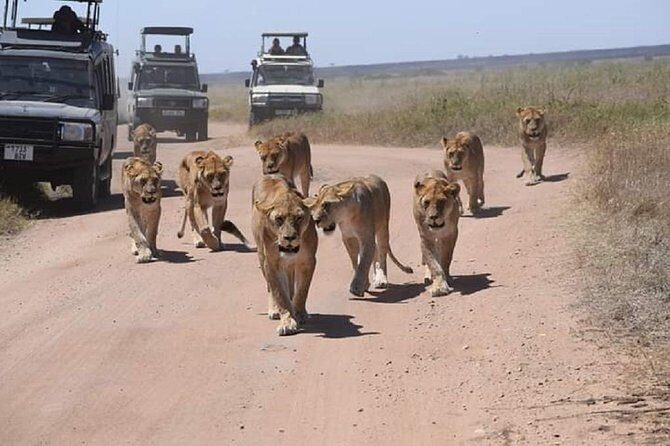
This itinerary is built around the best times of day for different kinds of sightings. Here’s how to work with it instead of against it:
- Use the sunset drive on Day 1. Late day is when you’ll see more animal energy—movement, feeding, and predator attention. Keep your eyes up even when the vehicle slows down.
- Trust the early drive on Day 2. When the day starts cooler, animals tend to be easier to find and easier to spot in open ground. The schedule gives you that morning push.
- Be patient on Ngorongoro Day 3. The black rhino focus means you may spend time looking before you see anything definite. Stay calm, keep scanning, and don’t get discouraged if the first stops don’t deliver.
Also, don’t forget the value of the included binoculars. If you only rely on the vehicle windows, you’ll miss details at distance. With a little practice—look for shapes first, then edges and movement—you’ll pull more from each stop.
The “small stuff” that affects your comfort: WiFi, binoculars, and restroom reality
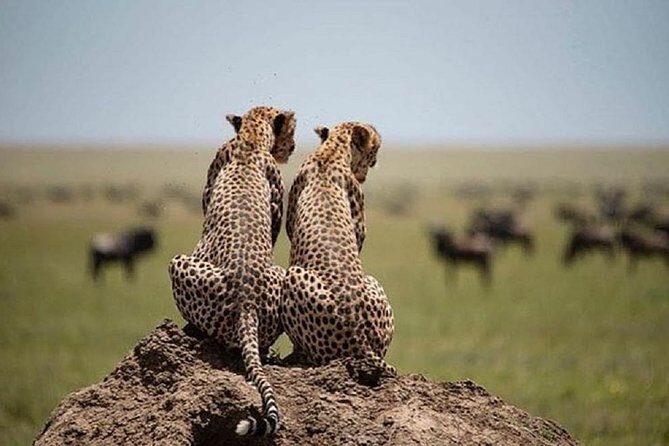
This tour includes binoculars and WiFi on board. That’s the kind of detail that sounds minor until you’re actually on safari and you realize you can check messages without taking your focus completely off the wild.
But there’s one clear drawback to plan around: there is no restroom on board. Safari vehicles can mean long stretches between stops. If you tend to feel uncomfortable waiting, be proactive before you set out on drives.
The schedule also suggests long days (around 12 hours on Day 1 and Day 2, and about 7 hours on Day 3). That doesn’t mean it’s exhausting the whole time—it usually means plenty of time for driving, searching, breaks, and lodge transitions. Still, bring what helps you sit comfortably and stay warm enough if temperatures drop after sunset.
Group size and the private-tour advantage
This is listed as a private tour/activity, meaning only your group participates. Private doesn’t automatically mean fewer vehicles, but it does usually mean your driver/guide can tailor attention to what your group is most focused on—like spending extra time on a likely sighting versus moving quickly.
It also fits well with families or small groups that want structure but not rigid crowds. And because pickup is offered, you’re not piecing together your own airport timing across multiple transfers.
One more practical detail: it’s described as near public transportation and most travelers can participate. That’s useful context if you’re comparing it to other safari packages that feel too “niche” or too hard to fit into real schedules.
Who this safari suits best
This 3-day fly-in Serengeti + Ngorongoro safari is best for you if:
- you want a shorter trip without giving up the big-name sights
- you hate losing daylight to long drives
- you like guided structure with meals and lodge logistics handled
- you’re focused on classic wildlife drama: herds, predators, and the Ngorongoro crater experience
It’s less ideal if you want a slower safari with lots of downtime, or if you dislike early starts and long stretches in the vehicle.
Also, if you’re coming in hoping for black rhinos as a guarantee, temper expectations. The itinerary clearly frames them as difficult to spot. On safari, you’re buying the best chances and the best searching plan—not certainty.
Should you book the 3-day fly-in safari with Safari Soles?
If you’re deciding between a rushed multi-day drive safari and a smarter time-saving plan, I’d lean toward booking this one. The fly-in format, the central Serengeti focus in Seronera, and the crater day aimed at black rhinos make this package feel built for people who want real sightings within a tight window.
Book it if:
- you’re okay paying premium pricing for convenience and time saved
- you want meals and lodging set so you can just enjoy the wildlife
- you prefer a private setup for your group
Skip it or rethink if:
- you need restroom access on board (this plan doesn’t include it)
- you want more leisure time than drive time
- you’re very picky about food quality and chef performance
Bottom line: this is a well-structured safari shortcut. You’re paying to spend your days where the animals are, not where your schedule is stuck.
FAQ
How long is the safari?
The experience is about 3 days.
Where does the safari take place?
It focuses on Serengeti National Park (including Seronera) and Ngorongoro Crater, with pickup from Arusha.
Is this a private tour?
Yes. Only your group participates.
What meals are included?
Meals on safari are provided. The inclusions list includes breakfasts (2), lunches (3), and dinners (2).
Are park admission tickets included?
Admission ticket details are split by day: one day lists admission ticket free, and other listed days show admission included.
What’s included for comfort and viewing?
Binoculars are included, and WiFi is available on board.
Is there a restroom on board?
No, restroom access on board is not included.
What if the tour can’t run due to weather?
This experience requires good weather. If it’s canceled due to poor weather, you’ll be offered a different date or a full refund.