REVIEW · ARUSHA
3-Days 2-nights Tanzania Private Budget Camping Safari
Book on Viator →Operated by Tanzania Serengeti Safaris · Bookable on Viator
Safari camping beats the usual tour bus. This private 3-day budget camping safari puts you in control, with a dedicated 4×4 and a professional guide taking you from Arusha into the Serengeti. You’ll also head through the Ngorongoro Conservation Area, so wildlife country starts before the first big sighting.
I like that pickup is set up for you at Shoppers Supermarket in Arusha around 8:00 am, and that lunch plus park fees and taxes are handled so you don’t constantly stop to pay extra. I also like that this is truly your group only, which means you can keep your game-drive rhythm without waiting on a long line of strangers. The one thing to weigh is the camping reality: plan for a more basic setup and budget for tips and personal expenses.
In This Review
- Key highlights you’ll actually feel
- Private, budget, and camping: what this safari really means
- Arusha pickup at 8:00 am: starting in the real world, not a brochure
- Day 1 in the Serengeti: arriving, driving, then sleeping inside the experience
- The Ngorongoro Conservation Area drive: why that segment is more than just a transfer
- Days 2 and 3: more wildlife time without big-group delays
- Price and value: what $1,626 covers (and why that can be fair)
- Vehicle and guide setup: the small stuff that affects big moments
- Camp life and meals: what’s included, and what you should expect to handle
- Practical tips to make your safari smoother
- Who this Safari fits best (and who should pass)
- Should you book this private 3-day Serengeti camping safari?
- FAQ
- What is the duration of the Tanzania private camping safari?
- Where does the safari start and end?
- What time does the safari start?
- Is this safari private or shared with others?
- What is included in the price?
- What is not included?
- Is pickup offered?
- Do I need to purchase park admission tickets separately?
- What is the cancellation policy?
Key highlights you’ll actually feel
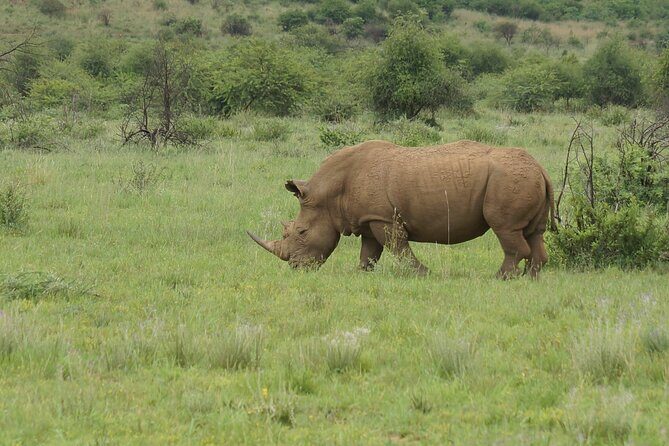
- A private safari setup: it’s only your party, with your own vehicle and guide.
- Serengeti game drive on arrival day: you’re not spending the first day just driving and waiting.
- Camping with camp-staff dinner: the night experience is part of the safari, not an afterthought.
- Ngorongoro Conservation Area drive-by: you get wildlife scenery even before you settle into camp.
- Clear inclusions for a budget trip: 4×4 vehicle, professional guide, lunch, and all fees and taxes are included.
- Mobile ticket and pickup from Shoppers Supermarket: logistics are set up for an easy start and finish.
Private, budget, and camping: what this safari really means
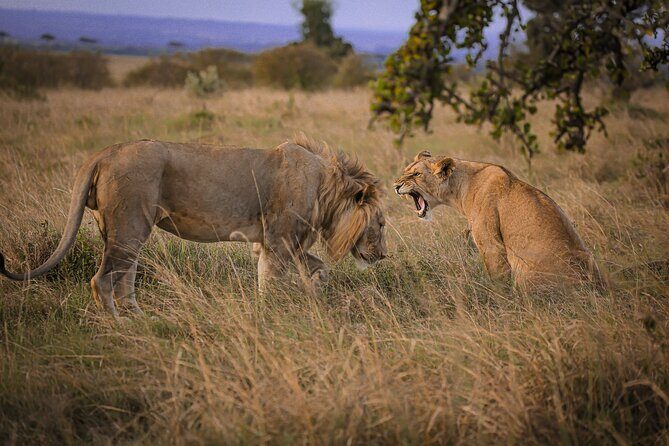
This is a private safari, which is a big deal in Tanzania. With a group tour, you often spend time adjusting to other people’s pace. Here, you’re in the driver’s seat. You can follow your guide’s spotting calls, pause when something looks promising, and keep moving when the action is on. That flexibility can make the difference between a “nice day” and a genuinely memorable one.
You’re also choosing the budget camping style. That doesn’t mean “rough and miserable.” It means you should expect the trip to be practical: you’re paying for more wildlife time and less hotel comfort. The included dinner at camp and the chance to stay inside the safari rhythm are part of the value.
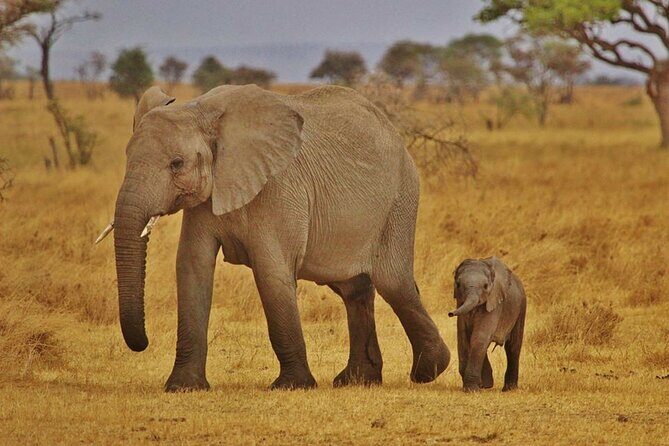
One more thing: the trip is built around the Serengeti experience. Serengeti is famous for large cats, elephants, and herds, but what you’ll notice most in real life is how the wildlife moves through the landscape and how quickly the scene changes once you’re on the road. The private format helps you react fast.
You can also read our reviews of more private tours in Arusha
Arusha pickup at 8:00 am: starting in the real world, not a brochure
Your safari starts in Arusha with pickup offered at Shoppers Supermarket, with a stated start time of 8:00 am. The trip also ends back at the same meeting point. That matters more than it sounds, especially after a long drive day—having a known pickup and return point reduces stress.
The trip is listed as about 8 hours for the activity block. Because this is a 3-day, 2-night safari, that timing is best understood as the kind of full-on day you’ll have on the first stretch, not a short half-day outing. Expect to spend meaningful time in the vehicle as you move into prime wildlife zones.
You’ll also get a mobile ticket, and confirmation happens at booking time. That’s useful if you want fewer surprises when you arrive. And since this is a private tour/activity, your group is the only group participating—so you’re not waiting for the slowest person to appear at the curb.
Day 1 in the Serengeti: arriving, driving, then sleeping inside the experience
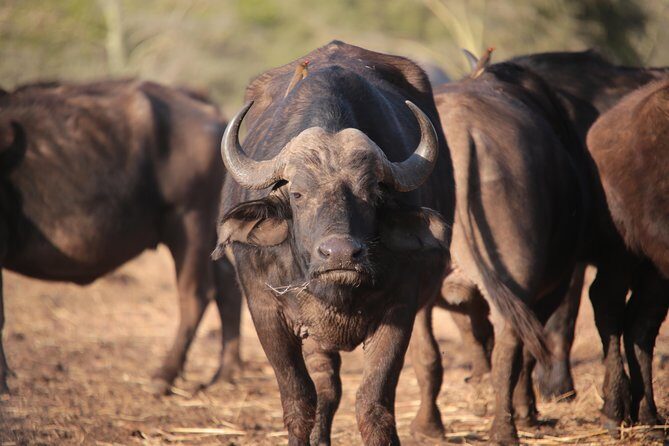
Day 1 is about getting into the Serengeti National Park and turning that time into sightings. After leaving Arusha, you’ll travel through the Ngorongoro Conservation Area, and you’ll likely see plenty of wildlife country along the way. Then you’ll get a game drive in the Serengeti upon arrival, which is exactly how you want your first day to go if your goal is wildlife, not logistics.
Once the driving is done for the day, you set up camp in the Serengeti. The itinerary description includes a dinner prepared by camp staff, which matters because it keeps the first day from becoming a DIY scramble. A camping safari is still a “do it in the bush” style trip, but having food handled takes the pressure off.
What you’re really buying on Day 1 is momentum. Waiting until Day 2 to start driving usually means you lose prime light and lose energy. Here, you start doing the safari work immediately.
The Ngorongoro Conservation Area drive: why that segment is more than just a transfer
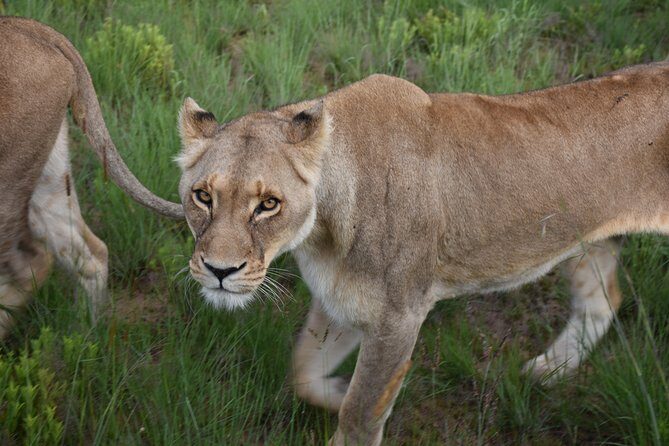
Even before you’re fully in the Serengeti game-drive routine, the journey includes passage through the Ngorongoro Conservation Area. Why does that matter? Because wildlife in northern Tanzania often turns up in surprising places, and the scenery tells a story about how these ecosystems connect.
You’re not just transferring from point A to point B. You’re moving through a wider wildlife region, and that increases your chances of seeing animals before the formal game drive begins. In practice, it can make the whole trip feel faster, even if the days are long.
There’s also an emotional side to this drive segment. The earlier you see wildlife country up close, the easier it is to stay patient once the game drive starts. If you arrive feeling like the safari has been “real” from the first hour, the rest of the trip tends to feel more intense and rewarding.
Days 2 and 3: more wildlife time without big-group delays
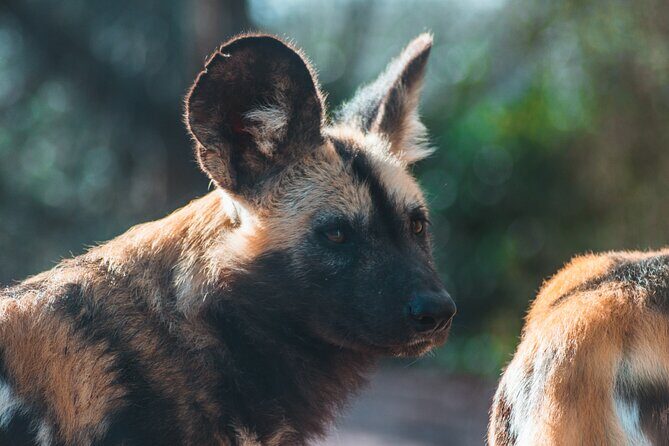
The detailed day-by-day breakdown for Days 2 and 3 isn’t fully spelled out in the information here, but the trip structure is clear: it’s a 3-day, 2-night safari centered on the Serengeti experience and connected to the Ngorongoro conservation region you travel through.
What you can plan for: more game-drive time in the Serengeti area and continued use of the same private vehicle and guide setup. The practical advantage is the private format. When you’re not managing a big group schedule, you can spend your daylight where the action is, not where the timetable says you should be.
This is where the private camping style can shine. Two nights in the bush gives you a rhythm: drive, spot, return, eat, rest, repeat. If you’re hoping for a safari that feels less like a checklist and more like an unfolding wildlife story, this format helps.
Also, there’s a subtle value to staying put for your nights rather than hopping constantly. Constant moving can reduce your time on the road where sightings happen. A 2-night setup is built to protect your time for the real purpose.
A few more Arusha tours and experiences worth a look
Price and value: what $1,626 covers (and why that can be fair)
At $1,626 per person, this is not a “throwaway” budget deal, but it also doesn’t come off as inflated when you look at what’s included.
Included items:
- 4×4 safari vehicle
- Professional guide
- Lunch
- All fees and taxes
Also listed: admission ticket is free in the package details, which aligns with the fees-and-taxes inclusion. In other words, you’re not paying separate gate fees and basic safari costs on top.
Not included items (so you need to plan for them):
- Flights and visas (including international and domestic flights)
- Tipping the crew
- Travel insurance and medical repatriation
- Accommodation before and after safari
- Personal items like souvenirs and other personal expenses
Here’s the value logic I’d use if you’re comparing options. If a cheaper safari is missing key inclusions, you can end up paying more once you add fees, transport, and guide costs. This one prices the core safari structure clearly—vehicle, guide, and covered fees—so you can budget with less guessing.
The biggest “cost risk” here is the part most people forget: tipping and personal expenses. If you plan for those upfront, the price feels more controlled.
Vehicle and guide setup: the small stuff that affects big moments
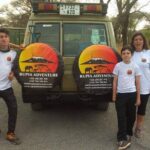
You’ll travel in a 4×4 safari vehicle with a professional guide. In a safari, the guide’s job isn’t just “knowing names of animals.” It’s helping you interpret movement, read the road and terrain, and decide when to slow down and when to move on.
A private vehicle helps with this. You’re not forced into awkward timing to keep a group synchronized. You can also settle into the viewing rhythm faster—your eyes get trained on what to watch for, and you don’t spend time re-orienting every time someone changes directions.
One more note from broader client feedback connected to the same safari operator network: in another Tanzania trip (Mwanza), a staff member named Mr. Geofrey stood out for being prompt with responses. That’s not proof he’s your Serengeti guide, but it does suggest the organization places value on communication and organization, which helps when you’re trying to coordinate travel from different cities.
Camp life and meals: what’s included, and what you should expect to handle
Your package specifically includes lunch, and the camping day includes dinner prepared by camp staff in the Serengeti on Day 1. That’s the kind of inclusion that matters on safari. You don’t want to spend your limited energy bargaining for meals after a long day in the vehicle.
At the same time, it’s still a camping experience. The information doesn’t describe specific luxury standards, so I’d treat this as practical. Think: you’ll be happy if you’re comfortable with a basic camp setup and you’re focused on wildlife and time outdoors.
You should also budget for anything personal that isn’t covered. The “not included” list explicitly mentions personal items, so plan to cover souvenirs, personal expenses, and anything you consider essential for comfort.
If you’re the type of traveler who gets cranky without a hotel-style routine, this safari might take adjustment. If you’re excited by the idea of sleeping in the bush and waking up ready to track wildlife, it’s a strong match.
Practical tips to make your safari smoother
Here are the things I’d do before you go, based on what this tour includes and what it doesn’t:
- Budget for tipping: tipping the crew isn’t included, so decide your tip plan before you arrive.
- Handle visas and flights separately: flights and visas are not part of the package, so factor in the full end-to-end travel.
- Plan for travel insurance: travel insurance and medical repatriation aren’t included. Don’t treat that like optional math.
- Know where pickup happens: Shoppers Supermarket in Arusha is the meeting point, with the safari starting around 8:00 am and ending back there.
- Remember accommodation before/after isn’t covered: you’ll need your own plans in Arusha before and after safari time.
- Keep your expectations aligned to camping: the value is in vehicle time, guides, included fees, and getting into the wildlife rhythm—not in hotel amenities.
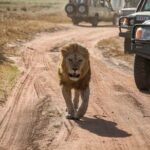
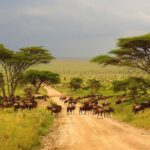
If you do those six things, you’ll spend your mental energy on what matters: spotting lions, elephants, zebras, wildebeest, and the rest of the Serengeti cast as they move through the day.
Who this Safari fits best (and who should pass)
This safari is a smart fit if you want:
- A private experience where your group is the only group in the vehicle
- Serengeti focused wildlife time, including a game drive on arrival day
- A camping style trip with meals handled during the safari days
- A package that includes the core costs like vehicle, guide, lunch, and park fees/taxes
You might want to pass or choose something else if:
- You strongly prefer hotel comfort throughout
- You don’t want to manage personal expenses and tips
- You’re not set up to handle the non-included items like visas, insurance, and pre/post accommodation
One more practical note: the details say most travelers can participate. That’s a good sign for general suitability, but always treat safari comfort as a personal threshold. Camping and long days are part of the deal.
Should you book this private 3-day Serengeti camping safari?
If your priority is wildlife time with less schedule friction, I’d lean yes—this private budget camping format is built for it. The included 4×4, professional guide, lunch, and fee/tax coverage make it easier to see your true cost up front. And starting with a Serengeti game drive on Day 1 is the kind of timing that pays off.
I’d hesitate only if you’re expecting a hotel-style experience or you don’t want to handle tips, insurance, and personal expenses. If you’re comfortable with camping reality and you want a safari that feels like it’s built around your group, this one is a solid value play for Serengeti.
FAQ
What is the duration of the Tanzania private camping safari?
It’s listed as a 3-day, 2-night safari, with an activity duration of about 8 hours (approx.).
Where does the safari start and end?
It starts at Shoppers Supermarket in Arusha, Tanzania, and ends back at the same meeting point.
What time does the safari start?
The start time is listed as 8:00 am.
Is this safari private or shared with others?
This is a private tour/activity. Only your group will participate.
What is included in the price?
Included items are lunch, all fees and taxes, a 4×4 safari vehicle, and a professional guide.
What is not included?
Not included are flights, tipping the crew, visas, international and domestic flights to and from home, travel insurance and medical repatriation, personal items (like souvenirs), and accommodation before and after safari.
Is pickup offered?
Pickup is offered, and the meeting point is Shoppers Supermarket in Arusha.
Do I need to purchase park admission tickets separately?
Admission ticket is listed as free, and all fees and taxes are included in the package.
What is the cancellation policy?
You can cancel for a full refund up to 24 hours in advance of the experience’s start time. Changes within 24 hours aren’t accepted.