REVIEW · ARUSHA
2 days private lodge safari
Book on Viator →Operated by Kipok Africa Adventures · Bookable on Viator
Safari mornings in Tanzania hit hard. This two-day trip packs Tarangire National Park and Ngorongoro Crater into a tight schedule, with pickup offered and all the big safari costs handled up front. I especially like the way it’s set up for value: you get a group safari with an English-speaking guide and a dedicated 4×4 for your crew, instead of paying the full solo-private price.
Two things I like a lot. First, Tarangire is built for wildlife drama—elephants, acacia woodland, giant baobabs, and that seasonally focused river/swamp area. Second, Ngorongoro is a wildlife machine: you descend about 600 meters into a crater that can hold huge numbers of animals, including black rhino, plus predators.
One thing to consider before you book: the package lists both lodge accommodation and camping gear/campsite fees. That can be totally fine, but it does mean you should confirm exactly what overnight setup you’ll get in Mto wa Mbu.
In This Review
- Key things to know before you go
- Tarangire and Ngorongoro in two days: why this combo works
- Morning Tarangire drives: elephants, baobabs, and the hunt for the right spots
- The day’s rhythm: Mto wa Mbu overnight and why that location matters
- Ngorongoro Crater: descending ~600 meters for dense wildlife
- The guide factor: why names matter and what to look for
- What’s included (and what this means for your budget)
- Transportation, group size, and comfort on long drives
- Wildlife expectations: how to set your sights right
- Tips that make this safari easier on day one and day two
- Should you book this two-day safari with Kipok Africa Adventures?
- FAQ
- How long is the safari?
- Which parks are visited?
- Is pickup available?
- What is included in the price?
- What is the group size?
- Can I cancel for a full refund?
Key things to know before you go
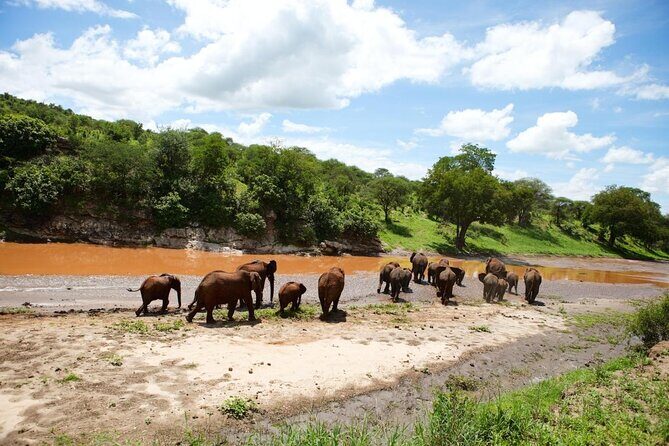
- Tarangire game drives focus on elephants and the park’s river/swamp pull during the dry season
- Ngorongoro descent of ~600 meters means a full ecosystem change and steady wildlife density
- Max 7 travelers keeps the group small enough to feel personal in a big place
- Meals plus park fees included cuts down surprise costs so you can just enjoy the drive
- Overnight setup may vary (lodge vs camping-style), so check what’s included for your date
Tarangire and Ngorongoro in two days: why this combo works
If you’re short on time but want the “classic Tanzania” hits, this is a smart pair of parks. Tarangire gives you elephants and that distinctive park look: acacia woodland, giant baobab trees, and wetter areas tied to the Tarangire River and swamps. Ngorongoro gives you the opposite feel. You drop into a crater where wildlife concentrates, and the scenery changes fast just from the elevation shift.
The value angle is the real hook. At $1,600 per person for a two-day safari, you’re still paying meaningful money—but you’re not paying again for park entry, guide service, vehicle fuel, or meals. Those costs are part of the package, which is where a lot of cheaper-looking trips quietly get expensive.
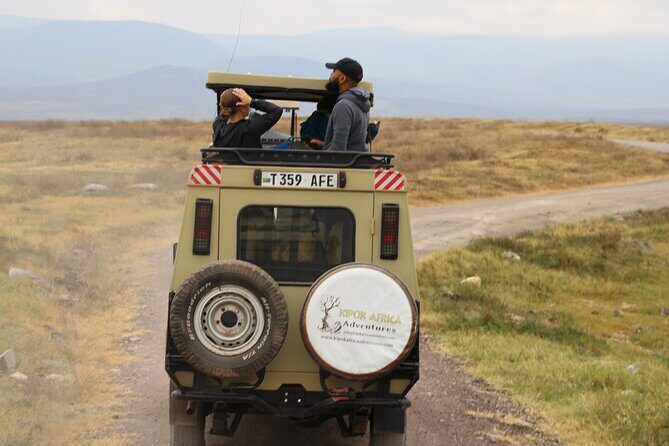
You’ll also get a dedicated 4×4 custom-built safari vehicle for your group, plus an English-speaking guide. A small group (up to 7) matters here. In a place where you might be scanning for wildlife for hours, having a tighter group usually means fewer hassles and better chances to hear instructions clearly.
You can also read our reviews of more private tours in Arusha
Morning Tarangire drives: elephants, baobabs, and the hunt for the right spots
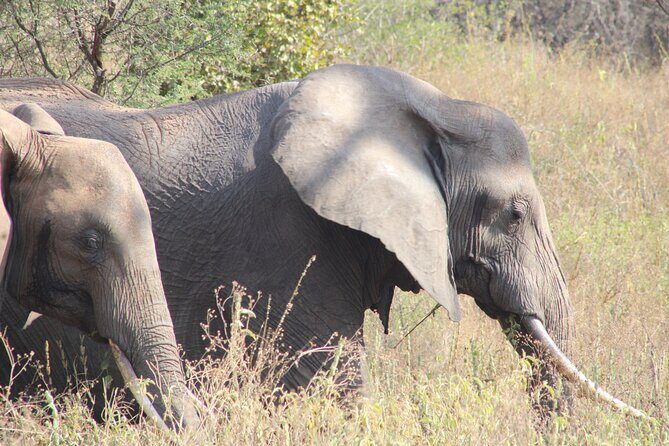
Your first full safari day starts after breakfast and heads into Tarangire National Park for a morning game drive. Tarangire runs along the line of the Tarangire River, and much of the park sits on low hills on the Great Rift Valley floor. That geography matters. In Tanzania’s dry season, the river and swamps act like magnets for animals, so game drives tend to feel more productive when you go during the drier months.
This is also the park where elephants can really dominate the scene. The elephant herds are one of Tarangire’s biggest signatures. And even if you don’t count sightings like a spreadsheet, elephants change the whole vibe of the drive—there’s more movement, more social behavior, more chance to see young animals and distinct group patterns.
Another reason Tarangire is worth doing early: the habitat is varied in a compact area. You get acacia woodland and massive baobab trees, plus swamp pockets in the south. If conditions are right, you may also spot birds and some of the rarer species highlighted for this park, including greater kudu, fringed-eared oryx, and ashy starlings.
What I’d plan for: time in the vehicle. Day 1 is listed as a roughly 9-hour block. That’s normal safari life, but it’s also why you’ll be happy the package includes meals and park fees. You don’t want to be thinking about logistics when your eyes are on the horizon.
Also, roads can be bumpy in this region. One guest specifically noted that even with a comfortable safari setup, the roads may be rough at times. So if you’re sensitive to motion, consider taking it easy on the stomach and keep water handy.
The day’s rhythm: Mto wa Mbu overnight and why that location matters
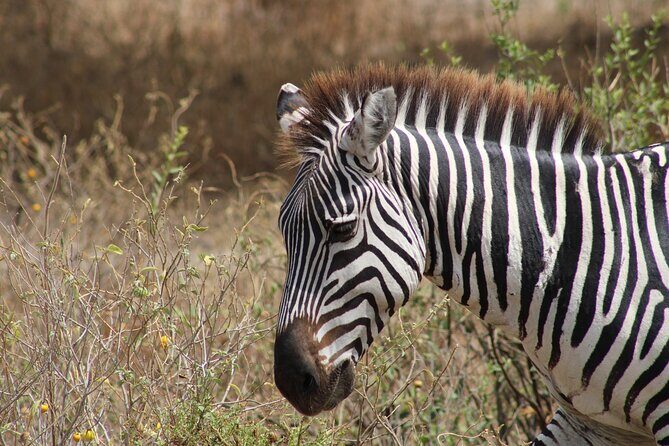
After your Tarangire game drive, you head toward the Mto wa Mbu area for overnight. This matters because it sets you up for an early start the next morning when Ngorongoro is best.
Mto wa Mbu is a practical base area for people doing the big northern circuit. Even when the itinerary is tight, a good overnight location helps you avoid wasting time. You’re not burning your second day on long transfers before the real action.
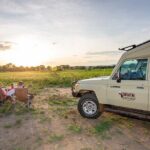
For the overnight part, the package includes lodge accommodation, and it also states that camping equipment and campsite fees are included. In plain terms: your specific setup could feel more lodge-based or more camping-based depending on what’s arranged for your departure. Before you go, it’s worth asking what your exact overnight will be for your date—especially if you care about bathrooms, bed type, or whether you’ll be in a tent/campsite arrangement.
I like that the trip handles the overnight cost rather than leaving you to scramble for lodging yourself. Safari days are physical and long. You want rest that’s actually part of the plan.
Ngorongoro Crater: descending ~600 meters for dense wildlife
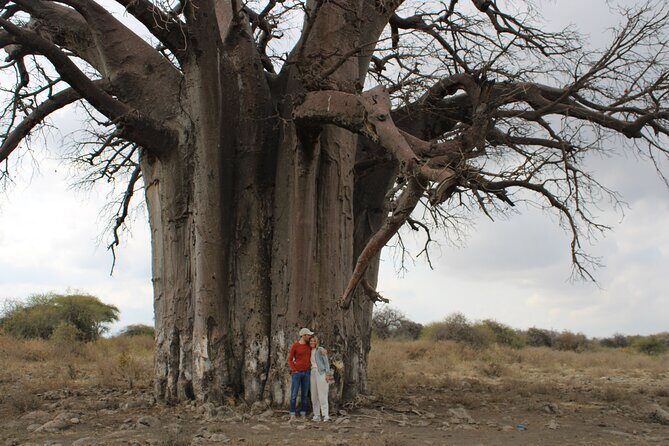
On day 2, after breakfast, you descend about 600 meters into the Ngorongoro Crater for a morning, half-day game drive. That descent is not just a fun fact. It’s why Ngorongoro feels different immediately. You get a dramatic shift in conditions as you move into the crater bowl, and that helps concentrate wildlife.
Ngorongoro is famous for density. The crater is estimated to hold around 30,000 animals, supported by a year-round supply of water and fodder. That means you’re not only hoping for a random sighting—you’re driving in a system where animals can stay close together.
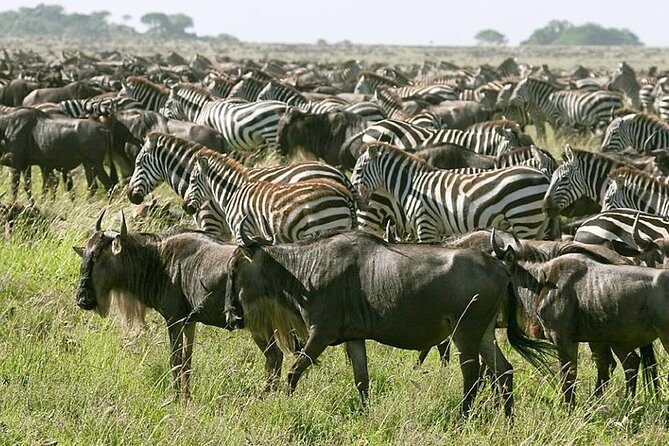
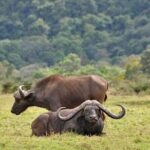
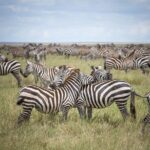
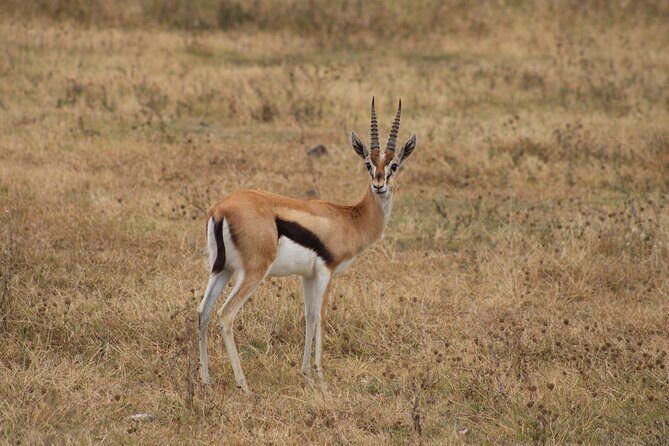
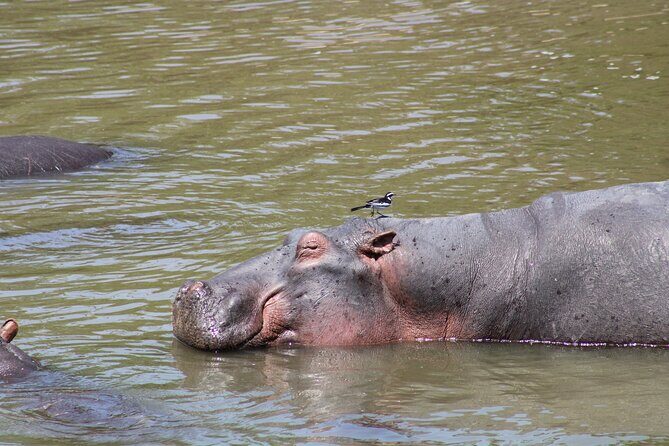
Expect to see a mix of grazers and browsers. The highlights listed for the crater include herds of wildebeest, zebra, buffalo, eland, warthog, hippo, and giant African elephants. And that’s before you factor in predators.
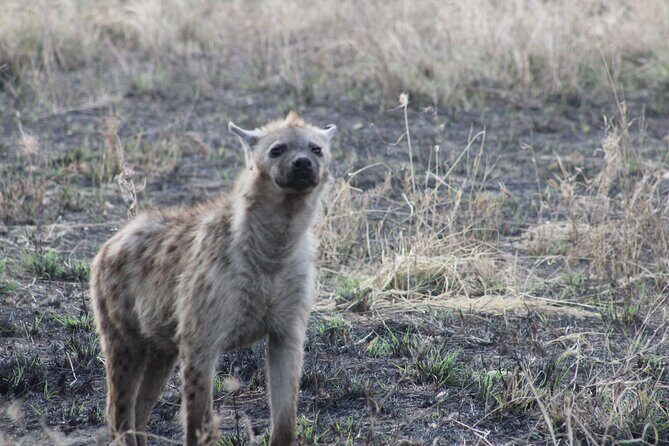
The other big reason this crater is a must is predator presence. The trip description points to lions, hyenas, jackals, cheetahs, and more. Even if you don’t spot every predator species, the crater’s ecosystem supports a “food chain you can actually see” feeling.
And yes, Ngorongoro is also where you can find one of Tanzania’s last remaining black rhinos. Whether you spot it depends on timing and luck, but it’s the reason the area is so carefully managed and watched.
The itinerary lists day 2 as roughly 8 hours total. Since your game drive inside the crater is about half-day, you’ll likely have enough time for stops and slow scanning without feeling rushed every ten minutes.
The guide factor: why names matter and what to look for
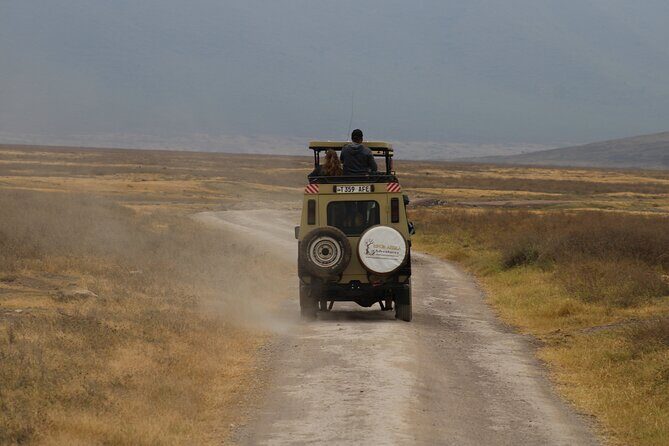
A safari isn’t just a vehicle and a map. The guide is the difference between driving past animals and learning what you’re seeing.
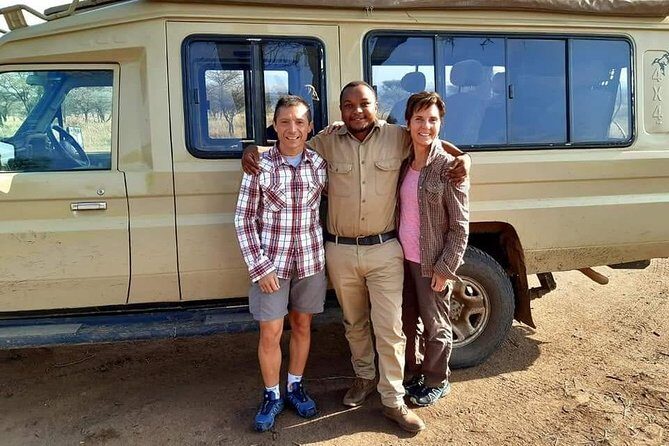
This operator’s guest feedback includes praise for guides like Joel, Herman, Heriel, Bryson, Terry, Amani, and Hariel. What’s consistent across those names is the kind of work you want: on-time flow, patience, helpful explanations, and respectful driving around wildlife.
For example, one guest highlighted Joel’s ability to explain details about animals and the parks, along with thoughtful touches like a lunch break and cooled water. That small stuff matters because it keeps you comfortable in long hours where temperatures can swing and patience is part of the job.
If you’re choosing between safari styles, pay attention to this: you want someone who can read animal behavior, explain what you’re seeing, and adjust the route when the action appears. That’s the practical version of “good guiding.”
A few more Arusha tours and experiences worth a look
What’s included (and what this means for your budget)
The package includes a lot of the things that usually add up fast on your own:
- Park fees (included)
- An English-speaking guide
- A 4×4 custom-built safari vehicle with fuel
- Breakfast, dinner, and lunch
- All fees and taxes
- Lodge accommodation
- Pickup offered, plus a mobile ticket
On a typical safari you might pay separately for entry fees, guiding, vehicle hire, fuel, and meals. Here, the trip is built to roll those costs into one price. That is real value, even if the per-person cost still looks high at first glance.
What’s not included is also clear:
- international flights
- travel insurance
- tips and personal expenses (laundry, communication)
- Tanzania visa
Here’s how I’d interpret that as a budgeting traveler: the safari price covers the safari machine. You handle the personal extras and your own travel to/from Tanzania. If you budget for visas, insurance, and tipping ahead of time, you won’t feel stuck later.
Transportation, group size, and comfort on long drives
This safari caps at 7 travelers. That keeps the vibe calmer than big-bus group tours and helps your guide manage the group while scanning for animals.
You’re also in a private 4×4 for your group, which matters because you’re not sharing the vehicle with strangers from multiple itineraries. The vehicle is described as custom-built for safari, which usually means better visibility and comfort for the bumpy stretches.
Still, don’t expect smooth sailing the whole way. One guest noted road bumps even though the trip was comfortable. So pack like you’re doing a road trip with wildlife stops: layers for morning air, water discipline, and a camera strap you can trust.
Wildlife expectations: how to set your sights right
Let’s keep expectations honest. Safari sightings are never guaranteed in the same way museum exhibits are. But this itinerary is built around parks where animals are expected and concentrated.
Tarangire is known for elephants and specific species like greater kudu and fringed-eared oryx. Ngorongoro is known for density and the chance at predators plus black rhino.
So you should aim for two types of goals:
- Big outcome goals: elephants in Tarangire, and dense wildlife plus predator odds in Ngorongoro
- Process goals: good spotting, learning what you’re seeing, and enjoying the crater and woodland habitats without stress
If you’re the type who gets frustrated when you can’t force a sighting, go in with the right mindset: you’re driving in systems where animals are there, not performing magic tricks.
Tips that make this safari easier on day one and day two
These are the small practical things that help on a schedule like this:
- Start early on day 1 in your head, even if you don’t know the exact wake-up time. Morning drives are usually more productive, and it’s easier on everyone.
- Bring a light layer for mornings and a warmer layer for possible cooler crater air. You’re changing elevation fast.
- Don’t forget sunglasses and a hat. You’ll be scanning for movement for hours.
- Camera gear: if you use a phone camera, clean your lens before you start and keep wipes handy. Dust happens.
- Pack patience. You’ll be sitting for long stretches, but the payoff comes when the guide positions the vehicle and you spot the animals in front of you rather than behind you.
Should you book this two-day safari with Kipok Africa Adventures?
I think you should book if you want Tarangire plus Ngorongoro in a compact two-day window and you care about value—meaning park fees, meals, guide, and vehicle fuel are already covered. The small group size and dedicated vehicle setup are the kind of details that make a difference when you’re trying to see animals, not fight logistics.
I’d hesitate only if overnight comfort style is a dealbreaker for you. Because the package includes lodge accommodation but also mentions camping equipment/campsite fees, confirm what you’ll get on your specific date in Mto wa Mbu.
If those overnight details check out, this is a strong pick: two parks, two full days of game driving, and a guide-led experience that’s built for real sightings—not just a drive-by photo tour.
FAQ
How long is the safari?
It runs for about 2 days.
Which parks are visited?
You visit Tarangire National Park and Ngorongoro Crater.
Is pickup available?
Pickup is offered, and the tour ends back at the meeting point in Arusha, Tanzania.
What is included in the price?
It includes breakfast, dinner, lunch (two), an English-speaking guide, park fees, a 4×4 custom-built safari vehicle with fuel, all fees and taxes, and lodge accommodation.
What is the group size?
The maximum group size is 7 travelers.
Can I cancel for a full refund?
Yes. You can cancel up to 24 hours in advance for a full refund, and cancellations less than 24 hours before the start time are not refunded.