REVIEW · ZANZIBAR
Swahili Kitchen
Book on Viator →Operated by Swahili Family Tours · Bookable on Viator
Family dinner, Stone Town style. This experience is all about real Zanzibarian Swahili food, cooked in a local home kitchen instead of the usual European-leaning restaurants. I love the Indian, Arabic, and Swahili mix in the dishes, plus the way spices like nutmeg and cloves show up in everyday flavors. One thing to consider: there is no menu, so if you’re extremely picky or allergic, you’ll want to communicate needs clearly when booking.
You’ll be in a small group (max 10) with dinner starting at 6:00 pm. If you want the full experience, the chef can start you cooking about an hour before. Pickup and drop-off are available from the Old Fort area (and other spots on request), so you’re not left figuring out logistics at dusk.
In This Review
- Key Highlights You Should Know Before You Go
- Sahani vs. the Usual Stone Town Eating Plan
- The Family Kitchen Welcome and Why It Changes the Meal
- What You’ll Eat: Swahili Dishes With Spice, Seafood, and Coconut
- The Spice Routine: How the Cooking Feels and Tastes
- Cooking Together for One Hour Before Dinner
- Price and Value: What $35.90 Gets You
- Pickup, Meeting Point, and Getting There Without Stress
- Who This Is For (and Who Might Want a Different Option)
- Weather and Timing: The Two Things That Can Change Your Plans
- Host Energy: Friendly, Organized, and Focused on Flavor
- Should You Book Swahili Kitchen in Zanzibar?
- FAQ
- What is the price of Swahili Kitchen?
- How long is the experience?
- What time does dinner start?
- Is pickup available?
- Is there a menu to choose from?
- Can the experience accommodate vegetarians?
- How big is the group?
- Where do you meet?
- Is the tour private?
- What happens if the weather is poor?
Key Highlights You Should Know Before You Go
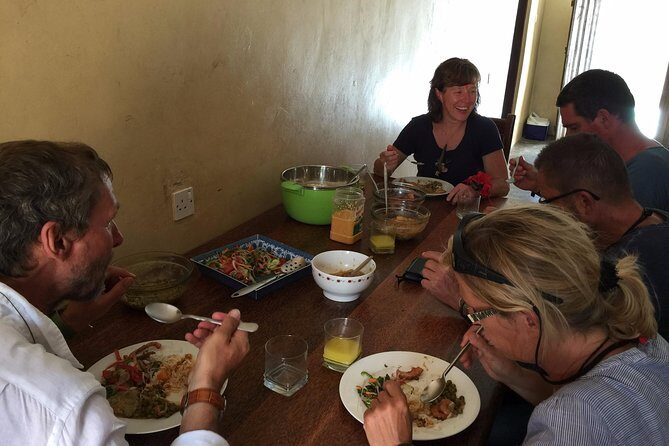
- Family-home kitchen in Stone Town rather than a standard restaurant setup
- No printed menu: chef surprises drive the meal
- Swahili flavors with Indian and Arabic influences you can taste in every course
- Spices and herbs used daily, including nutmeg, cloves, cinnamon, cardamom, ginger, garlic, pepper
- Seafood, spice, and coconut are a big focus
- Small group size (max 10) keeps things personal
Sahani vs. the Usual Stone Town Eating Plan
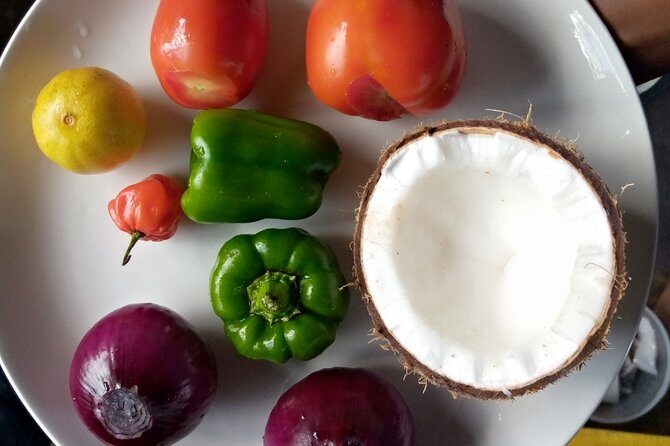
Most of Stone Town’s restaurants are serving you a safe, international version of dining. Sahani is the opposite. This is a local family home kitchen, built around Swahili meals that reflect what Zanzibar tastes like at street level: coastal seafood, coconut, and bold spices that don’t hide behind bland sauces.
What I like most is that you’re not just ordering food and leaving. The setup is meant to feel like you’re stepping into a household where cooking is part of daily life. You also get a clearer sense of why Zanzibar food tastes the way it does. The dishes carry a trace of Indian and Arabic influences, folded into Swahili cooking styles rather than pasted on top.
The second big win is the ingredient logic. They talk in terms of spices, vegetables, and herbs you’ll actually recognize—nutmeg, cloves, garlic, cinnamon, cardamom, pepper, ginger. That matters because it hints at what you’ll taste: warm spice aromatics up front, then layered flavors that come from slow, practical cooking.
You can also read our reviews of more tours and experiences in Zanzibar.



The Family Kitchen Welcome and Why It Changes the Meal
This doesn’t feel like a big restaurant performance. You’re joining a small group and meeting the people who cook the food every day. That changes the tone immediately. Instead of waiting on a server who’s rushing you through, you’re surrounded by a calmer pace where the kitchen itself is the main event.
The meal starts at 6:00 pm. If you want the cooking component, plan to arrive about one hour earlier so you can join the chef in the kitchen. That timing is handy because it keeps the night orderly: you’re not showing up late and missing the prep work.
One more practical note: there’s no menu. That sounds casual, but it’s actually useful information. It means you’re eating what the kitchen decides is best that day, based on what’s available and what fits the family’s routine. If you’re the type who needs a printed list of choices, this style may feel stressful. If you like being guided, it’s a pleasant change.
What You’ll Eat: Swahili Dishes With Spice, Seafood, and Coconut

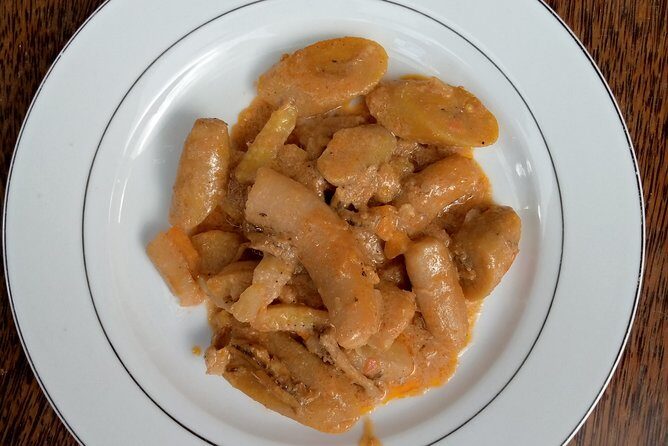
Sahani is positioned as the place to get really Swahili dishes in Stone Town. And the food identity is clear: you’ll see the coast in the cooking, especially through seafood. The description emphasizes seafood, spice, and coconut, which is basically Zanzibar’s flavor signature—sweet depth from coconut, warmth from spices, and the briny comfort of the ocean.
You should expect a flavor profile that reflects Zanzibar’s historical mix. The food is described as carrying elements of Indian and Arabic styles alongside Swahili foundations. That’s why spices matter here. When garlic, ginger, pepper, and cinnamon show up, it usually isn’t just decoration. They shape the aroma and the finish, so each bite tastes like it belongs in a coastal kitchen—not an imported menu.
In terms of variety, the kitchen can handle vegetarian needs if you tell them when you book. There’s no promise of a specific vegetarian dish (because there’s no menu), but the fact that they request advance notice tells you they’ll plan for it instead of tossing you a random side.
The Spice Routine: How the Cooking Feels and Tastes
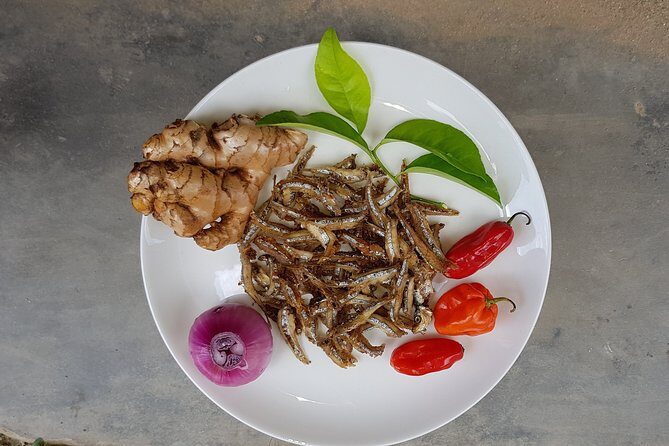
The heart of this experience is the spice approach. The kitchen specifically lists spices and herbs used in the food: nutmeg, cloves, garlic, cinnamon, cardamom, pepper, and ginger. That list is a big clue about what your nose and palate will pick up during the meal.
Here’s how you can use that knowledge on the ground. If you’re someone who loves warm spices, you’ll likely enjoy how the flavors layer rather than jump out all at once. If you’re sensitive to strong spice, tell the host ahead of time so the chef can adjust. Because this is a home kitchen with chef surprises, communication beats guessing.
Also, think about pacing. Since dinner is at 6:00 pm and cooking may start earlier, the meal is built for a relaxed, active block of time—around two hours in total. That’s long enough to watch the kitchen rhythm, then eat without rushing. It’s short enough that you won’t feel stuck all evening.
Cooking Together for One Hour Before Dinner
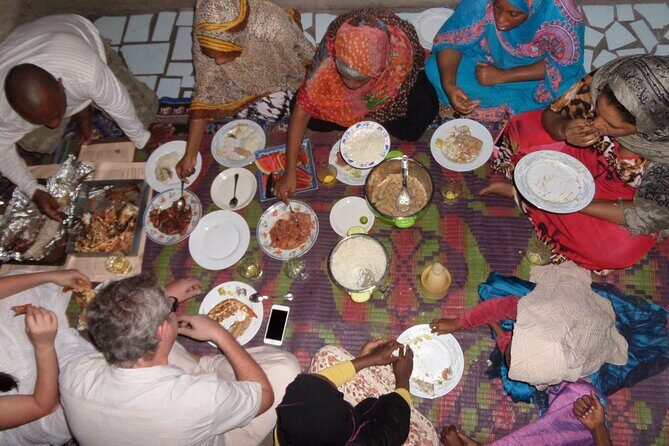
If you book the cooking part, you’re not just there for food. You’ll join the chef in the kitchen an hour before dinner. That’s the sweet spot for most people: you get hands-on involvement without turning it into a full-day commitment.
Why this matters: Swahili cooking makes more sense when you see how spices are handled and how the kitchen uses what’s available. Even if you don’t consider yourself a “cooking person,” the process explains why Zanzibar flavors feel so distinct. You’ll also likely come away with practical ideas for seasoning—especially how cinnamon and cloves can show up as warmth rather than sweetness.
This also helps set expectations for your time. If your day is packed, you’ll want to plan your Stone Town schedule so you’re not sprinting straight from tours into the kitchen. A calm arrival makes the experience feel friendly instead of frantic.


Price and Value: What $35.90 Gets You

$35.90 per person is not the cheapest way to eat in Zanzibar, but it’s also not trying to be a mass-market price. You’re paying for three value drivers that add up quickly:
- A private-group feel: it’s a private tour/activity, meaning only your group participates.
- A family-home setting: this isn’t a formal restaurant with standard seating and a printed menu.
- Chef surprises plus a cooking option: there’s a real experience component, not just a plate.
Duration is around two hours. In that window, you get time with the kitchen, a Swahili meal, and an atmosphere that’s hard to replicate at a regular restaurant. If you’re already planning a day around Stone Town or a spice-focused schedule, this works well as the final flavor payoff—especially because the focus is seafood, spice, and coconut, not generic tourist fare.
Pickup, Meeting Point, and Getting There Without Stress

Sahani offers pickup and drop-off. You can request pickup from the Old Fort area, plus other locations if you ask. That’s useful in Stone Town, where walking can be part of the fun, but night navigation can also be tiring.
Your starting point is listed as BububuW629+RJ2, Malawi Rd, Zanzibar, Tanzania. The activity ends back at the meeting point. There’s also mobile ticketing, and it’s near public transportation, so you should have options if you decide not to use pickup.
The biggest practical tip: plan to arrive a bit early, especially if you want the cooking portion starting about one hour before the 6:00 pm dinner. Show up calmly and the host can get your group settled.
Who This Is For (and Who Might Want a Different Option)
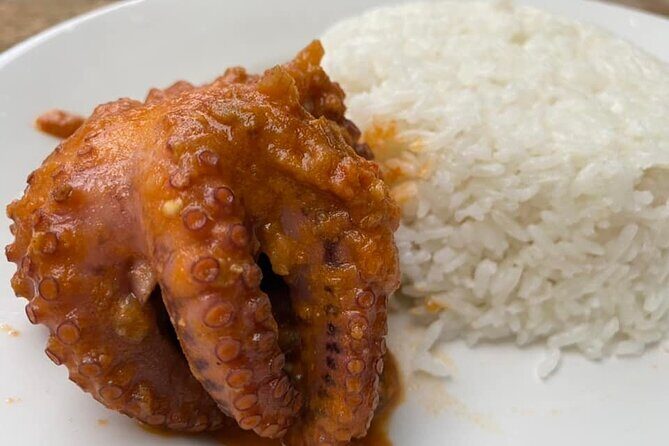
This is a great fit if you want more than a meal. If your ideal Zanzibar day includes meeting locals, tasting seafood-forward spice cooking, and learning what makes Swahili flavors distinct, you’ll like this.
It’s also ideal for small groups that want to eat together without a big crowd. The max group size of 10 keeps the experience from turning into a conveyor belt.
You might think twice if you’re someone who needs strict control over what you eat. Since there is no menu and the chef decides what happens, this works best when you’re flexible and open to surprises. And if you have dietary restrictions beyond vegetarian, you should communicate them carefully at booking, because the experience is built around chef decisions.
Weather and Timing: The Two Things That Can Change Your Plans
This experience requires good weather. If it’s canceled due to poor weather, you’ll either be offered a different date or a full refund. That’s one of those simple realities in Zanzibar where outdoor and home-kitchen timing can get affected by conditions.
Timing is straightforward in concept. Dinner starts at 6:00 pm, and if you want cooking, plan for an earlier start around one hour before dinner. That means your evening schedule needs a block of time, not just a quick stop.
Also, opening hours are listed as 12:00 pm to 6:00 pm. So treat this as an afternoon-to-early-evening plan that culminates at dinner.
Host Energy: Friendly, Organized, and Focused on Flavor
The name Mohamed shows up in the story of this experience. In one case, Mohamed picked people up and helped arrange another activity on short notice. That gives you a sense of how responsive the host can be, at least when your plan needs adjusting.
Other notes highlight the host’s friendliness and the quality of fish dishes—especially barracuda in lemon sauce. Even though that specific dish comes from a fish-dinner context, it reinforces the broader theme: you’re choosing a place that puts real effort into seafood flavor, not just presentation.
The overall vibe in the feedback is warm and attentive: you’re cared for, the food is tasty and delicious, and the family atmosphere is part of the point—not just a side effect.
Should You Book Swahili Kitchen in Zanzibar?
Book it if you want a Swahili home-kitchen meal in Stone Town, with spice-forward cooking and a coastal seafood focus. The small group size helps, and the no-menu chef surprises are exactly what make this feel like Zanzibar rather than another version of the same restaurant menu.
Consider a different option only if you need a printed menu, strict item-by-item choices, or you’re very nervous about trying dishes outside your comfort zone. If you’re vegetarian, tell them when you book so they can plan. And if your schedule is tight, leave space for the earlier cooking start.
If you’re the type who likes to trade generic sightseeing for a real taste of daily life, this is a smart use of time—and good value for what you’re actually getting.
FAQ
What is the price of Swahili Kitchen?
It costs $35.90 per person.
How long is the experience?
It lasts about 2 hours.
What time does dinner start?
Dinner starts at 6:00 pm.
Is pickup available?
Yes. Pickup and drop-off are offered from the Old Fort area, and other places are available on request.
Is there a menu to choose from?
No. There is no menu; the chef surprises you.
Can the experience accommodate vegetarians?
Yes. You should let them know when you make the booking so they can prepare vegetarian options.
How big is the group?
The kitchen can serve a maximum of 10 people.
Where do you meet?
The meeting point is BububuW629+RJ2, Malawi Rd, Zanzibar, Tanzania. The activity ends back at the same meeting point.
Is the tour private?
Yes. It’s a private tour/activity, and only your group participates.
What happens if the weather is poor?
The experience requires good weather. If it’s canceled due to poor weather, you’ll be offered a different date or a full refund.