REVIEW · ZANZIBAR CITY
Zanzibar: Stone Town City Tour and Spice Farm with Lunch
Book on GetYourGuide →Operated by AClass Travel · Bookable on GetYourGuide
Stone Town teaches fast—and tastes slow. This private day blends Stone Town landmark stops with a real spice farm visit where you smell, touch, and taste spices right on the plants. It is also wrapped in the look and feel of Zanzibar’s Arab, Persian, Indian, and European mix—plus a UNESCO site status.
My favorite parts are the street-level scenes: the City Market area and its fish auctions give you a true sense of how locals shop and trade. I also like the farm side of the day, especially trying fresh coconuts picked straight from the tree and learning what cassava leaf work and coconut milk prep are actually like.
One real drawback to plan for: cash matters more than you might expect. Spice farm and slave market entrance fees are listed as extra, and some guides can add pressure around tipping and buying.
In This Review
- Key highlights at a glance
- Stone Town UNESCO streets: Old Slave Market to House of Wonders
- City Market and fish auctions: the daily trade you can actually feel
- Old Fort, Tippu Tip’s House, and Freddie Mercury’s home (yes, really)
- Spice farm basics: cloves, nutmeg, cinnamon, and black pepper on the plants
- Cassava leaves, coconut milk, and simple cooking practice
- Lunch at the local restaurant and shopping your souvenirs
- How much $32 really costs: entrances, pickup fees, and real value
- Guide quality swings the day (Capuchino got real praise)
- Timing and pickup reality: plan for delays
- Who should book this Zanzibar combo?
- Should you book the Stone Town and Spice Farm tour?
- FAQ
- What is included in the Stone Town City Tour and Spice Farm with Lunch?
- Are there entrance fees you should expect to pay on the day?
- Can I buy spices during the tour?
- What are the main Stone Town sights on this tour?
- What will I do at the spice farm?
- Do they offer refunds if I cancel?
Key highlights at a glance
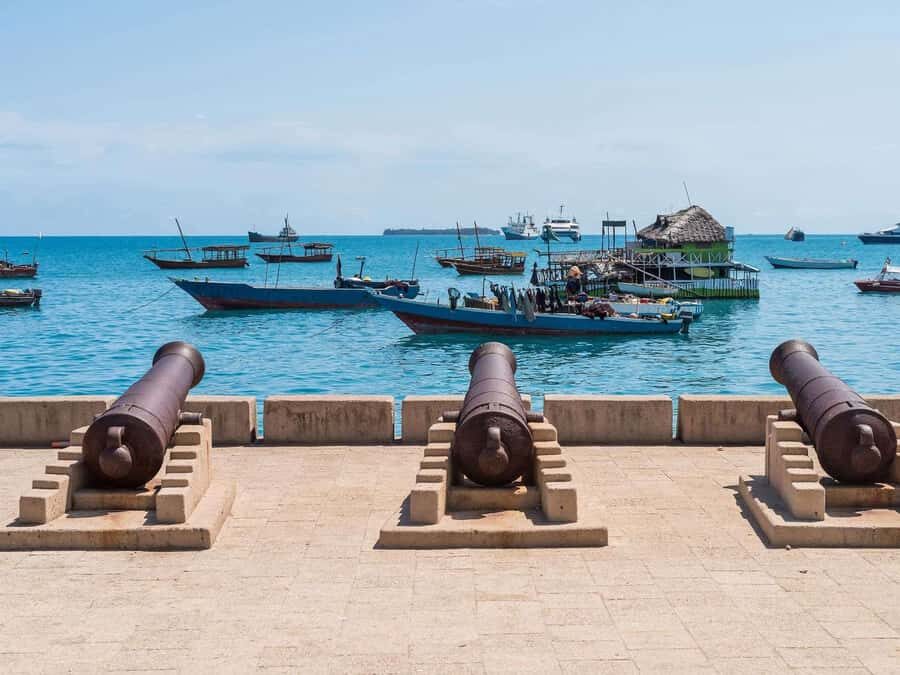
- Old Town walking route with major landmarks: Old Fort, Palace Museum, House of Wonders (Bait-al-ajab), and more
- Market time with fish auctions that shows daily Zanzibar life
- Spice farm sensory lessons: smell, touch, and taste spices like cloves, nutmeg, cinnamon, and black pepper
- Coconut tree harvesting: you get to try young coconuts picked for you
- Hands-on food moments: cassava leaf harvest, coconut milk making, and simple cooking practice
- Lunch on the farm plus a chance to buy spices from the shop (cash only)
Stone Town UNESCO streets: Old Slave Market to House of Wonders
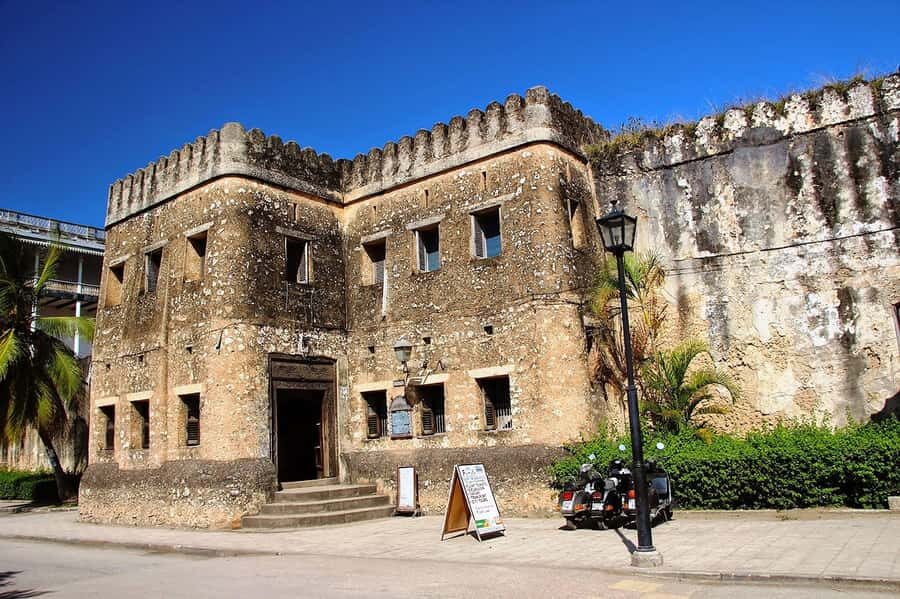
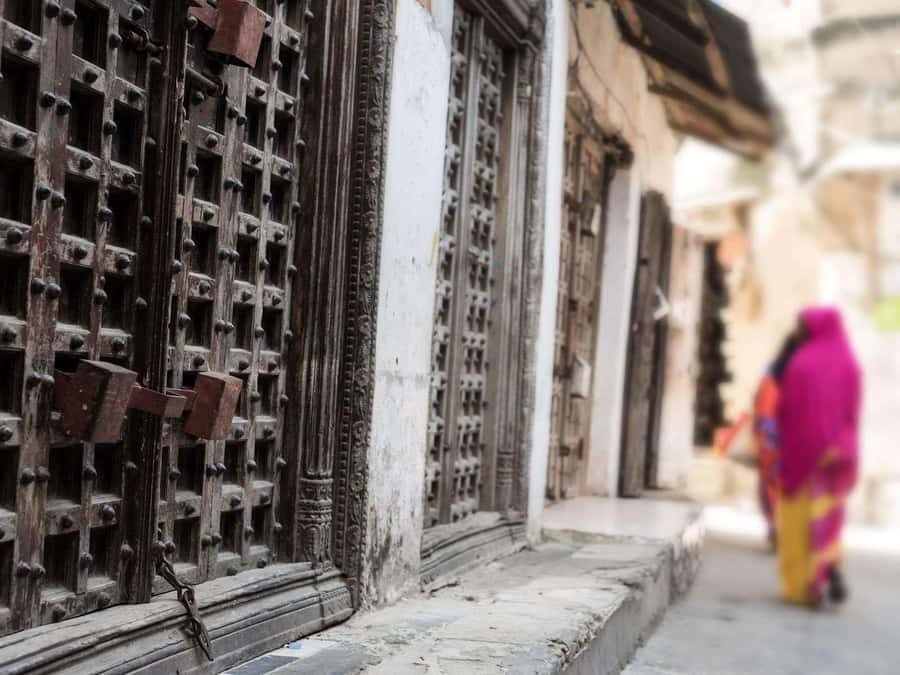
Start in Stone Town, the old core of Zanzibar’s main island, Unguja. This is the place where the architecture tells stories: you see Swahili culture braided with Arab, Persian, Indian, and European influences. Stone Town was named a UNESCO World Heritage Site in 2000 for exactly this kind of cultural and artistic mix.
Your morning is built around a classic old-town path. You begin at the Old Slave Market site and the Anglican Church area, then work your way into the narrow streets. Even if you are not a hardcore architecture person, these lanes do something helpful: they help you get bearings fast. They also make the later landmarks make sense, because you can trace how the town grew around trade and power.
A practical note: Old Town stops mean walking on uneven, sometimes crowded streets. Wear comfortable shoes, and don’t plan to visit anything else right after this tour ends—your feet will have opinions.
You can also read our reviews of more city tours in Zanzibar City



City Market and fish auctions: the daily trade you can actually feel
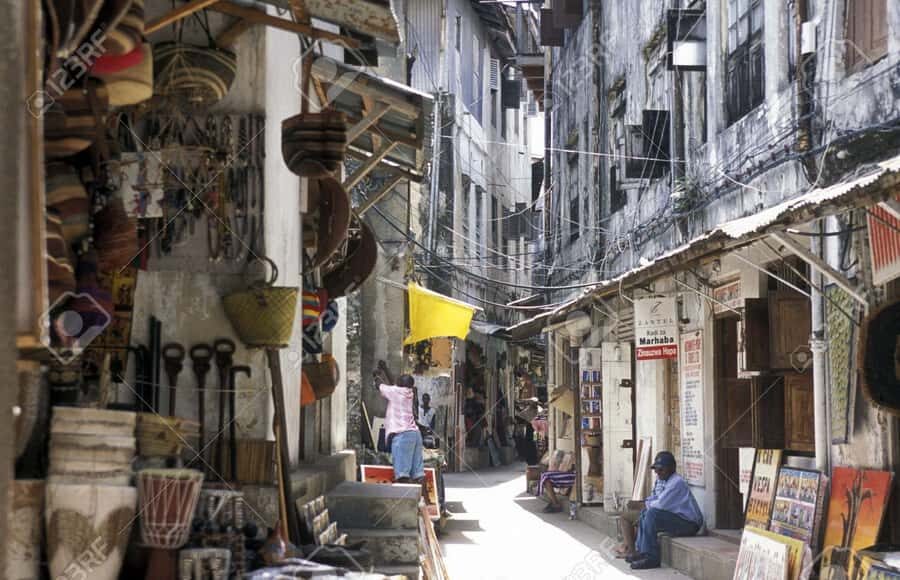
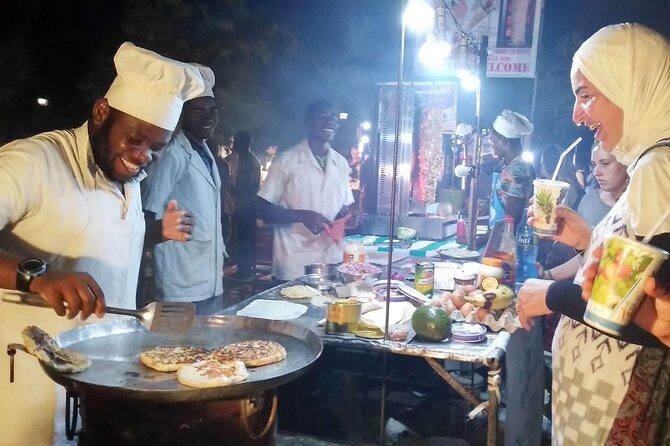
The City Market stop is one of the best “this is Zanzibar” moments in the day. You get to see fresh produce and watch the rhythm of shopping and bargaining up close. The fish auctions are the big draw here: you’ll see the loud, fast-moving side of coastal life, with locals buying and selling what just came in.
This matters because it is not a museum look. It is commerce in motion. And you’ll probably spot how people choose fish, how prices get negotiated, and how quickly the market keeps going. If you like cultural experiences that feel real—not staged—this is the part to linger on.
Just keep your expectations grounded: markets are busy and sometimes chaotic. If you want quiet photos, this is not that stop. If you want to understand how a coastal city runs, it is excellent.
Old Fort, Tippu Tip’s House, and Freddie Mercury’s home (yes, really)
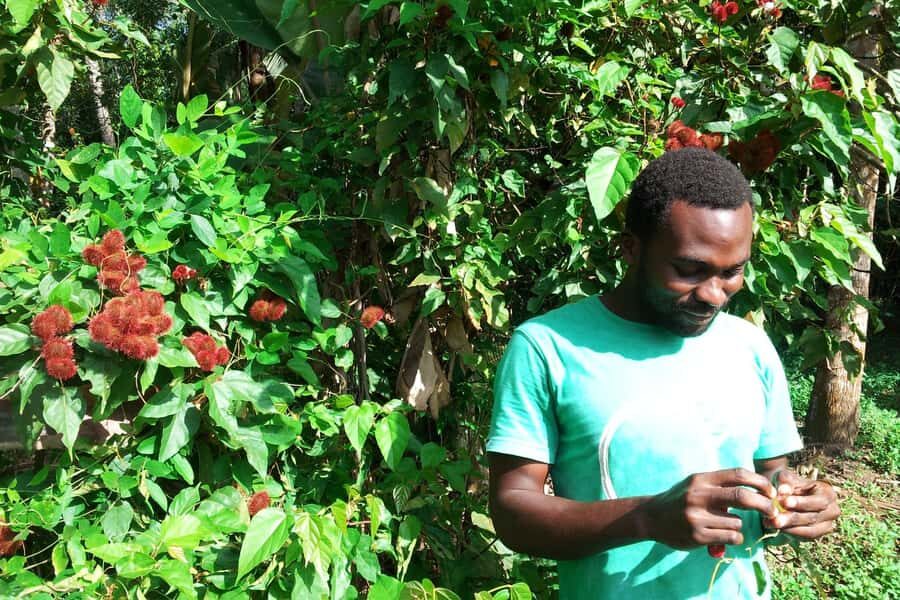
After the market, the tour turns into landmark mode. You’ll cover major sights like the Palace Museum and House of Wonders (Bait-al-ajab)—notable because it is described as the largest and tallest building in town. That gives you a clear sense of past status and wealth in a place that has always been shaped by trade.
Next come the fort and key residences tied to famous names. You’ll visit the Old Fort, Tippu Tip’s House, and Freddie Mercury’s House. That last one can feel like a pop-culture detour until you place it inside the context of Stone Town’s life: this is a city that drew international attention because of its role in commerce and coastal connections.
Also included is the Peace Memorial and the Natural History Museum, plus other attractions as you move along the route. The exact “how much time at each stop” can depend on the pace of your guide and the day’s crowds.
Spice farm basics: cloves, nutmeg, cinnamon, and black pepper on the plants
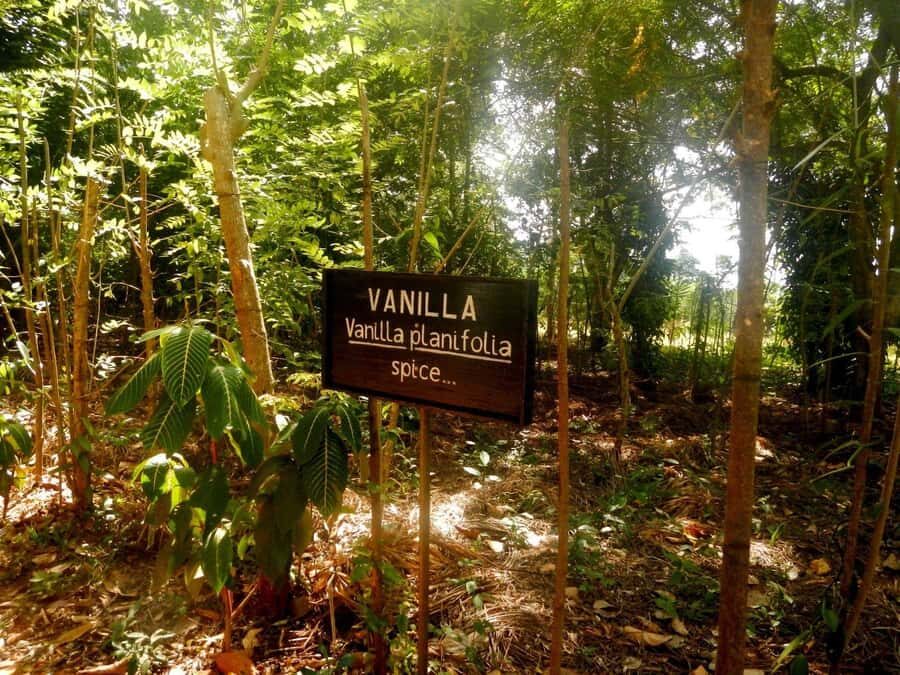
Then you shift from city stones to spice reality. Zanzibar’s spice reputation is not a marketing slogan—it’s an industry and a tradition. The tour focuses on how islands like Zanzibar and the Mafia Island area earned the nickname Spice Islands. You’ll specifically be looking at cloves, nutmeg, cinnamon, and black pepper.
At the organic spice farm, your guide explains how the spices are grown and how they’re used in medicine and cooking. What makes this section valuable is that it is not just talk. You get hands-on sensory practice: you touch, smell, and taste spices directly from the plants (as part of the farm experience).
If you have ever bought spice packets at home and wondered what you were missing, this is where you catch the difference. Whole spices and fresh leaves give different aromas than ground powders. Expect strong smells—some good, some you’ll need a second to adjust to.
One important practical consideration: entrance fees for the slave market and the spice farm are extra and paid cash on the spot. The farm shop is also cash only. So if you do not carry cash, you can easily feel shut out of the “buy spices after” part of the day.
Cassava leaves, coconut milk, and simple cooking practice
This is the farm portion that turns the tour from sightseeing into a lived-in activity. You might do a cassava leaf harvest and learn to make coconut milk. The tour also includes some cooking techniques, so you are not just watching from the sidelines.
Even if you are not cooking at home often, I like this part because it connects spices to actual kitchen work. You see how ingredients move from plant to prep to food. That also helps you understand why certain spices are valued beyond flavor—some get used in traditional medicine as described during the visit.
There is also a coconut tree climber who picks young coconuts for you to try. That detail matters. It is not a pre-cut sample. It’s part of the farm process, and it makes the day feel more intentional.
A few more Zanzibar City tours and experiences worth a look





Lunch at the local restaurant and shopping your souvenirs
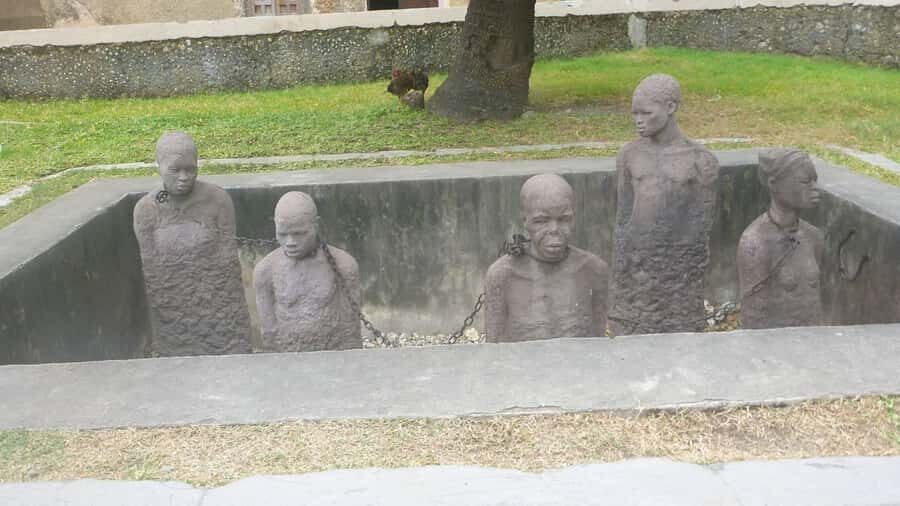
Lunch is included, and the tour ends with a meal at a local restaurant tied to the farm experience. This is a good place to slow down. You’ll have smelled spices all morning, tasted a few, and then you eat. That combo helps the flavors stick.
After lunch, you’ll have a chance to purchase spices from the shop. Here’s the thing to remember: cash only. If you want to bring home cloves, nutmeg, cinnamon, or black pepper, plan to handle it right then.
Also, some tour days feel like they get very sales-heavy. One person’s experience included repeated pressure to tip and buy items. That doesn’t mean it will happen to you, but it does mean you should go in with a calm plan: decide your budget for shopping ahead of time, and do not let the day run you.
How much $32 really costs: entrances, pickup fees, and real value
The listed price is $32 per person, and on paper it looks like a great deal: hotel pickup and drop-off (if selected), a professional guide, water, Stone Town visits, spice farm visit, and lunch. For many people, that is the value sweet spot—especially if you would otherwise pay for guide time in two separate places.
But the “gotcha” is cost creep. Extra entrance fees are stated as $10 per person paid cash on the spot for the slave market and spice farm entrance. Transfers from outside Stone Town can cost extra too.
There is also a pickup pricing detail that showed up in one experience: requested pickup may add around $20 more per person, even if it is not clearly specified in the base info. That doesn’t mean it will apply to you, but it’s a good reason to confirm your total cost before you assume the final bill equals $32.
My advice for value: treat $32 as the guide + logistics bundle, then add your likely cash extras (entrance fees and any pickup transfer outside Stone Town). If you do that math early, the day feels fair instead of stressful.
Guide quality swings the day (Capuchino got real praise)
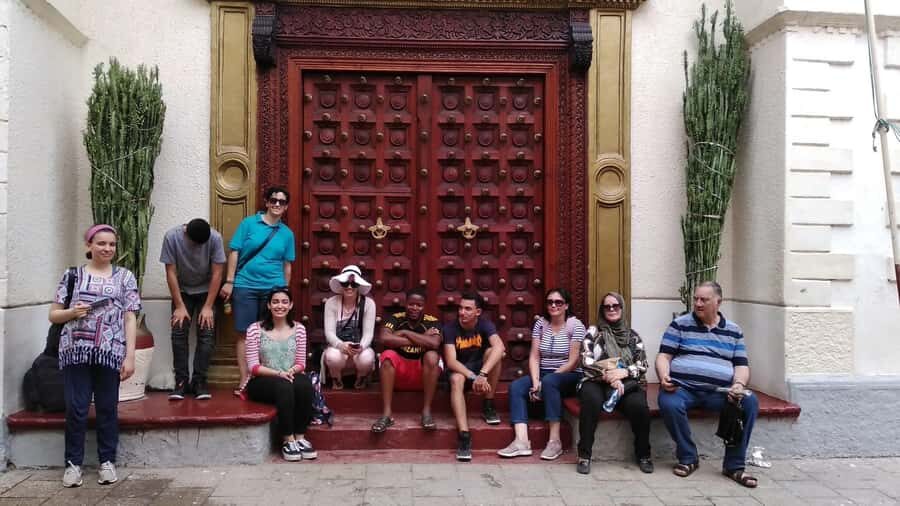
A lot of the success here comes down to the guide. In one highlight, a guide named Cappuccino was praised as patient and kind, with good Q and A during the day. That kind of guide can turn the landmarks into understanding, and the farm stops into real learning.
On the flip side, some negative experiences were less about the stops and more about the delivery: late pickup, confusion about add-on payments, insisting on tips, and a commercial feel that crowded out the cultural side. There was even one account where the guide situation seemed messy at the start and extra cash demands popped up after arrival.
What you can do: before the day starts, make your expectations clear to yourself. Ask (or confirm) what is included versus paid on the spot, and keep your cash ready. If you are the type who hates pressure, pick a day when you are mentally prepared to handle sales talk with a polite but firm budget.
Also, languages offered include English, French, German, and Italian. If language matters for you, match your preference early so you are not stuck in a communication gap for hours.
Timing and pickup reality: plan for delays
Stone Town is compact, but timing can still go sideways. One experience described a pickup that was supposed to start around 8:00 but happened later, with the tour effectively starting well after the scheduled time. Another account mentioned a shorter tour window than expected.
That does not guarantee your day will be delayed. It does mean you should keep your schedule flexible. If you have a dinner reservation, build in buffer time for getting back to your hotel.
If your pickup includes a hotel name and room number, send that as requested. It sounds basic, but it reduces confusion when guides are coordinating multiple pick-ups.
Who should book this Zanzibar combo?
This tour fits best if you want a day that mixes two kinds of learning:
You’ll love it if you enjoy:
- history and place-based walking in Stone Town
- market scenes like fish auctions
- a farm experience where you smell and taste spices
- hands-on food moments like coconut milk and cassava leaf work
You might not love it if:
- you need very tight timing and hate surprises
- you dislike tipping and sales pressure
- you don’t carry cash (because entrance fees and spice shopping are cash based)
Should you book the Stone Town and Spice Farm tour?
My take: it’s a strong choice when you want value and you like sensory experiences. The Stone Town landmarks help you understand why Zanzibar mattered in trade, and the spice farm gives you a memorable, hands-on way to connect spices to real plants and cooking.
But book it smart. Bring cash for entrance fees and for the shop. Confirm pickup details and any extra transfer costs if you are not in central Stone Town. Choose this tour if you can handle a bit of hustle—Zanzibar is not a silent, buttoned-up place.
If you do those things, you’re much more likely to walk away with two good stories: one from the old streets, and one from the spice scent still on your hands.
FAQ
What is included in the Stone Town City Tour and Spice Farm with Lunch?
The tour includes hotel pickup and drop-off if that option is selected, Stone Town visits, the spice farm visit, a professional guide, water, and lunch at a local restaurant.
Are there entrance fees you should expect to pay on the day?
Yes. Entrance for the slave market and the spice farm is listed as $10 per person, paid cash on the spot.
Can I buy spices during the tour?
You have a chance to purchase spices from the shop at the end, and the information notes that purchases are cash only.
What are the main Stone Town sights on this tour?
You’ll visit places such as the Old Slave Market site and the Anglican Church area, the Palace Museum, the House of Wonders (Bait-al-ajab), the Old Fort, Tippu Tip’s House, Freddie Mercury’s House, plus the Peace Memorial and the Natural History Museum.
What will I do at the spice farm?
You’ll learn how spices are grown and used, with time to touch, smell, and taste spices from the plants. The experience also includes cassava leaf harvest, coconut milk making, cooking techniques, and trying coconuts picked by a coconut tree climber.
Do they offer refunds if I cancel?
Cancellation is listed as possible up to 24 hours in advance for a full refund.