REVIEW · ZANZIBAR CITY
Zanzibar: Spice Farm Tour and Cooking Class with Lunch
Book on GetYourGuide →Operated by Zanturtle Explore Tours and Safaris · Bookable on GetYourGuide
Spices have a sound, and you’ll hear it. This 5-hour Zanzibar experience mixes spice-sense teaching with an open-air cooking day, so you’re not just looking at plants—you’re smelling, touching, harvesting, and learning how they end up on a Swahili plate. I love the moment you get to work with spices right where they grow (cloves, cinnamon, ginger, lemongrass, and more), and I love the open-fire cooking vibe where the day turns into a real 3-course meal plus dessert. One thing to weigh: pickup mix-ups can happen, and you’ll likely run into multiple people asking for tips during the day, which can feel less authentic if you’re not expecting it.
Zanturtle Explore Tours and Safaris runs it as a private group with hotel pickup and drop-off from Stone Town and nearby areas, then a van ride to the farm. It’s a great value if you want hands-on culture and food, not a rushed photo stop. If you hate heat, long days of walking, or spending your attention on buying add-ons, come prepared—or you might find the day’s “sales energy” a bit much.
In This Review
- Key Highlights You’ll Actually Remember
- Why a Zanzibar Spice Farm Tour Feels Like a Sensory Safari
- Getting to Jambo Spice Farm Dole: Pickup, Ride, and Time on Your Side
- The Village + Plantation Walk: How You Learn Without Memorizing
- Harvesting Spices Like a Local Cook
- Fruit Tasting Isn’t an Add-On Here
- The Cooking Class: Swahili Food, Built Step-by-Step
- Lunch, Dessert, and What You’ll Notice When You Eat It
- Palm-Leaf Accessories, Playful Moments, and Local Color
- Price and Value Check: Is $63 Worth It?
- Who This Trip Fits Best (And Who Should Skip It)
- Practical Tips to Make Your Day Run Smooth
- Should You Book This Zanzibar Spice Farm + Cooking Class?
- FAQ
- How long is the Zanzibar spice farm tour and cooking class?
- Where is pickup and drop-off available?
- What’s included in the price?
- Is the tour wheelchair accessible?
- What should I bring with me?
- Are alcohol and drugs allowed?
- What cancellation and booking flexibility is offered?
Key Highlights You’ll Actually Remember
- Plant-to-plate spice learning: you’ll taste, smell, and touch spices where they grow, not from a jar display
- Village walk with daily-life context: a guided stroll through villages and spice plantations that gives the farm meaning
- Harvesting time: you get your hands involved with picking ingredients for the meal
- Tropical fruit sampling: you’ll try fruits like pineapple, bananas, oranges, watermelon, plus other local varieties
- Swahili cooking with a local chef: a hands-on 3-course menu plus dessert, cooked together
- Palm-leaf crafts and playful moments: you may even end up wearing or holding palm-leaf accessories made for you
Why a Zanzibar Spice Farm Tour Feels Like a Sensory Safari
A spice farm tour in Zanzibar can be educational in a textbook way. This one is different because it keeps you using your senses. You’re not just told which spice is which. You handle it. You smell it. You taste it. You hear the story of why Zanzibar became famous for aromatics in the first place and how local cooking keeps those flavors front and center.
I like that the day builds from curiosity to cooking. First, you learn what spices are used for and how they connect to Zanzibar cuisine. Then you harvest. Then you cook the meal. That order matters because it turns “cool information” into “I can taste this in the dish.”
The best part is the hands-on teaching. When the plants are right there—on trees, in barks, along the farm paths—you stop seeing spices as abstract. They become ingredients you can picture later, back in your own kitchen. And if you’re lucky enough to have a guide like Mateo, the learning can turn playful, like guessing what something is before it’s explained.
You can also read our reviews of more cooking classes in Zanzibar City


Getting to Jambo Spice Farm Dole: Pickup, Ride, and Time on Your Side
The tour is built around convenience, but it’s still a half-day trip. You’ll be picked up from one of four zones: Stone Town, Unguja North Region, Unguja South Region, or Mjini Magharibi Region. Then you’ll head to the farm by van, with about an hour on the road.
Why that matters: Zanzibar doesn’t always move fast, and the farm is out of town. That van time is useful because it sets the tone. You arrive with a plan, not chaos. Still, I’ll be straight with you: there’s enough flexibility in real life that you should expect you might wait a bit if your pickup details don’t match perfectly. Build in a buffer, especially if you’re juggling other plans later that day.
At the farm, you start with a break and orientation, then get moving on the guided portion. You’re not just dropped somewhere and set loose. You get a guide, a walking route, and a rhythm that keeps the day from dragging.
The Village + Plantation Walk: How You Learn Without Memorizing
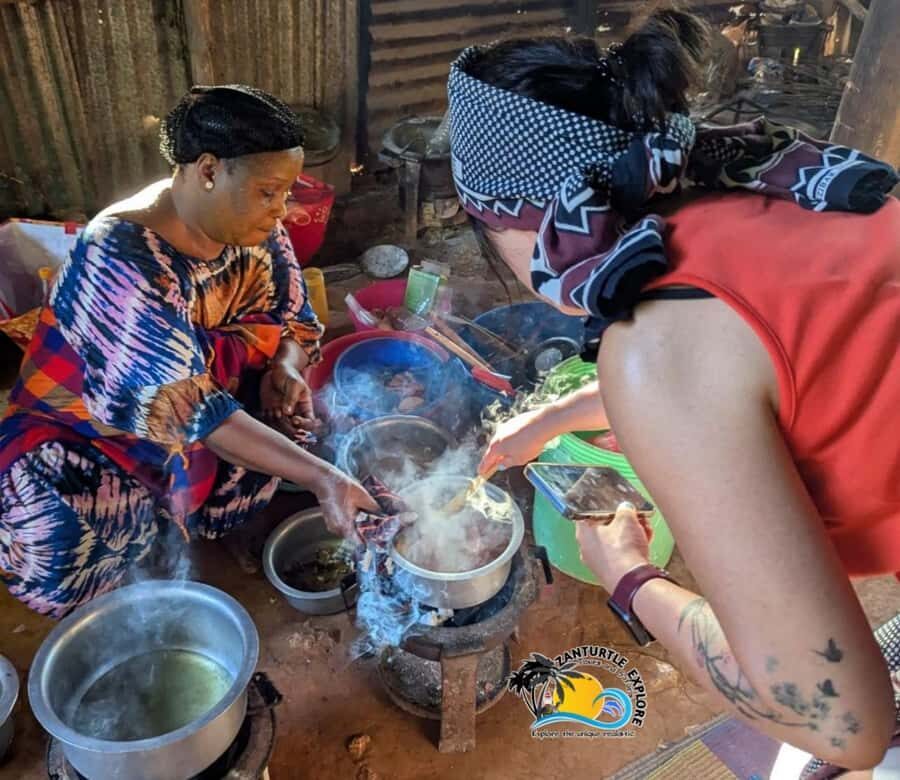
Once you arrive, you begin with a guided walking tour through villages and spice plantations. This is where the experience becomes more than a list of “what grows here.” Zanzibar village life shows up in small ways: how people use plants, how daily routines connect to agriculture, and how the farm isn’t isolated from community.
As you move through the plantations, you’ll learn the traditional uses of spices. You also get a physical sense for how different plants are grown and handled. Some spices come from bark or stem. Others come from leaves or fruit. That’s not just trivia—it helps you understand why each ingredient behaves differently in cooking.
A practical note: wear comfortable shoes. Paths can be uneven, and you’ll be walking enough that you’ll feel it later. Also bring your camera, but don’t treat it like your full-time job. The best learning happens when you’re present with what you’re smelling and touching.
Harvesting Spices Like a Local Cook
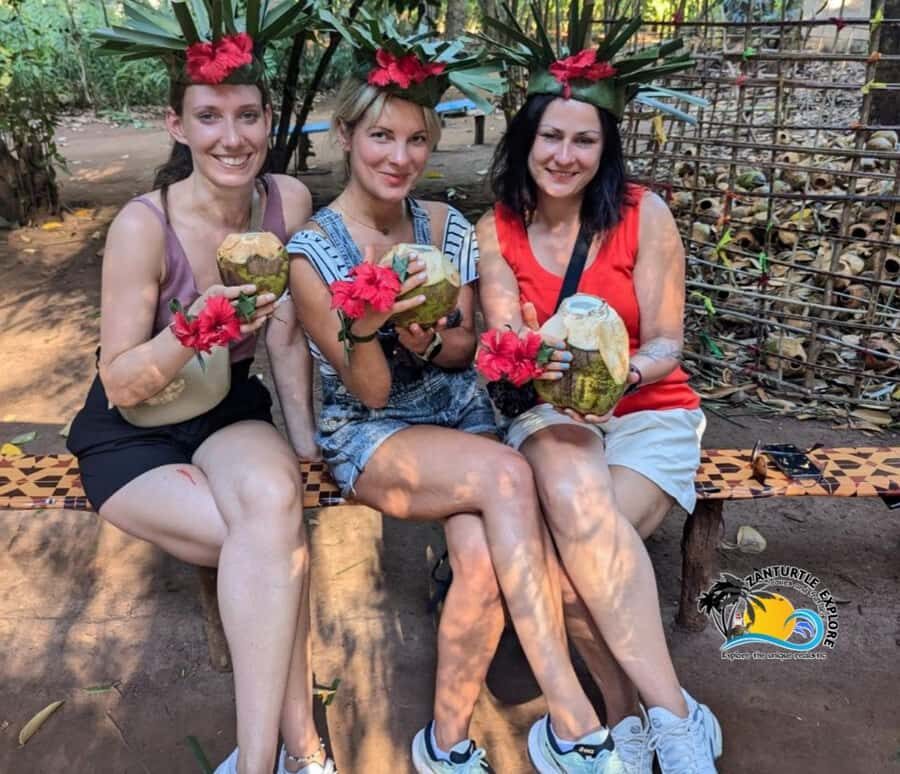
At some point during the farm time, you shift from observing to harvesting. You’ll join the process of picking ingredients used for your meal. It’s not a “survive the wilderness” chore, but it is hands-on, and that makes a difference.
One of the most memorable parts of this style of tour is how you see laborers interact with the plants. You might watch people climb trees to reach spice-related crops or coconut trees, and you may see them cut different barks and collect plant parts. That visual gives you context for what spices really require—attention, careful harvesting, and timing.
You’ll also learn to connect the names you hear—cloves, cinnamon, ginger, lemongrass, and others—to the way they taste and smell. The goal isn’t to turn you into a botanist. It’s to help you understand what each ingredient adds when it hits a pot back home.
Fruit Tasting Isn’t an Add-On Here
A lot of spice tours toss in a little fruit tasting as a quick perk. Here, fruit sampling plays a real role in your understanding of island flavors.
You’ll taste tropical fruits such as pineapple, bananas, oranges, and watermelon. You may also encounter smaller local varieties—like red bananas and small mangoes—depending on what’s in season. Either way, you’re getting a feel for the sweetness, acidity, and fragrance that show up in island cooking.
This matters for two reasons. First, fruit balances spice. Second, Zanzibar cuisine isn’t only about heat or aroma. It’s about layers—sweet against fragrant, citrusy against warm spices. When you taste fruit during the farm walk, you’ll recognize those flavors again when your meal arrives.
A few more Zanzibar City tours and experiences worth a look





The Cooking Class: Swahili Food, Built Step-by-Step
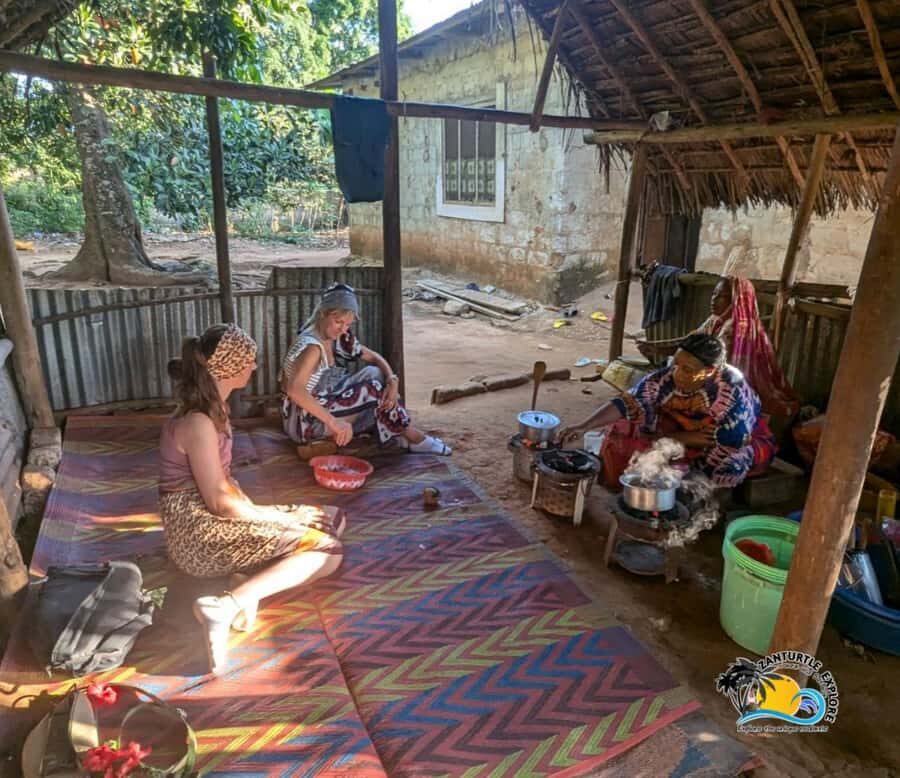
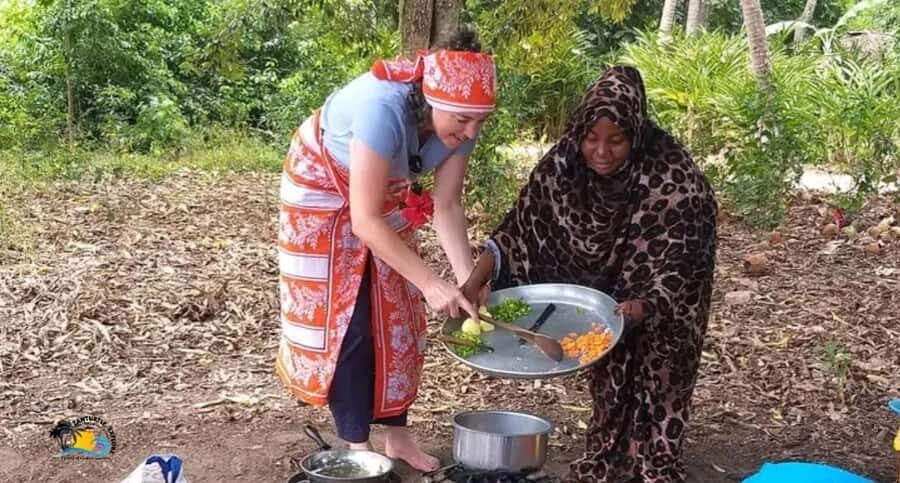
Then comes the part most people remember for the rest of their trip: the cooking. You’ll go back to the class area and cook together with a local chef, using ingredients your group helped harvest.
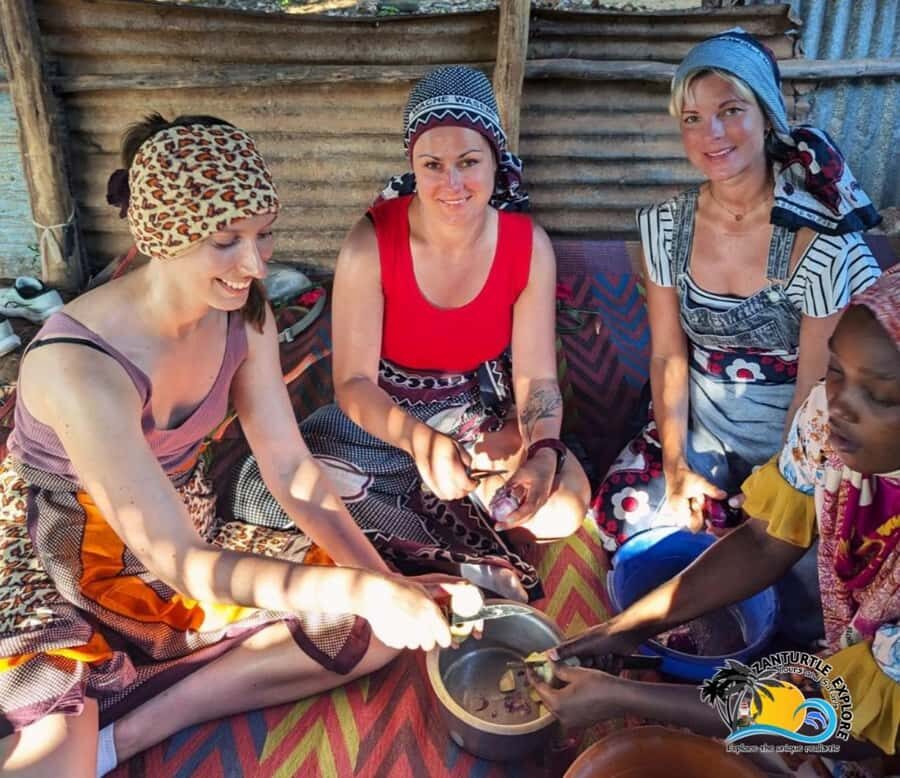
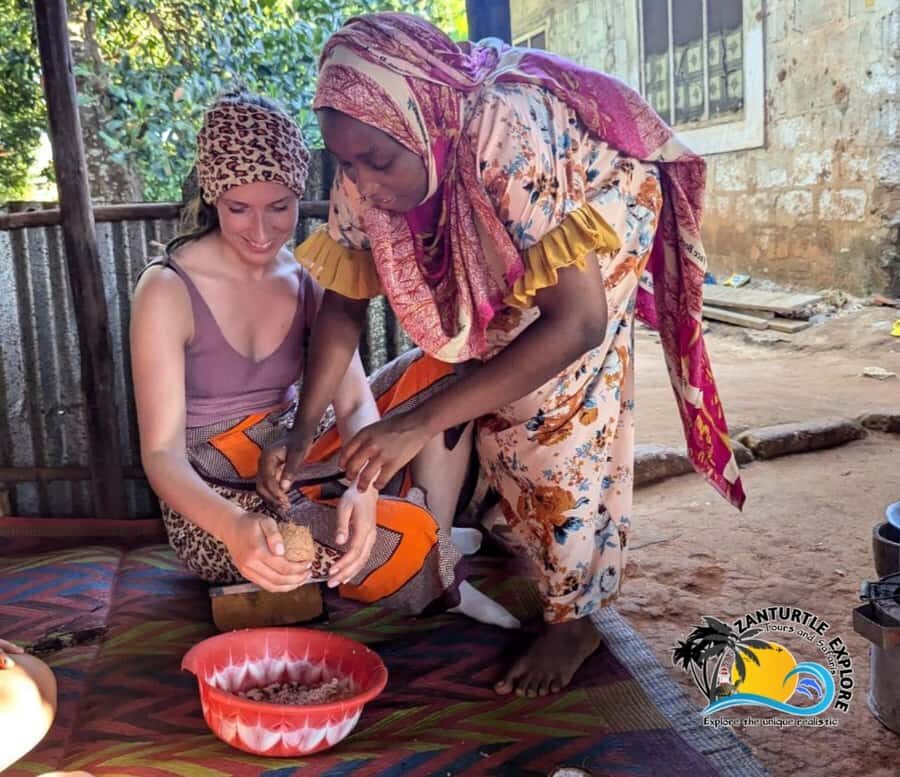
You’ll prepare a 3-course meal and dessert, and you’ll also see and use traditional cooking tools and techniques that have been passed down through generations. The cooking is hands-on rather than “watch the chef do everything.” You’ll chop, mix, and help prepare components that go into the dishes.
What surprised me in a good way is how the class often feels like cooking with locals, not just a demonstration. Some days lean more instructional than others, but the direction you’re given is practical—how spices are used, how you build flavor, and how you end up with dishes that actually taste like Zanzibar.
If you enjoy food learning, you’ll likely come away with confidence about how to use spices at home, not just a full stomach.
Lunch, Dessert, and What You’ll Notice When You Eat It
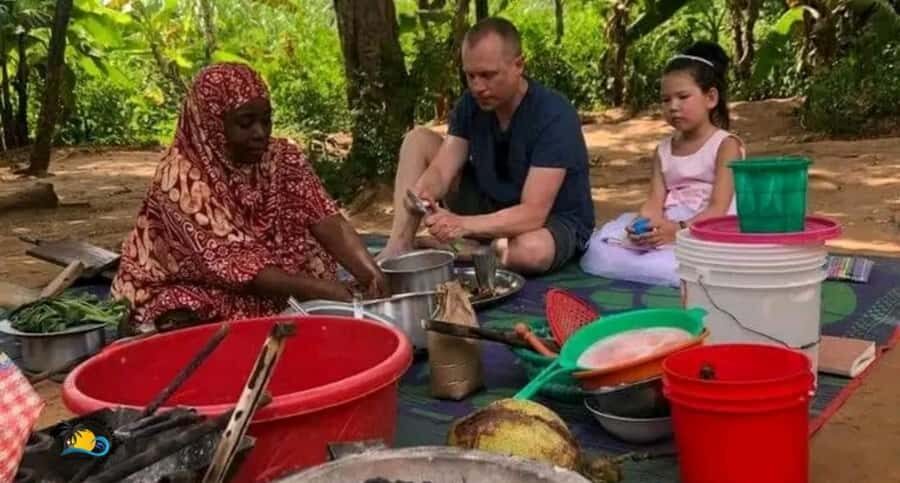
After cooking, you eat what you made. Lunch includes the dishes you prepare during the class, plus soft drinks and fruits are part of the day. Expect an outdoor, communal feel to the meal, with a focus on the flavors you spent the morning learning.
Here’s what you should pay attention to while you eat:
- How the spices smell shifts once they’re heated
- How sweetness and fruit flavors work with savory dishes
- How the meal is built as courses, not a random plate dump
The dessert portion helps close the day. It’s usually where the “island sweetness” side shows up, and it makes the whole experience feel complete rather than like a stopover between farm walking and a shopping visit.
Palm-Leaf Accessories, Playful Moments, and Local Color
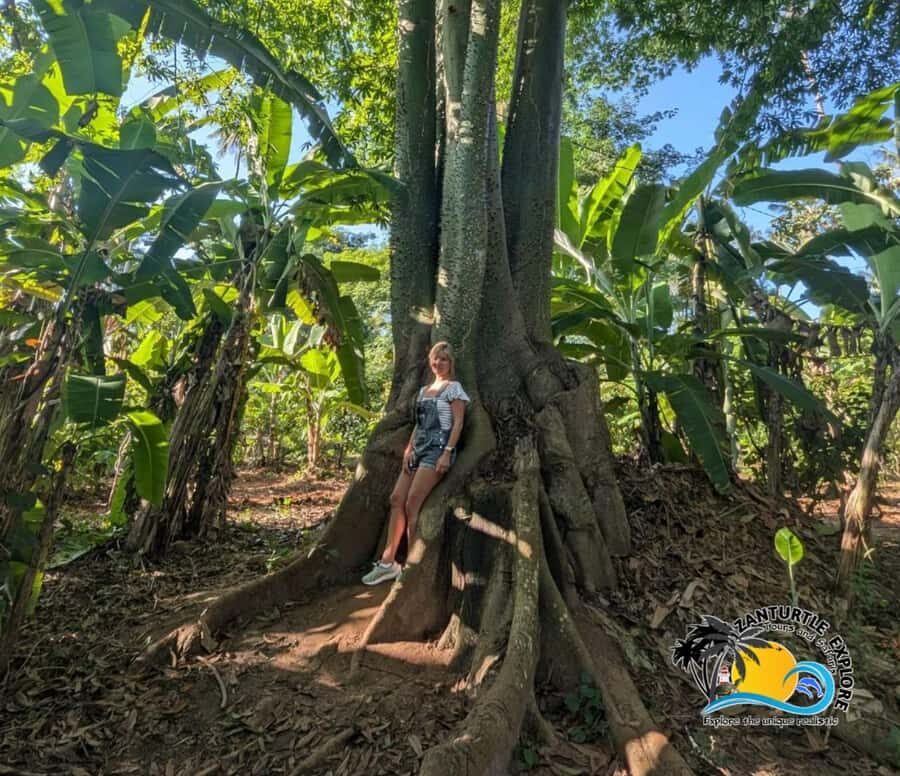
This tour includes more than food and plants. You may get adorned with palm-leaf accessories like ties, rings, armbands, and glasses. That sounds like a small detail, but it helps you feel part of the day instead of just passing through.
Some groups may also encounter playful local performances, like the butterfly men in action, and you may receive small crown-style palm-leaf crafts. Even if you’re not into souvenirs, these moments tend to make the day feel human and less staged.
Just keep your expectations grounded. These are cultural touches, not a museum exhibit. If you’re open to laughs and light participation, you’ll have a better time.
Price and Value Check: Is $63 Worth It?
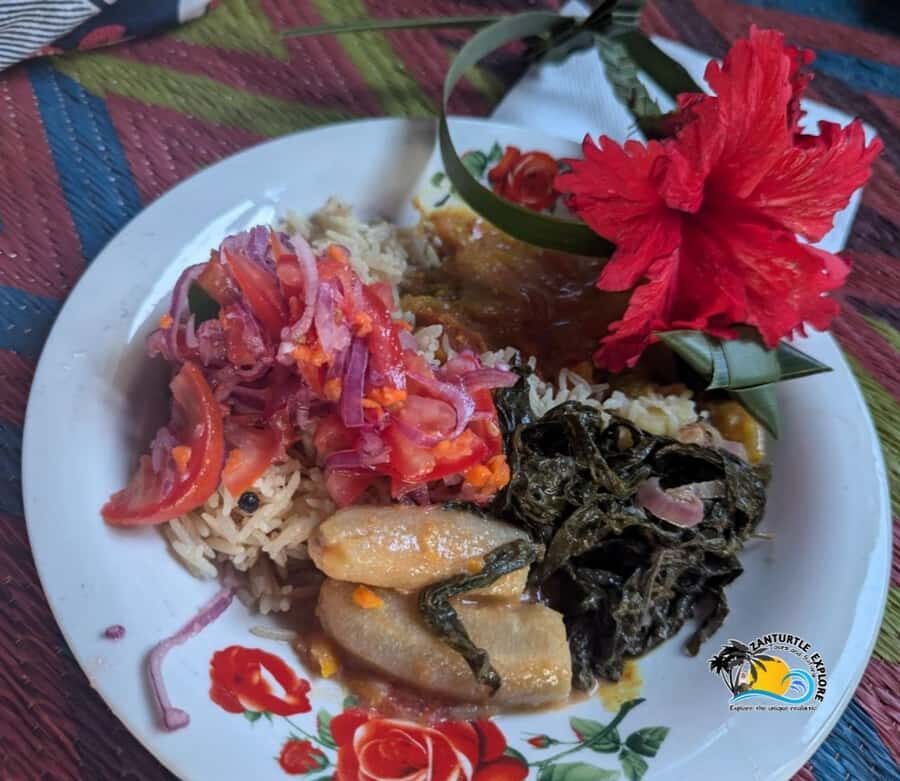
At $63 per person for a 5-hour experience with hotel pickup/drop-off, guided spice walking, a cooking class, lunch, and dessert, the math can work out well—especially if you’d otherwise pay separately for a farm tour, a cooking class, and a guided meal.
Here’s what you’re really buying:
- Time with spices where they grow (the sensory part)
- A cooking experience with ingredients you harvested
- A full meal outcome—3 courses plus dessert
What can reduce value, though, is the “everyone wants something” feeling. Multiple tip requests during the day can sour the experience if you weren’t planning for it. And if you want to buy spices, you may feel pressured by aggressive sales energy. That doesn’t mean you shouldn’t buy. It means you should treat shopping with a cool head.
My advice: bring enough cash not just for tipping, but also for any small purchases you genuinely want. Then decide calmly on the spot, not under pressure.
Who This Trip Fits Best (And Who Should Skip It)
This is a strong fit if you:
- Want a hands-on Zanzibar food experience (not just a tasting)
- Like learning by doing—smelling, touching, harvesting, cooking
- Enjoy walking tours that connect plants to daily life
- Want a good food-focused day out of Stone Town
It might be less ideal if you:
- Hate being asked for tips multiple times
- Want zero sales pressure and zero shopping talk
- Have limited patience for pickup coordination and possible waiting
If you’re traveling with kids, it can be fun because fruit tasting and palm-leaf accessories add “play” to the education. For slower walkers, plan around walking and heat and wear shoes with grip.
Practical Tips to Make Your Day Run Smooth
A few small things can dramatically improve your day:
Bring cash. You’ll likely be asked for tips during the experience, and you don’t want that awkward moment where you’re scrambling for money.
Wear comfortable shoes and sunscreen. You’re outside for the walking portion and the farm time. Sun is real.
Use a hat and camera, but keep your hands free. If you’re holding a camera the whole time, you’ll miss the tactile learning that makes this tour special.
Keep an open mind about authenticity. The tour is cultural, but it’s also a business with people trying to supplement income. If you treat it like a friendly exchange and budget a little for that reality, you’ll enjoy it more.
Ask quick questions during the spice walk. If something is confusing—how to use a spice, why it’s harvested a certain way—ask early. You’ll get better answers before you’re busy cooking.
Should You Book This Zanzibar Spice Farm + Cooking Class?
I’d book it if your ideal Zanzibar day includes farm-to-food learning. The sensory spice walk plus the cooking class is a smart combo: you learn the ingredients in the morning and taste the results at lunch.
But I’d hesitate if you hate tipping conversations, you’re sensitive to delays, or you want a totally hands-off experience with zero sales pressure. In that case, look for a more straightforward workshop format—or a cooking class that’s less tied to a full farm walkthrough.
If you do book, go in prepared: comfy shoes, sunscreen, a bit of cash, and the attitude that this day is as much about people and participation as it is about spices.
FAQ
How long is the Zanzibar spice farm tour and cooking class?
The experience runs for 5 hours total.
Where is pickup and drop-off available?
Hotel pickup and drop-off are available in four areas: Mjini Magharibi Region, Unguja North Region, Stone Town, and Unguja South Region.
What’s included in the price?
You get hotel pickup and drop-off, a guided walking tour through spice plantations, a cooking class with a local chef, all cooking ingredients and equipment, soft drinks and fruits, and lunch of the dishes you prepare, plus dessert during the class.
Is the tour wheelchair accessible?
Yes, it’s wheelchair accessible.
What should I bring with me?
Bring comfortable shoes, a hat, a camera, sunscreen, and cash.
Are alcohol and drugs allowed?
No—alcohol and drugs are not allowed.
What cancellation and booking flexibility is offered?
You can cancel up to 24 hours in advance for a full refund, and there’s an option to reserve now and pay later to keep plans flexible.