Craters and big animals meet on Meru. This 4-day climb from Moshi mixes early wildlife viewing with a steady trek through montane forest, then rewards you with dramatic crater-rim scenes and Kilimanjaro on the horizon.
What I like most is the wildlife timing: you start seeing Buffalo and Warthog early, then keep spotting birds and monkeys as the forest thickens and thins. I also really value the human side of the climb—guides and porters who stay attentive, like the support people highlight for guide Mushin Said, plus clear explanations from team members such as Cabila.
One thing to plan for: Mount Meru is tough. It’s not just altitude theater. The grades get steep and sustained, so you’ll want moderate fitness, good pacing, and layers for early starts.
In This Review
- Key highlights you should care about
- Mount Meru’s sweet spot: wildlife first, views after
- Price and value: what $996 includes (and what you’ll add)
- Day 1: Grassland game viewing, Fig Tree lunch, and Miriakamba Hut
- Day 2: Elephant Ridge, giant heather, and the Little Meru detour
- Day 3: Cobra Point at sunrise and the Socialist Peak route
- Day 4: Fast descent, wildlife chances, and Momella Gate
- The guide team experience: why support matters on a steep trek
- Who this trek suits best (and who should think twice)
- What to expect on the ground: logistics and practicalities
- The best way to enjoy Mount Meru: pace, layers, and patience
- Should you book this Mount Meru climb with Zara Tours?
- FAQ
- How long is the Mount Meru climb?
- Where does the trek start?
- Is pickup offered?
- What’s included in the price besides guiding?
- Is vegetarian food available?
- How big is the group?
- What should I budget for that is not included?
- Can I cancel and still get a refund?
- What fitness level is required?
Key highlights you should care about
- Wildlife early, not just at the top: Buffalo, Warthog, and elephants show up before the serious climb.
- Fig Tree lunch on Day 1: a famous stop that breaks up the hike with a real rest moment.
- Black-and-white Colobus in the forest: you’re trekking through habitat, not just scenery.
- Sunrise at Cobra Point: crater-rim cliffs and the Ash Cone are at their best in morning light.
- Optional Little Meru summit: a short add-on for strong legs and huge views.
- Small group size (max 12): easier logistics, less crowd noise, more personal guidance.
Mount Meru’s sweet spot: wildlife first, views after
Mount Meru is a different kind of climb than Kilimanjaro. You’re not just grinding upward until you reach a summit badge. You’re walking through changing ecosystems—grassland, montane forest, heather and moorland, then volcanic ridges—so the day-by-day feel shifts constantly.
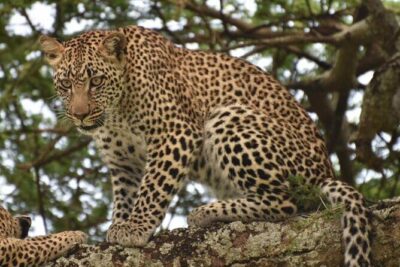
I love that it starts with real animal odds. Soon after you begin, the track passes open grassland where you can spot Buffalo, Warthog, and even elephants. That matters because it sets the tone: you get rewards before the hike feels hard. Then the route keeps threading upward through forest, where birds and monkeys become part of the soundtrack. Even the famous colobus species—the black-and-white Colobus—are part of what you might see as you continue after lunch.
The best part is the payoff timing. By the early-morning hours, you’re in position for the crater-rim drama: cliffs, the Ash Cone, and a wide view that can include Kilimanjaro on morning clouds. This is why the walk feels worth it even when your legs are ready to file a complaint.
You can also read our reviews of more tours and experiences in Moshi.
Price and value: what $996 includes (and what you’ll add)
At $996 per person, this trek sits in the “serious but not crazy” guided category. The value comes from what’s packed into the price:
- Transportation from Moshi to the starting point
- All government fees
- Guides and porters salaries
- Meals included (breakfast, lunch, and dinner across the trek days)
- Two nights accommodation in Moshi (bed and breakfast)
That’s the key: you’re paying for trained staffing, permits/fees, and daily food. Those costs add up fast when you try to piece it together yourself.
What’s not included is also important for budgeting. Plan on tips for your guides, porters, driver, and cooks. Also expect that lunches and drinks at the Springlands Hotel are not included, and airport transfers aren’t listed as included. If you’re flying in and out, you’ll want to confirm how you’re getting to and from Kilimanjaro Airport in your personal plan.
And yes, vegetarian options are available if you ask ahead. That’s not always offered with this kind of trekking package.
Day 1: Grassland game viewing, Fig Tree lunch, and Miriakamba Hut
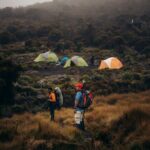
Day 1 starts with an easy win: you’re walking through open grassland where game viewing is part of the plan. Buffalo and Warthog are the classic sightings, and elephants can appear as well. This is your chance to slow down a bit, look around, and take photos—before the climb asks more from you.
Then the path shifts into a steady climb through montane forest. That’s where the hike stops feeling like a straight line and starts feeling like a nature walk with elevation. You also get that signature mid-day break at the famous Fig Tree, where lunch is served. It’s not just food. A scheduled rest like this helps you manage energy for the hours that follow.
After lunch, the forest becomes less dense, which often makes wildlife spotting easier. Birds get more active, and monkeys can show up along the trail corridor. People also specifically mention the black-and-white Colobus, which is a nice reminder that you’re walking through habitat that’s alive, not just a corridor of trees.
By mid-afternoon, you start seeing more dramatic features: closer views of the cliffs and the Ash Cone. That’s a great mental transition. You’re not only moving upward; you’re also orienting yourself toward what comes next inside the crater world.
Finally, you reach Miriakamba Hut (2,514 m), usually within about 4 to 6 hours of walking. There are beautiful views over surrounding plains toward Kilimanjaro, and the late-day light helps a lot. Ascent on this day is listed as 1,014 m, so treat this as your warm-up day—not a casual stroll.
Day 2: Elephant Ridge, giant heather, and the Little Meru detour
Day 2 begins with a short walk on paper, but don’t let that fool you. The route from Miriakamba Hut to the saddle below Little Meru is described as steep and sustained. This is where pacing matters most: steady effort beats big bursts.
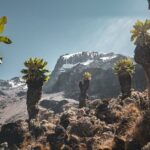
The climb starts through open, lush montane forest. After the halfway point of Elephant ridge, the vegetation changes. You move into higher zones with giant heather and moorland vegetation. If you like trekking because it feels like moving through climate bands, this is a strong day for that.
You’ll reach Saddle Hut (3,570 m) for lunch. Then the afternoon is free for rest and views. This is valuable because altitude days often require quiet time. Even if you’re energetic, giving yourself downtime helps you arrive at Day 3 with enough focus.
There’s also an optional detour for strong hikers: a climb to Little Meru summit (3,820 m) for superb views just before sunset. The walk time is listed as 3 to 5 hours, and ascent is shown as 1,056 m for that option. If you choose it, think of it as a bonus sunrise-eve window. If you skip it, you’ll still get a solid day and better recovery odds.
At Saddle Hut, water is collected from a stream about 10 minutes away. That detail matters because it hints at the practical reality of life on the mountain: you’ll be close to how things are sourced and managed, not in a hotel environment.
Day 3: Cobra Point at sunrise and the Socialist Peak route
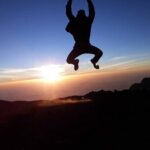
Day 3 is the big viewing day. The route continues along an undulating ridge of ash and rock to reach Cobra Point (4,350 m) around sunrise. Sunrise timing here is the entire game. Morning light is when the crater rim looks sharp instead of washed out.
From Cobra Point, the views can be stunning in multiple directions:
- cliffs of the Crater rim
- the Ash Cone rising from the crater floor
- Kilimanjaro floating on morning clouds
- the Rift Valley if the weather is clear
Then you push onward to Socialist Peak (4,566 m), described as about an hour more on a superb but often steep path. This part is for hikers who feel stable on steep steps and are okay with effort when you’re already tired from the climb earlier in the morning.
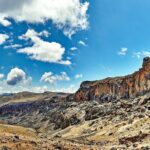
After the peak segment, the route back is one of the most dramatic moments: returning toward Rhino Point in sharp morning light along a narrow ridge. The ridge sits between the sloping outer wall of the crater and the sheer cliffs of the inner wall. That’s the kind of terrain that makes you look at your feet more, even while you’re trying to take in the view.
Once you’re back down to Saddle Hut, you get brunch and a well-earned rest, and then you continue the descent back to Miriakamba Hut (2,514 m). This is where the day shifts from “push” to “manage.” You’re not done yet, but the hardest altitude-focused motivation fades as you drop.
If you’re planning your energy for the whole trip, Day 3 is the one day where you should be extra honest about how your body feels. It’s okay to go slower and take breaks. The route is dramatic enough that you don’t need to rush to feel the moment.
Day 4: Fast descent, wildlife chances, and Momella Gate
Day 4 is a relief for most legs, but it’s not a free ride. You start with a fast descent through open grassland and mixed forest, with good chances of seeing wildlife. That’s a nice full-circle touch: you saw animals early on, and now you might see them again as the route opens up.
You also get excellent views back toward the crater and over the park plains. That means you’ll likely keep looking over your shoulder a lot, even when you’re focusing on footing.
Eventually you reach Momella Gate by late morning, with about 2 to 3 hours walking time listed for this final stretch. The descent is shown as 1,014 m. Even though the walking time is shorter, the downhill is still work. Bring your brain back to the basics: short steps, steady pace, and give your knees respect.
Once you finish at the gate, you’re done with the climb portion and can shift into normal life mode.
The guide team experience: why support matters on a steep trek
This type of climb lives or dies by the people moving with you. The package includes guides and porters salaries, and the small group size (maximum 12) helps keep things organized without feeling chaotic.
You can also see a pattern in the feedback: people appreciate attentive support and clear explanations. One guide name that stands out is Mushin Said, noted for being there and attentive to needs on a not-easy climb. Another name that comes up is Cabila, with praise for careful teamwork and explanations that made the summit effort feel more controlled.
That’s practical value. When you understand what the pace plan is, why you’re stopping, and what the next segment requires, you conserve energy instead of guessing. On steep days, guessing costs time and morale.
Also, the tour highlights flexibility to customize your itinerary. That’s not marketing fluff when you’re deciding between a Little Meru summit detour or a calmer day for recovery. Being able to adjust your route to your preferences can mean the difference between a trek that feels focused and one that feels stressful.
Who this trek suits best (and who should think twice)
This climb is listed as family friendly and ideal for families, and I can see why. The route is structured across four days, with specific landmarks and breaks built into the walking rhythm. You also get lots to look at besides your breathing: wildlife in open grassland, forest monkeys, and birds along the trail.
But it’s still a serious mountain trek. The tour says you should have moderate physical fitness. If you’re currently building consistency with hiking, you’ll want a few weeks of practice beforehand—especially with uphill effort and downhill control.
If you hate steep, sustained climbs, you may find Day 2 and the morning push on Day 3 mentally heavy even if you’re tough enough physically. And if weather turns, sunrise views can be reduced. The climb still offers forest wildlife and crater scenery, but the big sky moments depend on conditions.
What to expect on the ground: logistics and practicalities
A few practical notes can save you headaches:
- Pickup and transport: pickup is offered, and the package includes transportation from Moshi to the starting point.
- Meeting point: the start is tied to Kilimanjaro Airport and Kilimanjaro National Park Tanzania.
- Group size: max 12 travelers means you’re not competing for guide attention.
- Mobile tickets: you’ll receive a mobile ticket, and confirmation is received at booking time.
- Bags: you’re allowed 1 suitcase and 1 carry-on. Oversized extras may have restrictions, so ask before you bring anything bulky.
- Food: breakfast (4), lunch (4), and dinner (4) are included, and vegetarian options are available if you request them.
One other reality check: even with included meals, bring snacks you love. When you’re hungry, you want comfort food on demand, not a long wait.
The best way to enjoy Mount Meru: pace, layers, and patience
Mount Meru is the kind of hike where success feels simple: go at a pace you can maintain, keep your footing sure, and don’t fight the mountain.
Layering is smart because you can go from warmer forest sections to colder high points as you get closer to the crater rim. Bring a rain layer too; the route goes through zones where weather can shift fast.
Finally, practice the habit of looking up and looking down. Cobra Point and the ridge near Rhino Point are eye-candy, but you’ll stay safer if you treat every step like it matters. The good news: the views are strong enough that you’ll still get the moment even if you move carefully.
Should you book this Mount Meru climb with Zara Tours?
I’d book this if you want a guided, small-group Mount Meru experience that blends wildlife early, forest trekking in the middle, and real crater views at sunrise. The included meals, government fees, and staffing make it good value, and the flexibility to adjust plans helps you match the hike to your energy.
I wouldn’t book if you’re looking for an easy walk or if steep climbs make you anxious. This trek is challenging, and the payoff comes from doing the work consistently over multiple days.
If you’re the kind of person who enjoys nature you can see right now—Buffalo in grassland, monkeys in the trees, then sunrise drama at the crater rim—you’ll probably love this one.
FAQ
How long is the Mount Meru climb?
It’s listed as 4 days (approx.).
Where does the trek start?
The start is listed as Kilimanjaro Airport and Kilimanjaro National Park, Tanzania.
Is pickup offered?
Yes. Pickup is listed as offered, and transportation from Moshi to the starting point is included.
What’s included in the price besides guiding?
The package includes two nights accommodation in Moshi (bed and breakfast), transportation from Moshi to the start, all government fees, guides and porters salaries, and breakfast, lunch, and dinner across the days.
Is vegetarian food available?
Yes. A vegetarian option is available if you advise the operator when booking.
How big is the group?
The trek has a maximum of 12 travelers.
What should I budget for that is not included?
Tips for guides, porters, driver, and cooks are not included. Also not included are lunches and drinks at the Springlands Hotel and any personal expenses. Transfer to and from the airport is not listed as included.
Can I cancel and still get a refund?
You can cancel up to 6 days in advance for a full refund. A 50% refund is available if you cancel 2–6 days before the experience starts. Less than 2 days before start time isn’t refunded.
What fitness level is required?
The tour states you should have moderate physical fitness level.