REVIEW · ZANZIBAR CITY
Stone Town City Tour
Book on Viator →Operated by Bohobe Travels · Bookable on Viator
Stone Town has stories in every doorway. This walking tour traces Zanzibar’s past through major landmarks like the former Slave Market and the House of Wonders, while still giving you time to see how people shop and live today. I like the flexibility: the route can be tuned to your interests and the hours you have. I also like that it is structured like a timeline, not a random checklist. The only real catch is the wide time range—plan for anywhere from 2 to 8 hours depending on what you choose to cover.
If you’re into history but also want a real feel for the city, this tour hits a nice balance. You’ll pass the places that shaped Zanzibar’s identity, then you’ll walk straight into street-level life with markets, bread baskets, fruit stacks, and the fish market vibe.
Because it’s a private tour, it can work great if you want control. You’ll still want to move at a walking pace, and it helps to wear comfortable shoes since Stone Town is all about getting around on foot.
In This Review
- Key Things That Make This Stone Town Tour Worth Your Time
- Following the Sultans, Slaves, and Explorers Through Stone Town
- Starting in Stone Town Streets: Markets, Bread, Fruit, and the Fish Market
- The Former Slave Market and the Anglican Cathedral: Heavy Themes, Clear Context
- House of Wonders and Sultans’ Palace Museum: Power, Planning, and Style
- Old Arab Fort and the Dispensary: Fortified Edges and Everyday Health
- How Flexible Routes Fit Your Time (2 to 8 Hours)
- Price, Value, and What $100 Buys You in Zanzibar City
- Pickup, Mobile Tickets, and When to Confirm Your Start Time
- Who Should Book This Stone Town Walking Tour
- Booking Wisdom: Make the Tour Work for Your Day
- Should You Book the Stone Town City Tour?
- FAQ
- How long is the Stone Town City Tour?
- What does the $100 per person price include?
- Do I get hotel pickup?
- Is this a private tour?
- What happens if the weather is poor?
- What is the cancellation window?
Key Things That Make This Stone Town Tour Worth Your Time
- A sultan-and-slave storyline on foot connects the big sites into one moving narrative
- Flexible route planning lets you match your interests and the time you actually have
- Markets as part of the tour, not just sightseeing stops
- Major landmark mix including the House of Wonders, sultans’ palace museum, and more
- Private group experience so your questions don’t get rushed or lost
- Prompt, professional guidance highlighted in traveler notes, including guide name Paul
Following the Sultans, Slaves, and Explorers Through Stone Town
The best way to understand Stone Town is to treat it like a layered story. This tour is built for that. Instead of bouncing between disconnected photo stops, your guide walks you along the thread of Zanzibar’s past, shaped by sultans, the slave trade, and outside explorers and traders.
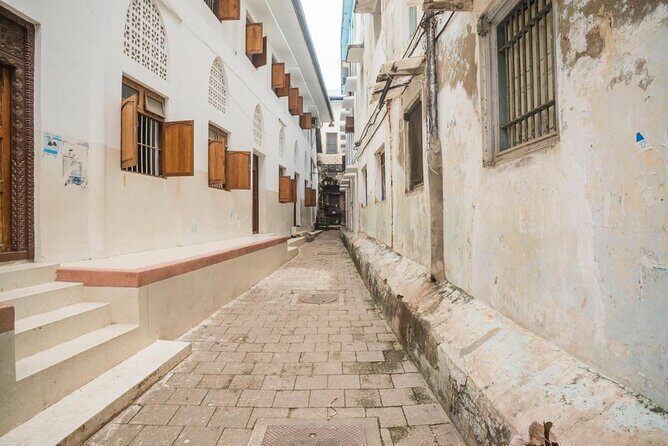
What makes this work for you is that the tour isn’t only about facts. It’s about how those facts show up in the physical space. You’ll move through streets and buildings where the city’s turning points happened, then you’ll look at what’s there now—people selling, eating, praying, working, and living side by side with historic walls.
You’ll also get a route that can shift. If your priority is history, you’ll spend more time on the power and trade-related sites. If your priority is browsing, you’ll get time for the shopping side too, including recommendations to help you optimize your time.
The tour is private, so it’s easier to ask practical questions—how certain areas function today, how locals think about the past, and what to do next while you’re already in the neighborhood.
You can also read our reviews of more city tours in Zanzibar City



Starting in Stone Town Streets: Markets, Bread, Fruit, and the Fish Market
Stone Town City Tour starts with the most useful skill: getting your bearings fast. You’ll begin in the winding streets and your guide helps you read the city in layers—architecture, street life, and the commercial rhythm that keeps the place moving.
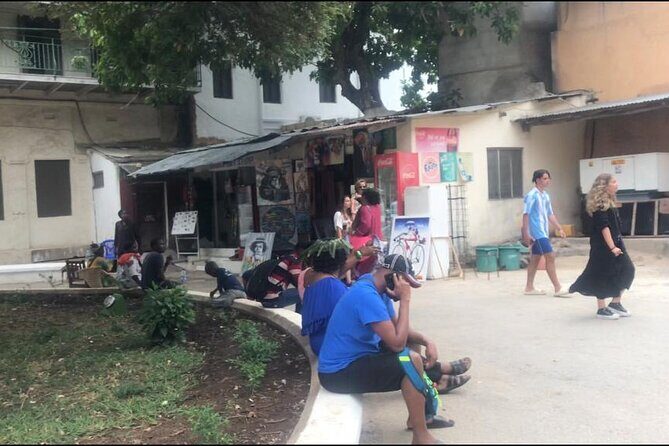
One of the best parts of the experience is the way it includes everyday market scenes. You’ll see seafood and fish piled in the fish market, fresh loaves of bread in wicker baskets, and neat stacks of fruit and vegetables as traders sell from their stalls. This is where you feel Zanzibar as a living city, not a museum.
For first-time visitors, this part matters. It helps you understand what you’re looking at later. After you’ve seen how markets work, historic buildings and landmark gates don’t feel random—you start to place them in the flow of trade and daily life.
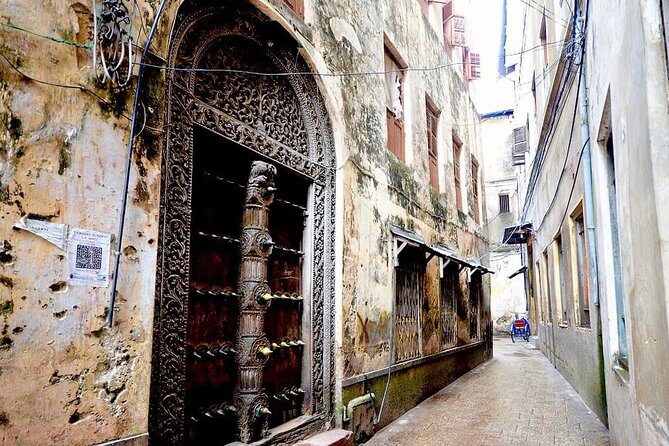
If you’re coming for photos, you’ll find plenty of doorways and street angles. If you’re coming for understanding, you’ll get something more useful: context. You’ll see what people do now, while the guide explains what people did then.
The Former Slave Market and the Anglican Cathedral: Heavy Themes, Clear Context

Some stops carry emotional weight. The former Slave Market is one of them, and it is central to understanding Zanzibar’s role in the slave trade. Your guide’s job here is to connect the site to the broader story of Zanzibar’s history—how power and commerce shaped lives, and how the city grew around those forces.
Right near that, you’ll also pass the Anglican Cathedral. This adds an important contrast. Instead of only focusing on trade and forced migration, you’ll see how Zanzibar’s identity also included religious and colonial-era institutions that changed the social landscape.
Here’s what to consider as you plan: this isn’t a casual stroll through pretty architecture only. It’s a walking history route, and you should expect a more serious tone when the guide reaches the trade-related sites. If you prefer your sightseeing light and comedic the whole time, you may want to pace yourself or request a slightly more shortened route.
The payoff is that you’ll leave with a clearer sense of how different chapters of Zanzibar history overlap inside the same street grid.
House of Wonders and Sultans’ Palace Museum: Power, Planning, and Style
The House of Wonders is the kind of place that makes you slow down. Even if you don’t know the story yet, you can feel that it was designed for importance. Your guide explains the events tied to Zanzibar’s rulers and the shifts that came with their influence.
From there, the tour continues to the Sultans’ Palace Museum. This is where history stops being abstract. You’re walking through spaces that represent authority, administration, and the elite side of daily life—then you’re watching how the city surrounds those spaces today.
One thing that really helps on this tour is that these stops are grouped logically. You’re not dropped into a building and left to guess. You’re moving along a timeline, so each location adds a piece to the bigger picture.
If you love architectural clues—how buildings signal status, how materials and design reflect ambition—this segment is likely to satisfy you. And if you prefer stories, the guide’s explanations are what connect the architecture to Zanzibar’s larger historical path.
Old Arab Fort and the Dispensary: Fortified Edges and Everyday Health
After the palace and wonder-era stops, the tour heads toward fortified and institutional places. The Old Arab Fort is a key location because it ties to Zanzibar’s defensive and strategic past—how coastal power protected interests and controlled movement.
Then you’ll also pass the Dispensary. This is a great reminder that history isn’t only about rulers and battles. Institutions like this show how cities addressed health and care, and how Zanzibar’s society developed the systems it needed to function.
This part of the tour tends to work well even if you’re not a strict history buff. Why? Because it shows the variety of Zanzibar’s past. You’ll go from power structures to city infrastructure cues, which helps the whole experience feel more real.
It also breaks up the emotional intensity of the trade sites. The day still has depth, but the tour shifts tone from past atrocities to broader city development.






How Flexible Routes Fit Your Time (2 to 8 Hours)
One reason this tour works for so many different visitors: it is flexible. Your guide can adapt the route to your interests and your time frame.
The tour duration is listed as approximately 2 to 8 hours. That range is a feature, not a flaw, as long as you plan smart. If you only have a short window in Stone Town, ask your guide to prioritize the main historic anchor points. If you have more time, you can slow down and add the extra landmark stops and market time.
I think the private format makes this flexibility more meaningful. You can steer the tour toward what matters most to you—history, street life, or shopping—without worrying that the group has a fixed itinerary that doesn’t match your priorities.
Also, the tour includes admission tickets. So as you expand your route, you’re more likely to get access to paid sites without needing to scramble for extra tickets mid-walk.
Tip: If you’re pairing this with other plans in Zanzibar, decide on a realistic end time before you set off. The 2-to-8 hour window means you can overcommit if you don’t guide the route length.
Price, Value, and What $100 Buys You in Zanzibar City

This tour costs $100 per person. That price might look steep compared with generic group walking tours, but it makes sense when you think about two things: it is private, and it includes guided routing plus admission ticket coverage.
Private tours in places like Stone Town usually cost more because you’re paying for one-on-one attention and a guide who can adjust the plan around you. Here, that matters because Stone Town is complicated—streets twist, buildings overlap in time periods, and it helps to have someone connecting the dots for you as you walk.
So the real question isn’t only whether you can find a cheaper tour. It’s whether you’ll get your money’s worth in understanding and time saved. If you’re a first-timer, you’ll benefit from getting the story organized fast. If you’ve been before, the guide’s explanation can still add value because you’ll notice details you would otherwise skip.
My practical view: this is solid value if you care about context and you want your walking time to count. If you just want a casual wander with photos and no history threading, you might feel the price more than the value.
Pickup, Mobile Tickets, and When to Confirm Your Start Time

Hotel pickup is included, which is helpful in Stone Town when you’re trying to minimize friction in the morning or early afternoon. You also get a mobile ticket, so you’re not juggling paper vouchers.
One thing to watch: the listed start time shows as 12:00 am. That’s unusual enough that I strongly suggest you confirm your actual pickup and start time after booking. In real life, operators usually align timing with daylight and what makes sense for the schedule, but your safest move is to double-check.
The tour is also described as near public transportation, so even if pickup is delayed or you’re changing plans, you likely have options to reach the start area.
Who Should Book This Stone Town Walking Tour
I’d recommend this tour if you want Stone Town in a guided, organized way. It suits you if you like history but also want street-level context—markets, daily trading, and the feel of the city between monuments.
It’s also a great fit for:
- First-time visitors who want the main storyline without spending hours researching
- History lovers who want stops connected as a timeline
- Shoppers who want recommendations for antiques and souvenirs in a structured route
- People traveling as a small group who prefer questions and pacing tailored to them
It may be less ideal if you hate walking or if you only have a tiny time window and want everything done in under 2 hours. Still, because the route is flexible, you can likely make it work if you set expectations early.
Booking Wisdom: Make the Tour Work for Your Day
This is a tour that improves when you plan how you’ll use it. Here are three practical ways to get more value:
- Decide your top priority before pickup: history, markets, or shopping. Then ask the guide to build the route around that.
- Bring comfortable walking shoes and dress for the day you actually have. You’ll be out for up to a full workday depending on how you tailor the route.
- If you’re doing other Zanzibar activities the same day, give yourself buffer time. A flexible walking tour can run longer when you add a museum stop or linger in market lanes.
One more helpful point from guide-focused experiences: timing and professionalism are specifically called out, with guides running prompt and keeping things organized. If you’re the type who hates waiting around, that matters.
Should You Book the Stone Town City Tour?
Book it if you want a guided Stone Town that explains what you see and connects major sites to the forces that shaped Zanzibar. The best reason to choose it is the combination of landmark storytelling plus real market street life, all adjusted to your interests and time.
Skip it or choose a different style tour if you want a freeform wander with zero structure. This one is about guided interpretation, including serious trade-related stops.
If you’re aiming to understand Stone Town quickly and still enjoy the city’s everyday scenes, this tour is one of the most practical ways to do that.
FAQ
How long is the Stone Town City Tour?
The tour duration is listed as approximately 2 to 8 hours, depending on the route and how it’s adapted to your interests and time frame.
What does the $100 per person price include?
The tour includes hotel pickup and an admission ticket component. Personal items and beverages are not included.
Do I get hotel pickup?
Yes. Hotel pickup is offered and included.
Is this a private tour?
Yes. It’s a private tour/activity, so only your group participates.
What happens if the weather is poor?
The experience requires good weather. If it’s canceled due to poor weather, you’ll be offered a different date or a full refund.
What is the cancellation window?
You can cancel for free up to 24 hours in advance for a full refund. If you cancel less than 24 hours before the experience starts, the amount you paid will not be refunded.