REVIEW · ARUSHA
Multi-Day Tanzania Odssey Safari from Arusha
Book on Viator →Operated by Gosheni Safaris (T) Limited · Bookable on Viator
Seven days, three famous parks, and one long story. This northern Tanzania safari is interesting because it links Tarangire, Ngorongoro Crater, and Serengeti into one tight route, with an airport pickup so you start smoothly. I like the private safari setup because it gives you room to adjust when animals appear or roads slow down.
My second big plus is comfort. You get meals each day (breakfast, lunch, dinner), bottled water, and a mix of luxury lodge and luxury tented camp nights that keep the focus on safari, not logistics.
One drawback to plan around: you’ll need to handle your own flight from Kogatende Airstrip to Arusha at the end. That extra step can be easy to miss when you’re packing for wildlife time.
In This Review
- Quick hits before you go
- Northern Tanzania in One Week: Tarangire to Serengeti North
- Day 1 in Arusha: Mount Meru Hotel and your arrival rhythm
- Day 2 Tarangire National Park: Elephants, baobabs, and tree-climbing lions
- Day 3 Ngorongoro Crater: a descent day for rhinos and carnivores
- Day 4 Central Serengeti: migration views and road-trip game drive time
- Day 5-6 Northern Serengeti and the Mara River: crossings are luck plus positioning
- Lodging: luxury lodge mornings and tented camp nights
- What Included Really Means for your budget
- Private safari time: why flexibility changes the day
- Who this safari fits best
- Should you book this northern Tanzania safari circuit?
- FAQ
- What parks does this itinerary include?
- Does the tour include meals and bottled water?
- Is this safari private?
- What should I know about flights at the end of the safari?
- Are alcoholic drinks included?
- Is this tour okay for children?
- When will I receive confirmation after booking?
Quick hits before you go
- One efficient circuit: Tarangire, Ngorongoro, Central Serengeti, then Serengeti North.
- Private vehicle, real flexibility: your driver/guide can steer the day based on conditions.
- Migration timing matters: July–October brings the best shot at the wildebeest action in the Mara area.
- Crater day is physical: descending into Ngorongoro is part of the experience, so plan for some effort.
- Mara River crossings aren’t guaranteed: the itinerary sets you up, but luck still plays a role.
Northern Tanzania in One Week: Tarangire to Serengeti North
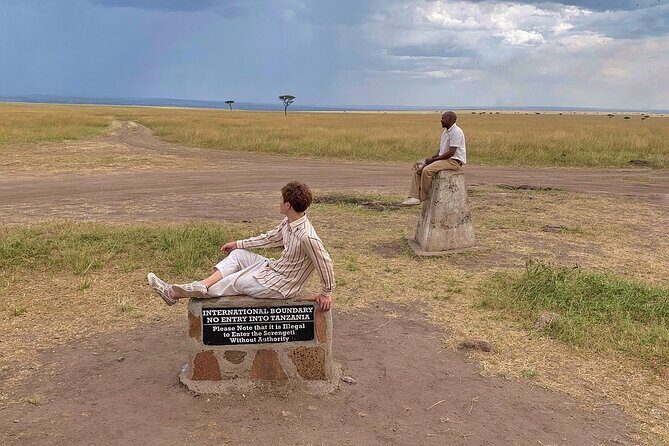
This is a classic northern circuit, but it’s also a smart one if you want variety without spending your whole trip in transit. Instead of doing just one park, you rotate through very different habitats—river country, crater ecology, and wide-open plains—so the animal cast feels like a series, not one long wait.
You start in Arusha with pickup near Kilimanjaro International Airport, then you work your way through the parks in a way that keeps the “why am I driving so much?” question pretty manageable. Over about a week (six nights), you’ll spend enough time in Serengeti to chase the migration in the North, not just pass by it.
This kind of itinerary is also where a good guide quietly changes everything. Guides at Gosheni Safaris are repeatedly credited with careful driving and strong animal-spotting, including names like Bariki, Calvin Kileo, Inno, and Andrew. The point isn’t celebrity; it’s that on safari, good eyes and calm decisions matter.
A few more Arusha tours and experiences worth a look



Day 1 in Arusha: Mount Meru Hotel and your arrival rhythm
Your first day is about getting your footing. You’re picked up from Kilimanjaro International Airport and taken to your overnight base at Mount Meru Hotel in Arusha. There’s no long, ambitious game drive on arrival day—just a setup night so you can sleep, eat, and be ready for full days in the parks.
What I like about starting this way: you reduce stress. After a flight, you don’t want to jump straight into hours of bumpy driving without a buffer night. Even the seasoned safari travelers appreciate this smoother entry.
Expect dinner on-site as part of the itinerary (the plan lists dinner on day 1). Then the next morning you’re already positioned for Tarangire.
Day 2 Tarangire National Park: Elephants, baobabs, and tree-climbing lions
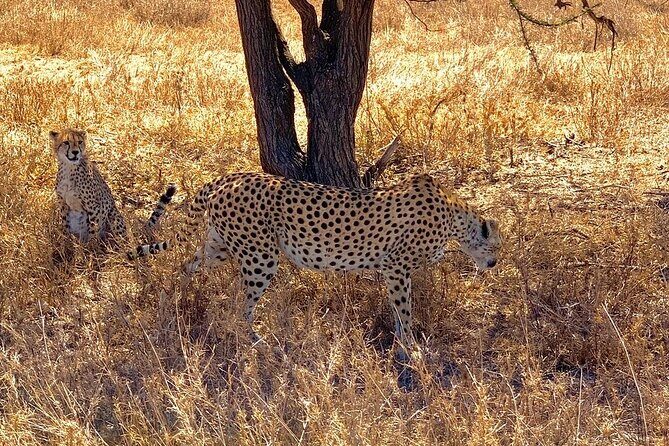
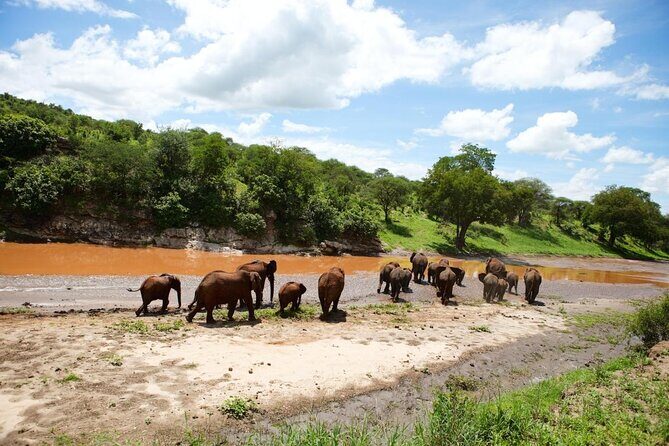
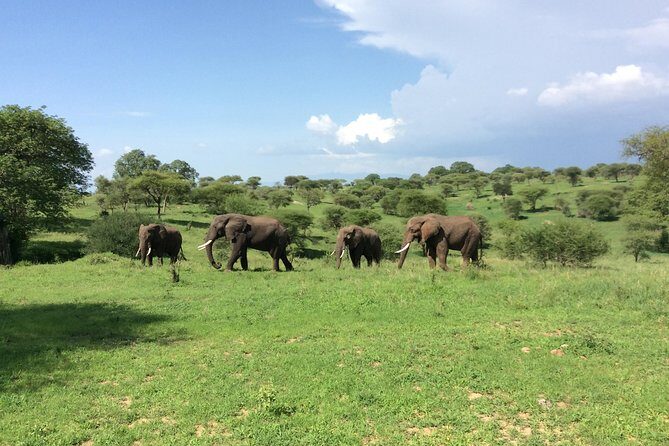
Tarangire is one of the easiest parks to fall for fast. The wildlife often feels close and personal because the park is known for year-round water along the Tarangire River. That river flows year-round, which makes it especially valuable during dry stretches when animals have fewer options.
Day 2 is built around the park’s signature scenes:
- large herds of elephants
- the possibility of tree-climbing lions
- the baobab trees, often called the Tree of Life
You’ll head there after breakfast with park time planned across the day, including meals (breakfast, lunch, dinner) and an overnight at a luxury lodge. A picnic style lunch is mentioned later in the itinerary, but for this day the plan clearly includes full-meal coverage, which keeps you from dealing with stop-start hunger while wildlife viewing is hot.
How to get more out of Tarangire: lean into the smaller moments. Baobabs aren’t just scenery here; they’re landmarks for where animals gather. And when you see elephants moving, watch the behavior of nearby birds and smaller animals—Tarangire can be a very active food chain.
Day 3 Ngorongoro Crater: a descent day for rhinos and carnivores
Ngorongoro Crater is the reason many people plan Tanzania in the first place. The day is structured to put you on the crater floor for game viewing, including a descent and a day tour, with a picnic provided.
This is also the day that has the most “special list” energy because of the crater’s density. The plan calls out about 20,000 mammals in the area, including around 20 black rhinoceros. It also notes that the crater floor has one of the highest carnivore densities in the world.
In other words: it’s not just that rhinos exist here. It’s that you have a realistic chance to see big, dramatic wildlife without hopping between multiple far-flung areas all day.
The itinerary keeps you comfortable too, with lunch included and an overnight at a luxury lodge again on day 3. I do suggest you plan for some physical effort—going down and up from the crater is part of the experience, and the trip is listed for travelers with moderate physical fitness.
Why this day matters for value: a crater day like this compresses what would otherwise be multiple long park days into one high-action block.
Day 4 Central Serengeti: migration views and road-trip game drive time
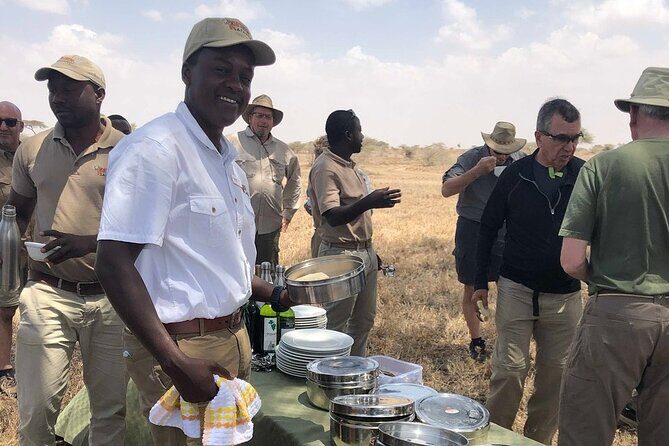
After Ngorongoro, you shift toward Central Serengeti. Day 4 includes a drive with a picnic lunch and game drives along the way, which is a good rhythm: you’re not waiting until arrival to start seeing wildlife.
Serengeti is famous for the annual migration, and this itinerary gives you a specific seasonal window. The plan notes the migration of over 1.5 million wildebeest and hundreds of thousands of zebras, with the most active period listed as July through October. It also mentions the idea of surviving the crossing, including plunge points where animals move through crocodile-infested waters.
Even if your dates fall outside peak migration months, Central Serengeti can still deliver strong sightings. But if you’re chasing the migration story, start thinking in terms of likelihood and timing, not promises.
What can slow you down here: long drives between areas. The good news is the trip includes transportation by private vehicle and meals, so you’re not stuck figuring out food or public transit. Still, expect the day to feel like more “road + drives” than a quick hop.


Day 5-6 Northern Serengeti and the Mara River: crossings are luck plus positioning
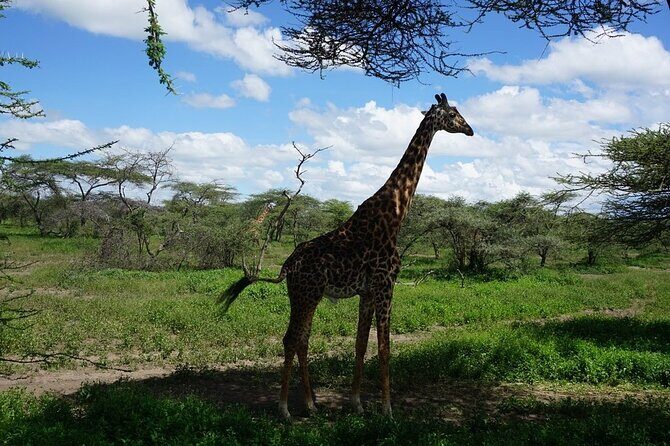
Days 5 and 6 move you into Northern Serengeti National Park with an emphasis on the Mara area. This is where the itinerary leans into the migration drama.
Here’s the reality check that helps you plan expectations: the plan says the key feature is the Mara River, and it’s not uncommon to see herds cross north one day and later go back south a few days afterward. But it also states that finding a crossing is very challenging and sometimes comes down to luck.
So what you’re really paying for on these two days is positioning plus time. You’re staying overnight at a luxury tented camp, and you get multiple game-drive opportunities across two days in the right region.
If you care about migration specifically, this stretch is the main payoff. If you care more broadly about predators and big-game sightings, Northern Serengeti can still satisfy, because the ecosystem around the river supports lots of wildlife activity even when crossings don’t happen in your exact viewing hours.
Guide skill matters most on these days. A driver who understands where animals tend to funnel can meaningfully affect your odds. In the feedback, guides such as Juma and Ombeni are praised for spotting animals and maintaining a strong game-drive rhythm, even when the action isn’t guaranteed on schedule.
Lodging: luxury lodge mornings and tented camp nights
The itinerary alternates between two accommodation styles:
- luxury lodge stays during Tarangire, Ngorongoro, and Central Serengeti
- luxury tented camp stays in Northern Serengeti
That split makes sense. Lodges tend to feel more settled for the first half of the circuit, while tented camps often make the Serengeti North days feel more “in the bush” without sacrificing comfort.
Also, you’ll get full-board meal coverage as listed in the itinerary: breakfast and dinner are included on park days, plus lunch (sometimes picnic style depending on the day). That matters more than it sounds. Safari days can be unpredictable, and hunger or running out of drinkable water can pull you out of the moment.
What Included Really Means for your budget
At $4,164.11 per person for about seven days, this isn’t a budget safari. But it’s also not just paying for a seat in a vehicle. The inclusions remove a chunk of common safari add-ons:
- accommodation throughout the itinerary
- meals as listed (B, L, D)
- bottled water
- airport pickup and drop-off
- transport by private vehicle
- driver/guide
The “value” angle is simple: when meals, lodging, and most transport are handled, you avoid the classic expense creep that happens when you’re trying to piece together food and transit daily. You also spend your energy on the reason you came—game drives.
What’s not included is also clear: alcoholic drinks are available to purchase, and the Kogatende Airstrip to Arusha flight is your responsibility. If you’re doing a trip like this, build a small buffer in your planning for that last flight so your end of safari feels smooth.
My practical tip: compare this price to what it would cost to separately book lodging in those parks plus private transport plus guided drives. This itinerary bundles the big moving pieces.
Private safari time: why flexibility changes the day
This is a private tour/activity, which means it’s only your group. The itinerary states transport by private vehicle and a driver/guide, and the private format is one of the strongest reasons to choose it.
Why it matters in plain terms:
- You can spend more minutes at sightings without negotiating with strangers.
- Your guide can react to how animals are behaving right now, not just on a schedule.
- You can keep your group together on rough-surface roads and shifts in park conditions.
In the feedback, guides are repeatedly praised for exactly that: patient driving, calm explanations, and staying attentive to wildlife. Names like Bariki, Calvin Kileo, Inno, Zadock, and Fidelis show up in different safari accounts, and the shared theme is that the guide’s role feels personal, not mechanical.
And if you have dietary requirements, you’re advised to share them at booking. The itinerary data says dietary needs should be provided at time of booking, which is the difference between a smooth trip and a scramble after you arrive.
Who this safari fits best
This circuit is best for you if:
- you want multiple parks in one trip (not just Serengeti)
- you like the idea of a private safari with a dedicated driver/guide
- you’re excited by the “big places” of Tanzania: Tarangire, Ngorongoro, and Serengeti
- you’re aiming for migration season and want to base in Northern Serengeti
It may feel less ideal if:
- you hate driving days or prefer very short transfers
- you want a fixed guarantee of the Mara River crossing (the plan says crossings can be challenging and sometimes luck-based)
- you don’t want to handle the final flight from Kogatende Airstrip to Arusha on your own expense
The trip asks for moderate physical fitness. That’s especially relevant because Ngorongoro involves a crater descent and because you’ll be spending long hours on safari vehicles and in park settings.
Should you book this northern Tanzania safari circuit?
If you want the best way to see Tarangire, Ngorongoro, and Serengeti in one go, this is a strong match. You’re not just checking boxes; you’re stacking different ecosystems—river habitat, crater density, and migration territory—into one efficient week. The included meals, bottled water, lodging, and private transport make it feel like a guided “stay + do safari” plan rather than a DIY scramble.
I’d book it if migration timing is on your side (July–October) and you’re the kind of traveler who can enjoy the hunt even when nature won’t follow a calendar. Choose this with eyes open about the end-flight detail from Kogatende Airstrip to Arusha, and you’ll likely find the rest of the trip runs with less stress than most.
If you’re flexible on the Mara River crossing and you value comfort plus park variety, this circuit is one of the more practical ways to experience northern Tanzania in a single trip.
FAQ
What parks does this itinerary include?
It includes Tarangire National Park, Ngorongoro Crater, and Serengeti National Park, with Central Serengeti and Northern Serengeti (including the Mara area) covered on separate days.
Does the tour include meals and bottled water?
Yes. The itinerary includes breakfast, lunch, and dinner as listed each day, and it also includes bottled water.
Is this safari private?
Yes. It’s a private tour/activity, so only your group participates, with transport by a private vehicle and a driver/guide.
What should I know about flights at the end of the safari?
After breakfast on day 7, you’re driven to Kogatende Airstrip and you catch your flight to Arusha, but that flight is not included and is at your own expense.
Are alcoholic drinks included?
No. Alcoholic drinks are not included, though they can be purchased.
Is this tour okay for children?
Children must be accompanied by an adult, per the additional info.
When will I receive confirmation after booking?
Confirmation is expected within 48 hours of booking, subject to availability.