REVIEW · ARUSHA
Kilimanjaro National Park Day Trip
Book on Viator →Operated by Travel Africa Safari Agency · Bookable on Viator
Kilimanjaro in a single day? Yes, and it’s still special. This tour follows the Marangu Route up to the first hut at Mandara, giving you a real taste of why this mountain pulls people back year after year.
I love that it’s long enough to feel like a trek, not a quick photo stop. You’ll walk about 8 km total with a steady climb through montane rainforest, then turn around with a picnic lunch at Mandara. I also really like the side trip option to Maundi Crater, which helps you connect the hike to the bigger view across northern Tanzania and toward Kenya.
The main drawback: you’re not going for the summit here. You’ll reach a high point around 2,700 m, but it’s a day taster, so if your goal is a top-of-the-world achievement, plan a longer climb instead.
In This Review
- Key highlights at a glance
- Kilimanjaro Day Trip: what you’re really signing up for
- Arusha pickup and the drive to the park gate
- Marangu Route rainforest trekking to Mandara encampment
- Maundi Crater side trip: a view with context
- Picnic lunch at Mandara, then the smart descent
- Altitude reality check: 1,860 m to 2,700 m
- The guide makes the difference more than you expect
- Price and value: what $250.42 covers (and what it doesn’t)
- What to expect during your day (timing, pace, and stops)
- Who this Kilimanjaro day trip is best for
- Should you book this Kilimanjaro National Park day trip?
- FAQ
- FAQ
- How long is the Kilimanjaro National Park day trip?
- How far do you hike on this day trip?
- Do you reach Kilimanjaro’s summit?
- What wildlife might you see during the hike?
- Is lunch included?
- What’s included in the price, and what’s not?
Key highlights at a glance
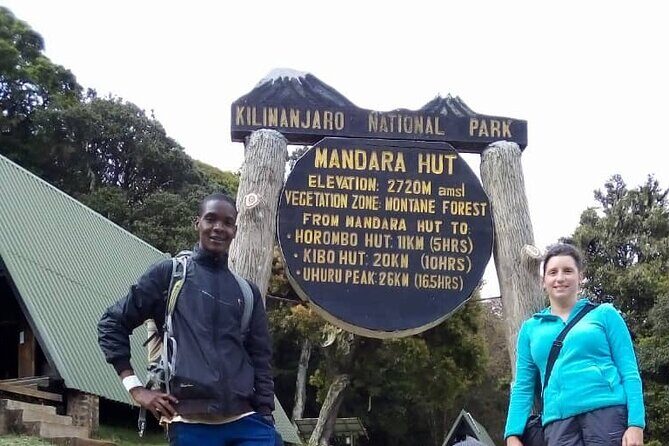
- Mandara Hut turnaround: Walk up, eat at the first hut, then head back down the same way
- Rainforest walk on the Marangu Route: Eucalyptus trees, birdlife, and chances to see Colobus monkeys
- Maundi Crater viewpoint option: Big-picture views over northern Tanzania and Kenya
- Picnic lunch at Mandara: You get a proper break, not just snacks in transit
- Professional driver/guide with park fees included: Fewer headaches, more time on the trail
Kilimanjaro Day Trip: what you’re really signing up for
Let’s get one thing straight: you can’t climb Kilimanjaro in a day. But you can still get a lot from a single outing, especially if you want a grounding sense of altitude, trail pace, and the emotional rhythm of moving upward on a real route.
This trip is designed as a taster. You’ll go through the rainforest section of the Marangu route and reach the first hut area at Mandara, which is as far as you’re going before descending again. It’s a smart way to build understanding, not just collect bragging rights.
It also helps you stop thinking about Kilimanjaro as one giant “summit day” in your head. Instead, you experience it as stages: rainforest walking, a high enough point to feel the mountain, then the steady, sometimes tougher descent.
A few more Arusha tours and experiences worth a look

Arusha pickup and the drive to the park gate
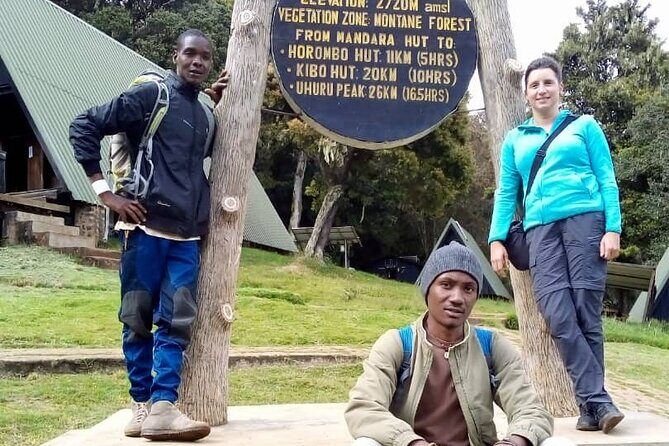
You start early—7:00 am. After breakfast at your hotel, you meet your guide and head out toward Kilimanjaro National Park.
The drive is about an hour to two hours depending on where you’re starting from. That sounds like a lot until you remember what you’re buying: park access, registration, and a guided start that keeps your day from turning into a logistics puzzle.
This is a private tour, meaning it’s only your group. That matters more than you’d think on a trek like this. You can move at a pace that feels safe, and you aren’t stuck waiting around for a bigger mixed group to regroup.
And yes, pickup is offered, plus you’ll use a mobile ticket. Small detail, big relief when you’re figuring out your day in a new country.
Marangu Route rainforest trekking to Mandara encampment
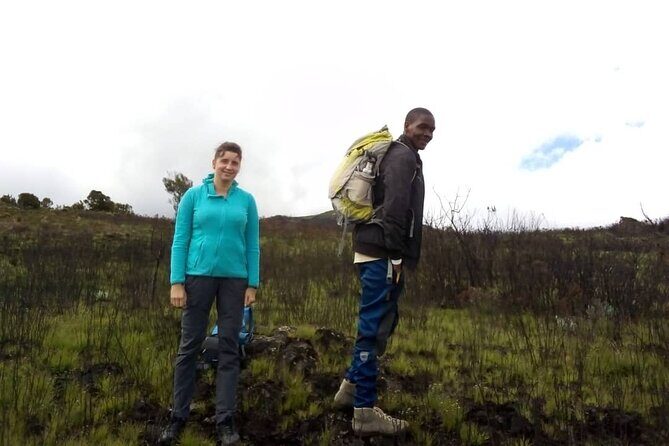
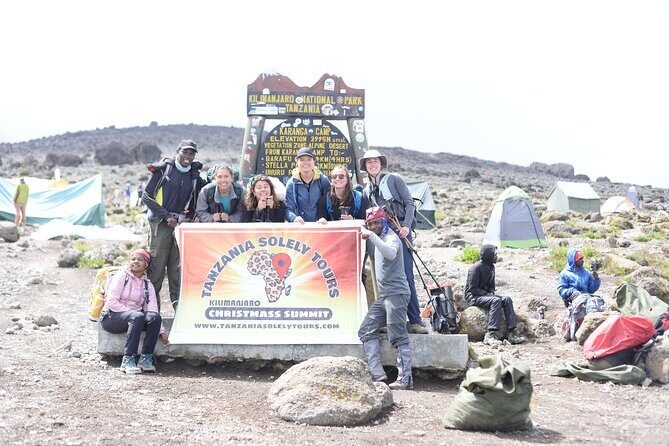
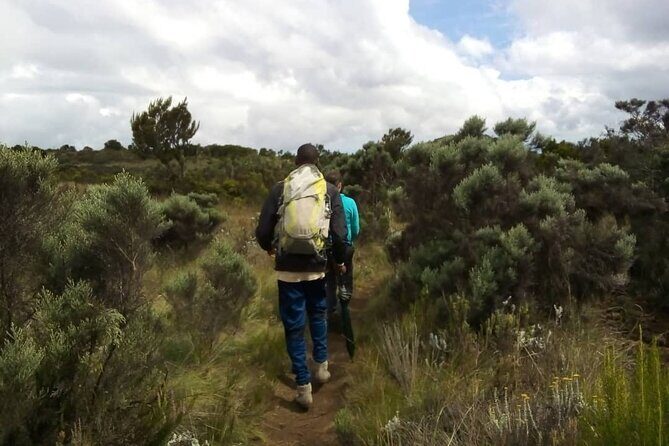
Once you reach the park gate, you register and start the hike. From there, the day shifts into a classic rainforest rhythm: walking through montane forest, paying attention to what’s alive around you, not just the altitude ahead.
You climb from roughly 1,860 m (6,100 ft) up to about 2,700 m (8,875 ft). For a day trip, that’s meaningful. Even if you’re not going far in total distance, you’ll feel the mountain’s “higher gear” compared to the low country around Arusha.
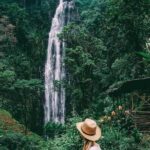
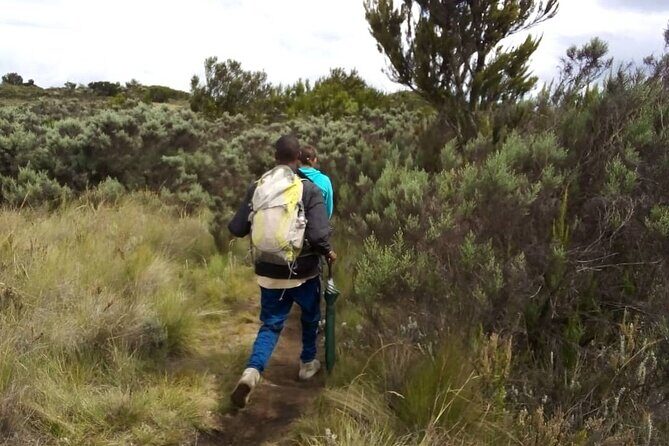
The habitat here is montane forest, and the guide’s job is to help you see it. You’ll look for towering eucalyptus trees, birdlife, and Colobus monkeys. You might spot them from the trail—if you do, don’t rush past. A quick stop can turn a standard hike into a memory.
On time and effort: the hiking portion is about 3–4 hours up and 2–3 hours down. The total distance is listed as 8 km (5 mi). Translation: it’s manageable for many people, but it still counts as a hike, not a stroll.
Maundi Crater side trip: a view with context
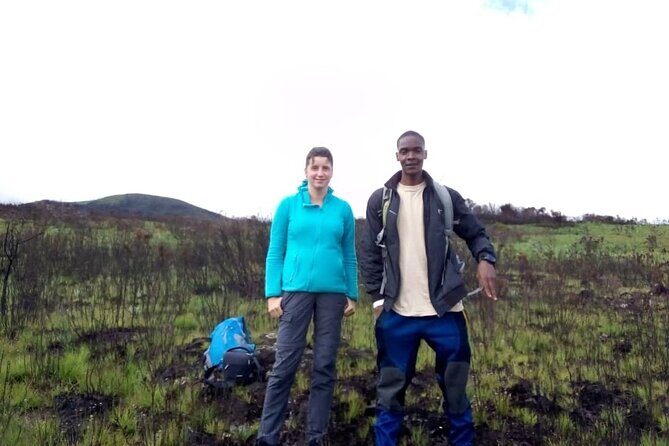
Midday, you may add a side trip to Maundi Crater. This is one of the best kinds of extras: it doesn’t extend the day into chaos, but it gives you perspective.
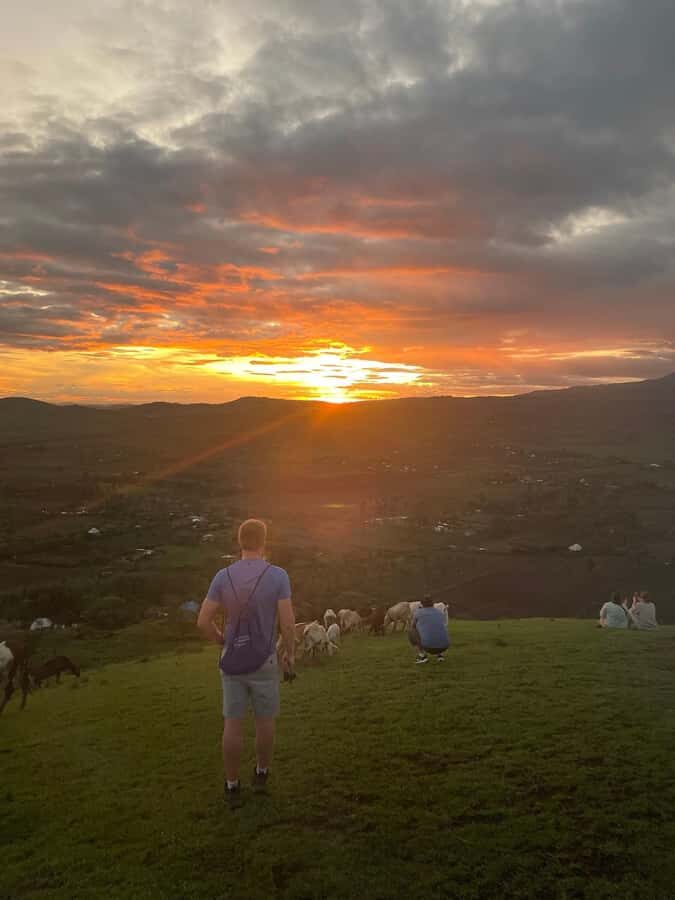
The payoff is view-based. From here, you can take in the surroundings and get a sense of the scale across northern Tanzania and Kenya. When you’re standing there, it’s easier to understand what you’re seeing later on a longer Kilimanjaro itinerary—where the route goes, and why people talk about the mountain as a whole system, not just a peak.
This is also the part of the day where your guide matters. A good guide will point out what you’re looking at and tie it back to the region’s geography instead of just saying, “Nice view.”
Picnic lunch at Mandara, then the smart descent
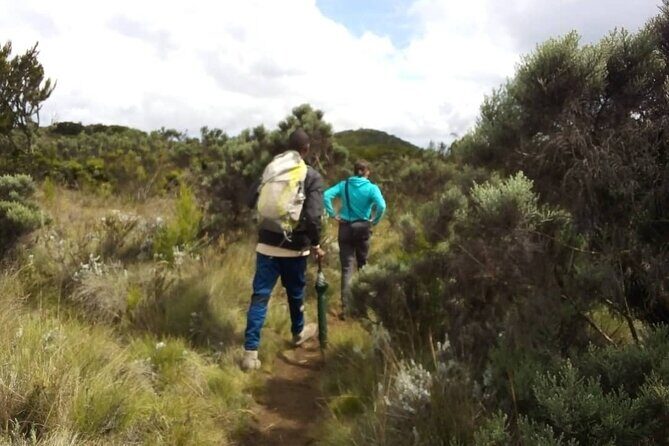
Reaching Mandara encampment is the heart of the day. Your picnic lunch is taken here, so you’re not just eating while walking. You get a real break before turning around.
One of the underestimated skills on Kilimanjaro routes is learning the turnaround. The ascent feels like progress. The descent feels like time passing—and legs burning—but it’s still part of the experience. You’ll hike back toward the gate after lunch and then drive out late in the evening.
Expect the descent to take about 2–3 hours. If you’re thinking the downhill will be easy, you’re not alone. But stairs and uneven footing can make the descent feel more intense than the climb for some people, especially if you’re carrying fatigue.
You’ll return to the park gate and then drive back to Arusha or Moshi. The tour duration is roughly 8 to 11 hours, so this is a full day even though the trek itself is fairly contained.
Altitude reality check: 1,860 m to 2,700 m
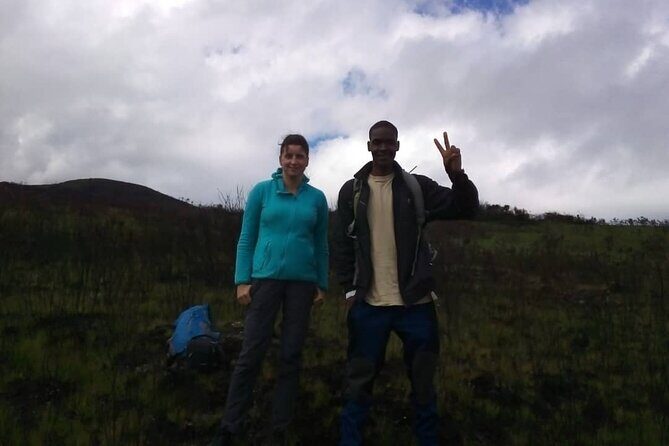
This trip climbs to around 2,700 m. That’s not summit altitude, but it’s high enough to remind your body it’s not in Kansas anymore—just with bigger mountains.
Even for a day hike, altitude can mean a faster breathing rate, more effort on the same step, and a “rest more often” kind of pace. The good news: you’re climbing for a few hours, not the whole day.
The practical move is to treat the climb like a steady conversation. Don’t sprint uphill. Stop early rather than late. Let your guide set the tone for pace, especially since this hike is described as walking through montane forest rather than a technical scramble.
Also keep in mind that you’re going up and down the same day. That means you’ll likely get the best experience if you’re physically ready for both directions of work. If your goal is comfort first, choose a slower plan—this one asks you to hike.
The guide makes the difference more than you expect
The reviews for this kind of trip often circle back to one theme: the guide changes everything. One review highlighted that a great local guide turned the experience into a better climb to the first camp hut, and also shared background about the country and the Maasai people.
That kind of context is not a “nice extra.” It changes how you see the route. When you understand the human geography around Kilimanjaro—who lives nearby, what the land means, how people make livelihoods—you start paying attention to more than the trail.
Even the wildlife spotting gets better with a good guide. Someone who knows what to watch for can help you spot Colobus monkeys or birdlife at the right moment. Otherwise, you’re just walking and hoping.
On your side, you also get a professional driver/guide and park fees handled. That matters when you’re spending a single day and you don’t want uncertainty.
Price and value: what $250.42 covers (and what it doesn’t)
At $250.42 per person, this isn’t the cheapest day tour around Arusha. But when I look at what’s included, the value becomes clearer.
Included:
- all meals
- all transportation
- a professional driver/guide
- all park fees
Not included:
- visas
- travel insurance
- international flights
Here’s how I’d think about the money. Park access plus a guided trek plus transportation can add up quickly, especially with a day that runs 8–11 hours. You’re not just paying for a walk. You’re paying for the full system: getting to the gate, registration, trail time, meals during the hike, and the return drive.
The “not included” list is pretty standard for Tanzania and East Africa tours. If you already have the paperwork and you’re traveling with sensible coverage, this becomes a straightforward one-day package.
Also note that the tour is private. Private pricing often feels high until you realize what it buys: no waiting on a random schedule, and more control over pacing.
What to expect during your day (timing, pace, and stops)
Here’s the flow of the day in human terms, not just a schedule.
1) Meet early in Arusha area
You start 7:00 am after hotel breakfast. Then you drive to the park gate.
2) Register and begin the climb
You’ll start in montane rainforest and hike up toward Mandara encampment.
3) Optional crater side trip
You may take the Maundi Crater detour for the surrounding views.
4) Picnic lunch at Mandara
You eat at the first hut point, then get ready for the descent.
5) Return and drive back
After hiking down, you return to the gate and head back to Arusha or Moshi late in the evening.
The key to enjoying this day is pacing. The total hiking time (up and down) is roughly 5–7 hours, depending on your pace and stops. That’s plenty of time to enjoy the rainforest and the guide’s commentary—if you keep it steady.
Who this Kilimanjaro day trip is best for
This is labeled as something most travelers can participate. That points to a middle ground: not for hardcore athletes only, but also not for people who want zero exertion.
I think this fits best if you:
- want a Kilimanjaro preview before committing to a multi-day climb
- enjoy hiking through forests and spotting animals
- want a guided day with meals and park fees handled
- prefer a private group experience
It also works well if you’re short on time in the Arusha area. The day format lets you get the vibe of Kilimanjaro without turning your whole trip into a single long mission.
If your goal is the summit itself, you’ll leave with motivation—and you may also feel that itch to plan bigger. But that itch can be the point.
Should you book this Kilimanjaro National Park day trip?
If you want the Kilimanjaro feeling without the summit grind, I’d book this. The combination of the Marangu rainforest section, the Mandara hut turnaround, and the Maundi Crater viewpoints gives you a rounded experience in one day.
I’d also book it if you care about interpretation. The standout from the reviews is how much the local guide adds—especially when they share background about the region and the Maasai. A good guide turns “a hike” into “a place you understand.”
Skip it only if you’re expecting summit-level challenge. This is a powerful taste, not a conquest. And if you don’t want the effort of a 3–4 hour ascent plus a 2–3 hour descent, you’ll feel it.
FAQ
FAQ
How long is the Kilimanjaro National Park day trip?
The full experience runs about 8 to 11 hours, with hiking time listed as 3–4 hours up and 2–3 hours down.
How far do you hike on this day trip?
The hike is about 8 km (5 mi) total, climbing from around 1,860 m to 2,700 m before turning around.
Do you reach Kilimanjaro’s summit?
No. This day tour takes you up the Marangu Route to the first hut (Mandara), then you descend and return.
What wildlife might you see during the hike?
In the rainforest section, you’ll look for taller eucalyptus trees, birdlife, and Colobus monkeys.
Is lunch included?
Yes. You’ll have a picnic lunch taken at the Mandara encampment.
What’s included in the price, and what’s not?
Included: all meals, all transportation, a professional driver/guide, and all park fees. Not included: visas, travel insurance, and international flights.