REVIEW · MOSHI
9 Days Mount Kilimanjaro Climb Machame Route
Book on Viator →Operated by Landside Adventure · Bookable on Viator
Kilimanjaro starts with a quiet view. This 9-day Machame Route lets you settle into Moshi, then climb through rainforest, high plateaus, and classic camps toward Uhuru Peak (5,895 m). I like that the plan is built around altitude changes and acclimatization time, not just “walk until you drop.”
What I really like is the early support and comfort: you’re picked up and driven from Kilimanjaro airport to Stella Maris lodge in Moshi for a proper reset before the trek. Then, on climbing day one, you get a morning briefing, permit work, and a straightforward push from Machame Gate (1,800 m) toward Machame Camp—plus you’re not left guessing, because guides and a mountain support crew are organized from the start.
One consideration: the summit night is brutal in a simple way. You’ll start around midnight, and the final payoff comes with thin air and a long, often slick descent next day—so good footwear and careful pacing matter more than bravado.
In This Review
- Key things to know before you choose Machame
- Moshi first night: Stella Maris lodge and an altitude-minded start
- Day 2 from Machame Gate to Machame Camp: rainforest steps and permit work
- Shira Camp and the Lava Tower day: views open up, your body learns
- Lava Tower up to Barranco Camp: ridge-and-drop trekking plus the famous wall
- Barranco Wall, then Karanga: early start, short climb victory, and more acclimatization
- Barafu day and the Kosovo acclimatization loop: preparing for the midnight push
- Summit night: Uhuru Peak at 5,895 m and the safety-first descent
- Day 8 to Mweka Gate: forest-line sleep and the satisfaction loop
- Day 9: hotel-to-airport transfer and why you should plan for a slower pace
- Price and what makes this feel like real value at $3,250
- Who should do this Machame climb (and who should think twice)
- Should you book this 9-day Machame route?
- FAQ
- Where does this Kilimanjaro trip start and end?
- How long is the Machame climb?
- What route is included?
- Do I get airport pickup and transfer?
- What’s included for food and water?
- What’s the highest point on the route?
- When does the summit start?
- How big is the group?
- Is this trip suitable for beginners?
Key things to know before you choose Machame
- Small group size (max 6) means you’re more likely to get personal attention on harder stretches.
- Smart altitude staging (Shira, Lava Tower, Barranco, Karanga, Barafu, Kosovo) gives you multiple chances to adjust.
- Midnight start to Uhuru Peak is short on comfort and long on effort—schedule your brain for a night climb.
- Camp setup is handled for you at Barafu Summit Camp, including tents and sleeping bags.
- Your guides actively manage safety during the summit climb, with close monitoring of climbers’ condition.
- Descents can be where accidents happen, especially after summiting, so you’ll need to treat the trail like a technical section.
Moshi first night: Stella Maris lodge and an altitude-minded start
Most Kilimanjaro trips start fast. This one gives you a calmer landing in Moshi Town, with a short drive from the airport area to Stella Maris lodge (about 30–40 minutes). That detail matters more than it sounds: your first job after travel is sleeping well. If you arrive late and crash hard, you’ll feel it the next morning when the schedule starts pulling on you.
Stella Maris lodge is positioned before Moshi town and is known for a Mount Kilimanjaro view. I like that it’s not just a place to drop your bag; it’s the moment where you finally connect the dots between the photos and the real thing you’re about to climb. After that, the advice is simple and practical: aim for an early night. Kilimanjaro doesn’t care if you’re excited—you still need rest.
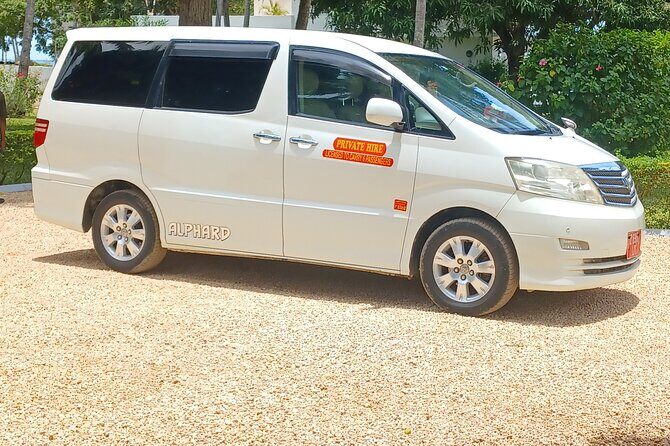
You also get a roundtrip airport transfer, which keeps your logistics from eating into your first full day. A smooth arrival isn’t a luxury on Kilimanjaro. It’s part of how you arrive with a better breathing rhythm the next day.
You can also read our reviews of more tours and experiences in Moshi.
Day 2 from Machame Gate to Machame Camp: rainforest steps and permit work
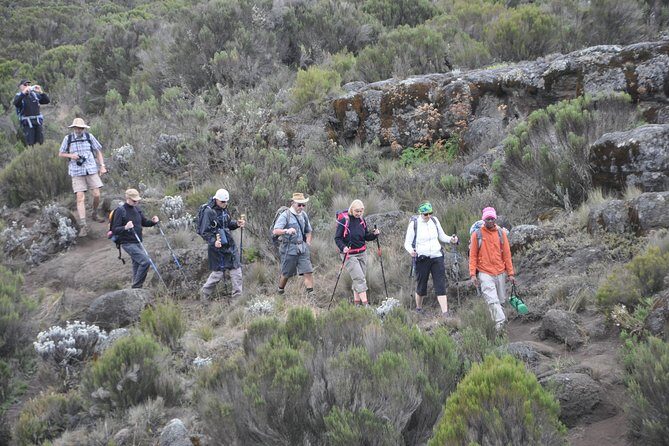
On the big start day, you’ll meet your guide and mountain support crew for a quick briefing, then drive to Kilimanjaro National Park’s Machame Gate (1,800 m). From there, you’ll handle permits and registration with the search and rescue service. Yes, it’s paperwork. But it’s also peace of mind: you’re set up inside the system before you get moving.
Then the walking begins up toward Machame Camp (3,010 m). This section is often remembered because it includes rainforest conditions, where tropical showers can show up without warning. Even if you think you’re “overpacking,” bring spare clothes you can actually change into and have rain gear you’ll wear, not just carry.
I like the way this day creates momentum without overreaching. You’re climbing, you’re gaining altitude, but you’re not trying to “race” into high country on day one. The rainforest climb is a good reminder that Kilimanjaro isn’t always dry and dramatic. Sometimes it’s wet and steady—one step at a time.
By the time you reach Machame Camp, you’ll be thinking ahead to how your body handles altitude. Your pace matters most here. Don’t try to outwalk the altitude; cooperate with it.
Shira Camp and the Lava Tower day: views open up, your body learns
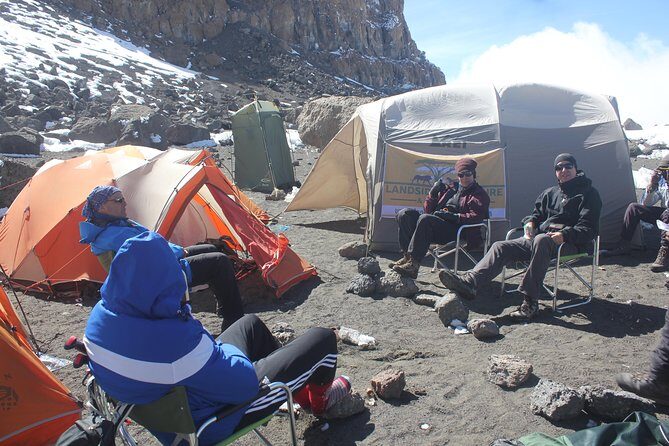
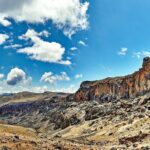
The second “real” climbing day heads from Machame up to Shira Camp (3,845 m). This is where the trail often shifts from rainforest to more open air. When that happens, the views can suddenly appear like a reward you didn’t know you were waiting for—especially the Shira Plateau laid out ahead.
The trekking itself is described as not very difficult physically. That’s great news for confidence, but here’s the catch: altitude can still make the hike feel harder than your legs expect. I advise you to treat this day like an acclimatization lesson. If you feel off, slow down early. The whole point is to arrive at camp with energy left for the next part.
After lunch and rest at Shira Camp, you go on an acclimatization hike toward Lava Tower Camp, with a 300-meter gain in altitude. This is a classic move: you get a taste of higher elevation, then descend back down to Shira Camp for dinner. That rhythm helps your body adapt.
And yes, it can feel strange—climb higher, then come back down. But that’s exactly how you reduce the chance of altitude problems later. You’re not wasting time. You’re training your system.
Lava Tower up to Barranco Camp: ridge-and-drop trekking plus the famous wall
Next you depart Shira Camp after breakfast and head toward Lava Tower, climbing from 3,845 m to 4,630 m. The rise-and-fall nature of this trek can feel mentally annoying because you don’t get to settle into a single effort level. Still, there’s a reason: spending time around that higher altitude supports acclimatization.
Lunch is taken at Lava Tower so you can absorb more time at elevation before descending to Barranco Camp (3,960 m). This is where the route becomes recognizable to Kilimanjaro fans: the big next-day feature is Barranco Wall, and you’ll get a first view of it from camp.
The Barranco Wall is sometimes described as intimidating. Here’s a practical way to think about it: the wall is steep, but the actual hiking trail is considered simple. In other words, you’ll use your legs and focus your footing, not do scrambling. Still, start early the next day so you’re not walking in a crowded bottleneck.
When you reach Barranco Camp, you’ll have a setting that feels different from the rainforest days—often drier air, more open sky, and a sense that you’re heading into Kilimanjaro’s “real” high-country zones.
Barranco Wall, then Karanga: early start, short climb victory, and more acclimatization
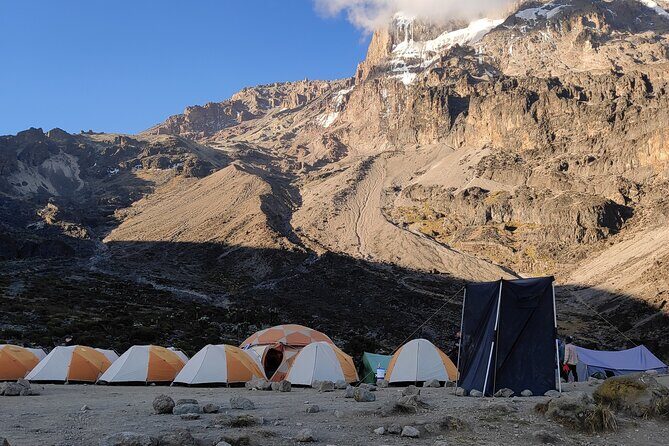
Day five starts with a recommendation that makes a lot of sense: go early to avoid crowding on the way up Barranco Wall. Even if you’re not bothered by other people, a calmer schedule helps you focus on breathing and foot placement.
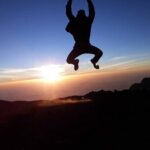
Barranco Wall climb is described as merciful for steepness—around an hour or so. When you reach the top, you get a great photo moment with Kibo Peak in the background. Then comes the part many people forget to plan for: the day continues with ups and downs, where guides choose the best places for individual climbers.
You’ll reach lunch at Karanga Camp, and the day also includes an acclimatization climb toward Barafu with a highest point of 4,270 m. That’s smart because it keeps you working at altitude without forcing you to sleep at the very top of the day’s elevation.
Then you drop back to Karanga Camp for the overnight. This is one of the better “setup” days on Machame. You’re building strength and altitude tolerance while still staying within a controlled range.
Barafu day and the Kosovo acclimatization loop: preparing for the midnight push
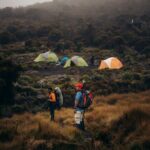
By day six you’re moving from Karanga to Barafu Summit Camp (4,673 m). You’ll notice a big comfort change here: the team sets up camp ahead of time, including tents and sleeping bags. This matters because summit night later demands sleep whenever you can get it. If the camp setup is already handled, you can focus on organizing your gear, hydrating, and resting.
After dinner you begin an acclimatization climb toward Kosovo Summit Camp, highest point about 4,800 m, then return to Barafu Camp for hot dinner. Then the goal is straightforward: rest and sleep. If you think you’ll “stay awake” out of excitement, plan to regret it once your body asks for energy at midnight.
This pattern—move up, return, sleep—turns Machame into something more than a straight-line challenge. It becomes a controlled progression toward the summit attempt.
Summit night: Uhuru Peak at 5,895 m and the safety-first descent
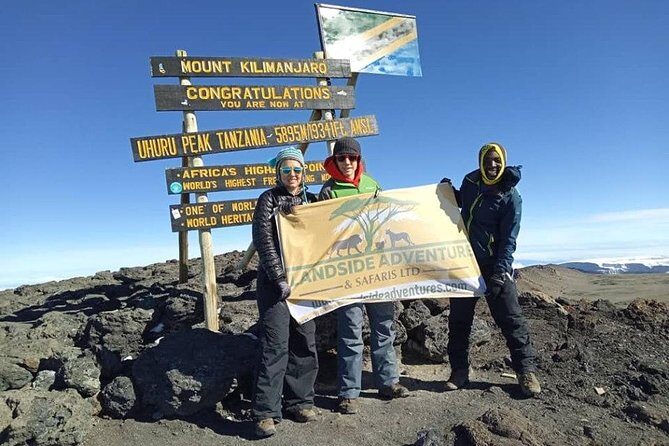
On day seven, summiting starts around midnight. The climb to Uhuru Peak (5,895 m) is often called fairly simple in technical terms. That doesn’t mean easy. At this altitude, the air is thin enough to make “simple” feel like a full-body workout.
The most important detail here is how the summit is managed: a guide monitors climbers’ condition throughout and accompanies climbers in small groups—described as one guide for every two climbers to ensure safety above all. I’m glad to see this structure spelled out. On summit night, you don’t want a chaotic crowd. You want check-ins, steady pacing, and someone watching your signs.
After reaching the top, there’s also time for a walk on the nearby glacier. That’s one of those once-in-a-lifetime moments you can’t replicate anywhere else. Then you rest about two hours back at Barafu before beginning the descent to Millennium Camp (3,820 m).
Here’s the blunt part: the descent is deceptively easy, but footing can be treacherous. The notes for this route point out that most accidents happen during descent and that it’s a common cause of damaged toenails. Treat the downhill like a technical task. Short steps, steady rhythm, and constant attention to your shoes.
You’ll cover roughly 15.5 km on this day and it can run anywhere from 7 to 12 hours, depending on conditions and how your altitude recovery feels.
Day 8 to Mweka Gate: forest-line sleep and the satisfaction loop
Day eight is lower altitude and more forgiving in feel. You sleep at Millennium Camp, where the camp location at the forest line typically supports a better night’s sleep. After the psychological payoff of summiting, rest matters.
Then you head down toward Mweka Gate (1,640 m), with breakfast first and a trek of about 13.5 km lasting 5–6 hours. This is the day you’ll feel most human again: less gasping, more normal walking, and that gradual relief of descending back into Tanzania’s lower elevation climate.
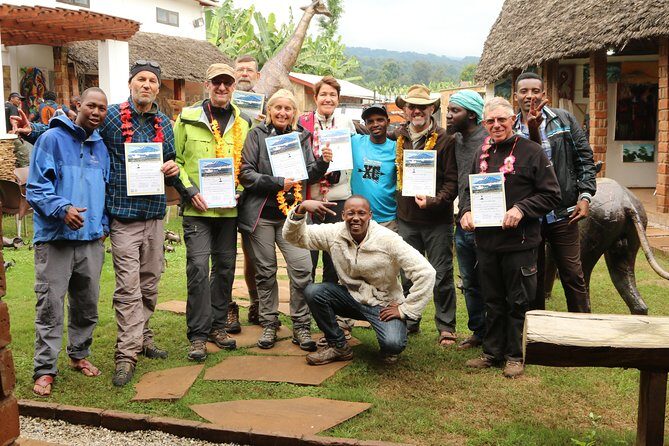
When you arrive, you’ll celebrate with the whole climb crew. Then you go to the offices, receive climb certificates, and drive to your lodge. This is one of my favorite parts of Kilimanjaro trips: it turns the effort into an actual moment you can remember clearly later, not just a blur of exhaustion.
Day 9: hotel-to-airport transfer and why you should plan for a slower pace
Your final day is a transfer from lodge to the airport. That means you’re not forced into more walking or a long drive day while your body is still recovering from the summit. It’s a smart way to structure the finish.
If you have a late flight, there’s an option for late check-out, though extra fees may apply. You don’t want to cut it close after a multi-day high-altitude effort—your body will demand time to reset.
Also pay attention to the typical check-out time (noted as 11:00 AM). Build your day around recovery, not around rushing to your gate.
Price and what makes this feel like real value at $3,250
At $3,250 per person, the biggest question is value: what are you actually buying besides the sunrise photo at Uhuru Peak?
Here’s the practical breakdown from what’s included:
- Roundtrip airport transfers so you’re not managing transport after travel stress
- Treated drinking water during the trek
- Professional mountains guides, cook, and porters
- Meals across the trek (breakfasts, lunches, dinners are provided for the full series of days)
- Camp comforts like sleeping mattress, tables and chairs
- And at key points, support that reduces your workload, like camp setup at Barafu including tents and sleeping bags
On Kilimanjaro, labor and logistics are the hidden cost driver. A well-run trek means you’re not fighting for meals, water, or camp organization while you’re trying to acclimatize. That’s also where the provided reviews shine: people praised the organization and preparation, and named staff like Maxon, Kim, Oscar, Moses, Pius, and service team members such as Nicholas and Julius for food and daily warmth like tea in the morning.
I won’t promise which exact guide you’ll have on your dates, but the consistent theme is clear: the provider leans hard into care and readiness. When weather turns, that’s when organization becomes worth the money.
Tipping isn’t included. Tips are not just a courtesy on Kilimanjaro—they’re part of how guides and crew share in the outcome of your trip. Factor that into your budget before you book.
Who should do this Machame climb (and who should think twice)
This experience is described for travelers with moderate physical fitness. That’s a fair match if you’re comfortable with multi-hour hikes, carrying a day pack, and keeping a steady pace for altitude days. If you’re new to trekking at height, you’ll want to take the pace guidance seriously and avoid pushing to “prove something.”
This is also a good fit if you like structure. Machame includes multiple camps, acclimatization climbs, and a summit start timed around midnight. If you want spontaneity, you’ll probably find the schedule firm. If you want a plan that handles altitude with intention, this is strong.
The group limit of max 6 travelers is another reason to consider it. On Kilimanjaro, small groups tend to mean fewer slowdowns and better communication between guides and climbers—especially during the more critical summit window.
If you struggle with very early nights, very late nights, or long descents, this route can still work, but you’ll need to accept that the hardest parts are front-loaded into your sleep schedule.
Should you book this 9-day Machame route?
I think you should book it if you’re aiming for:
- The classic Machame Route experience with multiple acclimatization touches
- A trek run with a safety-first summit structure and close guide monitoring
- A realistic pace and camp support that keeps you focused on walking, hydration, and rest
You should pause if you know you’re easily stressed by night climbs, or if you’re not willing to take descent traction seriously. The route itself warns that descents can cause issues when attention slips. If you can’t commit to careful footwork and slow downhill pacing, this trip might feel unnecessarily risky.
If you go in informed—packing for rain, respecting altitude, and planning recovery—you’ll come back with more than a summit certificate. You’ll come back with a story made of small steps, good camp rhythm, and that clear moment when the mountain finally feels reachable.
FAQ
Where does this Kilimanjaro trip start and end?
It starts in Moshi, Tanzania and ends back at the meeting point, with a hotel-to-airport transfer on the final day.
How long is the Machame climb?
The duration is 9 days (approx.).
What route is included?
This is the Mount Kilimanjaro climb via the Machame route.
Do I get airport pickup and transfer?
Yes. The trip includes roundtrip airport transfer.
What’s included for food and water?
The trip includes breakfast, lunch, and dinner, plus treated drinking water during the climb.
What’s the highest point on the route?
The itinerary includes a summit ending at Uhuru Peak (5,895 m).
When does the summit start?
Summiting starts around midnight from Barafu Camp.
How big is the group?
The tour has a maximum of 6 travelers.
Is this trip suitable for beginners?
It’s listed for travelers with moderate physical fitness level, so if you’re new, plan to follow your pace closely and take acclimatization seriously.