REVIEW · ARUSHA
Kilimanjaro-lemosho Route 8 Days Itinerary
Book on Viator →Operated by Africa Joy Tours - Day Tours / Mult Day Tours · Bookable on Viator
One step onto Kilimanjaro, and you feel it. This Lemosho climb is built around slow acclimatization and includes airport transfers, so the trip starts off calm instead of chaotic. I also like the way the route moves you from forest to plateau to alpine desert, with camp choices that match the effort level. The main drawback to plan for is the freezing, early-morning summit push when you are tired and breathing gets harder.
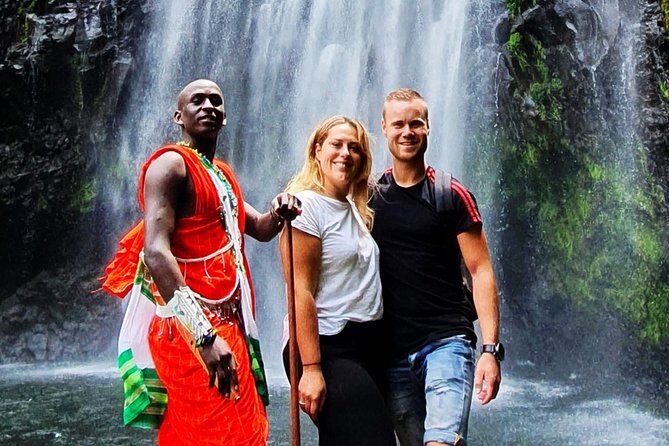
You start and finish at Arusha Safari Lodge, and you get a pre-climb briefing plus an equipment check the evening before the trek. In past experiences with this operator, guides such as Emmanuel and Frankie have been praised for professionalism and steady encouragement, and the goal is clear: help you reach the top with safety in mind.
One more consideration: this is not a casual walk. The itinerary calls for a moderate fitness level, long hiking days, and cold nights at higher camps, especially once you leave the Shira area behind.
In This Review
- Key things that make this Lemosho climb work
- Arrusha Safari Lodge: your pre-climb reset and equipment check
- From Arusha to Londorossi Gate: easing into the Lemosho trail
- Shira Plateau day: views, effort, and the first real altitude reality
- Lava Tower to Great Barranco: strong scenery days, plus a tough transition
- Barafu Ridge and the pre-summit evening: where timing becomes everything
- Summit day: from Stella Point sunrise to the long descent
- Mweka Gate and Arusha Village: the finish that feels like a gift
- Value and logistics: what $2,950 covers (and why it’s not just a number)
- Best months to climb Kilimanjaro on this route: plan for rain and cold
- What success on this climb really depends on
- Who should book this Lemosho itinerary (and who should reconsider)
- Should you book this Kilimanjaro climb with Africa Joy Tours?
- FAQ
- Where does the climb start and end?
- How long is the trip, and does it match the 8-day route name?
- What travel support do I get from Kilimanjaro International Airport (JRO)?
- Are park admission tickets included?
- What meals are included?
- What is not included in the price?
- What time does the experience start?
- What months are best to climb, and when should I avoid?
- Do I need medical coverage or travel insurance?
- Is cancellation free if plans change?
Key things that make this Lemosho climb work
- Private airport transfers in the package: you can land anytime at JRO and still get to Arusha smoothly.
- Park admission tickets included across the trekking days, so you are not juggling extra fees on the mountain.
- A route that spreads altitude gain out over multiple days, giving your body time to adjust.
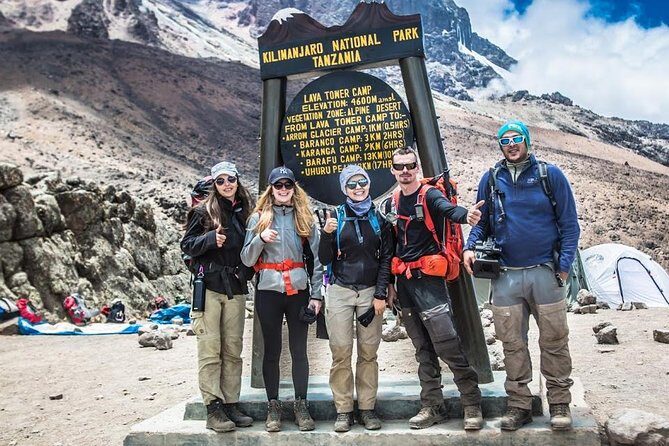
- Classic Kilimanjaro terrain variety: forest trails, Shira Plateau, Lava Tower region, Barranco walls, and the Karanga alpine desert.
- Summit strategy with Stella Point timing: you’ll target sunrise at high altitude before deciding how far to continue.
- Guide-led success focus: the operator emphasizes outstanding guide support compared with overall climb attempts.
Arrusha Safari Lodge: your pre-climb reset and equipment check
Your trip starts at Arusha Safari Lodge on the lower slopes of Mount Meru. It’s a practical base: you sleep near the start of your Kilimanjaro experience and have time to get ready without rushing.
On day 1, you gather at 5:30 pm for a pre-climb briefing and an equipment check. This matters more than it sounds. Kilimanjaro is a cold-weather climb, and the right layers, gloves, hat, and a plan for hydration can make the difference between “I’m uncomfortable” and “I’m miserable.”
You’ll also confirm that you have mandatory medical coverage and travel insurance. Don’t treat that as paperwork only. It is part of the safety net for a remote, high-altitude environment where medical help is not just a phone call away.
You can also read our reviews of more tours and experiences in Arusha.



From Arusha to Londorossi Gate: easing into the Lemosho trail
After breakfast at the lodge, you drive about 2 hours through rural countryside to Londorossi Gate. The park registration formalities happen there, and you’ll travel through farmland before reaching the Lemosho road head.
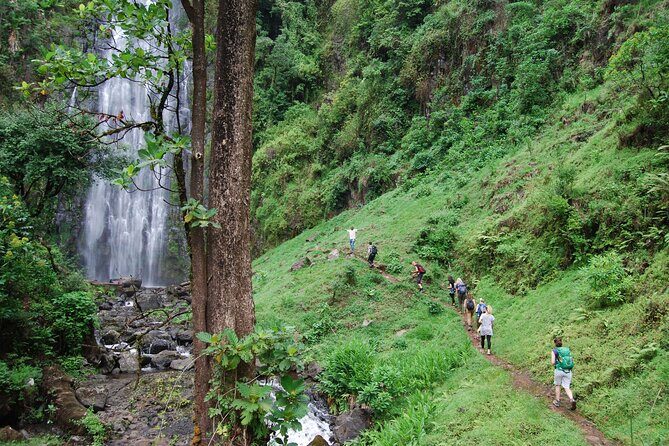
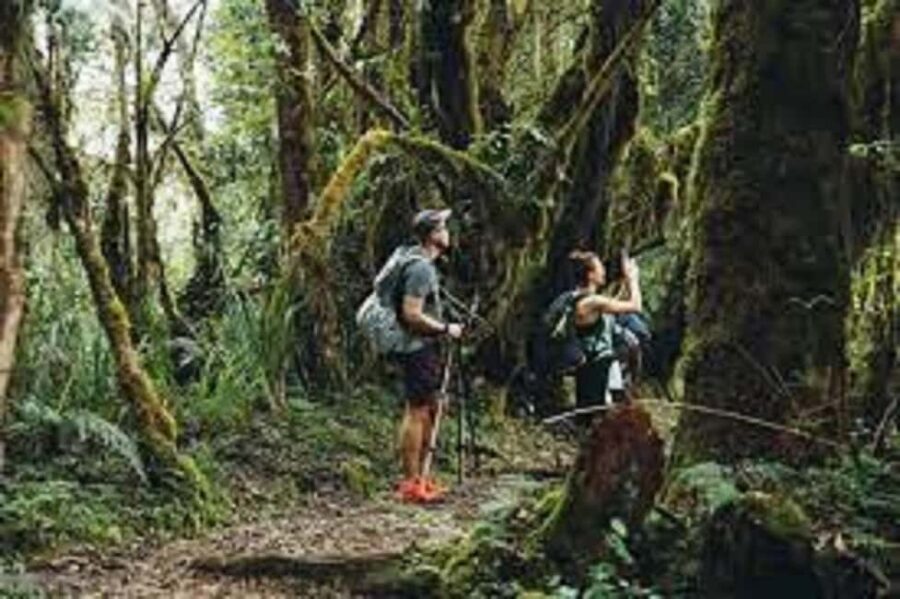
Then you begin your ascent along the forest trail toward Lemosho Mti Mkubwa Camp at about 2,650 m. Expect roughly 3–4 hours of walking on day 2. Forest days can feel forgiving because temperatures are often milder and the air is still reasonable, but they set the rhythm. You’re learning how your pace feels before altitude adds pressure.
A detail I like here is the structure. The route doesn’t throw you into a steep climb on day 1 of trekking. You get a gradual start, which is exactly what you want for comfort and for keeping your breathing steady.
Shira Plateau day: views, effort, and the first real altitude reality
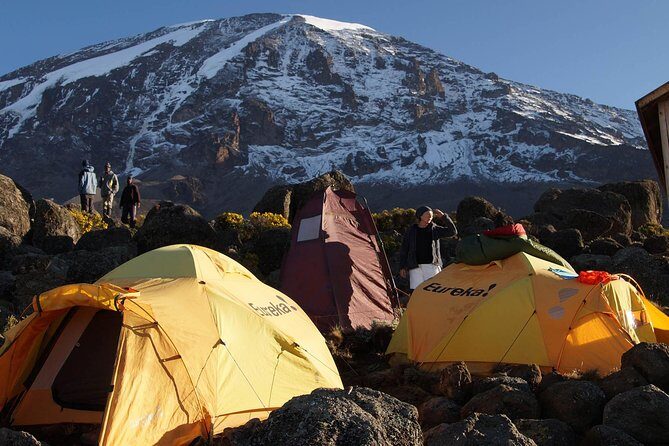
Day 3 is where the climb starts to feel more serious. You leave the forest behind and the trail climbs steadily with wide views up toward the rim of the Shira Plateau. You move to Shira Camp at about 3,550 m after 6–7 hours of walking.
Day 4 continues the Shira Plateau arc. You head toward Shira Cathedral and then go to Shira Hut at around 3,840 m. The day’s walking is shorter on paper (about 3–5 hours), but the exposure can bite. The camp is described as exposed, and temperatures can drop well below freezing compared to what you likely felt earlier.
This is one of the best parts of the itinerary for first-timers: it teaches you how to manage comfort at altitude. You will be tired, but you still have a chance to get your cold-weather strategy dialed in before you head into the more rugged sections.
Practical tip: at Shira Hut, plan your layers like it’s a weather system. Keep gloves and a warm hat within easy reach at camp. When you stop moving, the cold arrives fast.
Lava Tower to Great Barranco: strong scenery days, plus a tough transition
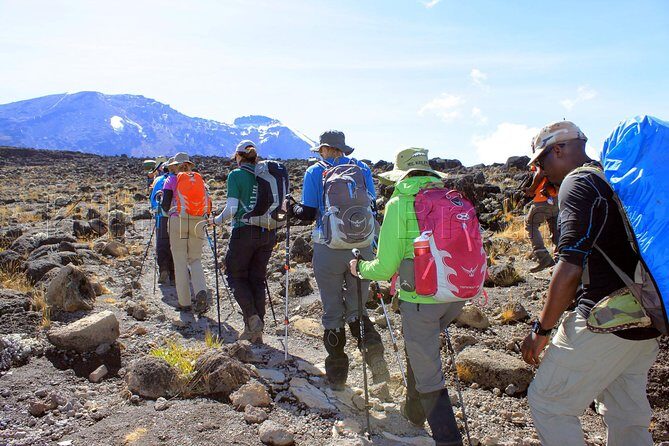
On day 5, the route takes you across the southwest side of Kilimanjaro. You pass underneath the Lava Tower and the final stretch of the Western Breach. After a hot lunch near the Lava Tower area around 4,600 m, you descend into the Great Barranco valley at about 3,900 m, with about 5–7 hours of walking.
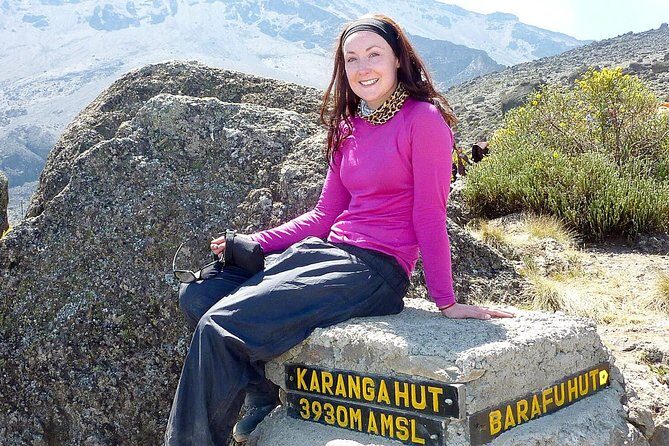
On day 6, you climb up the eastern wall. You go just below the Heim Glacier area, then work over the Great Barranco Wall, moving toward the southeastern slopes of Kibo. After that, you descend into the Karanga Valley alpine desert, then climb up to Karanga Camp around 4,000 m (about 4–5 hours).
These middle days can feel like they have two moods: stunning and demanding. The scenery around Lava Tower and glacier zones is part of what makes the Lemosho route memorable. But the terrain is not just “pretty.” It is steady effort, with climbs and descents that can stress legs and lungs.
A balanced way to think about it: you do not need to crush days here. You need to stay consistent. The itinerary’s pacing choices help, but your own pace is the biggest factor you control.
Barafu Ridge and the pre-summit evening: where timing becomes everything
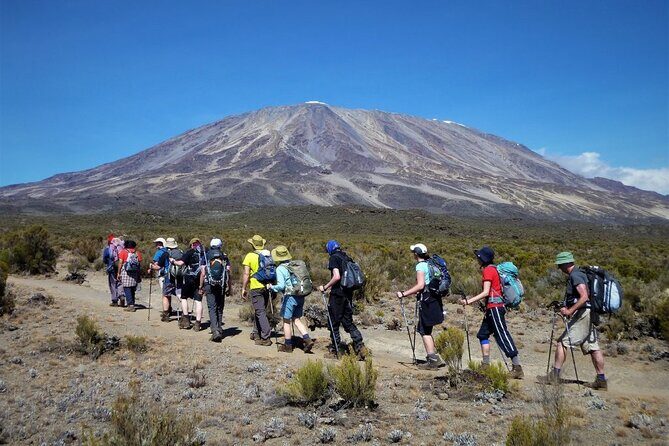
Day 7 brings you up to Barafu Camp at about 4,600 m via the Traverse Route and Barafu Ridge. Expect about 3–4 hours of walking, and the rest of the day is intentionally about preparation. You’ll relax and aim for a very early night.
This is the part of the trip where you’ll notice why an itinerary like this is popular. After several days of walking and camp nights, the final ascent isn’t just about fitness. It is about having enough energy and enough mental focus to keep moving slowly in very thin air.
If you’ve never done a midnight start before, here’s the key: treat the early hours like a routine. Eat what you can, sip water when possible, and keep warm while you wait to move. You won’t feel great. You’ll feel cold. That is normal.



Summit day: from Stella Point sunrise to the long descent
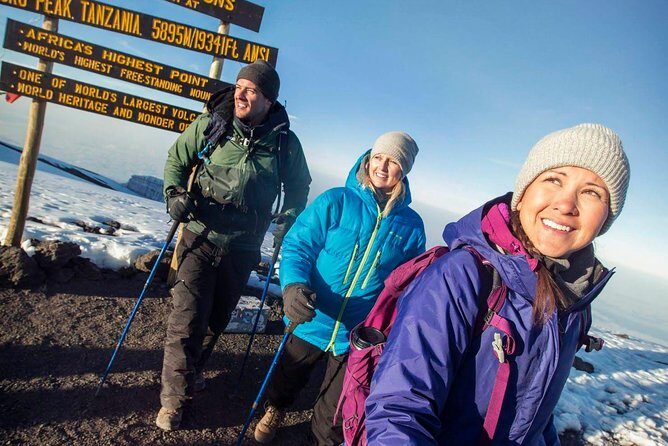
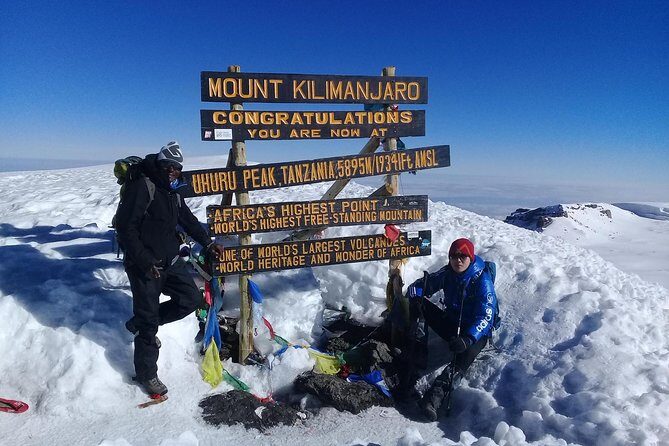
Day 8 is your summit day. You wake up before midnight and climb over loose volcanic scree with well-graded zig-zags. You’ll reach Stella Point at about 5,735 m, where you rest briefly to watch sunrise over Mawenzi.
From Stella Point, you have a chance to continue toward the main peak (about 5,895 m), which the itinerary describes as the highest point in Africa. After a short celebration, the descent back to Barafu is fast, and you’ll stop at Barafu Camp for refreshment before continuing down to Mweka Camp.
The total walking for day 8 is listed as about 13–15 hours. That number matters. Even if summit time goes well, the day still ends with a serious grind downhill, and downhill can be hard on knees and quadriceps.
This is also where guide support makes a difference. In past experiences, climbers have credited their guides with constant encouragement and motivating pacing. Guides like Emmanuel and Frankie have been specifically praised for professionalism and passion, and that kind of calm leadership helps when you are running low on energy.
Practical tip: protect your descent. Small steps, careful foot placement, and staying hydrated matter more than you think.
Mweka Gate and Arusha Village: the finish that feels like a gift
Day 9 shifts gears. You walk down through rainforest toward Mweka Gate. If you’re successful, you’ll receive summit certificates there. After lunch, you drive back to Arusha Safari Lodge.
The walk to Mweka Gate is listed as about 3–5 hours. It’s not a “rest day,” but it is a good change after days of big altitude and cold camps. Then you get a proper dinner and sleep at the lodge.
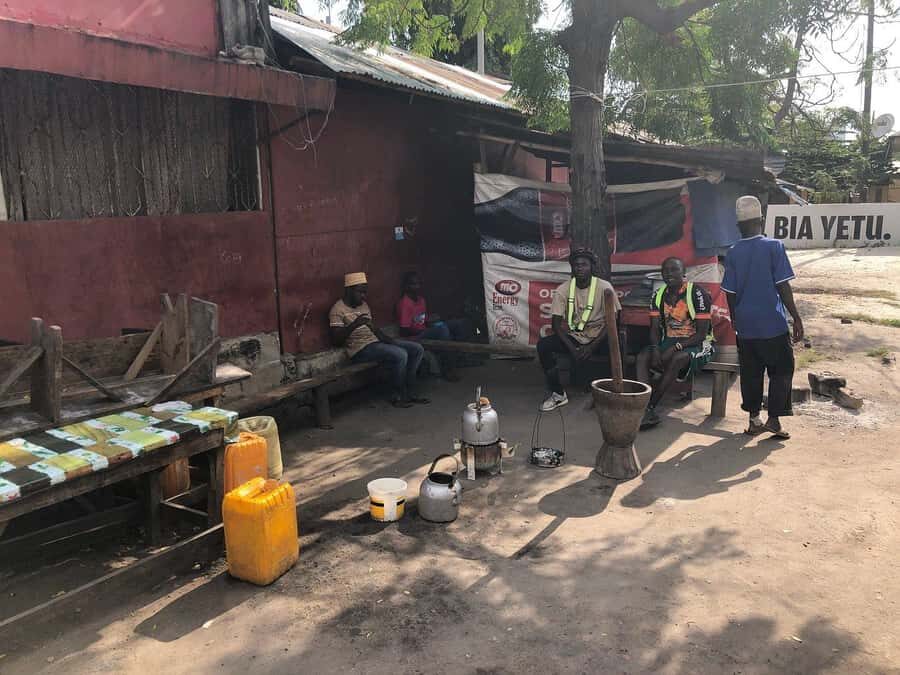
If you want a bit more than only mountain talk, this portion gives you a sense of place. The itinerary includes an Arusha Village Experience after the main trek, which can add context to daily life around the climb area.
Value and logistics: what $2,950 covers (and why it’s not just a number)
At $2,950 per person, this is not a budget Kilimanjaro option. But when I look at value, I look at what you’re buying: fewer gaps, less guesswork, and less chance of spending time solving problems while you’re already tired.
Here’s what’s included that actually helps:
- Private transfer from JRO to Arusha Safari Lodge as part of the package, with no extra fee mentioned.
- Park admission tickets included across the trekking days (entry is covered in the itinerary schedule).
- Meals included: breakfast (10), lunch (10), and dinner (9).
- Mobile ticket is offered.
- Private group format: only your group participates.
- Ongoing briefing and equipment check before you start.
What’s not included is also clear:
- Tips
- International flight
- Items of personal nature
For $2,950, you should expect your time and comfort to be protected where it counts. The route has enough days built in for altitude comfort, and the included transfers and admission fees reduce the administrative load.
Best months to climb Kilimanjaro on this route: plan for rain and cold
Weather drives everything on Kilimanjaro. The itinerary notes that March, April, and May are typically long-rain months and should be avoided. November usually brings short rains; it may still be climbable because it does not rain every day.
The best months listed are January, February, August, and September. January to February are described as warmest, often with clearer conditions in the evenings and mornings. July can be colder, and November to December can be wet.
For your trip planning, the practical takeaway is simple: pick a season that gives you more stable conditions. You’ll still get cold at altitude, but you can avoid the extra complications that rain and muddy trails bring.
What success on this climb really depends on
The operator states that guide success rates are outstanding compared with overall climbing attempts. I take that seriously, but I also treat it as guidance, not a guarantee. Altitude is still altitude, and each body responds differently.
What you can control:
- Pace: slow and steady. Big surges are where people run out of oxygen and motivation.
- Cold management: gloves, hat, warm layers, and staying dry at camp.
- Hydration and calories: if you skip these, the summit push becomes much harder than it needs to be.
Where the tour helps you:
- The itinerary’s progression spreads the climb across different terrain and altitude bands.
- The summit schedule includes a sunrise stop at Stella Point, which supports decision-making based on how you feel.
Who should book this Lemosho itinerary (and who should reconsider)
This route suits you if you:
- Want a classic route with forest-to-plateau-to-desert variation.
- Prefer an itinerary that gives you time to acclimatize gradually.
- Are comfortable with a long day on summit and a high-cold-night environment.
- Like having strong guidance and camp structure rather than improvising.
Consider a different fit if you:
- Struggle with cold-weather camping or freezing temperatures, especially around exposed higher camps.
- Know you will rush when you feel anxious. This climb rewards calm pacing.
The listed fitness level is moderate, but “moderate” still means stamina. You should be ready for 6–7 hour walking days and a full summit day that can run 13–15 hours.
Should you book this Kilimanjaro climb with Africa Joy Tours?
If you want a well-structured Lemosho route with private transfers, park entry included, and a guide-led approach to pacing, this is a strong choice. The itinerary’s sequence sets you up for acclimatization and gives you a clear summit plan with a sunrise window at Stella Point.
I’d book it if you value logistics that work and you’re ready for the real parts: cold nights, long hiking days, and slow high-altitude movement. I would hesitate only if you know you cannot handle freezing temperatures or you are not willing to walk at a slow pace even when you feel the pressure to go faster.
If you book, do one thing early: train for long walks, pack for real cold, and line up your medical coverage before you go. That’s how you make the whole experience feel controlled instead of stressful.
FAQ
Where does the climb start and end?
The trek begins and ends at Arusha Safari Lodge in Arusha, Tanzania.
How long is the trip, and does it match the 8-day route name?
The itinerary is listed as about 10 days total, with the main Lemosho trekking spanning an 8-day route as part of that overall timeframe.
What travel support do I get from Kilimanjaro International Airport (JRO)?
You can arrive anytime at JRO, and a private transfer is waiting to take you to Arusha Safari Lodge. Airport transfers are included with no extra fee mentioned.
Are park admission tickets included?
Yes. Park admission tickets are included as part of the trekking days in the itinerary.
What meals are included?
Meals included are breakfast (10), lunch (10), and dinner (9).
What is not included in the price?
Not included: tips, international flights, and personal items.
What time does the experience start?
The listed start time is 8:30 am.
What months are best to climb, and when should I avoid?
The best months listed are January, February, August, and September. March, April, and May are typically long rains and should be avoided. November is usually short rains, and climbing can still be possible.
Do I need medical coverage or travel insurance?
Yes. You’ll confirm you have mandatory medical coverage and travel insurance during the pre-climb briefing.
Is cancellation free if plans change?
Free cancellation is offered up to 24 hours in advance for a full refund. The experience also requires good weather, and if it is canceled due to poor weather you’ll be offered a different date or a full refund.