REVIEW · TANZANIA
From Arusha: Guided City Tour with the best highlights
Book on GetYourGuide →Operated by Beach & Safari Holidays · Bookable on GetYourGuide
Clock Tower photos start the story in Arusha. This guided city tour is a practical way to see the places you’d otherwise skim from the curb, especially the Arusha Clock Tower and the National Natural History Museum with an English-speaking local guide. You can also pick your vibe by choosing a morning, afternoon, or evening start time.
I love how the tour nails two big sightseeing wins: you’ll get the famous Cairo–Johannesburg midpoint photo at the Clock Tower, and you’ll do a real walk-through at the museum rather than a quick stop-and-go. The Central Market stop also gives you a hands-on feel for local produce and spice stalls, which is where Arusha feels most like a working city.
One thing to consider: the quality of “guiding” can vary depending on the person driving/leading your group, so do plan to ask questions early and keep an eye on timing—because lateness or a more driver-led style can change how satisfying it feels.
In This Review
- Key things to know before you go
- Your 4–5 hour Arusha route: how the van time works
- Arusha Clock Tower: your Cairo–Johannesburg midpoint stop
- Arusha Declaration Monument & Museum: context you’ll feel, not just read
- National Natural History Museum: a slower stroll that’s easy to enjoy
- Central Market: spices, shopping pressure, and how to stay in control
- Morning, afternoon, or evening: picking the right light and energy
- Price and value: what $23 really buys you
- Who this tour fits best (and who should adjust expectations)
- Meeting your guide: avoid mix-ups and start on time
- Should you book this Arusha City Tour?
- FAQ
- How long is the Arusha city tour?
- What does the tour cost?
- What language will the guide speak?
- Can I choose a morning, afternoon, or evening time?
- What’s included in the price?
- What’s not included?
- Where do I meet the guide?
- What should I bring?
Key things to know before you go

- Halfway point photo: Arusha Clock Tower is treated as the midpoint between Cairo and Johannesburg, so it’s great for orientation shots.
- Museum time that’s actually useful: You get a stroll through the National Natural History Museum, not just a drive-by.
- Central Market for senses: Expect stops around spices, vegetables, and fruits—plus the usual seller chatter.
- Flexible start times: Choose morning, afternoon, or evening, depending on what fits your day.
- Real-life add-ons may happen: If your guide has the time and you request it, some versions have included deeper local stops like community facilities.
- Meeting matters: Meet only the guide in a brown uniform marked with beach safari holidays aviation.
Your 4–5 hour Arusha route: how the van time works
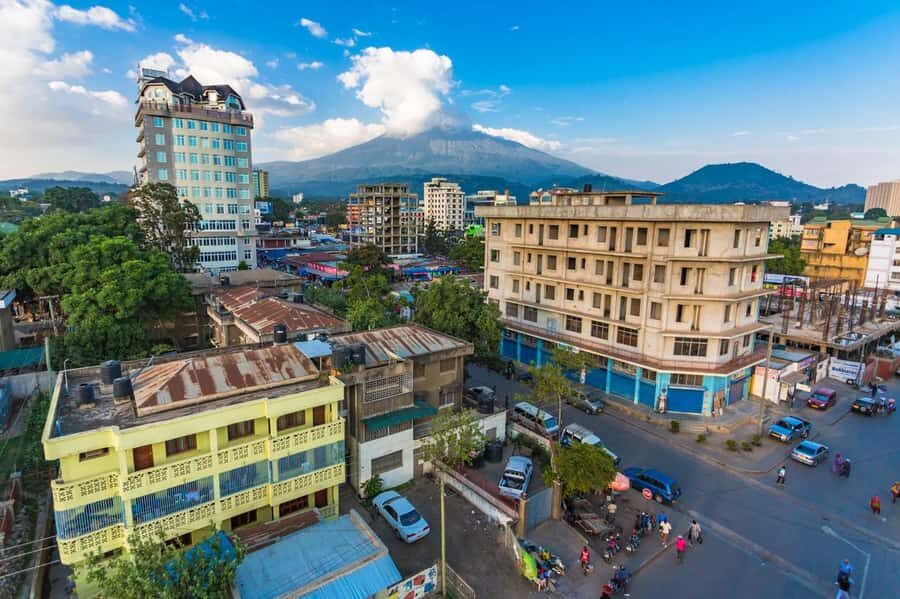
The tour runs about 4–5 hours, with a van ride built in on both ends of the city exploring. That structure matters because it keeps you from feeling rushed between stops, especially if you’re starting from a hotel pickup (the transfer option).
Once you’re in Arusha, the itinerary shifts into slower rhythms: walking, short photo stops, guided explanations, and time to browse at the market. You’ll get breaks along the way, but it’s still a compact day—so wear comfortable shoes and bring a camera that’s ready for street scenes.
You can also read our reviews of more guided tours in Tanzania


Arusha Clock Tower: your Cairo–Johannesburg midpoint stop

The Arusha Clock Tower is the centerpiece highlight for a reason. It’s widely referenced as the halfway point between Cairo (Egypt) and Johannesburg (South Africa), so you’re not just sightseeing—you’re getting a memorable landmark that gives you instant geographical context.
This is also a great “orientation” moment if you’re new to Arusha. Even if you don’t know the city layout yet, standing here helps you anchor what comes next: museum, memorial area, and then the market where daily life takes over.
Photo note: this is the kind of stop where lighting changes fast, so if you want clear shots, take them early before the day heats up or clouds roll in.
Arusha Declaration Monument & Museum: context you’ll feel, not just read

From the Clock Tower area, you’ll move toward the Arusha Declaration Monument and Museum. This is where the tour shifts from landmark photos into local meaning—what Arusha chooses to remember and display.
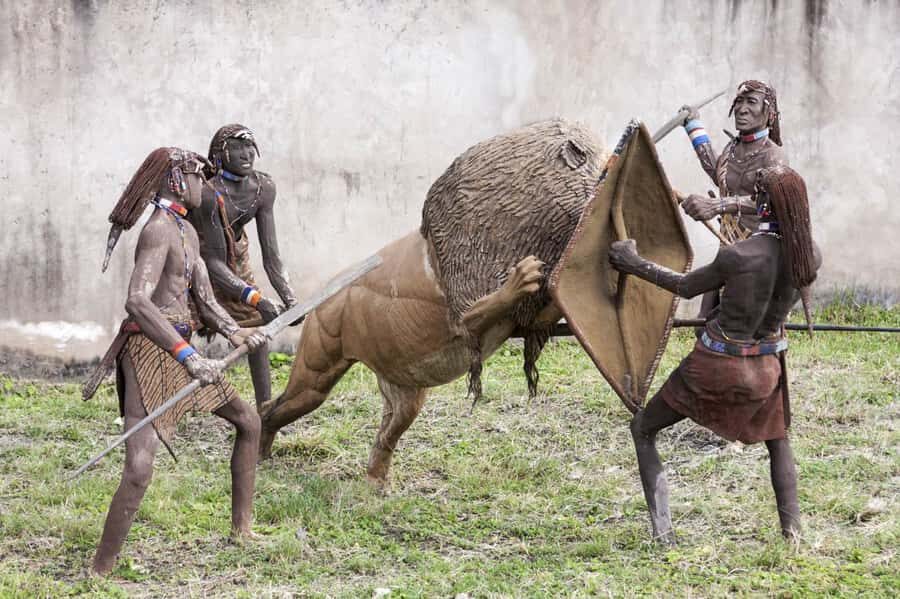
One version of this experience has a standout called a Heritage Exhibition inside the building, where you can see African talent through paintings and sculptures. Even if you’re not a museum person, you’ll likely appreciate this stop because it’s built for everyday understanding: people come here to look, learn, and connect art to place.
Time check: museums can vary by day and hours, so if something looks like it’s closing soon, be ready to adapt. Ask your guide what you should prioritize so you don’t feel you missed the best parts.
National Natural History Museum: a slower stroll that’s easy to enjoy

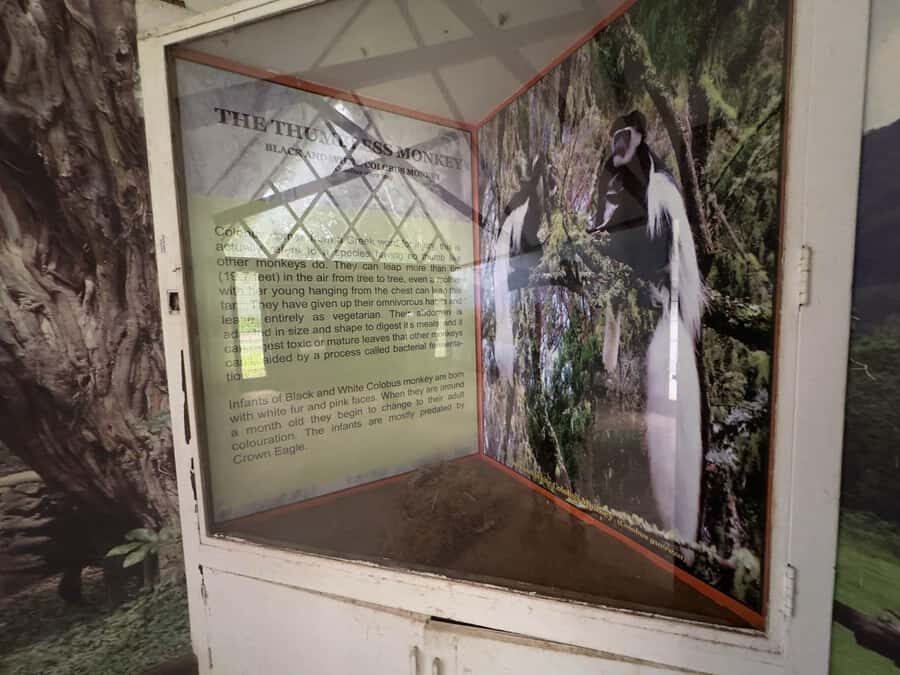
The tour’s most consistently praised element is the National Natural History Museum stop. A guided visit here is valuable because museums can be intimidating if you don’t know where to start. With an English-speaking guide, you get help picking what to look at and why it matters.
This is also the kind of place where your camera gets a workout. You’re not just chasing landscapes—you’re looking at objects, displays, and visual clues about Tanzania and the wider region. If you enjoy learning through physical examples (rather than lectures), you’ll probably feel at home here.
Practical tip: keep your hands free for photos and small notes. If you’re carrying a bag, keep it zipped—museum staff and market sellers both tend to notice.
Central Market: spices, shopping pressure, and how to stay in control
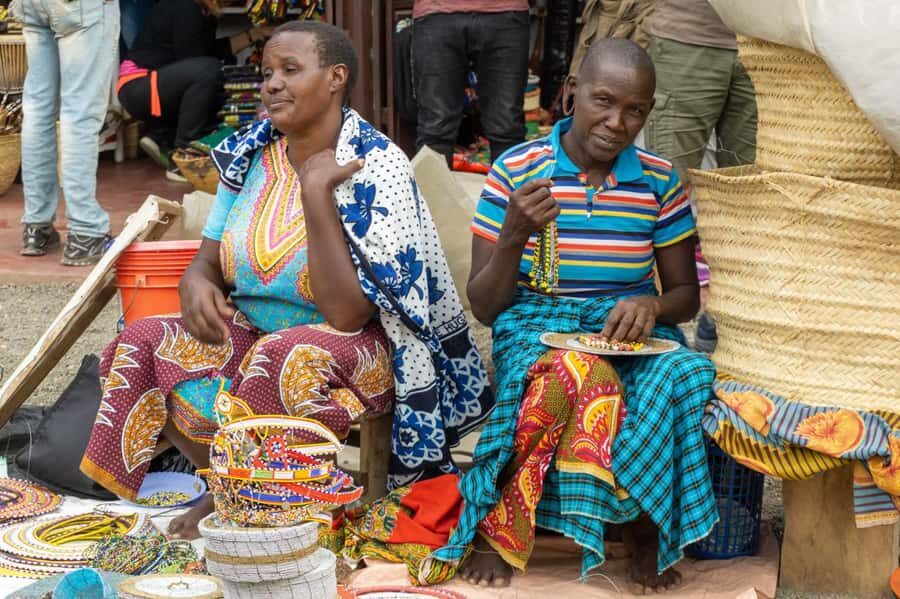
The Central Market is where the tour becomes truly Arusha. You’ll spend time around stalls with African spices, vegetables, and fruits, and your guide can help explain what you’re seeing—plus which items locals actually buy.
This is a great stop if you like textures and colors, and if you’re open to chatting with sellers. It’s also where you should be mentally prepared for sales energy. If someone shows you products and tries to push a quick purchase, you don’t have to play along—say no politely and move on.
One caution from real experiences: sometimes the market portion can feel more like a sales stop than true guidance, or you might get introduced to a specific vendor. If that happens, you can still make it work—focus on browsing produce, ask what’s used for cooking, and keep your spending mindset clear.
Cash helps here. The tour asks you to bring cash, and it’s a good idea to carry a small amount for snacks, small gifts, or a spice purchase—so you’re not negotiating with big notes.




Morning, afternoon, or evening: picking the right light and energy
You can start this city tour at different times—morning, afternoon, or evening—which is a huge advantage in Arusha. Morning can feel fresh for walking, afternoon can mean heat and brighter shadows, and evening can make the city feel calmer.
Choose based on your energy, not just the schedule. If you like markets and don’t mind crowds, afternoon may be fine. If you want photos with softer light and an easier pace, evening often works well—just confirm your pickup time because timing is part of the experience quality.
If you’re combining this with safari planning, a city tour earlier in your trip can also help you understand where you’ll be coming and going later. That way, the city stops you after you’re done with safari logistics feel less confusing.
Price and value: what $23 really buys you

At $23 per person for a 4–5 hour tour, you’re mainly paying for transportation time plus the help of an English-speaking guide. If you add the hotel transfer option, you also get hotel pickup and drop-off, which can be the difference between a smooth day and a stressful one in a new city.
Here’s what you should expect to cover yourself: food and drinks are not included, and tips are optional. That’s normal for city tours, but it means you should budget a bit extra so you’re not hungry in the market.
Is it a bargain? It can be, especially if your guide is strong at explaining what you’re seeing. The biggest value driver isn’t the stops on paper—it’s how much real guidance you get while you’re walking around.
So before you go, think: do you want a sightseeing lap, or do you want context and conversation? If you want context, ask your guide a couple of questions at the start and steer the day toward what interests you most.
Who this tour fits best (and who should adjust expectations)
This tour is a good fit if you want a structured way to explore Arusha without overplanning. It also works well for solo travelers who like local guidance but want freedom to shop and take photos.
It’s especially suitable if you’re the kind of person who enjoys markets with a guide—because the guide can point out items and help you understand what you’re buying. If you’re traveling with family, the clock tower and museum stops are generally easy to manage compared with longer drives.
Two groups should be a bit more cautious:
- If you want a deep, talk-the-whole-time guide experience, understand that “guiding” quality can vary. Ask early and set expectations before you reach the market.
- If you dislike shopping pressure at all, decide ahead of time what you’re comfortable with. You can browse without buying, but you should expect some seller attention.
Meeting your guide: avoid mix-ups and start on time
The meeting instructions are straightforward: meet only the correct guide, and look for the brown uniform with text reading beach safari holidays aviation. This isn’t a minor detail. If you end up with the wrong person, you can lose the whole value of having an English-speaking guide.
To reduce stress, be ready a few minutes early and keep your phone notifications on. If your tour starts from a pickup location, confirm the pickup point and timing so you aren’t standing around waiting.
Should you book this Arusha City Tour?
Book it if you want an efficient Arusha day that mixes landmarks, a museum stop, and a central market—especially if you’ll appreciate a guide’s help with what you’re seeing. I’d also book it if you’re the type who enjoys a landmark like the Cairo–Johannesburg midpoint because it gives your photos and route a memorable anchor.
Consider skipping or adjusting expectations if you specifically want nonstop expert commentary. This experience can shift toward more driver-led logistics depending on the person running it, and market time can turn into sales-focused browsing.
If you do book, do two things: confirm you’re meeting the right uniformed guide, and ask questions early—so the tour becomes the city experience you’re hoping for, not just a ride between stops.
FAQ
How long is the Arusha city tour?
It’s listed as 4–5 hours.
What does the tour cost?
The price is $23 per person.
What language will the guide speak?
The guide provides a live English experience.
Can I choose a morning, afternoon, or evening time?
Yes. The tour offers an option to take it in the morning, afternoon, or evening.
What’s included in the price?
It includes an experienced tour guide and an English-spoken guide, plus the city guided tour. If you choose the hotel transfer option, it also includes hotel pickup and hotel drop-off.
What’s not included?
Food and drinks are not included, and tips are optional.
Where do I meet the guide?
Meet only the guide and make sure he’s wearing a brown uniform with written beach safari holidays aviation.
What should I bring?
Bring your passport, a camera, comfortable clothes, and cash.