REVIEW · TANZANIA
Arusha: Coffee Tour
Book on GetYourGuide →Operated by Adventure Bats · Bookable on GetYourGuide
Coffee tastes better when you make it. This Arusha coffee tour near Lake Duluti turns you into part of the process, from hand-harvested beans to the cup you drink. I love the hands-on bean-to-brew steps (yes, grinding and brewing are yours to do), and I love the organic farming focus that explains how coffee is grown and protected in this area. One thing to consider: you’ll be working outdoors and getting close to the roasting and grinding steps, so it’s not the best fit if you want a totally hands-off, clean experience.
The vibe is relaxed and local, and the guides bring it to life. Names you might hear during the day include Richard (the farm owner) and Imran (the English-speaking guide/organizer). You’ll likely join in the rhythm while roasting and grinding—traditional songs are part of the fun, not just background noise.
You also get more than coffee. Lunch is included, and you’ll visit a local village to see daily life connected to farming and community. If you want to stretch the day into nature, there’s an add-on option to visit the Mangalia Waterfalls, which pairs nicely with a coffee morning.
In This Review
- Key highlights at a glance
- Getting to Lake Duluti’s coffee fields
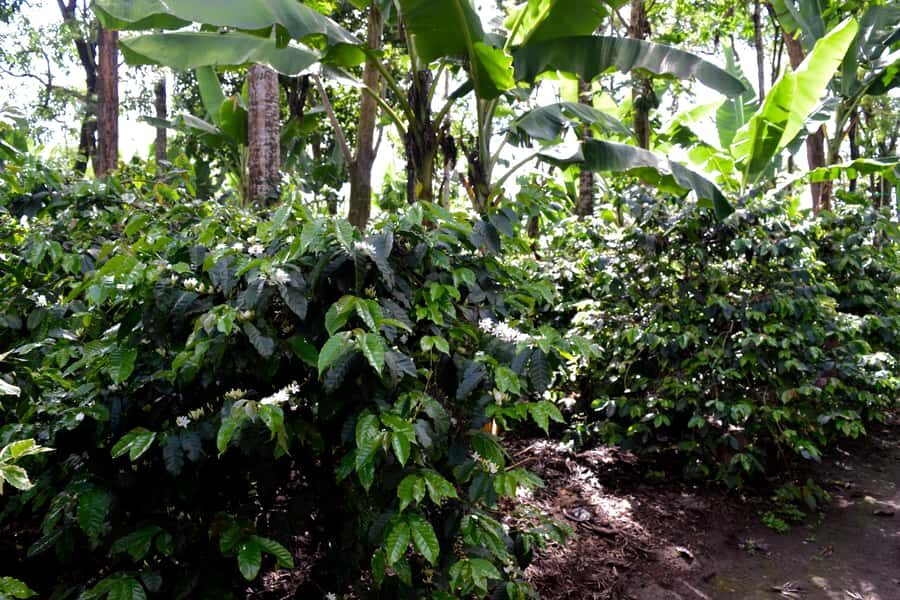
- Inside the organic plantation: how coffee starts
- Sun-dried beans, giant mortar, and traditional songs
- Roasting over open flame: where smell does half the job
- Brewing your cup: fresh taste you can actually name
- Lunch, local village visit, and the Mangalia Waterfalls option
- Price and what the $55 covers (and why it feels fair)
- Who this tour suits best (and who should skip it)
- Practical tips so your day goes smoothly
- Should you book the Arusha coffee tour?
- FAQ
- How long is the Arusha coffee tour near Lake Duluti?
- How much does it cost?
- What’s included in the price?
- Is bagged coffee included?
- Is the tour available in English?
- Can I add a visit to Mangalia Waterfalls?
- What are the key ways booking can be flexible?
Key highlights at a glance
- Hands-on bean-to-cup process: Pick, roast, grind, and brew your own coffee
- Organic farm learning: Get practical insight into growing and protecting coffee plants
- Sun-dried beans + big mortar grinding: Grind using a giant traditional mortar and pestle
- Open-flame roasting: Watch (and participate in) roasting steps over an open fire
- Food and culture included: Lunch plus a local village visit
- Optional Mangalia Waterfalls: If you want a nature stop without changing tours
Getting to Lake Duluti’s coffee fields
This is a half-day outing (about 3.5 to 4 hours) set around Arusha, with the coffee activity taking place near Lake Duluti. Most people like this timing because it gives you a real experience without eating up an entire day of sightseeing.
You’ll start with hotel pickup and drop-off, so you’re not trying to sort transport on your own. That’s a big deal here. In places around Arusha, a driver and a guide do more than drive—they help you move smoothly and safely between farm areas and community stops.
The day is designed to feel outdoorsy and calm. You’re not stuck in a classroom. You’re on working ground, and it shows. The tour is also listed as wheelchair accessible, which matters if you need a bit of extra support for transport and movement.
A few more Tanzania tours and experiences worth a look
Inside the organic plantation: how coffee starts
The morning begins at a local organic coffee plantation. This is where the tour earns its keep. It’s not just about drinking coffee—it’s about understanding how coffee becomes coffee.
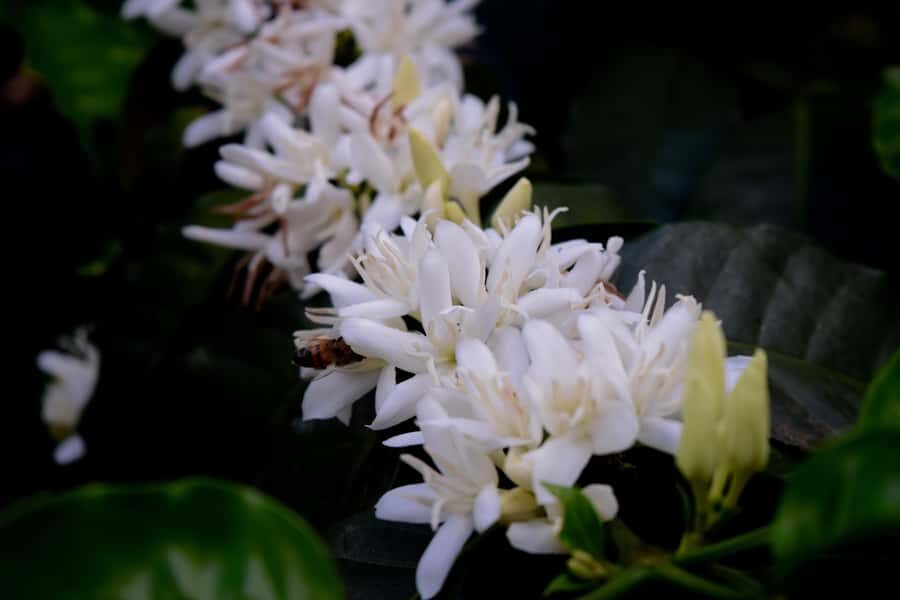
You’ll learn how coffee is grown and harvested by hand. That “by hand” detail matters because it changes how you think about the crop. You start to notice the time and labor behind every step, from picking to drying.
This is also where you’ll get explanations about how the farm keeps coffee plants healthy while staying organic (and avoiding chemical approaches). Even if you don’t memorize every farming term, you’ll walk away with practical context: coffee doesn’t happen by accident, and the farm practices shape the final taste in the cup.
Sun-dried beans, giant mortar, and traditional songs
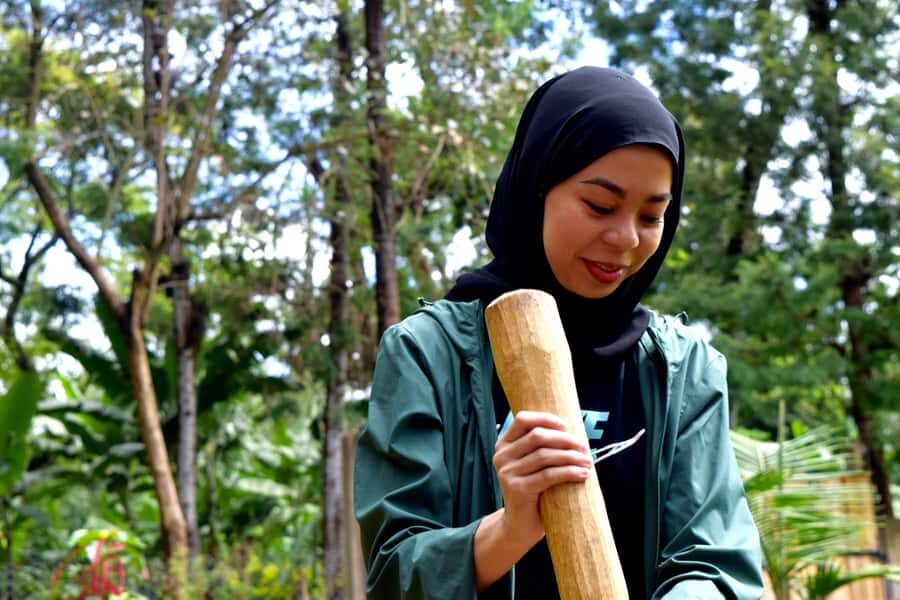
Then comes the part that most people remember: the grinding and roasting stages. This is the hands-on core of the tour, and it’s where you stop being a spectator.
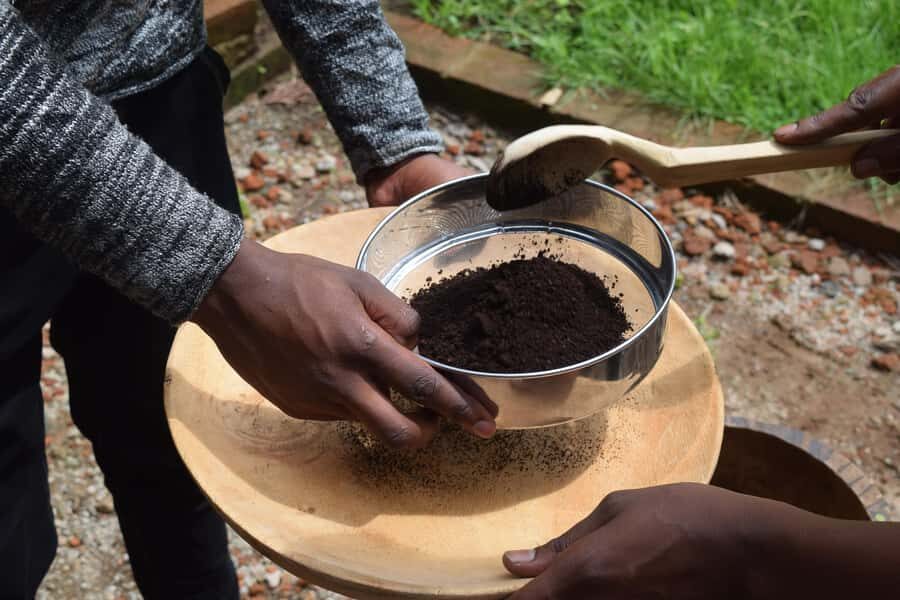
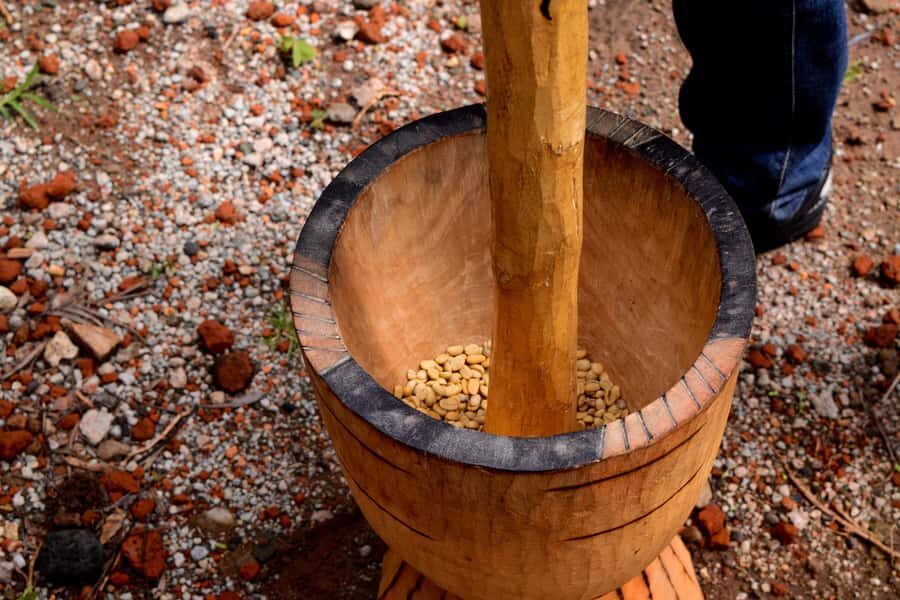
You’ll head to a nearby farm where the process really gets active. A highlight is grinding sun-dried beans using a giant mortar and pestle. It’s surprisingly physical in a good way. You’re not just turning a knob—you’re doing the work that changes bean into grounds.
And yes, there’s a cultural layer. Traditional songs show up during the grinding/roasting rhythm, and joining in is encouraged. That turns the work into something shared. It also makes the time pass faster, especially if you’re the type who worries that “farm tours” will feel like slow walks with vague explanations.
A practical consideration: because grinding and roasting happen outdoors and near heat sources, expect dust and a bit of mess. Wear clothes you’re okay with.
Roasting over open flame: where smell does half the job

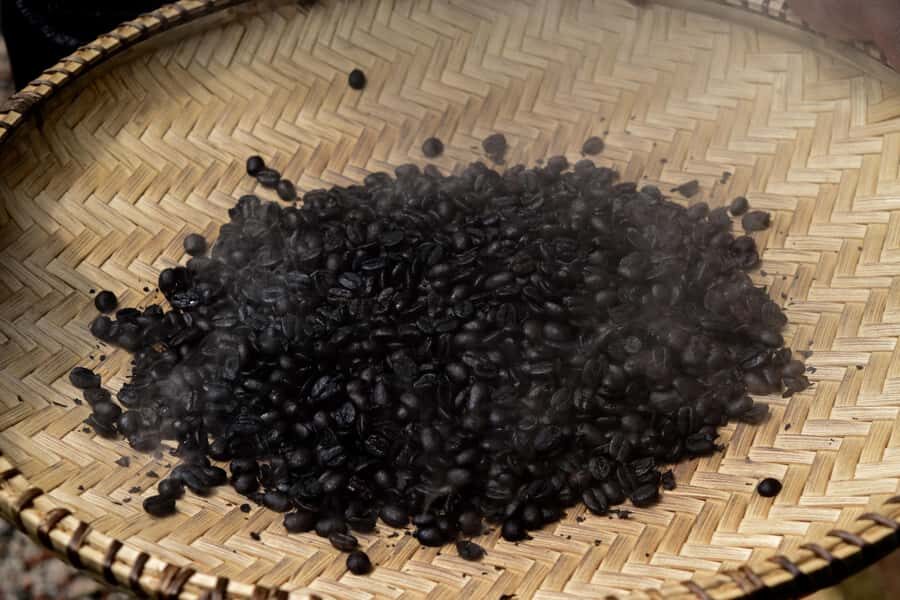
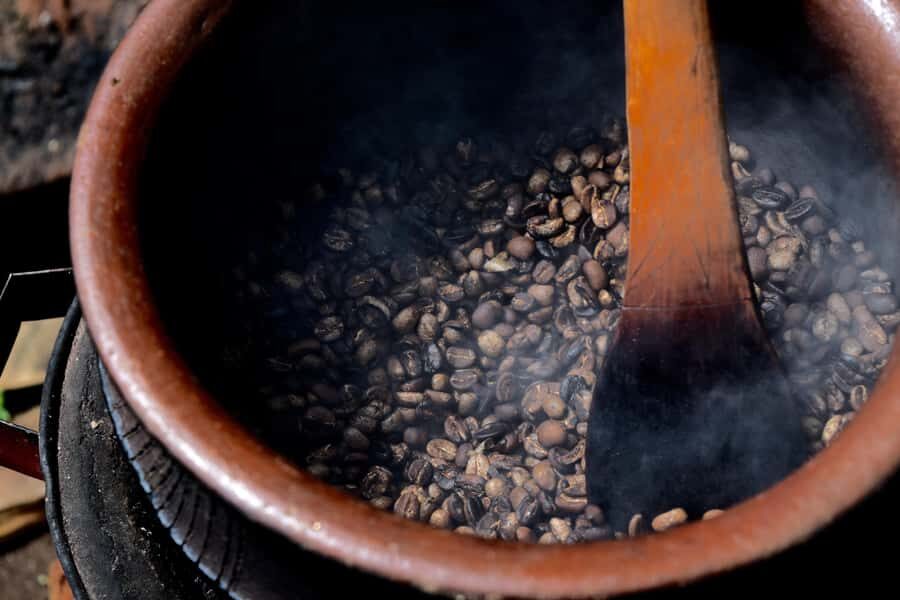
After grinding, you’ll take part in roasting beans over an open flame. This is one of those moments that changes your understanding of coffee fast.
Freshly roasted coffee has a strong aroma, and you’ll likely notice how the smell shifts as roasting progresses. That’s your first real lesson that “coffee flavor” isn’t magic—it’s chemistry plus timing, and the farm process influences the end result.
You’ll also do more grinding after roasting. That step connects two ideas: drying and roasting aren’t just separate tasks. They work together. When you grind again after roasting, you’re taking the bean through the final transformation before brewing.
The tour stays friendly and guided. The best part is that you’re not doing it alone. Your guide helps you follow the sequence so you actually end up with something drinkable at the end.
Brewing your cup: fresh taste you can actually name

The final payoff is brewing—coffee that’s made by you, from bean to cup. And because this is done with freshly processed materials, the cup you get tends to taste different from what most people expect from store-bought coffee.
This is where you’ll start noticing what you can’t un-know. You’ll likely compare this cup with coffee you’ve had before and realize the taste isn’t just “strong” or “mellow.” It has a “fresh” quality tied to how recently the beans were roasted and processed.
You’ll also see how simple brewing steps can still be very specific. A good guide can explain the basics in a way that sticks, not just a lecture. I like this part because it turns coffee into a skill you understand, even if you don’t become a home barista.
One small tip: take a second before you drink and slow your pace. Coffee tasting works better when you treat it like a sensory task, not just caffeine delivery.



Lunch, local village visit, and the Mangalia Waterfalls option
This experience includes lunch. It’s not a random add-on. After hands-on farm work, food feels earned. Also, sharing a meal during a community-focused tour helps you see the day as more than a single production line.
You’ll also visit a local village. That gives you a clearer picture of how coffee farming fits into daily life around Arusha. Even if you only catch a few details through conversation, it helps you connect the agriculture to real people and real routines—not just a commodity.
If you want to add extra scenery, there’s an optional visit to Mangalia Waterfalls. This can be a great pairing with the coffee tour because it gives you both a cultural-agricultural side and a nature side. It’s especially nice if you’re planning an Arusha trip and want a balanced morning: work, learning, then a change of pace with views and fresh air.
Price and what the $55 covers (and why it feels fair)
The price is $55 per person for 3.5 to 4 hours, including hotel pickup and drop-off, an English-speaking guide, coffee throughout the experience, and lunch.
Here’s why that can feel like good value. Many tours in this price range give you scenery or a standard tasting. This one gives you real labor—grinding, roasting, and brewing—plus the meal and transport that reduce hassle.
It also includes the main experience pieces rather than turning them into nickel-and-dime upsells. The tour notes that bagged coffee is available for purchase, but that’s separate. In other words, you’re not required to buy anything to get your money’s worth.
When I’m deciding on tours like this, I look for one thing: do I leave with a story I can’t get from a five-minute tasting? This one usually does. You don’t just taste coffee—you participate in making it.
Who this tour suits best (and who should skip it)
This is a strong fit if you:
- like practical, hands-on experiences
- want to understand local coffee agriculture beyond marketing
- enjoy culture through everyday work, not just monuments
- want a half-day plan that includes lunch and pickup
It’s less ideal if you:
- want a completely quiet, passive activity
- dislike outdoor work or don’t like getting a little messy
- only want coffee tasting with no farm learning component
It also works well as a “connector” tour in an Arusha itinerary. You can pair it with wildlife or city stops because it’s time-efficient and gives you a grounded, agricultural perspective.
Practical tips so your day goes smoothly
A few things will make your coffee morning easier and more comfortable:
- Wear closed-toe shoes. Farm ground can be uneven, and you’ll be moving between spots.
- Plan for heat and sun. You’ll be outdoors during growing/processing activities and near the open-roast setup.
- Bring a light layer. Mornings can vary, and you may feel temperature shifts between shade and sun.
- Expect dust. Grinding and walking around coffee areas can leave you with a bit of grit.
- Ask about what’s included before you go. The tour includes coffee and lunch, but bagged coffee purchases (to take home) are optional.
- Use the guide’s pace. Let your English-speaking guide lead the steps so the process stays safe and smooth.
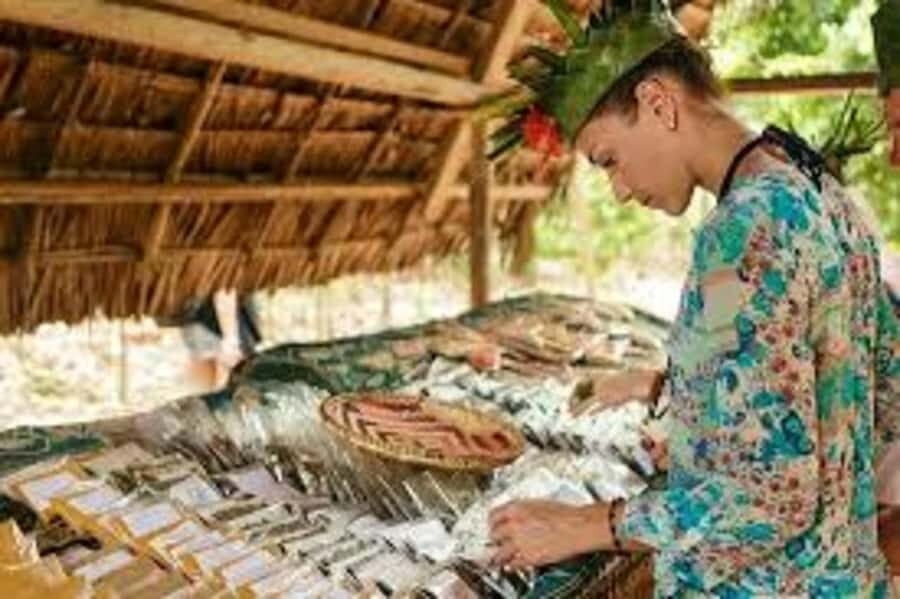
If you want to buy coffee to take home, you’ll have that option at the end. Many people like buying beans or ground coffee directly from the people who made it, because it feels like support rather than souvenir shopping.
Should you book the Arusha coffee tour?
If you enjoy food experiences that actually teach you something, I’d book this. You’re getting a half-day mix of coffee agriculture, hands-on work (grinding and roasting), and a real cup at the end that you can connect to the process. Add hotel pickup, lunch, and a village visit, and it’s one of the more complete “taste-and-learn” tours around Arusha.
Only skip it if you’re hoping for a hands-off tasting event or you’re not comfortable with outdoor farm steps and a little mess. Otherwise, this is the kind of tour that makes coffee feel personal.
FAQ
How long is the Arusha coffee tour near Lake Duluti?
The experience runs about 3.5 to 4 hours.
How much does it cost?
It’s listed at $55 per person.
What’s included in the price?
Included are hotel pickup and drop-off, the coffee tour and experience, fresh coffee, an English-speaking guide, and lunch.
Is bagged coffee included?
Bagged coffee is not included, but it’s available for purchase.
Is the tour available in English?
Yes, the tour guide is English-speaking.
Can I add a visit to Mangalia Waterfalls?
Mangalia Waterfalls can be added as a nature and culture combo option.
What are the key ways booking can be flexible?
You can reserve now and pay later, and there is free cancellation up to 24 hours in advance for a full refund.