REVIEW · TANZANIA
4 days from Mwanza To Serengeti Down Ngorongoro Crater
Book on Viator →Operated by Vic Consult Tours & Safaris · Bookable on Viator
Serengeti feels close when you leave before sunrise. This 4-day safari-style route from Mwanza to Serengeti and down toward Ngorongoro Crater is built around long-drive game time, expert guiding, and overnight stays that mix camping with lodge comfort. You’ll travel in a private setup where it’s just your group and the drivers in the vehicle, so you don’t get shuffled with strangers.
The biggest pull for me is the way the guides explain animals as living neighbors, not just sightings. Names show up clearly too, like guide Mohdy (also seen as Mody), with plenty of animal-life knowledge and practical guidance that helps you notice more than you expected.
The main drawback to keep in mind is that this is a serious days-on-the-road trip. The 5:00 am start and the driving time mean you’ll want to pack for comfort, and you should be okay with at least some nights that are more camping-style than “hotel-style.”
In This Review
- Quick hits before you commit
- Price and logistics: what $1,301.34 buys you
- Where the trip begins: New Mwanza Hotel at 5:00 am
- Private safari pace: photo stops without the crowding
- The Serengeti nights: camping plus lodge comfort
- Wildlife education that changes how you look
- Down toward Ngorongoro Crater: why this day is different
- Food, water, and the small comforts that keep momentum
- Your group size and vehicle setup: why private matters
- When this safari style fits best (and when it doesn’t)
- Weather, minimum travelers, and how to stay flexible
- Should you book this 4-day Mwanza to Serengeti safari?
- FAQ
- How long is the safari from Mwanza to Serengeti and Ngorongoro Crater?
- What is the pickup time and meeting point in Mwanza?
- Where do I redeem my ticket?
- Is this tour private?
- What meals are included?
- Is bottled water included?
- What about alcohol?
- How are the days handled in terms of transportation?
- Does the tour require good weather?
- What is the cancellation window for a full refund?
Quick hits before you commit
- Private vehicles for just your group (no mixed group chaos)
- Early 5:00 am hotel pickup from New Mwanza Hotel
- Four nights included, mixing camping and lodge stays
- Meals included (breakfast, lunch, dinner) and complementary bottled water
- Experienced guide time focused on animals, habitat, and behavior
Price and logistics: what $1,301.34 buys you
At $1,301.34 per person for roughly 4 days, you’re not just paying for a vehicle and a ticket. You’re paying for a full package that includes private transportation, four nights of overnight stays, and meals (breakfast, lunch, dinner). Bottled water is also included, which sounds small until you’re hours into the day and grateful you’re not negotiating for every bottle.
You’ll also want to understand what’s included versus what can cost extra. From the details you have, parking fees are listed as included. Alcoholic drinks aren’t included, so if you like an evening beer or wine, you’ll plan on paying separately.
Value is strongest if your group wants flexibility and fewer hassles. Because this is private, you can typically move at a pace that suits your wildlife interests and photo stops, instead of being trapped behind a rigid group schedule.
A few more Tanzania tours and experiences worth a look

Where the trip begins: New Mwanza Hotel at 5:00 am
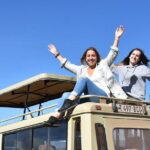
Your day kicks off early. Pickup starts at 5:00 am at New Mwanza Hotel on Posta Street, Posta Road, Mwanza 33101. The early start matters for two reasons: first, you maximize daylight hours for viewing and driving; second, it helps you arrive earlier to the wildlife areas where conditions can be better.
This kind of early departure is ideal if you like being productive with your time. It’s less ideal if you’re the type who needs a relaxed morning and doesn’t do well with a rushed start. If that’s you, prep the night before: charge devices, pack a simple day bag, and make sure you’re ready to go without extra delays.
Also note the ticket redemption point is at Vic Consult Tours & Safaris on Balewa Rd in Mwanza. If you’re arriving early or need to confirm details, it helps to know where that is ahead of time.
Private safari pace: photo stops without the crowding
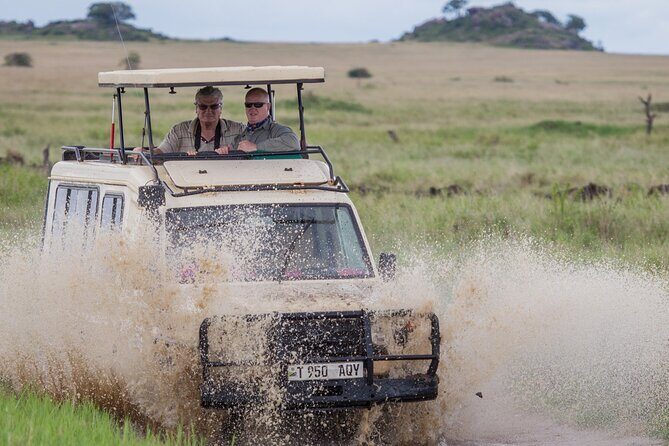
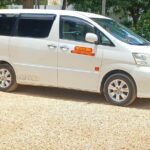
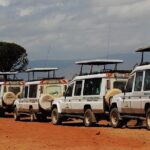
One of the most practical benefits here is that you’re not sharing the vehicle with strangers. The setup is described as private, meaning only your group and the drivers are in the vehicles. In the real world, this usually translates into a smoother experience: fewer loud interruptions, less waiting around, and more freedom to adjust plans based on what you’re seeing.
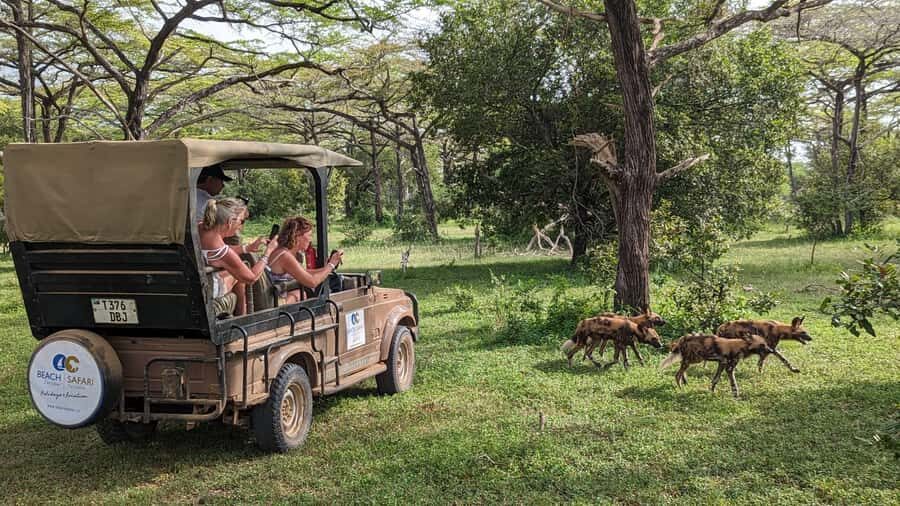
Drivers cover the required distances each day, and there are “plenty of opportunities” to stop for photographs. That phrasing matters. Some safaris promise wildlife viewing but treat photos as an afterthought. In this route, photo stops are part of the rhythm, which is what you want when you’re trying to capture animals and also just enjoy the journey.
What I’d pack for this driving-focused rhythm:
- A small day bag you can grab fast at stops
- Sunglasses and a hat (sun can be intense)
- A light layer for mornings and for time in the vehicle
- Cash/backup for anything you decide you forgot (you’ll be glad you planned)
The Serengeti nights: camping plus lodge comfort
Overnight stays are a big part of the value here. You get four nights total included, with a mix of camping and lodge accommodation. One family described it as camping for two days and staying in a lodge for one night, which matches the general idea: you’re not stuck with only one type of sleeping arrangement.
Why that mix is worth it:
- Camping nights help you feel the trip more directly. You’re closer to the rhythm of the area, and it can feel more like “you’re living this” rather than passing through.
- Lodge nights are a good reset. After long drive days, having a more structured space can make the next day feel easier.
The practical tradeoff is comfort. Camping can be totally fine, but it’s still camping. Bring what you need to sleep well for your own body (especially if you’re sensitive to temperature changes). If you prefer predictable comfort every night, you might wish the lodge nights were more frequent, but the package gives you at least some lodge time.
Also remember: dinners are included. That matters because after a full safari day, you don’t want to be hunting for food or deciding logistics. Included dinners can be the difference between a trip that feels smooth versus one that feels like extra work.
Wildlife education that changes how you look
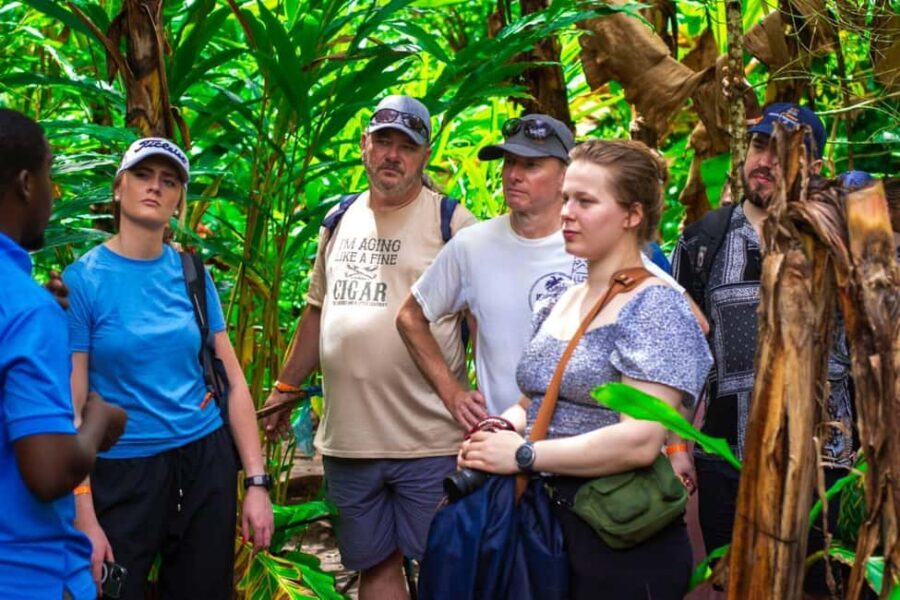
This is where the best stories start to make sense. Multiple experiences underline that the guide doesn’t just point; the guide teaches. One group credited the guide with lots of interesting information about animals and their lives—information that stuck because it was practical, tied to what you’re seeing, and explained in a way that makes the habitat feel connected.
Another account highlighted a guide’s ability to be helpful, fun, and informative, while also being compassionate toward animals and understanding habitats. That combo is what you want. It’s one thing to know animal facts. It’s another to guide you toward the right observations at the right moment.
If you want to get more out of your time in Serengeti, do this simple thing: ask one question per game-view block. Examples you can use:
- What should I look for right now?
- Where would I expect this animal to be during the day?
- What’s the key habitat feature that matters here?
Guides like Mohdy/Mody tend to respond well to questions, and it turns the safari into a conversation instead of a passive ride.
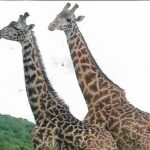
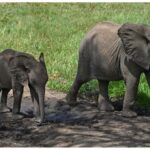
Down toward Ngorongoro Crater: why this day is different
The route is explicitly described as going down to Ngorongoro Crater, which signals a distinct experience compared with open-plain Serengeti viewing. Crater days tend to feel different because the setting changes: more enclosed terrain, different light, and a tighter “stage” where animals may be easier to spot once you’re positioned well.
What you can expect in practical terms is still very similar: you’ll be in a safari setup with opportunities to stop and photograph, and you’ll rely on the guide to help you make sense of what you’re seeing in the crater environment.
What to be ready for is the physical rhythm of a crater descent day. Even when the activity is described at a high level, crater time often means more movement, more pauses, and more attention to where you’re standing and how long you’re exposed to conditions. If you’re prone to feeling cold early or tired later, plan for breaks and bring layers.
The payoff is that the crater is one of those places that makes you stop thinking in “drive-by sightings.” It pushes you toward noticing relationships—how animals share space, how they react to the environment, and why certain areas produce more activity than others.
Food, water, and the small comforts that keep momentum
Included meals are a major quality-of-life detail on this route. The package lists breakfast, lunch, and dinner as included, which means you’re not stuck planning meals around driving time. You’ll know where and when you’re eating, and that reduces the mental load.
Bottled water is also complimentary. I really like this detail because dehydration can quietly ruin a safari day. Having water covered lets you focus on viewing and pictures instead of spending energy tracking supplies.
Alcoholic beverages aren’t included. That’s common, but it’s still worth noting if you like to unwind with a drink at dinner. Budget for it so it doesn’t feel like a surprise expense later.
Your group size and vehicle setup: why private matters
The private arrangement is more than a marketing line. It affects how the day feels.
With only your group and drivers in the vehicle:
- You’re more likely to get your questions answered without competing for attention.
- You can settle into a rhythm that fits your pace (slow photos, quick photo bursts, extra time for a sighting).
- It’s easier to manage expectations when you want to spend more time on one spot and less on another.
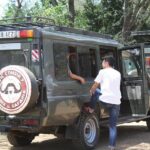
And the car cleanliness is mentioned in the experiences you shared. One family noted a super clean car and on-time pickup with a friendly, professional guide. That’s not just a comfort thing—it signals that the operator cares about details, and details matter when you’re spending hours in the vehicle.
When this safari style fits best (and when it doesn’t)
This tour is a strong fit if you:
- Want a private safari pace instead of a mixed-group experience
- Like camping and can handle at least part of the trip in a camping-style setup
- Value guide-led learning about animals and habitat
- Don’t mind a 5:00 am start for better daytime opportunities
It may be less ideal if you:
- Need a late-morning start every day
- Strongly prefer a hotel for every night
- Want alcohol included in the package (it isn’t)
It also helps if your group enjoys photo stops. Since the plan builds in plenty of chances to photograph, it rewards people who like to capture both wildlife and moments along the route.
Weather, minimum travelers, and how to stay flexible
This experience requires good weather. If it’s canceled due to poor weather, you’ll be offered a different date or a full refund. That’s a key detail for planning. Safari regions can have conditions that affect safety and viewing.
There’s also a minimum number of travelers requirement. If it doesn’t meet that minimum, you’ll get either another date/experience or a full refund. That’s normal for private-style operations, but you should still plan with enough flexibility if you’re traveling during a busy season.
Should you book this 4-day Mwanza to Serengeti safari?
I’d book it if your goal is a guided, private-feeling safari with four nights included, meals handled, and a guide who actually explains what you’re seeing. The combination of private vehicle time, early starts for better viewing windows, and guide knowledge (with names like Mohdy/Mody showing up in real experiences) makes this a trip that’s more than just driving toward animals.
Skip or at least think twice if early mornings and long drive days will stress you out. Also be honest with yourself about camping. If camping nights are a deal-breaker, you’ll want to ask how the sleeping nights are distributed in your exact dates so there are no surprises.
If you’re okay with an active schedule and you like the idea of learning as you go, this is a practical, value-forward safari route out of Mwanza with the kind of guiding that helps the wildlife stick in your memory.
FAQ
How long is the safari from Mwanza to Serengeti and Ngorongoro Crater?
It’s listed as 4 days (approx.).
What is the pickup time and meeting point in Mwanza?
Pickup starts at 5:00 am from New Mwanza Hotel, Posta Street, Posta Road, Mwanza 33101, Tanzania.
Where do I redeem my ticket?
Ticket redemption is at Vic Consult Tours & Safaris, Balewa Rd, Mwanza, Tanzania.
Is this tour private?
Yes. It’s described as a private tour/activity, with only your group and the drivers participating.
What meals are included?
Breakfast, lunch, and dinner are included.
Is bottled water included?
Yes. Bottled water is complementary.
What about alcohol?
Alcoholic beverages are not included.
How are the days handled in terms of transportation?
Your drivers cover the required distance each day, with opportunities to stop for photographs.
Does the tour require good weather?
Yes. If it’s canceled due to poor weather, you’ll be offered a different date or a full refund.
What is the cancellation window for a full refund?
You can cancel up to 24 hours in advance for a full refund, based on local time at the experience’s start.